Which nations produce most honey? Top 7 countries leading global production

China leads global honey production, supplying over a quarter of the world's total. Turkey ranks second, dominating the pine honey market, followed closely by Iran and India, according to the data released by the World Population Review. Check all the top 7 nations in the list below.
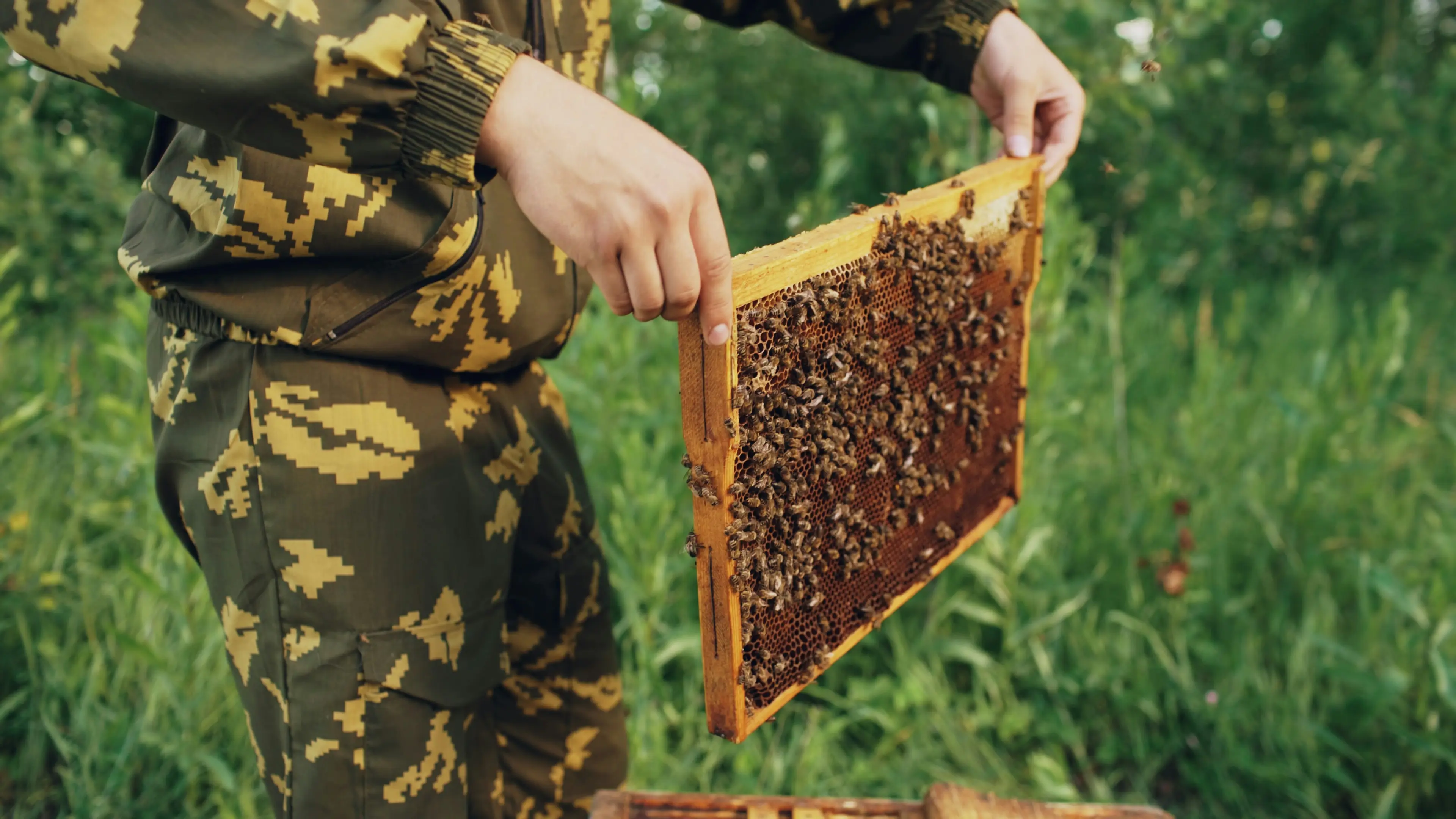
1. China (461,900 Tonnes)
China sits unrivalled at the top, contributing more than a quarter of the entire global honey supply. The country's vast and diverse geographical zones, spanning from temperate climates to subtropical environments, allow for year-round beekeeping. Utilising highly organised agricultural networks and massive managed bee populations, China dominates international trade as the world’s largest exporter by volume. Major production centres are spread across multiple provinces, rich in dense orchard systems and wildflower vegetation. Around 75 per cent of the honey produced is consumed locally in China.
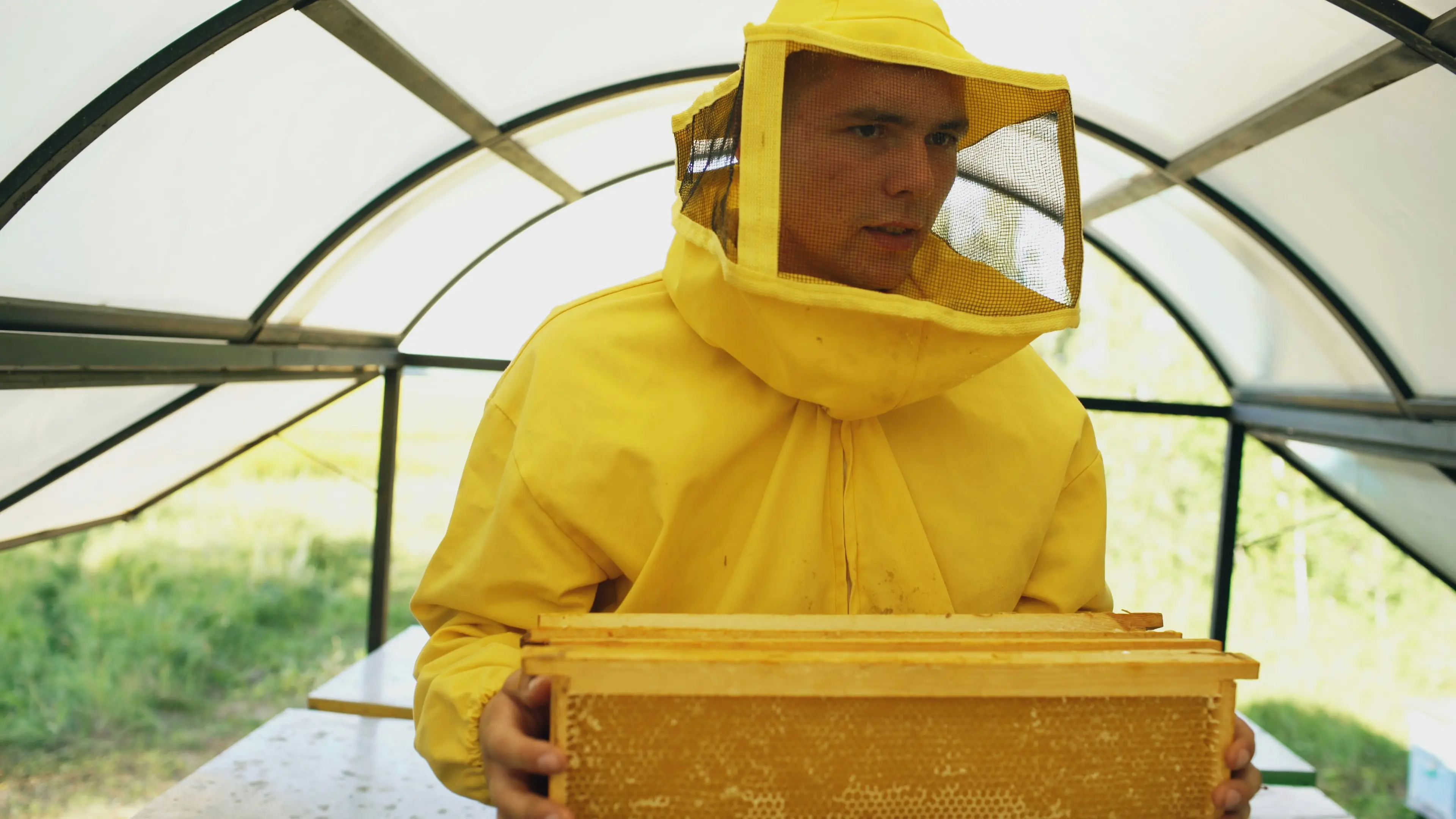
2. Turkey (118,297 Tonnes)
Turkey holds a commanding position in global apiculture, particularly recognised for its distinct, high-value varieties. The country is most famous for being the world's leading source of pine honey, single-handedly accounting for roughly 90% of global output. Despite facing occasional production dips caused by West Asian climate pressures, Turkey's premium chestnut and pine honeys remain highly sought after in international markets, helping the nation sustain an elite economic status within the trade.
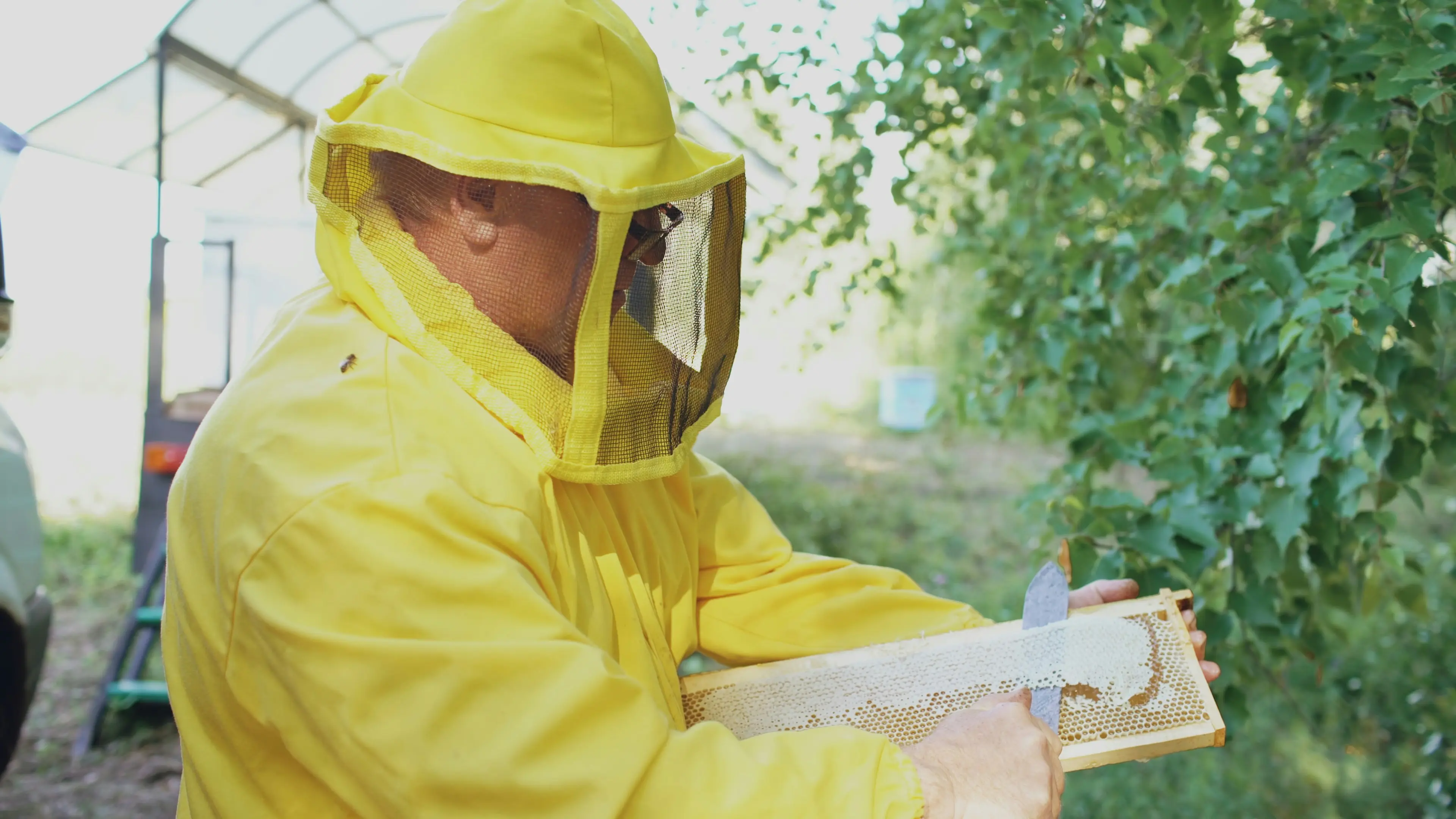
3. Iran (79,535 Tonnes)
Iran ranks third globally due to long-standing apiculture traditions and expansive mountain ranges. Regions like West Azerbaijan serve as major hubs, benefiting from diverse wild flora and traditionally low pesticide usage, which yields healthier bee colonies. The Iranian government has actively backed hive expansion projects to support rural livelihoods. This focused growth has consistently kept Iran’s production near the 80,000-tonne mark, meeting strong domestic demand and regional export markets.
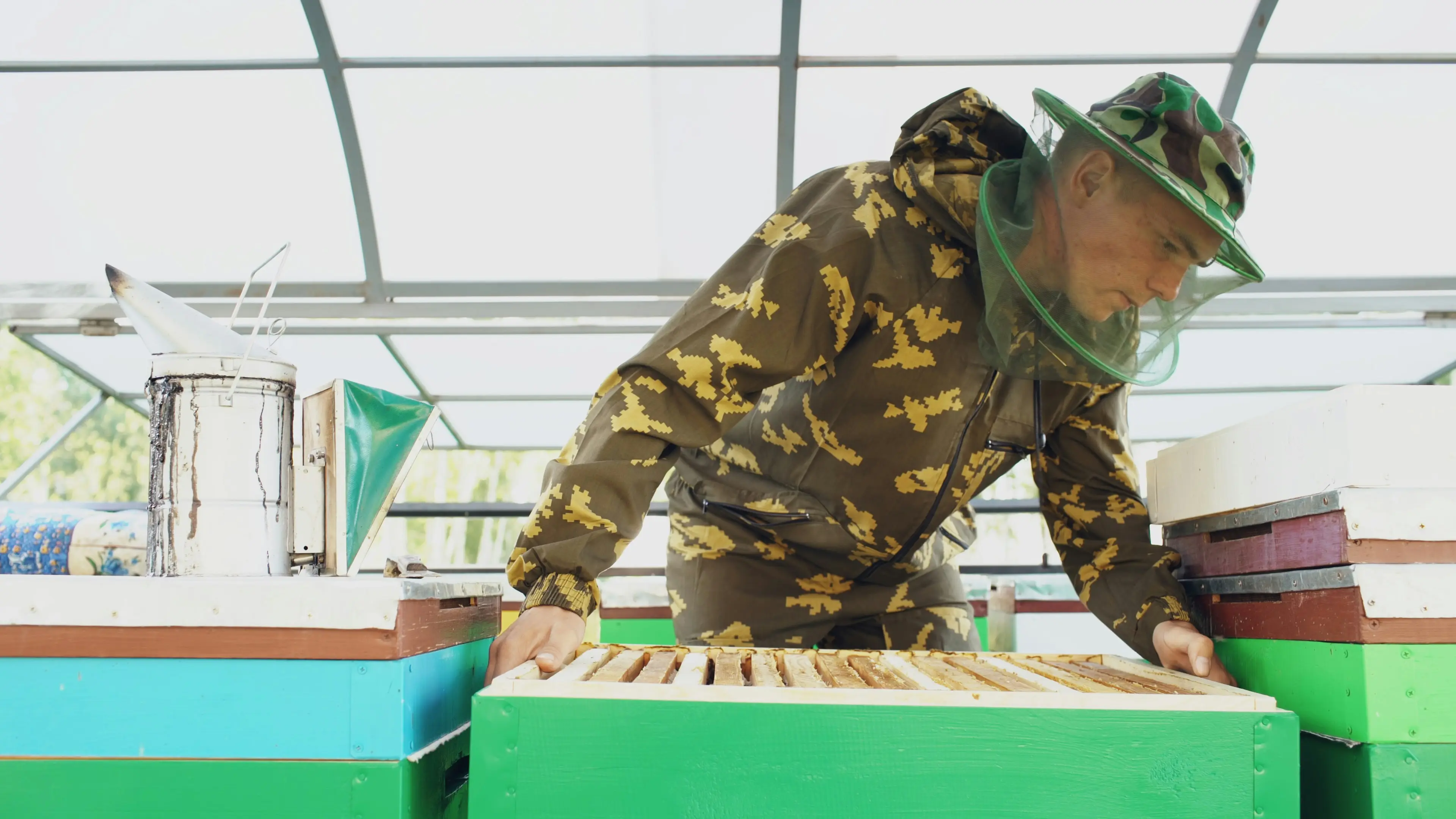
4. India (74,204 Tonnes)
India is a rapidly growing powerhouse in apiculture, heavily integrating honey farming with rural development programs and Ayurvedic medicine. Driven by the government's "Sweet Revolution" initiative, India's production has surged significantly, with recent FAO data placing annual yields over 140,000 tonnes. The nation relies heavily on its vast multi-floral agricultural lands. To increase its competitive edge in North American and Middle Eastern markets, India maintains highly strategic, cost-effective minimum export pricing models.
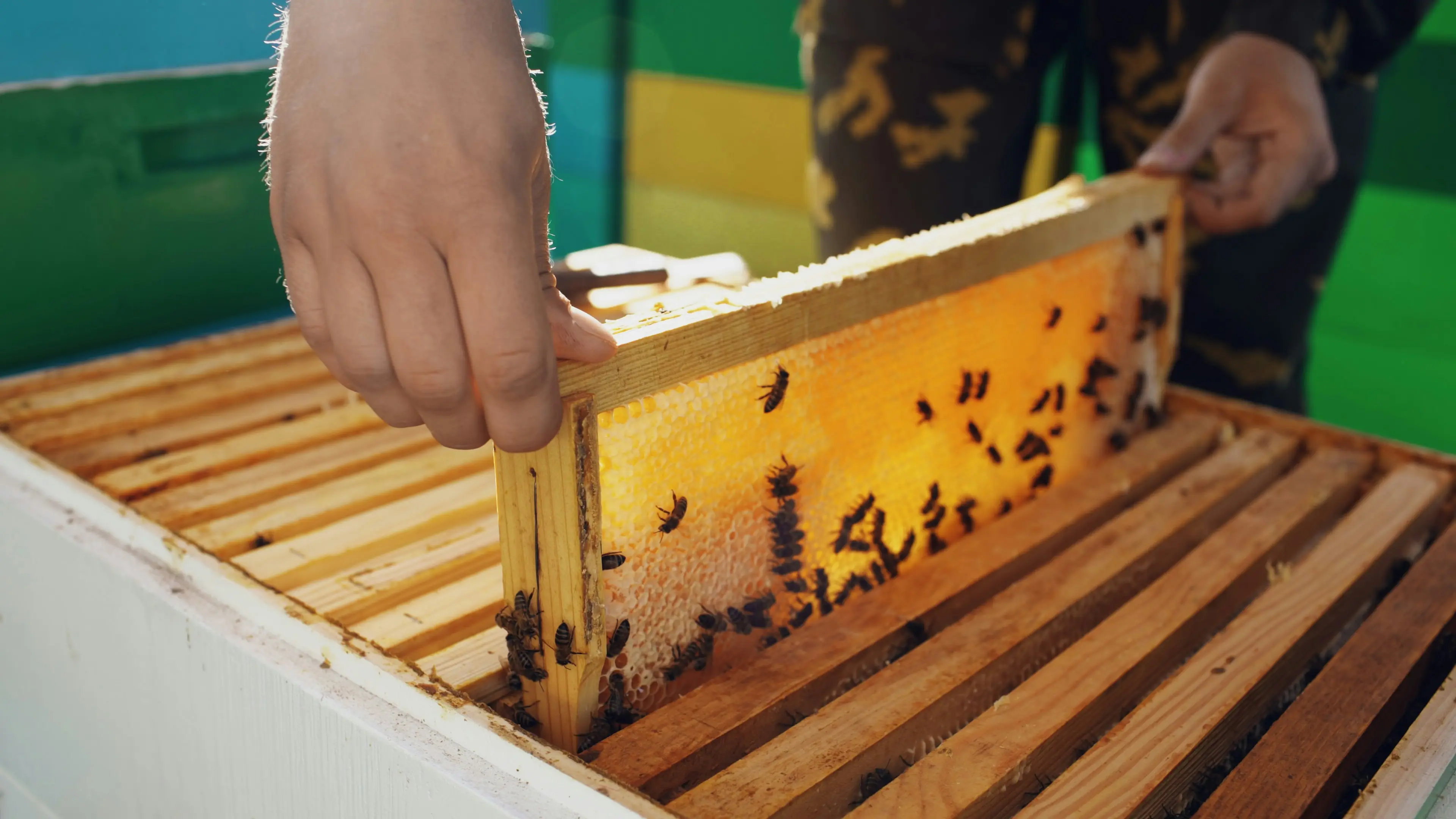
5. Argentina (70,437 Tonnes)
Argentina stands as South America's agricultural giant for honey, consistently dominating the Southern Hemisphere's export market. Because a vast majority of its high-quality polyfloral and alfalfa honey is exported directly to the United States and the European Union, local consumption remains secondary. The country relies heavily on the expansive, nutrient-rich pastures of the Pampas region. This geographical advantage provides stable, massive nectar flows required to sustain extensive commercial beekeeping operations.
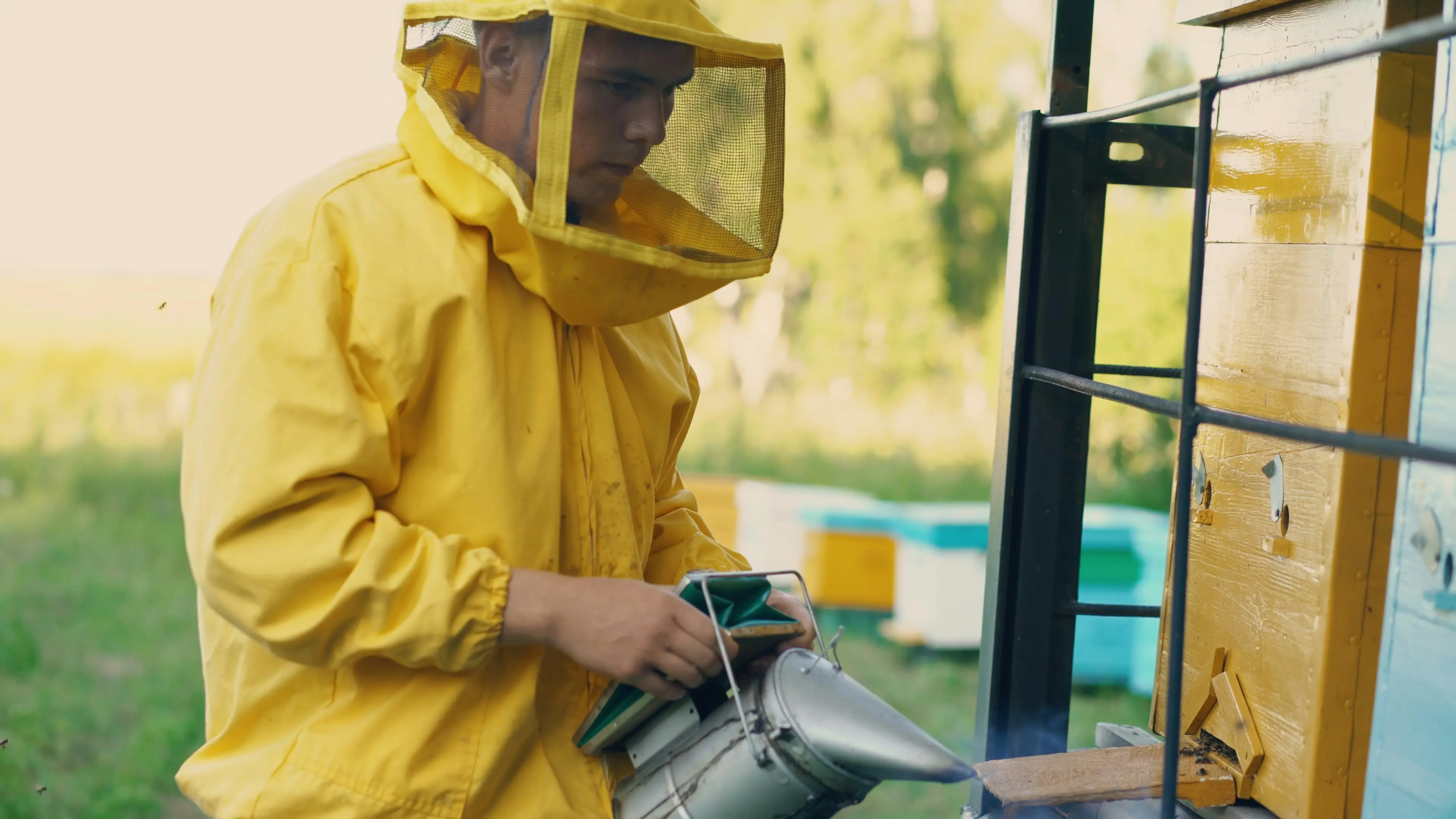
6. Russia (67,014 Tonnes)
Russia maintains a robust domestic honey market, deeply embedded in its cultural culinary traditions. The country is uniquely famous for its premium, highly antioxidant-rich monofloral buckwheat honey. While extreme winter freezes and unexpected seasonal frosts occasionally trigger severe bee population declines across regions, Russia remains a resilient producer. Recently, its agricultural trade has shifted significantly eastward, resulting in an estimated 40 per cent surge in raw honey exports directed to China.
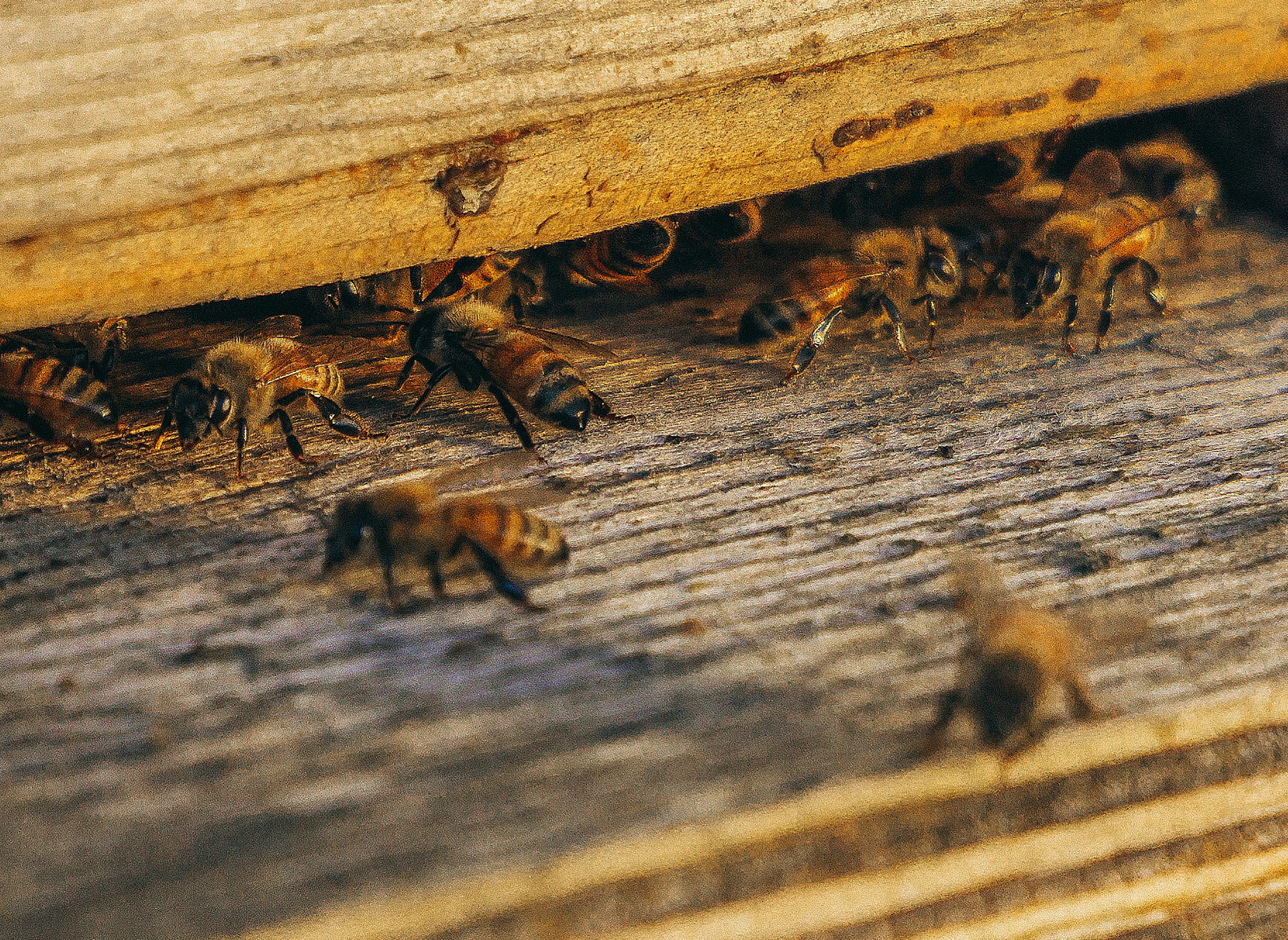
7. Mexico (64,320 Tonnes)
Mexico anchors Central American honey production, leveraging its tropical and subtropical biomes to produce distinct, intensely flavoured honeys. Mexican apiculture thrives on traditional, small-scale rural cooperative farming, which strongly supports biodiversity and local ecosystems through natural crop pollination. Renowned globally for its organic wildflower and orange blossom varieties, Mexico exports a substantial portion of its premium yields to European buyers who prioritise strict environmental and purity standards.
)
)
)
)
)