Which is the US’s best bunker‑buster bomb and why won’t it be effective in Iran to completely destroy uranium enrichment centres?

The 30,000-pound US GBU-57 MOP is built to destroy underground bunkers. However, because Iran's Fordow enrichment facility is buried up to 90 metres deep inside a mountain, even this massive bomb may fail to completely destroy it.
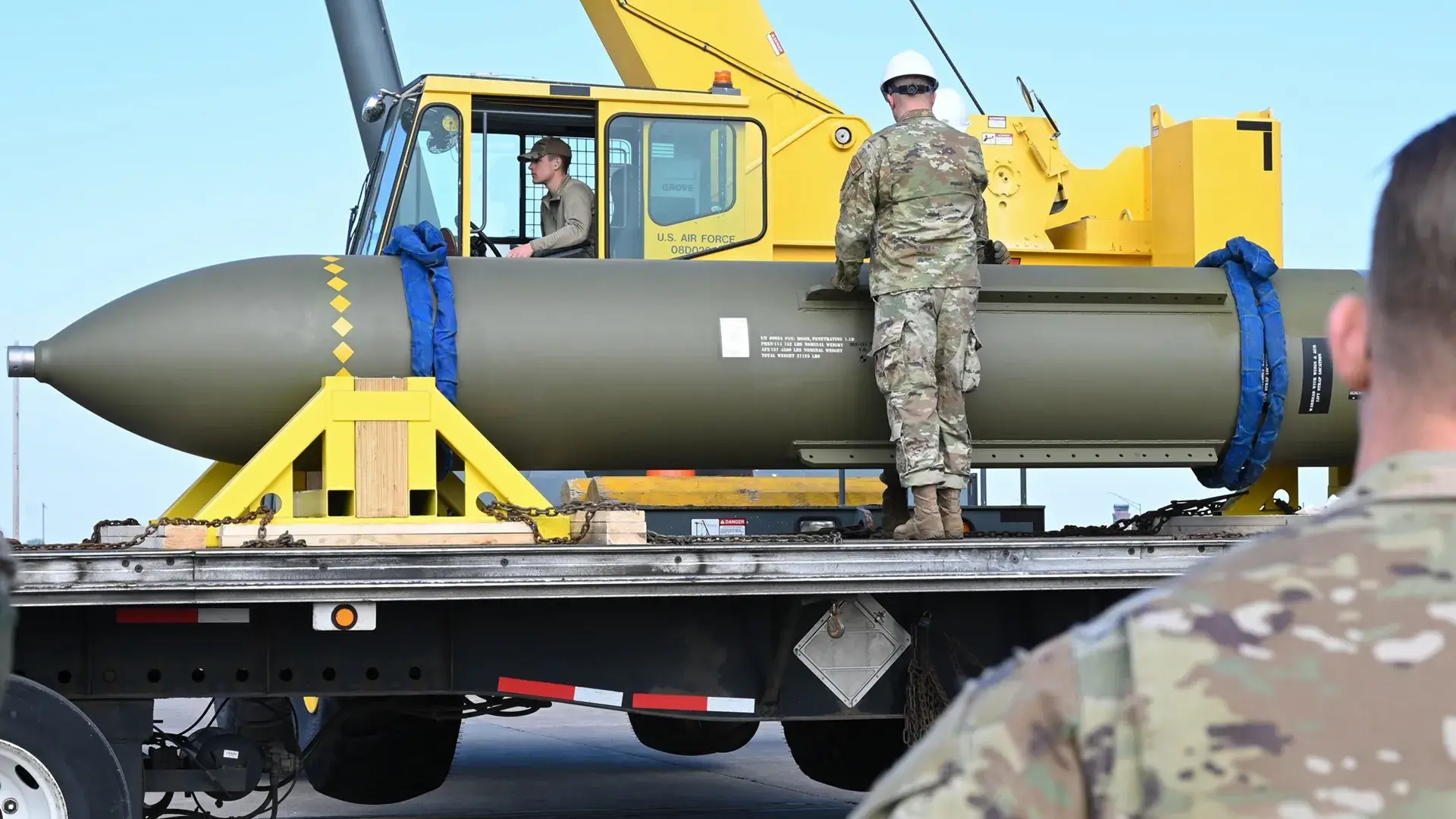
America’s heaviest bunker-buster
The GBU-57 Massive Ordnance Penetrator (MOP) is the US military's most powerful conventional bomb. Weighing 30,000 pounds, it is specifically designed to destroy hardened underground facilities.
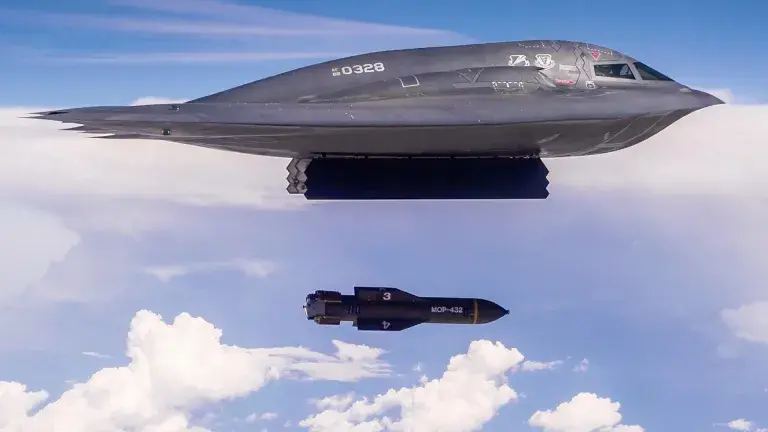
Deployed by stealth bombers
Due to its immense size and weight of 13,600 kilograms, the MOP can only be carried by the B-2 Spirit stealth bomber. This aircraft can drop the precision-guided weapon directly over heavily defended targets .
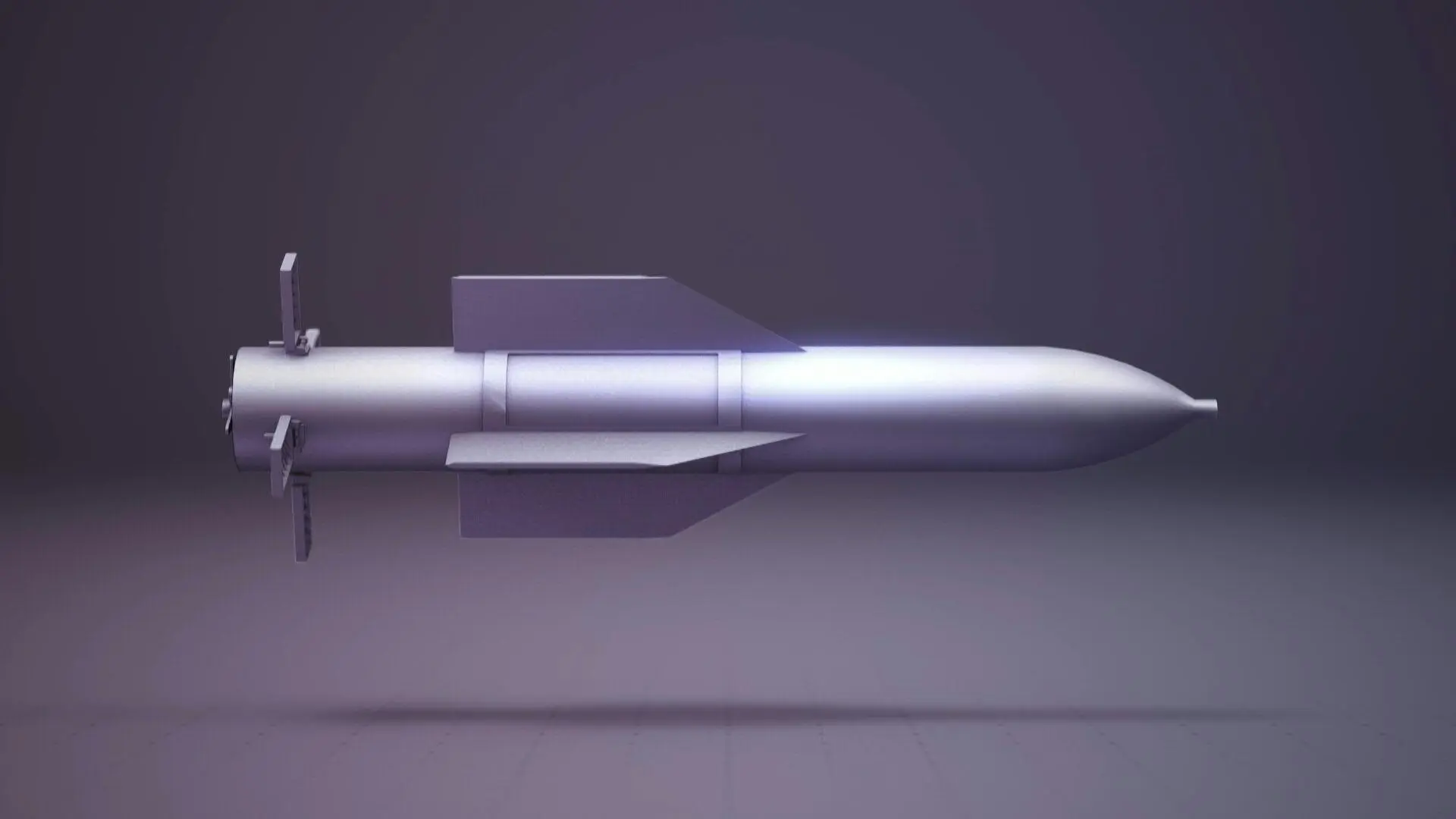
Penetrating rock and concrete
Before its delayed-action fuse detonates, the MOP can burrow through up to 60 metres (200 feet) of earth or 18 metres of reinforced concrete. This makes it highly effective against standard military bunkers.
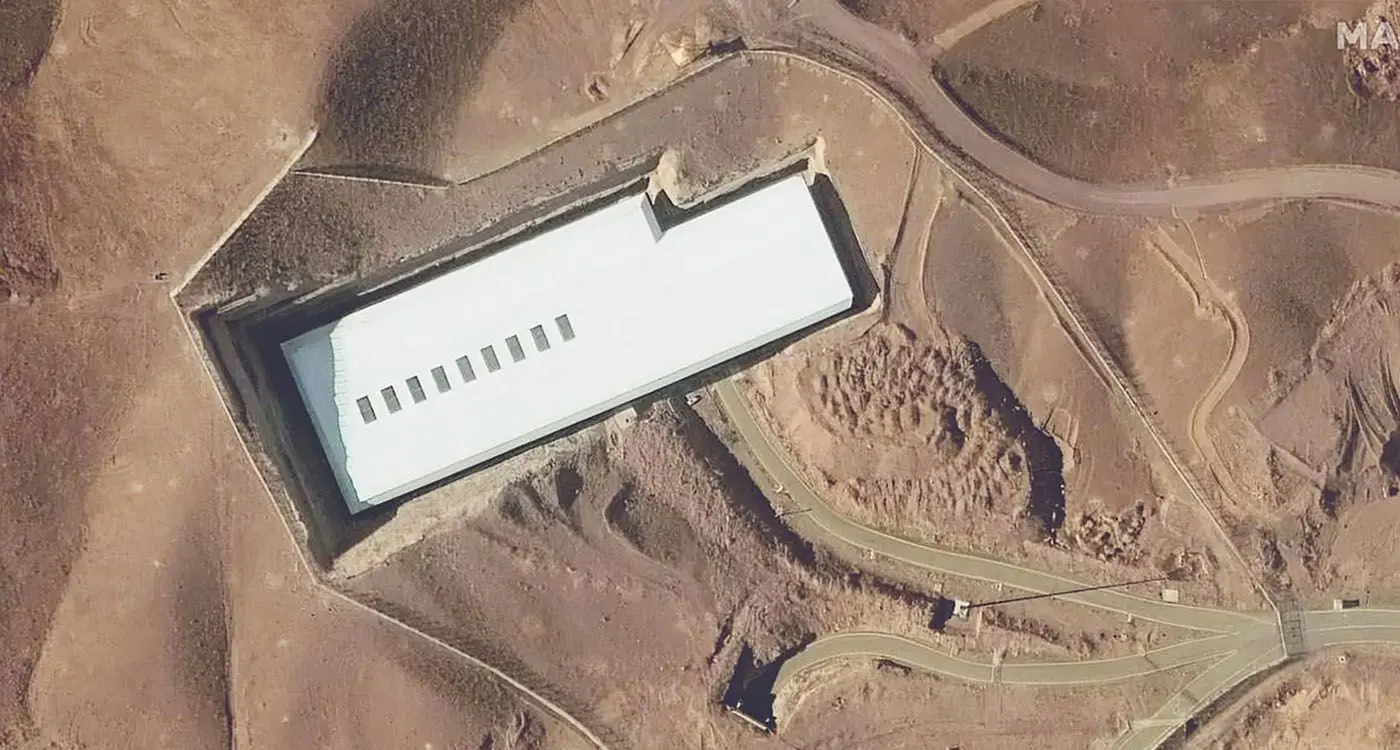
The challenge
Iran’s uranium enrichment plant presents a unique challenge, as it is built deep inside a mountain near Qom. Security experts estimate the facility sits beneath 80 to 90 metres of solid rock.
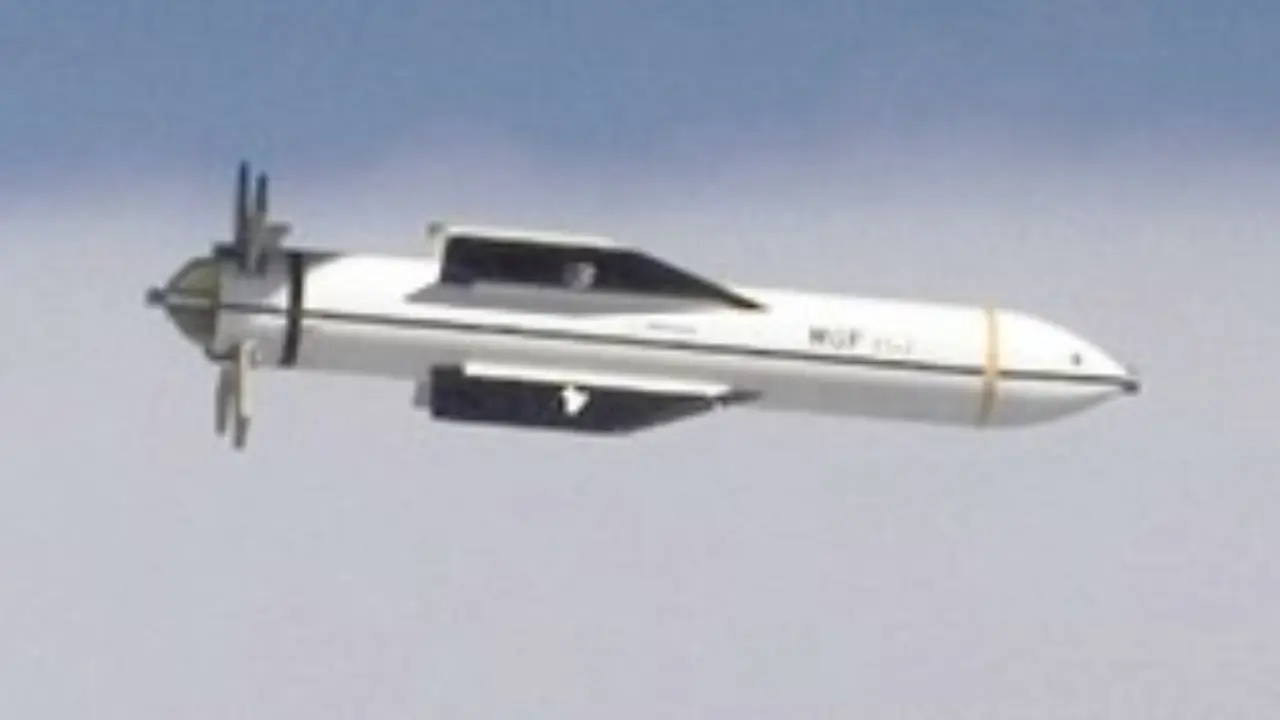
Out of reach for a single bomb
Because Fordow's depth exceeds the MOP's 60-metre penetration limit, a single bomb cannot reach the main enrichment halls. The thick mountain rock acts as an impenetrable natural shield.
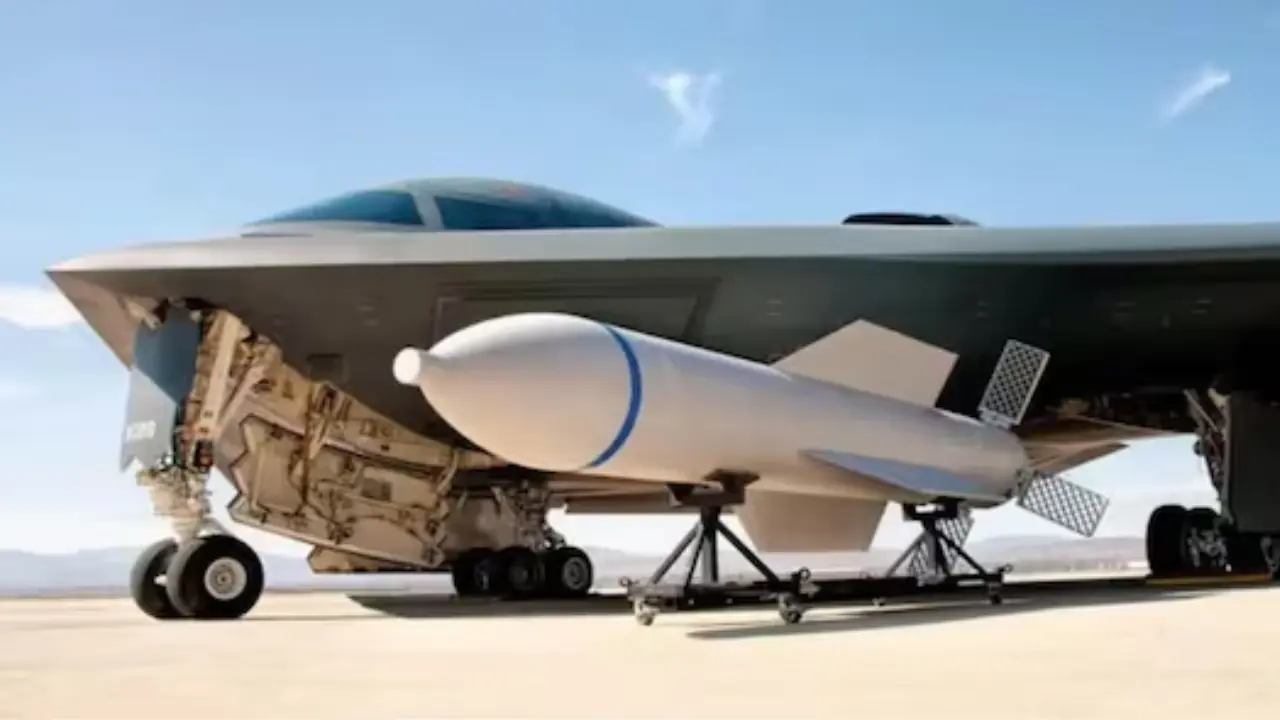
The sequential bombing tactic
To cause significant damage, US pilots would need to drop multiple bombs into the exact same crater to dig progressively deeper. However, executing this sequential strike perfectly in a combat zone is extremely difficult.

Disruption over destruction
While an attack might collapse tunnel entrances and disrupt operations, completely obliterating the deep centrifuges remains unlikely. Consequently, airstrikes can delay but perhaps not fully destroy Iran's nuclear programme.
)
)
)
)
)