Which country celebrates the New Year first and which is the last? Check inside

People celebrated the start of New Year's Eve, but because of the international date line, it takes 25 hours for all inhabited places to complete a day and welcome 2026. Let's have a look to discover the first and last countries to celebrate the New Year.
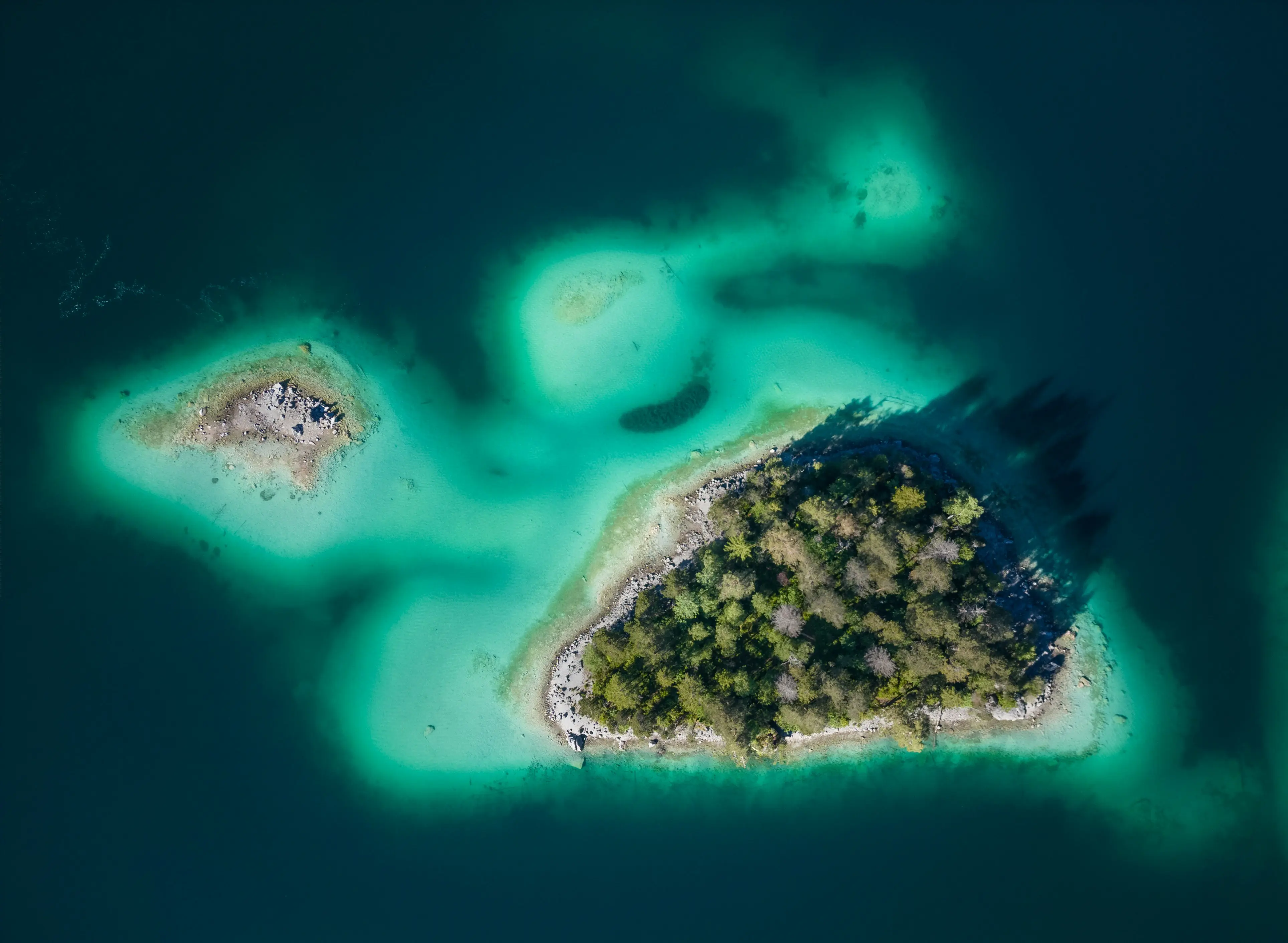
First country to celebrate the New Year
Kiritimati Island is the first inhabited land mass to usher in the New Year. It is one of the 33 islands that make up the Republic of Kiribati (pronounced KIH-rih-bahss), which is located almost directly south of Hawaii, but has celebrated New Year's a full day earlier.
Kiribati’s president shifted date line
In 1995, Kiribati’s president shifted the international date line to loop around the country, turning its eastern islands from among the last to enter a new day into some of the first.
Kiribati’s president good decision
Earlier, the date line cut through it; therefore, "today" indicates different things based on where you were in the country. Back then, Kiribati’s president told the New York Times that he "was thinking of unifying the republic and later I realised I had accidentally made a good decision as it meant they would be the first to usher in the next millennium in 2000."
Kiribati welcomed 2026 at 5 a.m.
Therefore, Kiribati welcomed 2026 at 5 a.m. Eastern on December 31, followed by Samoa and Tonga. Auckland in New Zealand is also among the first major cities to greet the New Year.
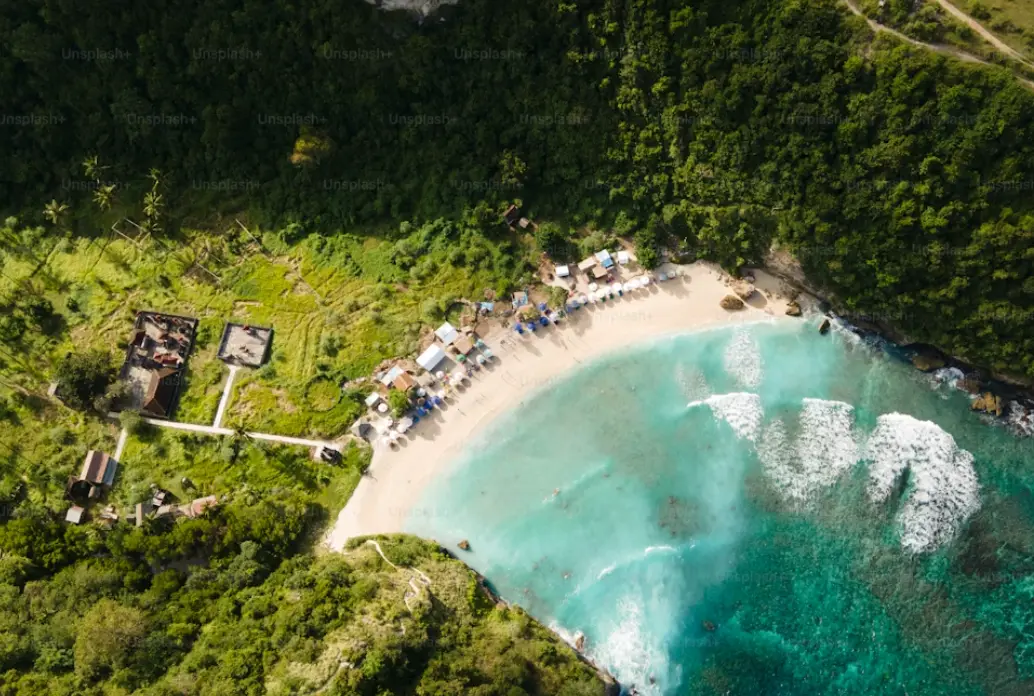
Last country to celebrate the New Year
The islands of Niue and American Samoa, located in the southwest of Kiribati in the South Pacific, are the final inhabited places to celebrate the New Year, according to National Geographic. By the time American Samoa bids farewell to 2025, much of the world is already well into 2026, with the territory entering the New Year at 6 a.m. Eastern on January 1.
)
)
)
)
)