Which countries have the highest tariffs in 2025?

Tariffs remain a key tool for governments to protect domestic industries and regulate trade. Despite ongoing globalisation and trade agreements, many countries continue to impose high import duties on specific products or sectors.

Breakdown
Based on data from the World Trade Organization (WTO) and national trade policies, here is a breakdown of countries with some of the highest average applied tariff rates in 2025.
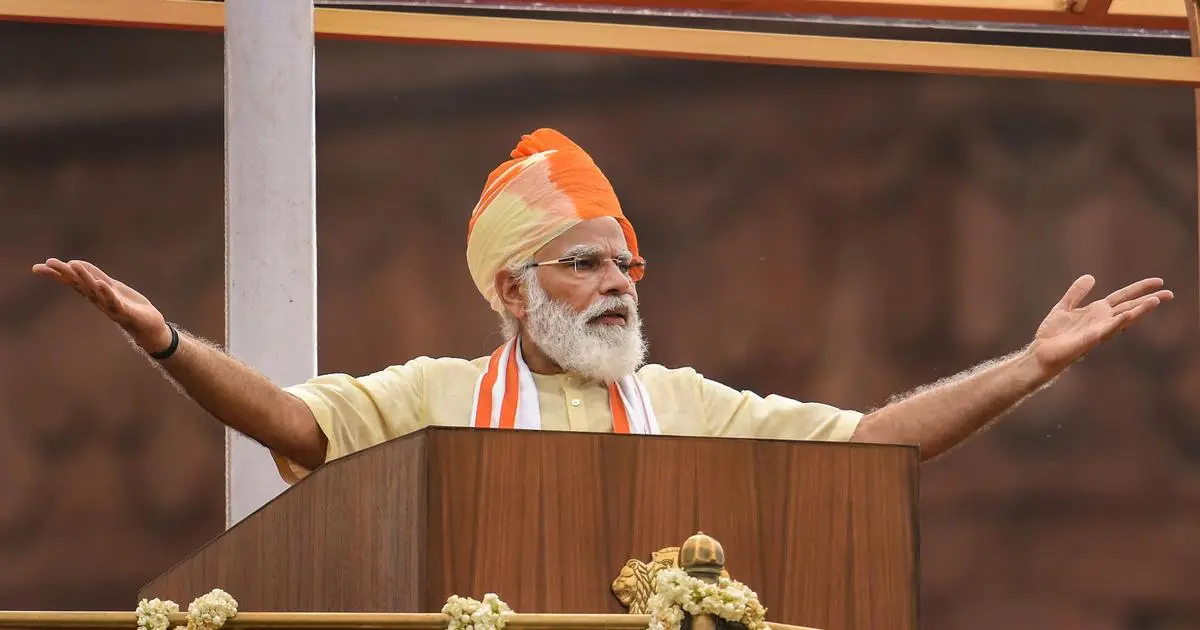
India
India maintains one of the highest average tariff rates among G20 nations. The average applied Most Favoured Nation (MFN) tariff is around 17–18 per cent, with significantly higher duties on products like dairy (up to 150 per cent), alcoholic beverages, textiles, and electronics. Tariffs are used strategically to support the "Make in India" initiative and protect key domestic industries.
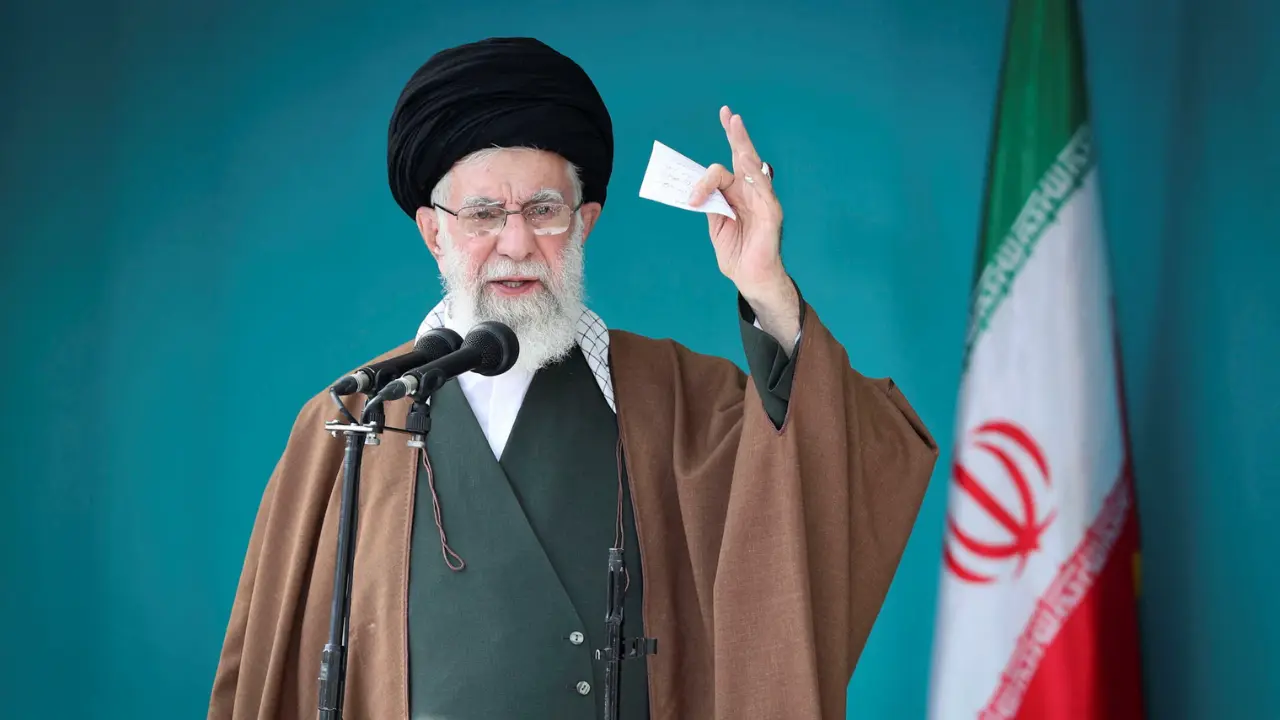
Iran
Iran continues to apply high tariff barriers across a wide range of goods. Many consumer goods, electronics, and automotive parts face tariffs exceeding 40 per cent, with some product categories seeing even higher effective duties when combined with non-tariff barriers. These policies are influenced by ongoing sanctions, domestic industrial policy, and efforts to limit imports.
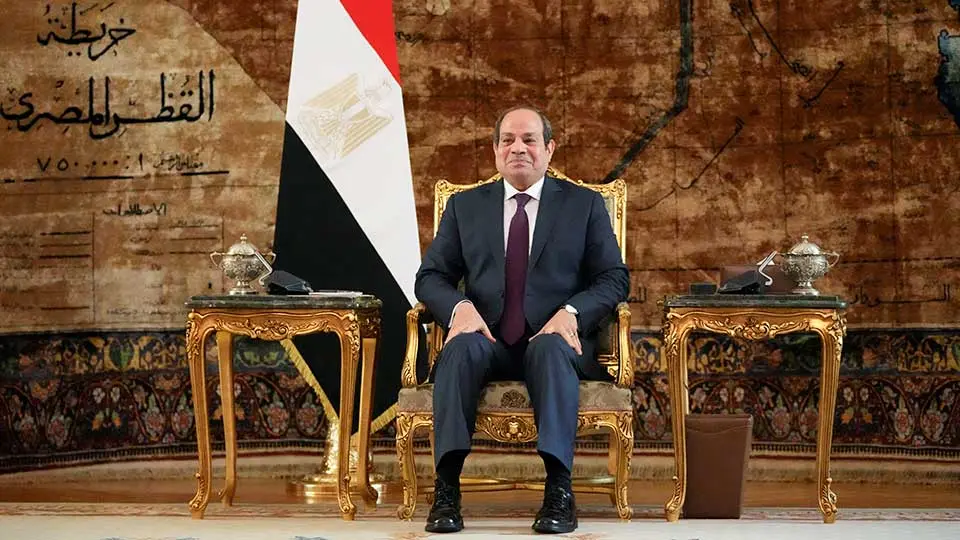
Egypt
Egypt maintains relatively high average tariffs, especially in the agricultural and consumer goods sectors. Import duties on poultry, dairy, processed foods, and vehicles can reach 40 per cent or more. The country has increased some tariff lines since 2022 to manage its trade deficit and reduce reliance on imports.
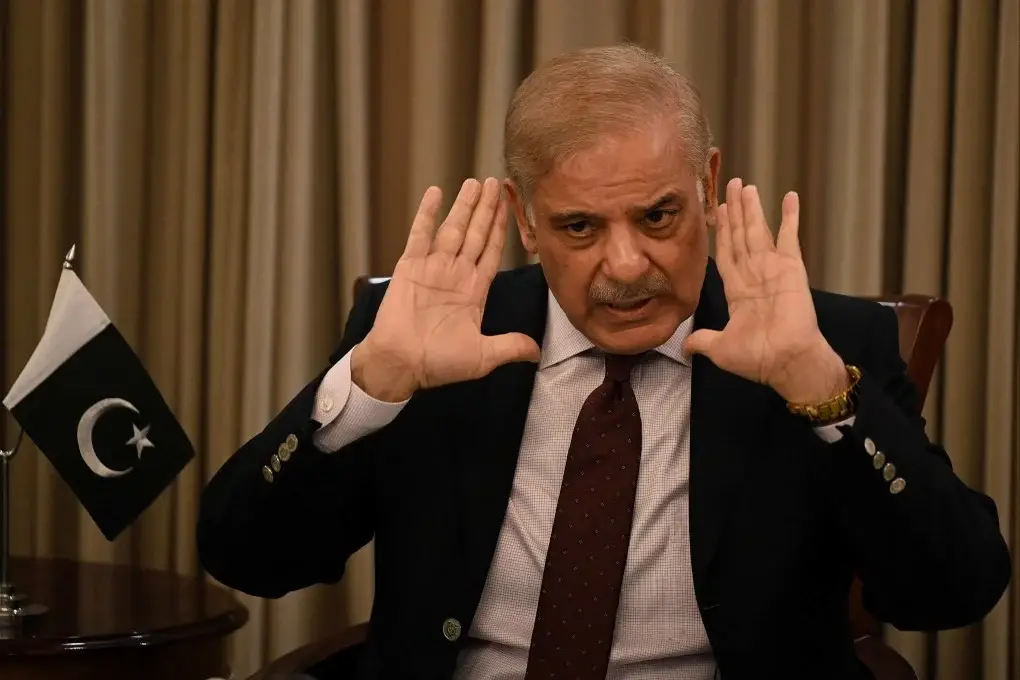
Pakistan
Pakistan imposes elevated tariffs on consumer electronics, vehicles, and food products. Its average MFN tariff stands above 12 per cent, with some items—such as automobiles and luxury goods—subject to duties over 50 per cent. Tariffs are part of a broader import control strategy in response to economic challenges and foreign exchange constraints.

Algeria
Algeria applies high import duties and additional levies such as the Temporary Additional Duty (DAP). The country uses tariffs to reduce imports of finished goods and promote domestic manufacturing. Key sectors affected include electronics, agri-food, and home appliances. Some combined tariffs exceed 60 per cent on select items.
Bangladesh
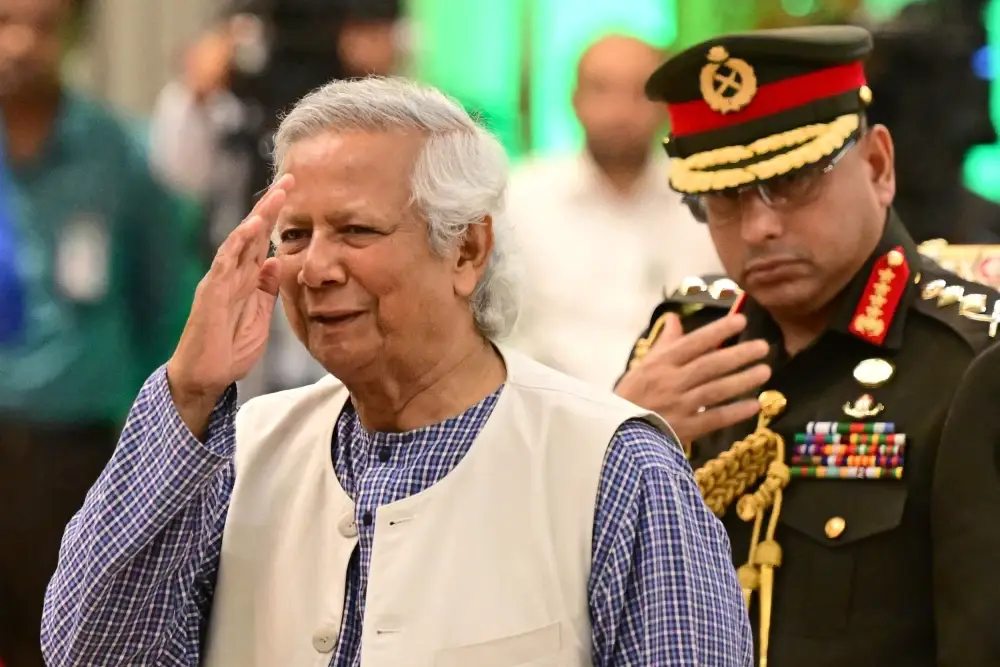
Bangladesh has high tariffs in place, particularly on finished consumer goods.
Average MFN duties hover around 14–15%, with much higher rates on processed foods, vehicles, and electronics. Tariffs serve as a tool to encourage local industry and preserve foreign reserves.
Nigeria
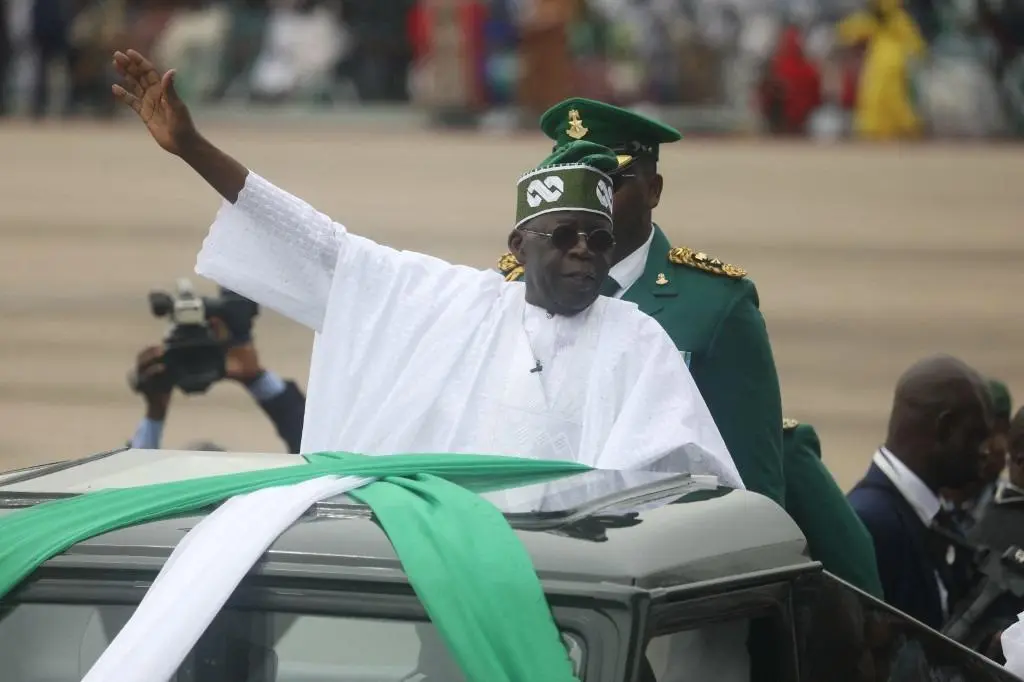
Nigeria continues to rely on import tariffs and bans on select products. In addition to an average tariff rate above 11 per cent, Nigeria imposes import bans or surcharges on several goods, especially agricultural products, textiles, and processed foods. These policies are linked to efforts to boost local production and stabilise currency reserves.
)
)
)
)
)