Where is 3I/ATLAS right now?

Comet 3I/ATLAS is a rare visitor from beyond our solar system. Moving quickly past the Sun, it offers a unique glimpse into other worlds. Its unusual traits puzzle scientists, what secrets does this cosmic traveller hold? Know more below.
3I/ATLAS
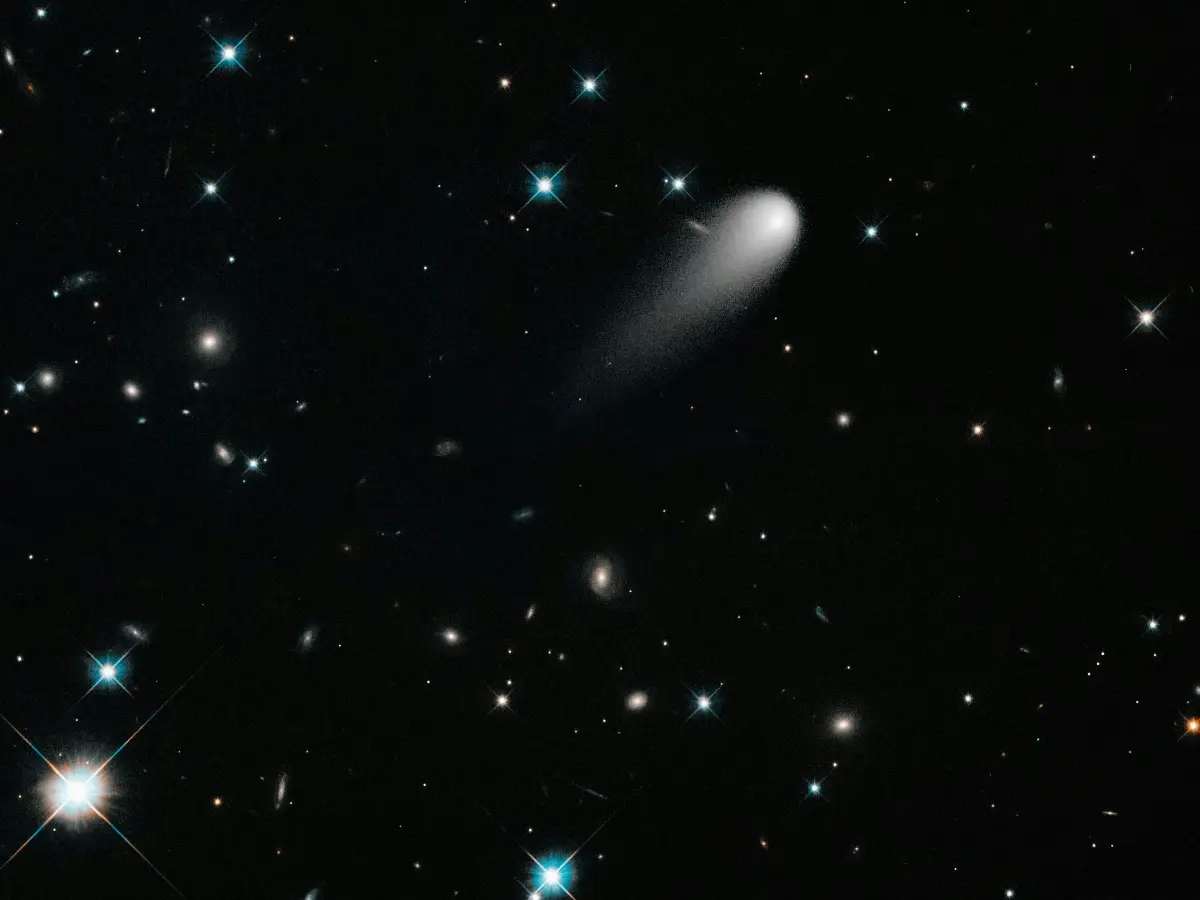
Comet 3I/ATLAS is a new interstellar object, meaning it comes from outside our solar system. It was first seen in July 2025 by astronomers using telescopes in Chile, in a project run by NASA. This comet is only the third one from deep space ever found passing nearby, making it quite special for scientists to study. Know more below.
Where Is It Right Now?
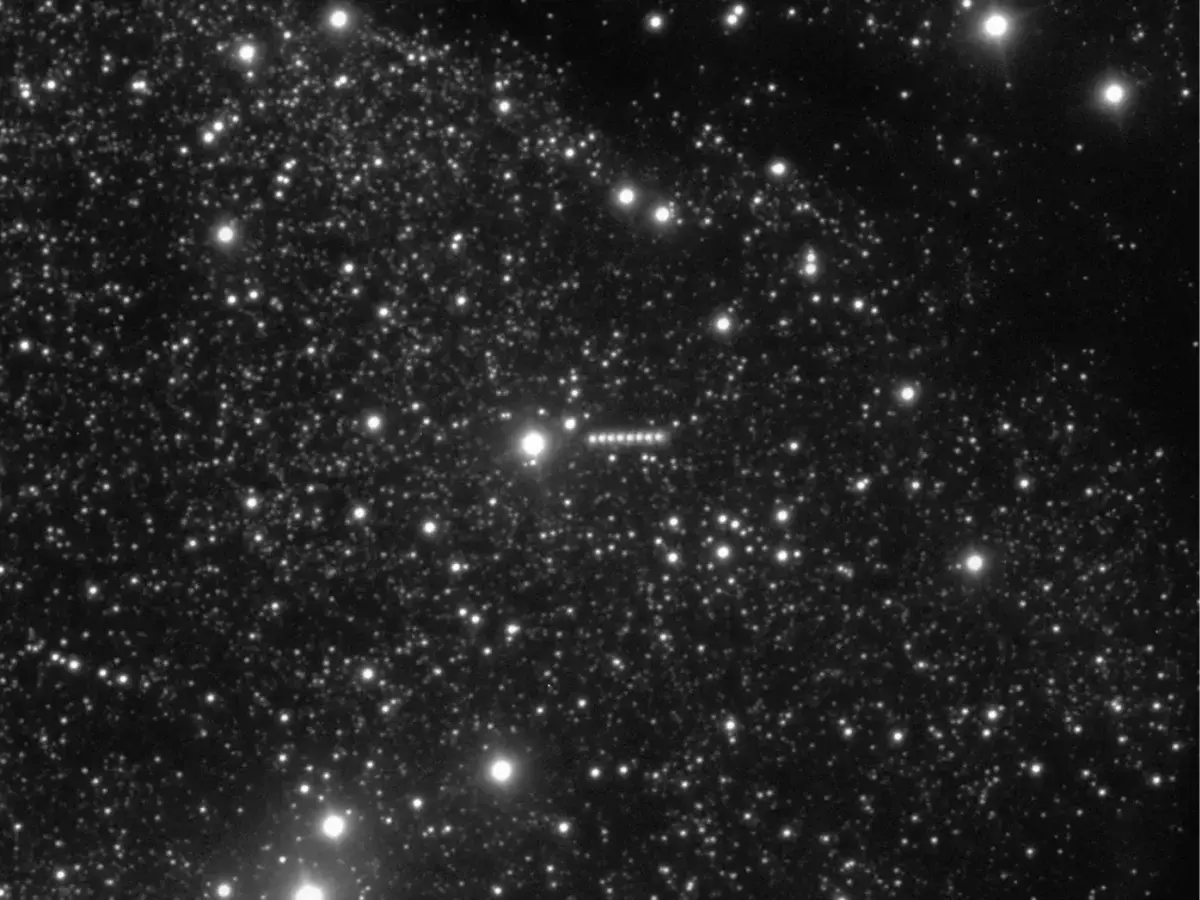
As of end October 2025, comet 3I/ATLAS is moving through the constellation Virgo. It is hidden behind the Sun, so it cannot be seen from the ground at the moment. Special cameras in space have been used to keep track of it even when ordinary telescopes cannot view it. According to TheSkyLive tracker, the comet is about 342 million kilometres away from Earth right now

How Close Is 3I/ATLAS?
The comet passed closest to the Sun on 29 October 2025 at about 203 million kilometres away. After this, it will come nearest to Earth on 19 December, staying at least 167 million miles (270 million kilometres) away, so it is not a threat to us. At its closest, it moves at around 68 kilometres per second.
What Do Satellites See?
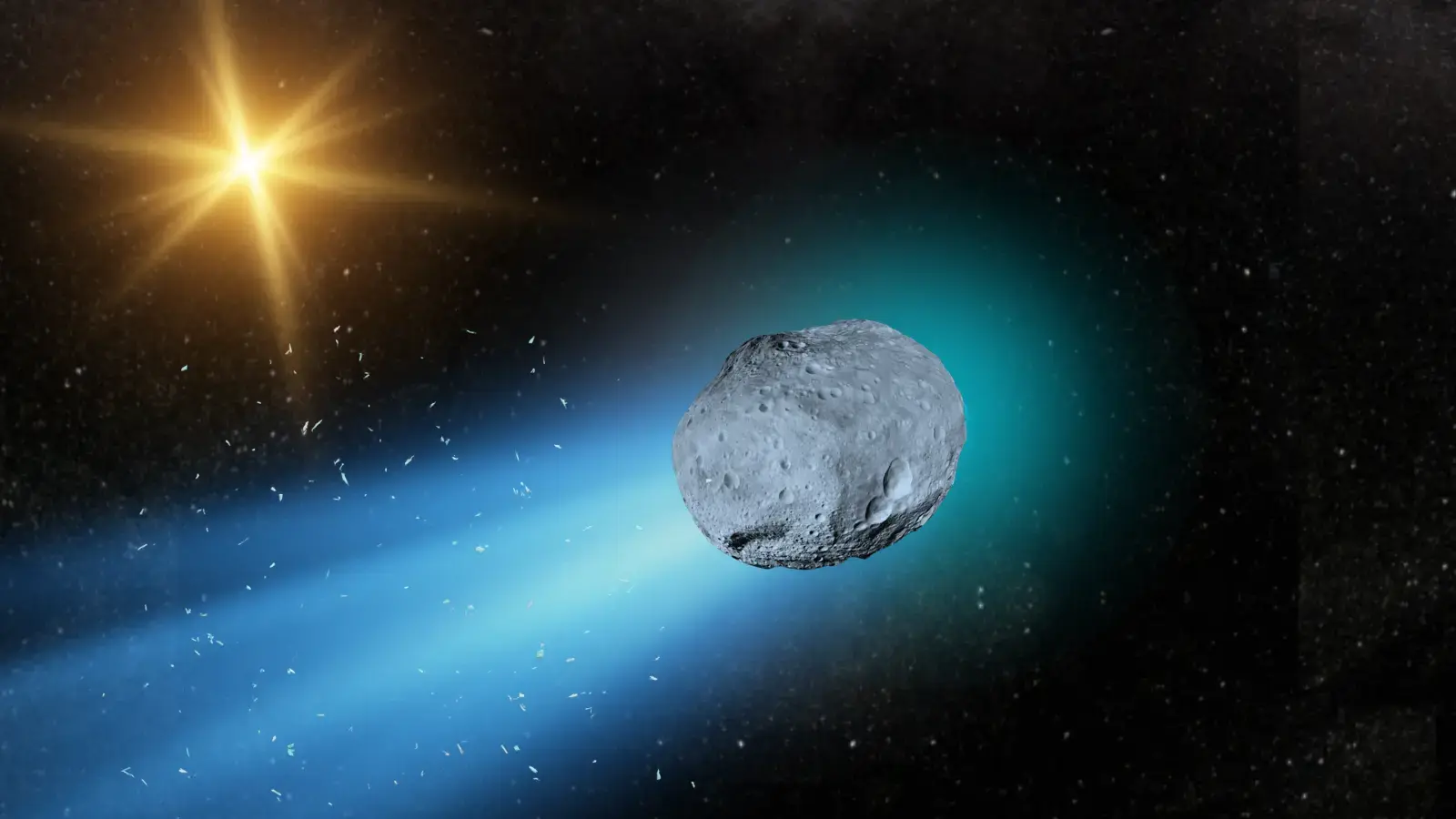
Space-based telescopes like STEREO, SOHO, GOES-19 and even the Hubble and James Webb Space Telescopes have been watching comet 3I/ATLAS very closely. These observatories saw the comet turn bright blue and shine stronger than most other comets when near the Sun, surprising scientists who are trying to understand the change.
What Makes This Comet Special?
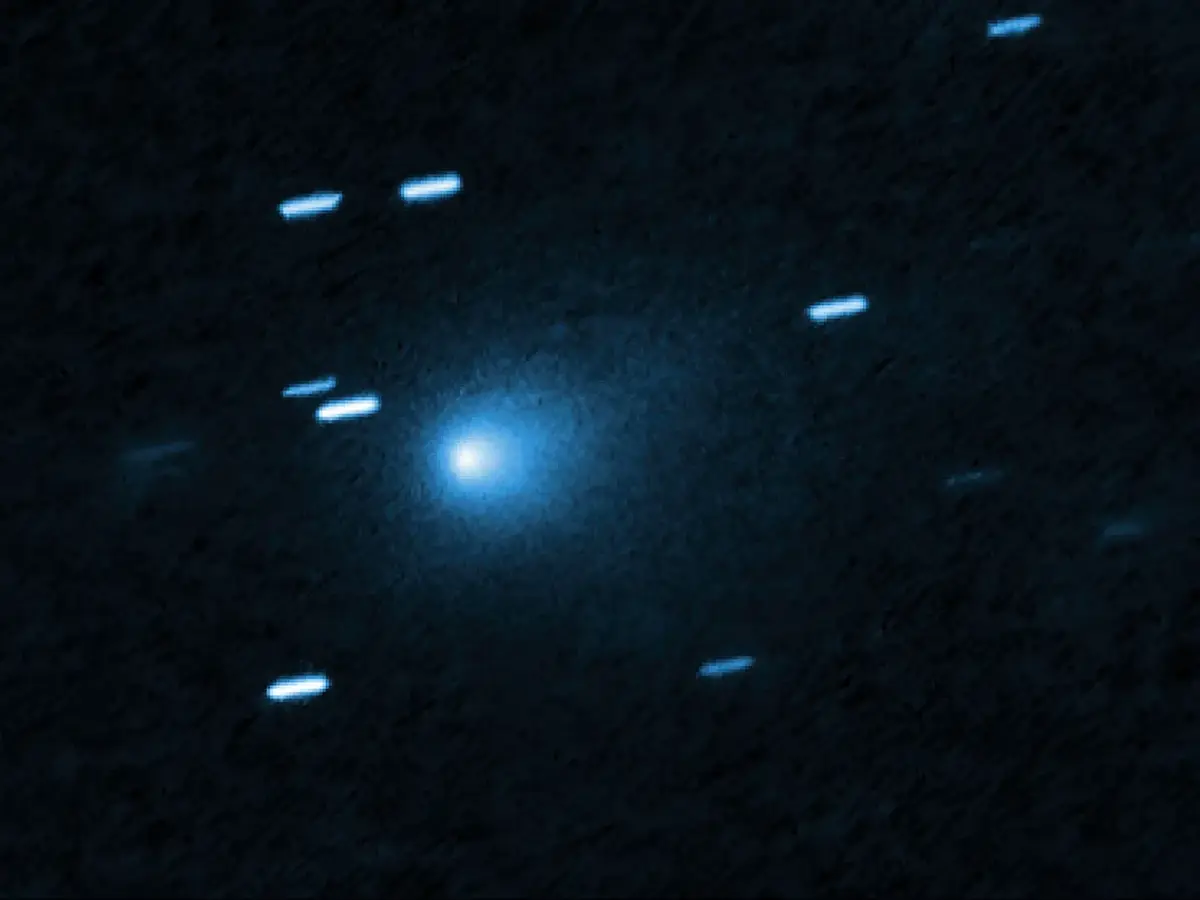
3I/ATLAS is rich in gases like carbon dioxide, cyanide and nickel, different from most comets from our solar system. Its nucleus is probably less than 1 kilometre wide, and it creates a cloud of dust and gas as it heats up near the Sun. Scientists also detected water and other vapours around it, using space telescopes.
When Can We See 3I/ATLAS Next?
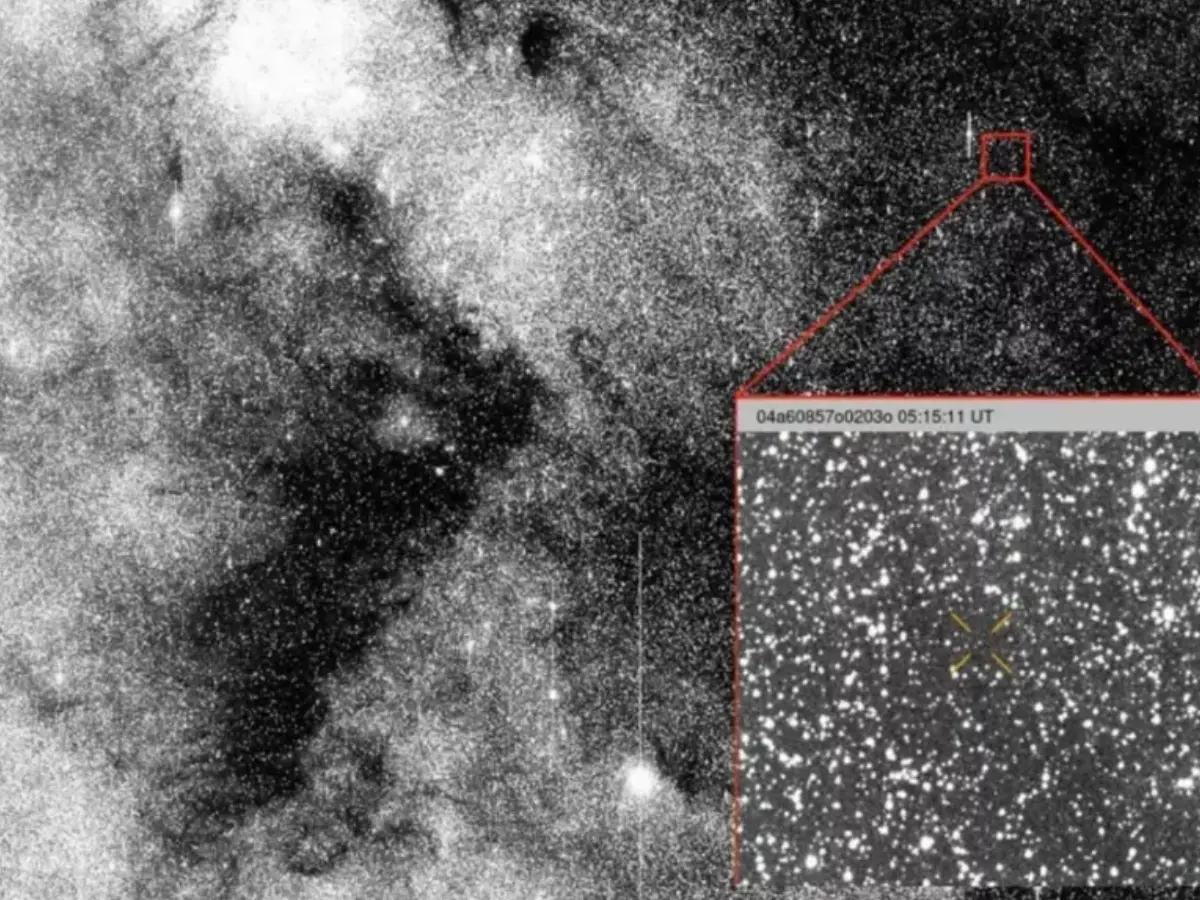
Comet 3I/ATLAS is expected to be visible using telescopes from Earth again by late November 2025. Its closest approach to Earth will happen on 19 December, and it may be easier to spot during that time, just before dawn in the sky. Watching its movement offers scientists a rare look at a true interstellar traveller.

Comet 3I/ATLAS is expected to be visible using telescopes from Earth again by late November 2025. Its closest approach t
This visit helps researchers learn about materials from outside our solar system. Its colour changes and unusual composition may help form new ideas about how such comets react when facing the Sun's heat. For now, global teams are preparing equipment to study the comet further as it swings by in December 2025.
)
)
)
)
)