Where does Iran stand in the military race? Top 7 Middle East armed forces

The ranking matters now, as tensions around Iran’s internal unrest and its warnings to the United States and Israel underline how raw capability shapes deterrence and decision-making.
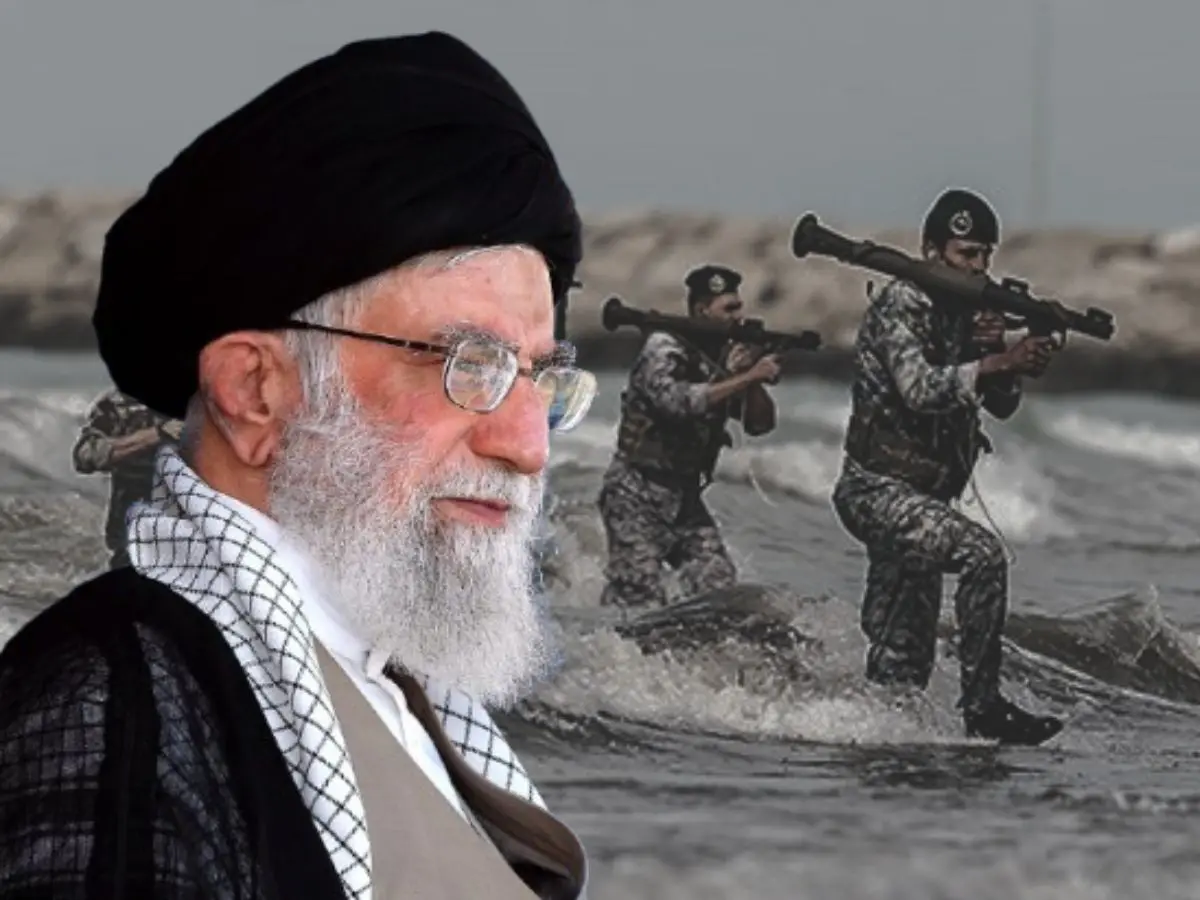
A Region Defined by Military Power
Military strength remains a central pillar of influence in the Middle East, a region shaped by prolonged conflict, rival alliances and strategic chokepoints. Using Global Firepower’s Middle East rankings of 2025, armed forces are assessed across manpower, air and ground assets, naval reach, defence budgets, logistics, technology and strategic depth. The ranking matters now, as tensions around Iran’s internal unrest and its warnings to the United States and Israel underline how raw capability shapes deterrence and decision-making. Here is a list of top 7 militaries in the Middle East and where Iran ranks:
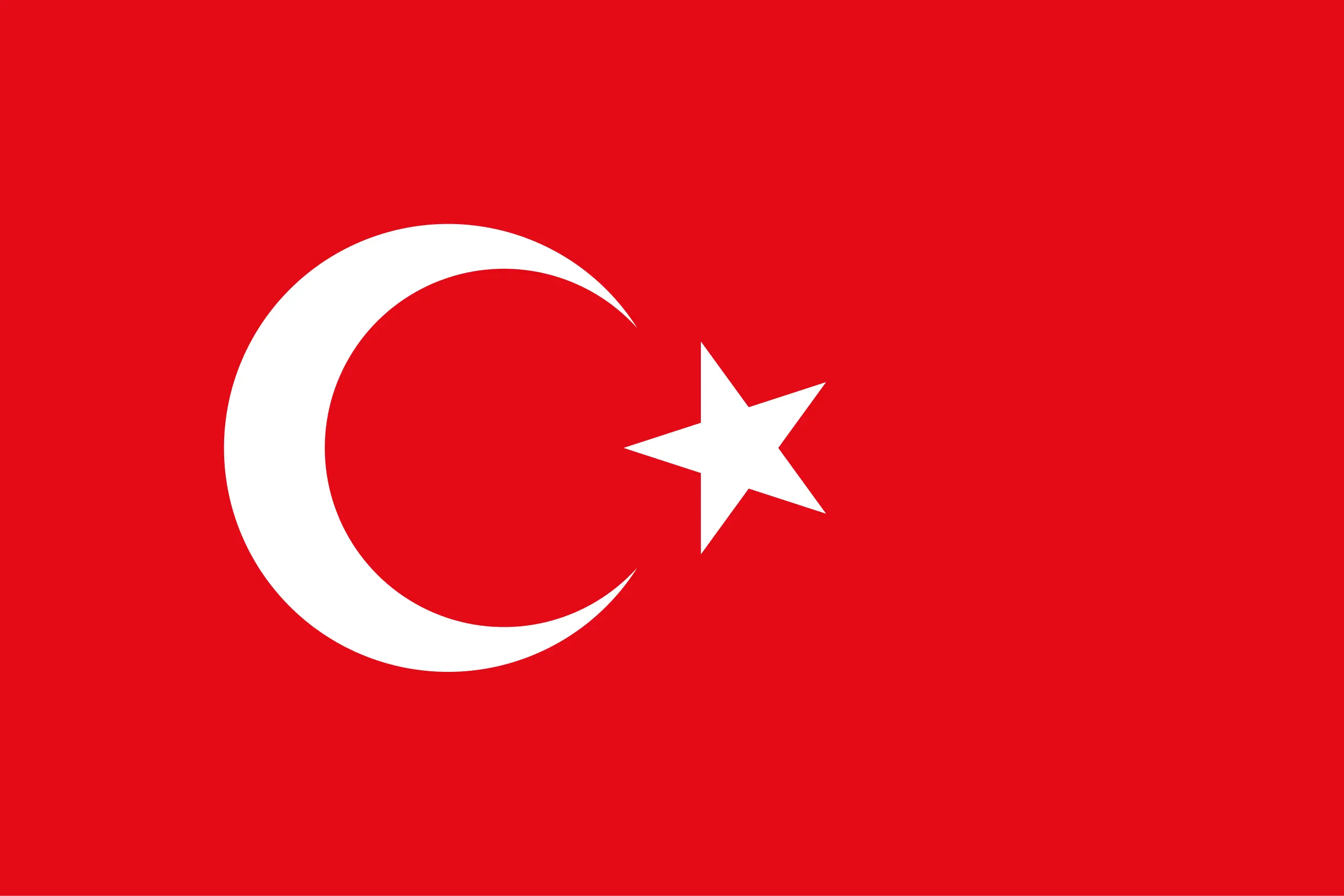
1. Turkey
Turkey ranks as the strongest military power in the Middle East for 2025, holding the region’s lowest PowerIndex score of 0.1902, a figure that reflects stronger conventional warfighting capability. Its position is reinforced by large active forces, well-developed land systems, credible naval assets and NATO-compatible military infrastructure, all of which underpin Ankara’s regional military standing. With a total population of 84,119,531, Turkey maintains an active military personnel strength of 3,55,200. Its air force fields 812 aircraft in readiness, including 151 fighter jets, providing substantial air combat capacity. On the ground, Turkey operates around 1,679 tanks in active service, forming the backbone of its armoured warfare capability.
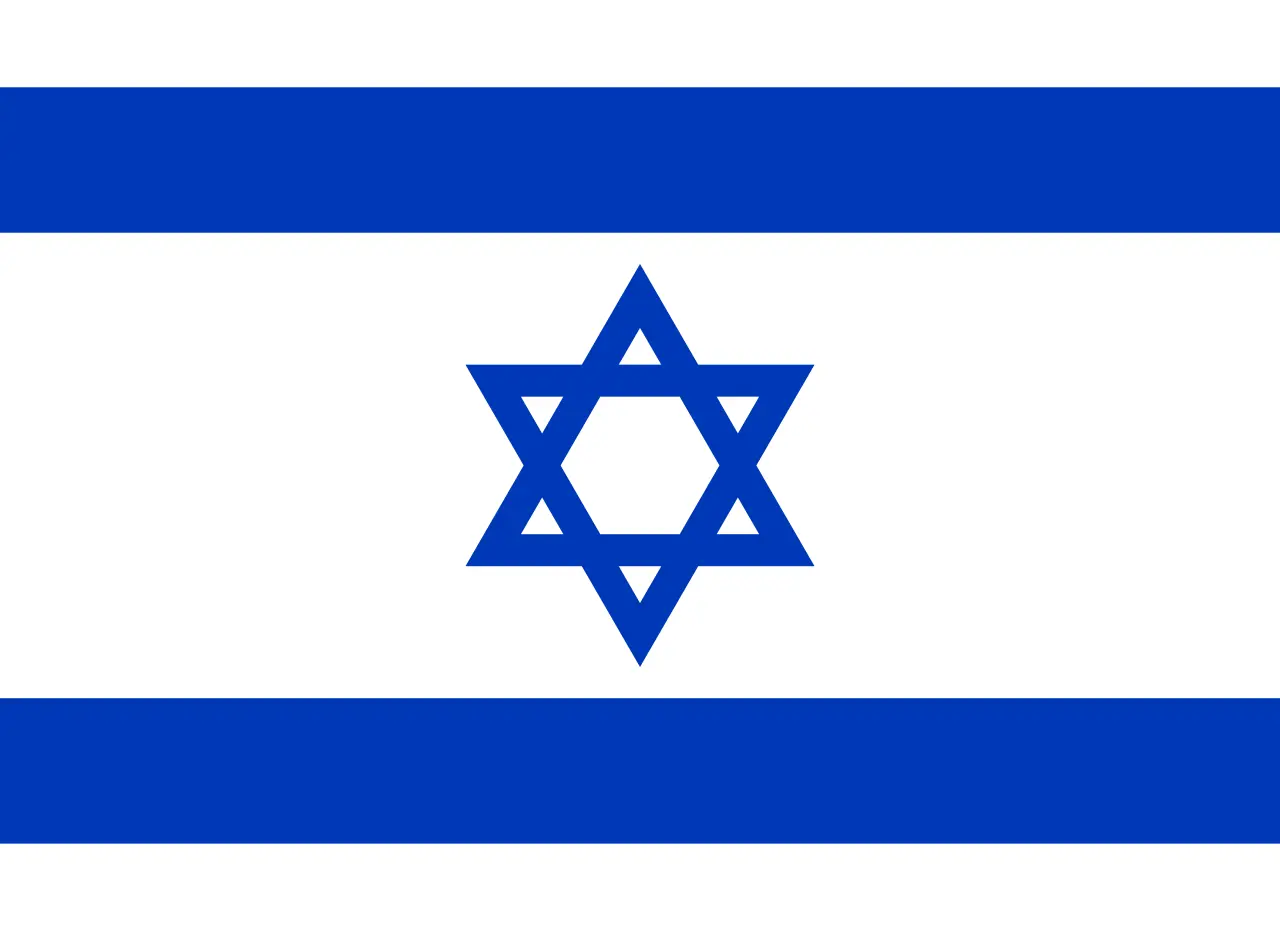
2. Israel
Israel ranks second in the Middle East and 15th globally out of 145 countries, with a PowerIndex score of 0.2661. With a population of 9,402,617, it maintains an active military force of 170,000 personnel. The Israeli Air Force operates a total of 611 aircraft, including 192 fighter jets in readiness, along with 38 attack helicopters. On the ground, Israel fields around 1,040 tanks in active service. Its defence posture is reinforced by advanced air power, layered missile defence systems and highly developed intelligence capabilities. Although its manpower is smaller than that of several regional rivals, superior technology, training and operational experience significantly enhance Israel’s overall military effectiveness.
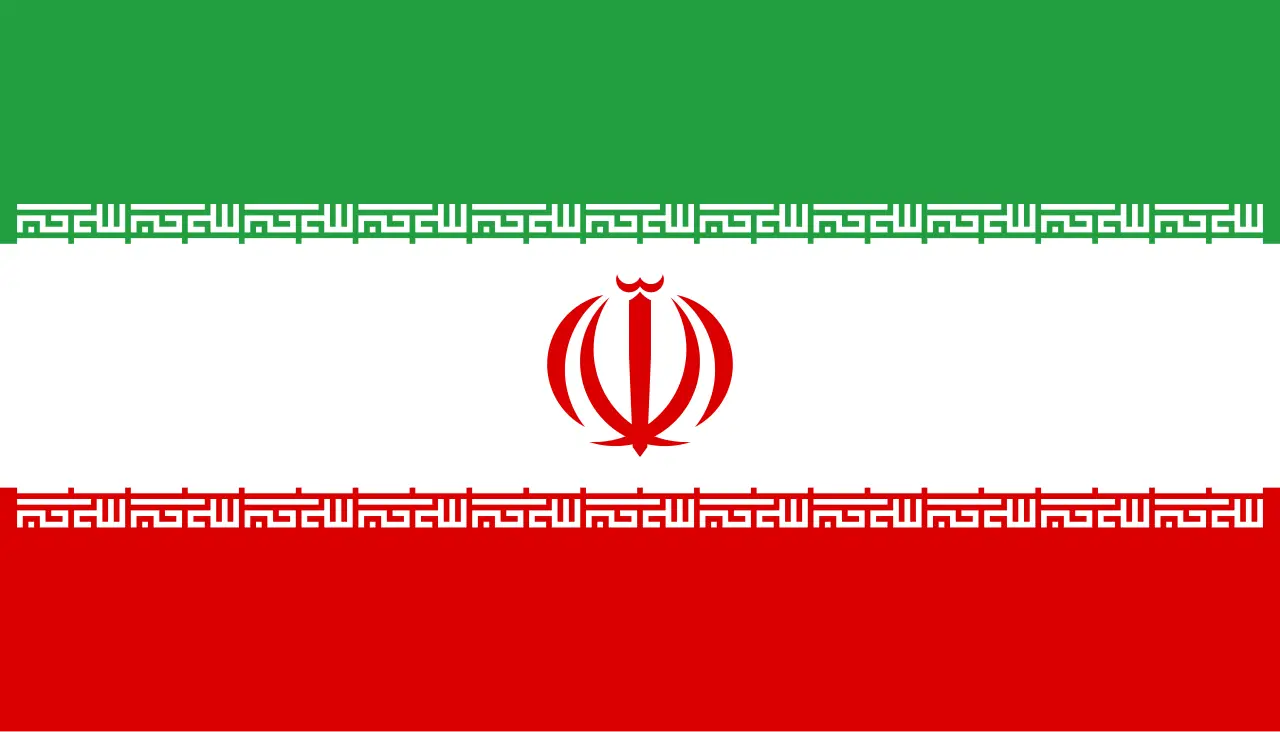
3. Iran
Iran ranks third among Middle Eastern armed forces and 16th globally, with a total population of 88,386,937 and an active military personnel strength of 610,000. Its sizeable forces, combined with an extensive ballistic missile programme, unmanned aerial systems and a strong emphasis on asymmetric warfare, underpin a competitive PowerIndex score. Iran operates a total of 551 aircraft, including 113 fighter jets in readiness and four operational tanker aircraft. On land, it maintains around 1,713 tanks in inventory, while its naval strength comprises 107 assets. Tehran’s military strategy blends conventional forces with paramilitary formations and regional proxy groups, allowing it to project influence well beyond its national borders.
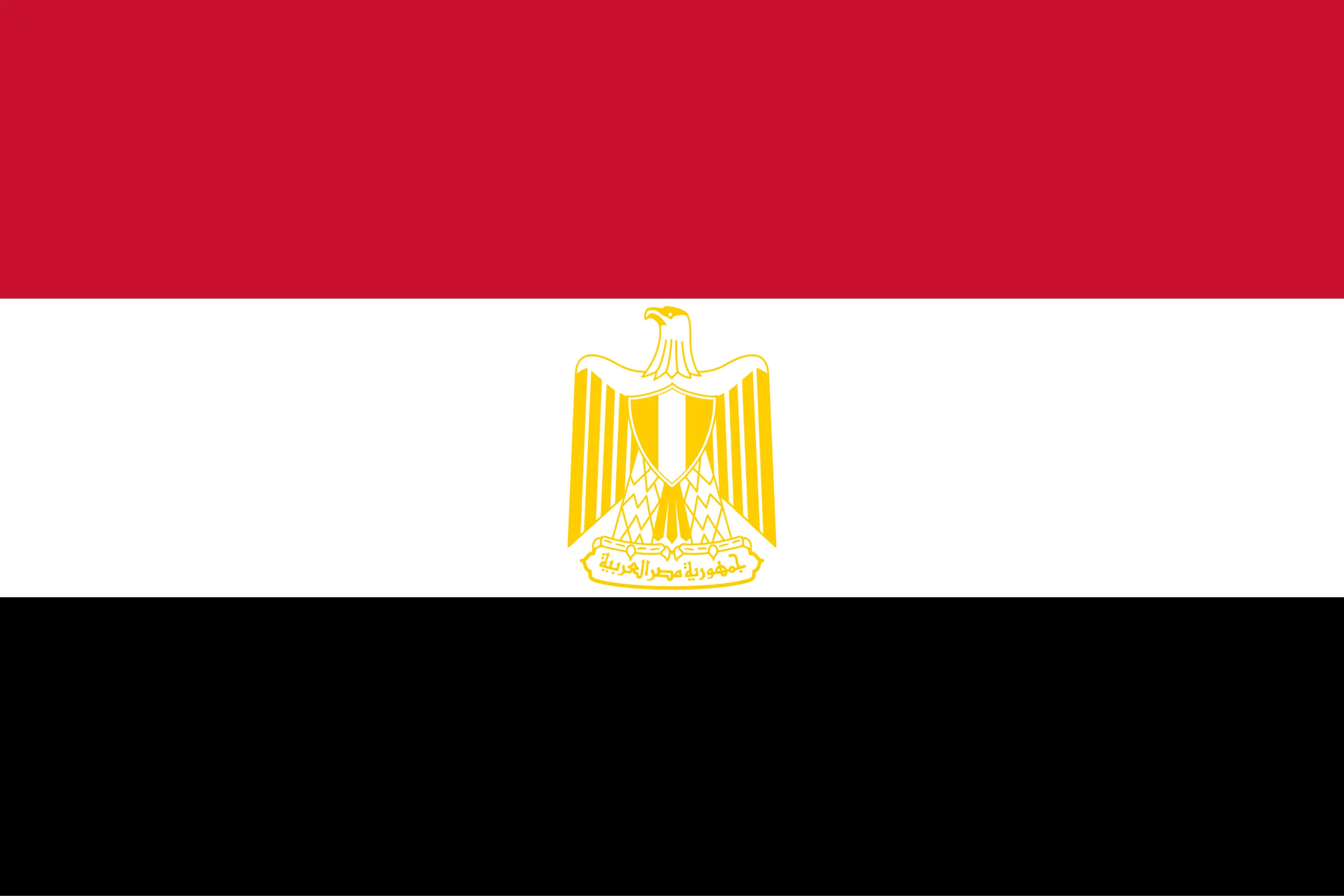
4. Egypt
Egypt ranks fourth in the Middle East and is the highest-ranking Arab state, with a PowerIndex score of 0.3427. It has a total population of 111,247,248 and maintains 440,000 active military personnel. Its air force has 765 aircraft in readiness, while its naval assets total 150.
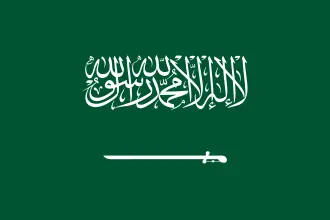
5. Saudi Arabia
Saudi Arabia ranks fifth in the Middle East and 24th globally, with a PowerIndex score of 0.4201. Substantial defence spending has provided Riyadh with advanced air and land systems sourced from Western suppliers, though its overall score is tempered by smaller manpower and geographic constraints compared with the top three regional powers. With a population of 37,544,431, Saudi Arabia maintains 257,000 active military personnel. Its air force operates a total of 917 aircraft, including 198 fighter jets in readiness.
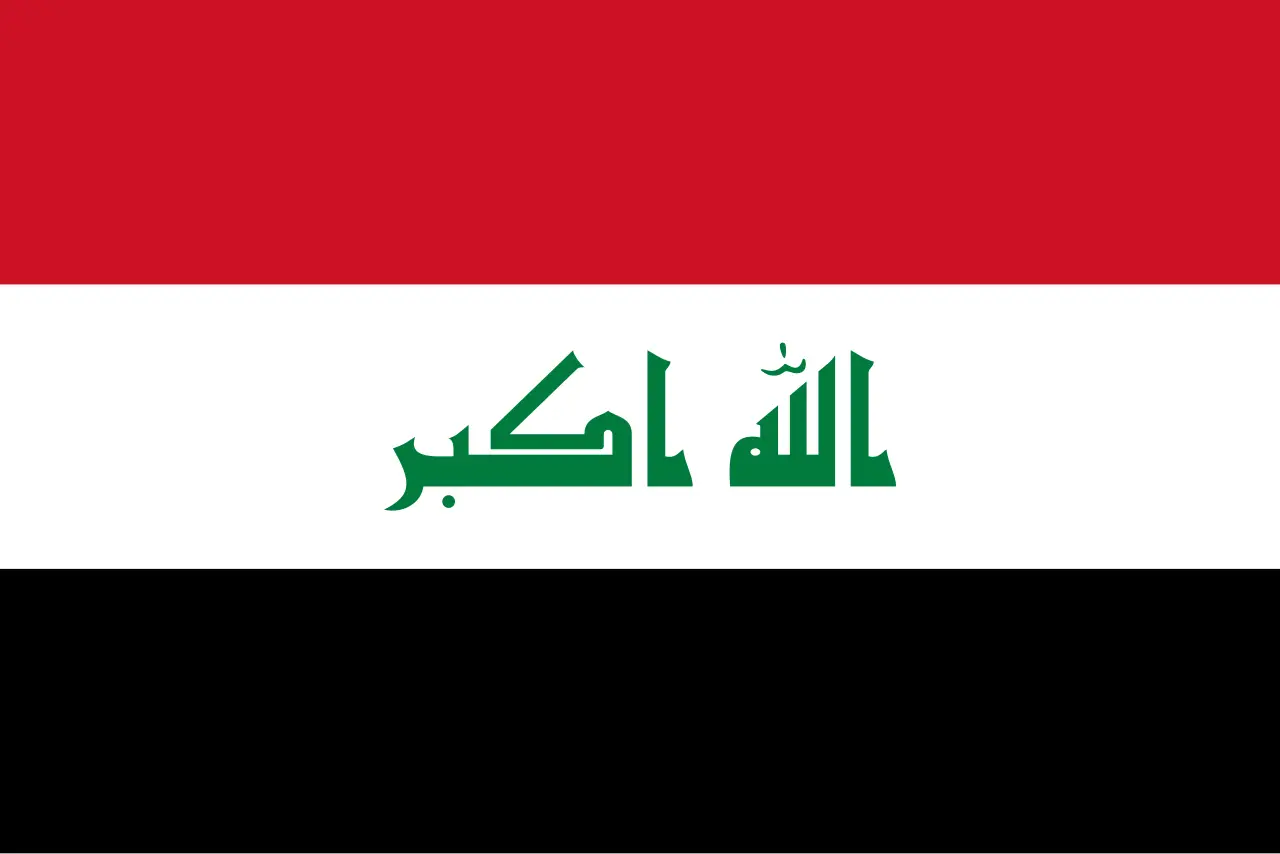
6. Iraq
Iraq ranks sixth in the Middle East and 43rd globally, with a PowerIndex score of 0.7738. It has an available manpower of 17,675,043 and an air force with 254 aircraft in readiness, including 26 fighter jets. Its naval assets total 68. Following years of conflict, Iraq’s armed forces have been modernising, steadily expanding manpower and making incremental improvements in overall military capability.
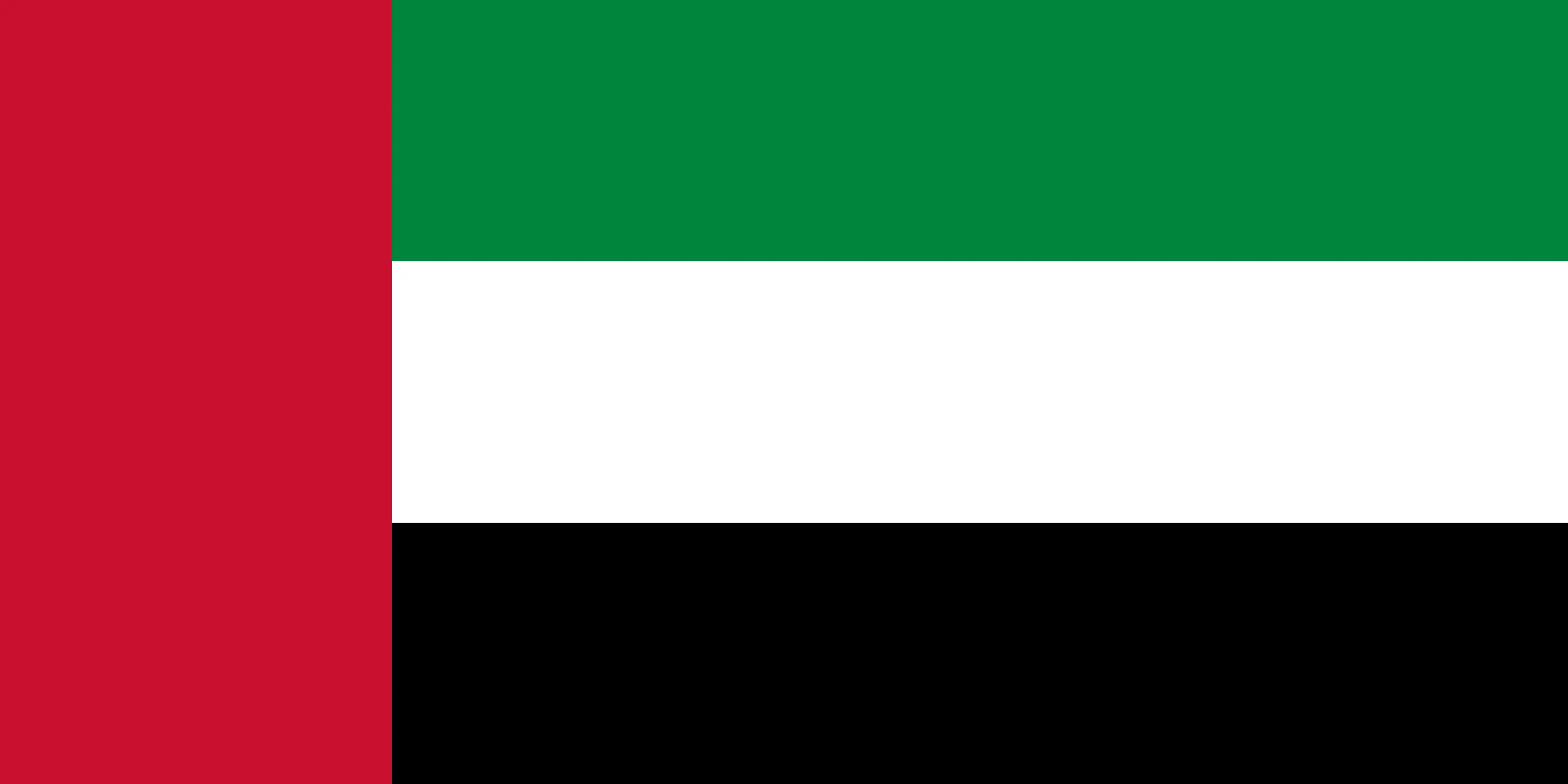
7. UAE
The United Arab Emirates completes the Middle East’s top seven and ranks 54th globally, with a PowerIndex score of 1.0186. It maintains an active personnel strength of 65,000 and fields 551 aircraft, including 59 fighter jets in readiness. While smaller in manpower, the UAE invests heavily in advanced platforms and rigorous training, giving it a solid position relative to its size. Its naval forces comprise 181 assets, supporting regional maritime operations.
)
)
)
)
)