What will it take to make a fighter jet fly on a battery instead of fuel?

The dream of an all-electric fighter jet sounds like something straight out of a sci-fi movie. No deafening roar, no smoke trails, just silent power cutting through the skies. But is this vision of a clean, battery-powered fighter jet even remotely possible?
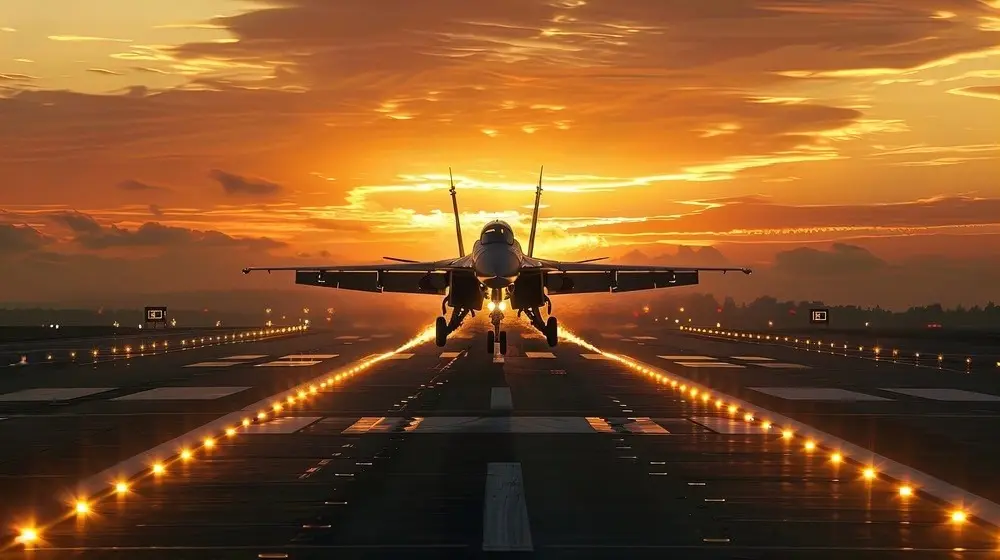
Power Density: Batteries vs. Jet Fuel
Jet fuel like JP-8 packs a serious punch, roughly 43 MJ/kg (megajoules per kilogram). In contrast, the best lithium-ion batteries today deliver around 1 MJ/kg. That’s a 43x difference in energy density! This means to match the energy in a single fuel tank, a fighter jet would need tonnes of batteries, which would drastically increase weight and kill its agility, the opposite of what a fighter needs.
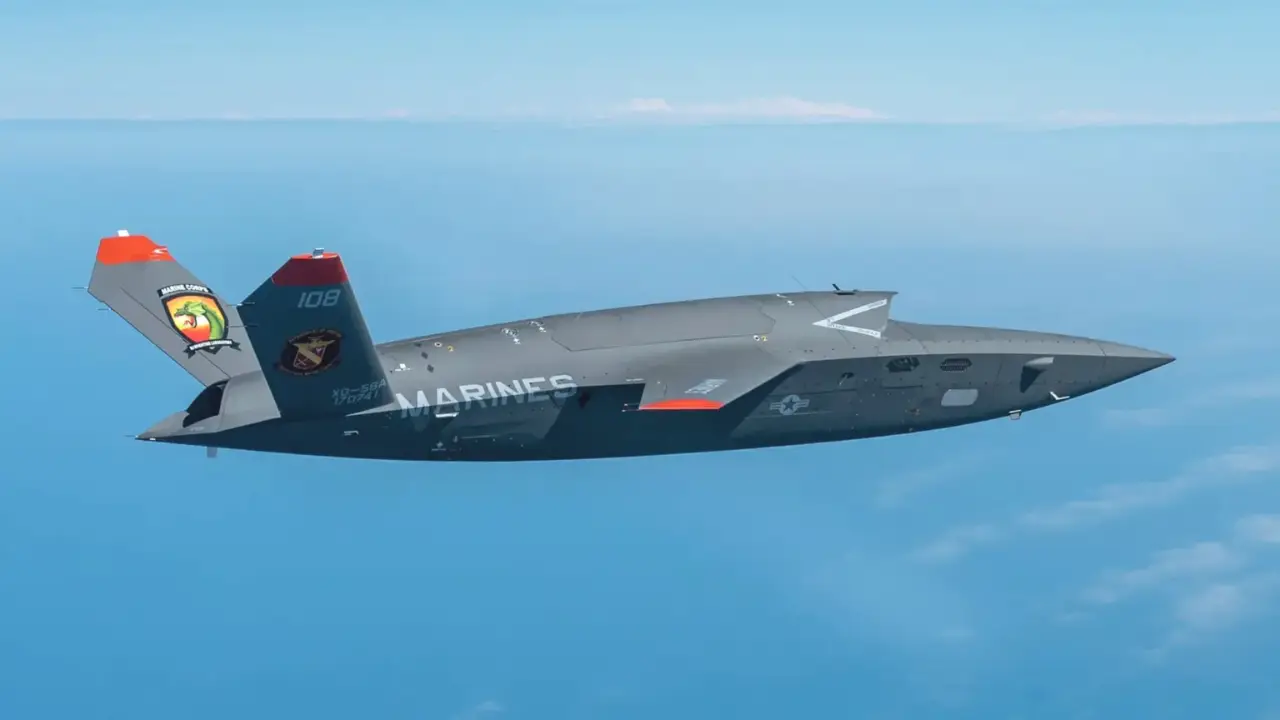
Speed and Thrust: Can Batteries Handle Supersonic Performance?
Fighter jets fly at supersonic speeds and pull extreme g-forces. They need engines that can push them from 0 to Mach 2 in seconds. Electric motors are great at delivering torque, but current battery systems can't supply enough instant power to sustain those speeds over long distances. While electric motors can drive drones and small aircraft, a hypersonic or supersonic combat jet is a different beast entirely.
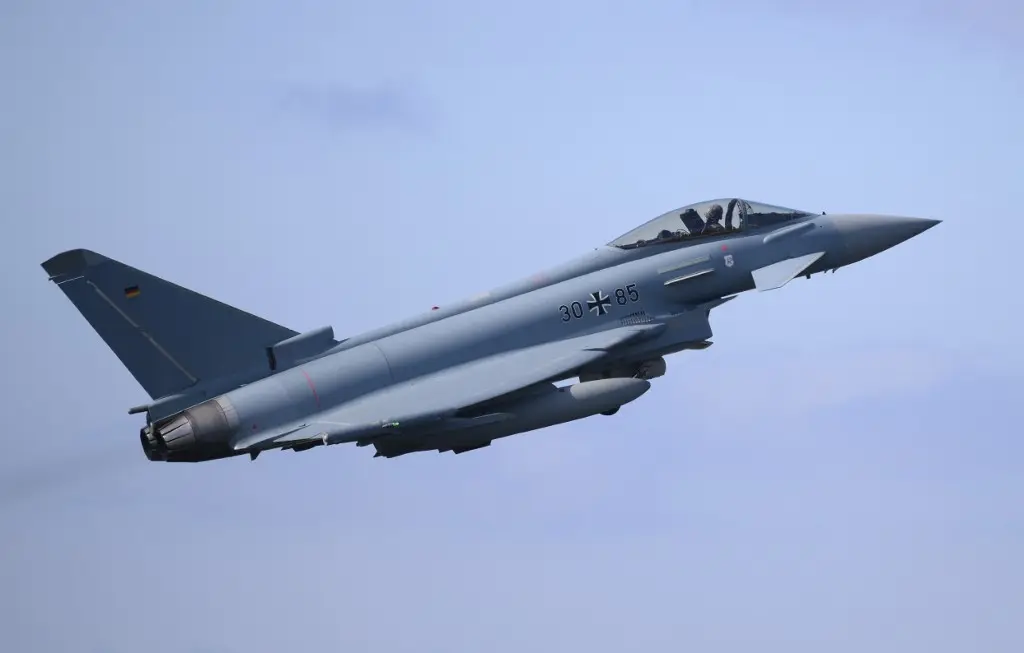
Heat Management and Cooling Systems
Battery systems produce intense heat, especially under combat-level stress. Fighter jets already have to manage heat from engines, electronics, and avionics, adding high-load batteries would introduce a new set of thermal management challenges, including risk of thermal runaway or fire.
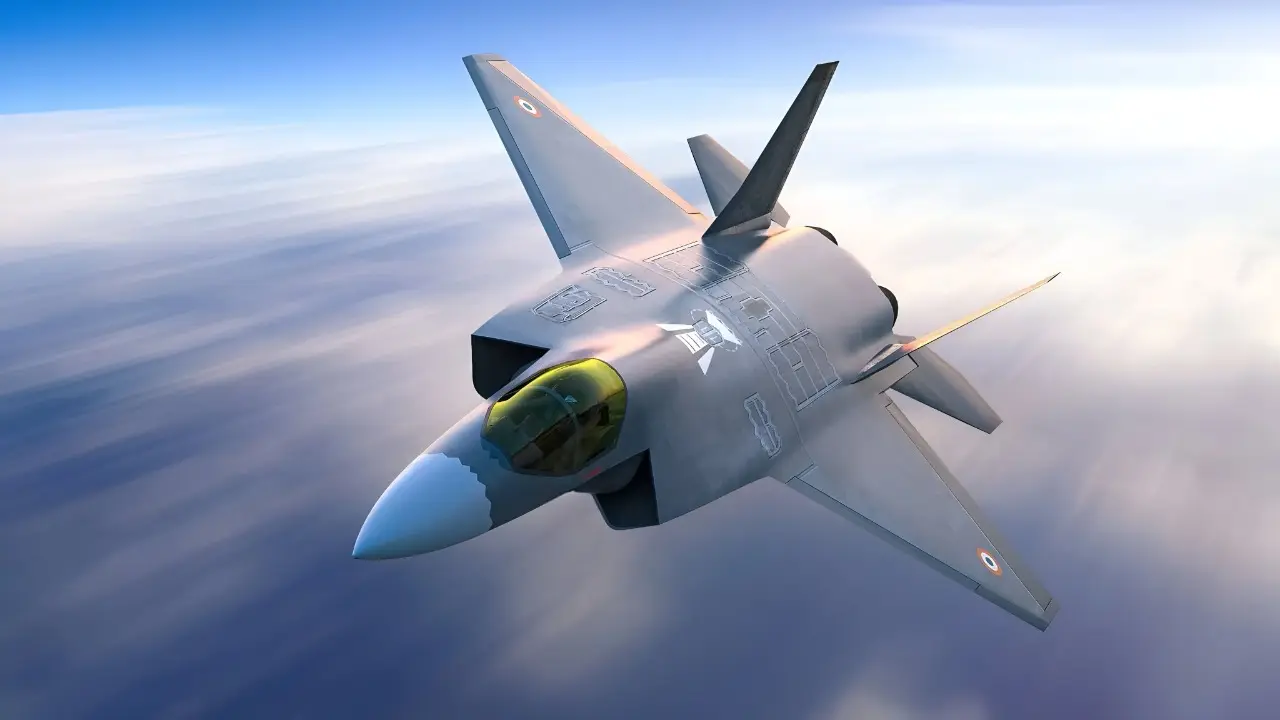
Charging and Infrastructure
Unlike topping off with jet fuel in minutes, charging a massive fighter jet battery could take hours, unless there's a revolutionary leap in superfast charging or battery swap tech. That’s a huge tactical disadvantage in combat or rapid deployment scenarios. Forward airbases would need an entire new electric infrastructure, far beyond anything currently in place.
Stealth and Design Challenges
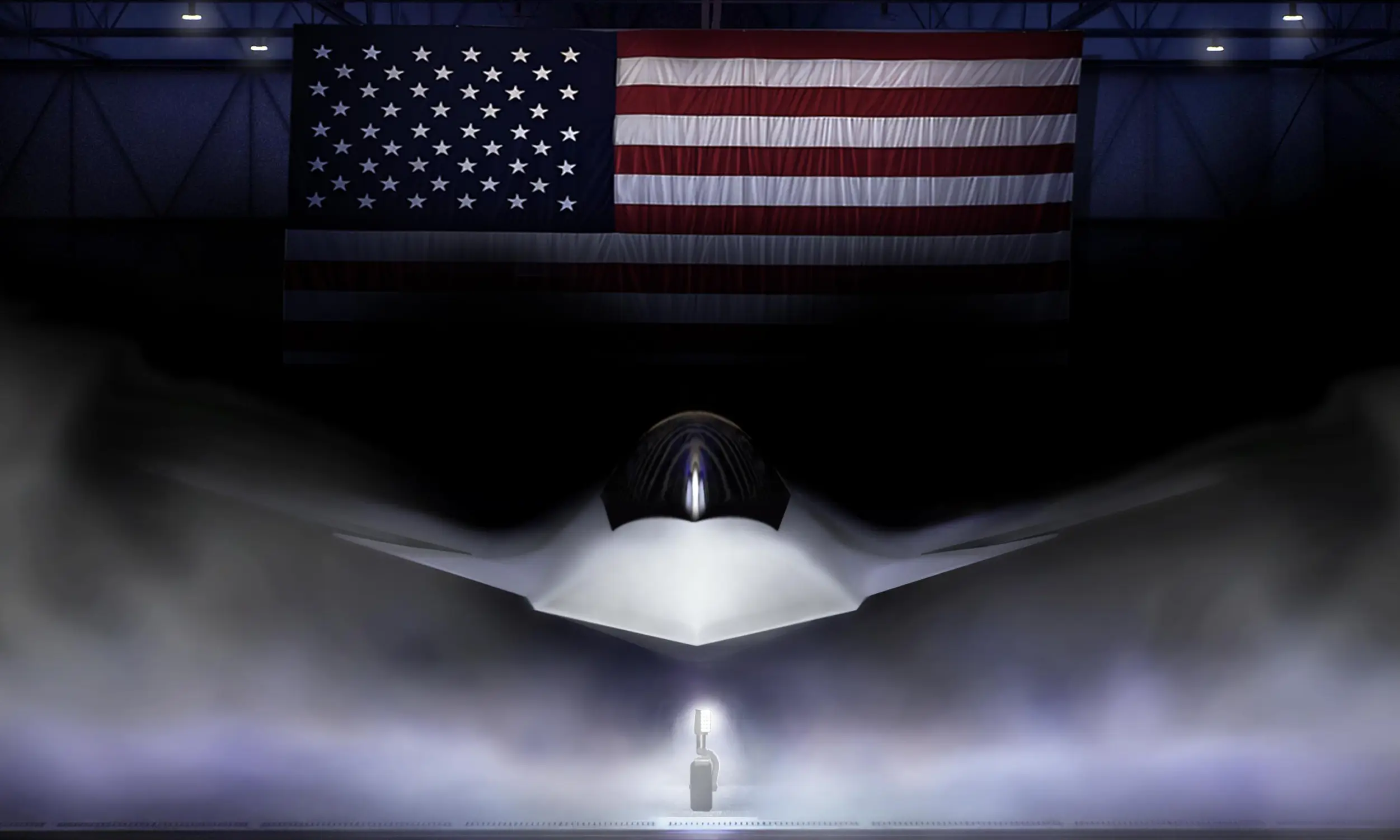
Current stealth fighter designs are built around compact, fuel-based propulsion systems. Electric batteries are bulky and would likely require major airframe redesigns, affecting radar cross-section and flight characteristics. Designers would have to rethink everything, from wing shape to internal cooling layouts.
The Hybrid Possibility
One realistic near-future solution could be hybrid propulsion, combining electric motors for certain phases of flight (like taxiing or stealth approach) and traditional jet engines for supersonic speed and dogfights. This could help reduce fuel use and emissions while retaining combat power.
Timeline? Maybe 2050+
With the current rate of battery and energy research, fully electric fighter jets may not become viable until mid-to-late 21st century, unless a breakthrough like solid-state batteries, nuclear batteries, or wireless airborne charging disrupts the entire energy game.
Conclusion
For now, battery-powered fighter jets are more of a concept than a near-future project. The energy density, weight, heat, and performance challenges are simply too big. But with rapid advancements in materials science, battery tech, and AI-driven design, who knows? The silent sky warrior may one day take flight.
)
)
)
)
)