What was US Air Force’s 'A-10 Warthog' and why is America retiring it now?

The A-10 became iconic for its low-altitude attack runs and was widely used in Iraq and Afghanistan. Ground troops loved it for its precision and ability to loiter in combat zones, offering direct support when needed most.
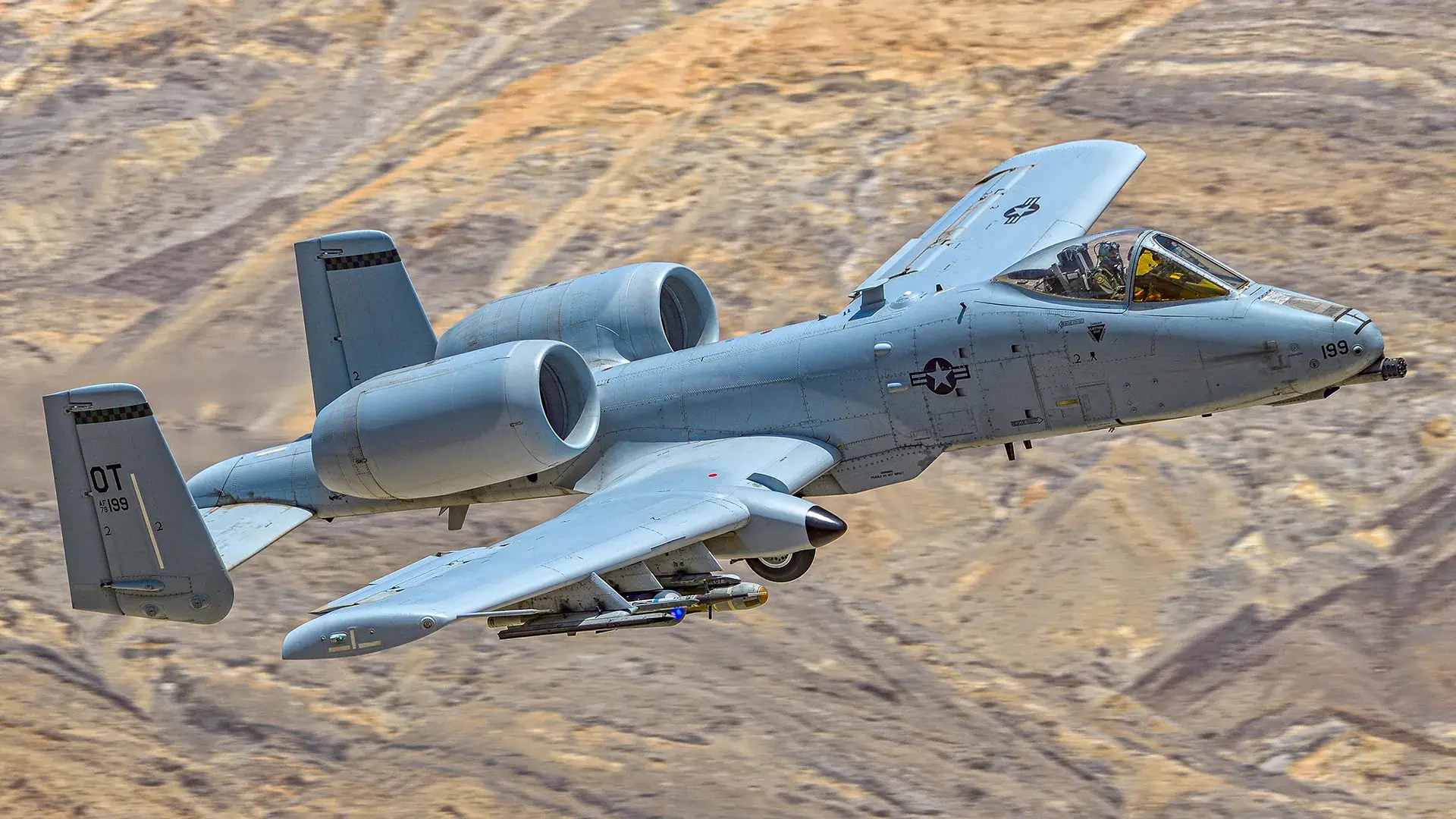
A-10 Warthog: The Tank Killer
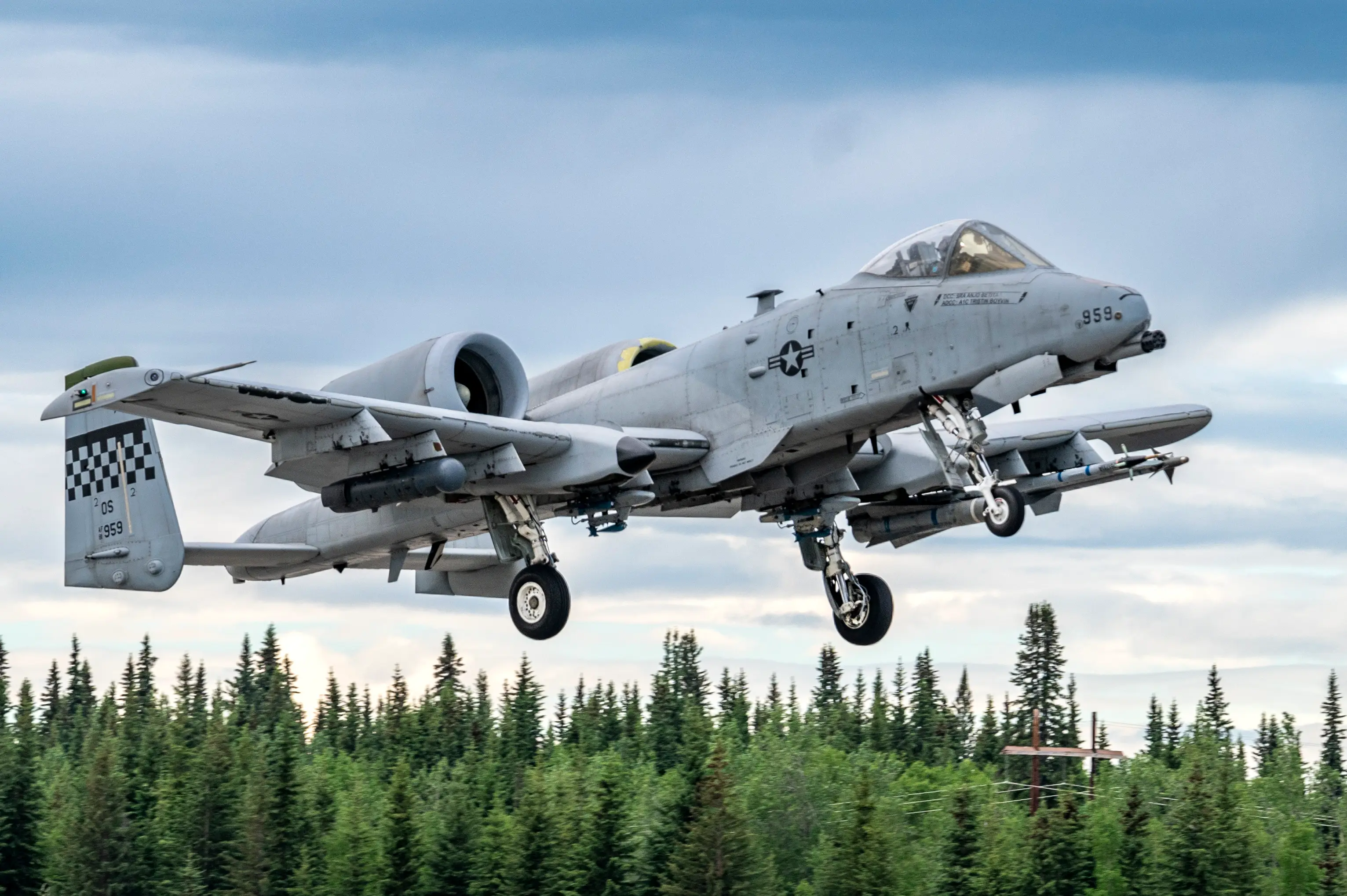
Introduced in the 1970s, the A-10 Thunderbolt II, nicknamed the “Warthog” was designed for close-air support. Known for its durability and the powerful GAU-8 Avenger cannon, it could destroy tanks, operate from short runways, and take heavy damage while still flying.
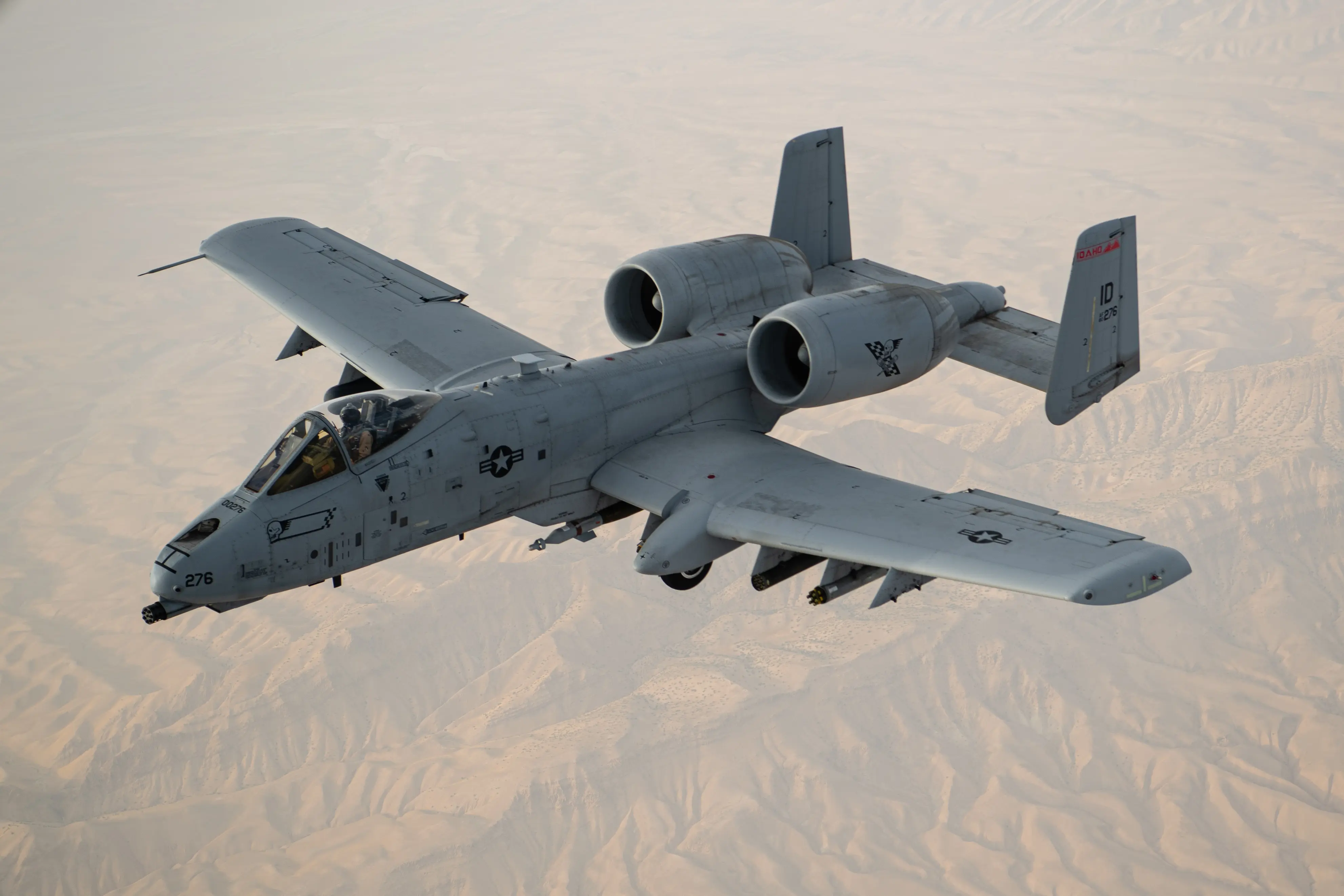
A Beloved Beast on the Battlefield
The A-10 became iconic for its low-altitude attack runs and was widely used in Iraq and Afghanistan. Ground troops loved it for its precision and ability to loiter in combat zones, offering direct support when needed most.
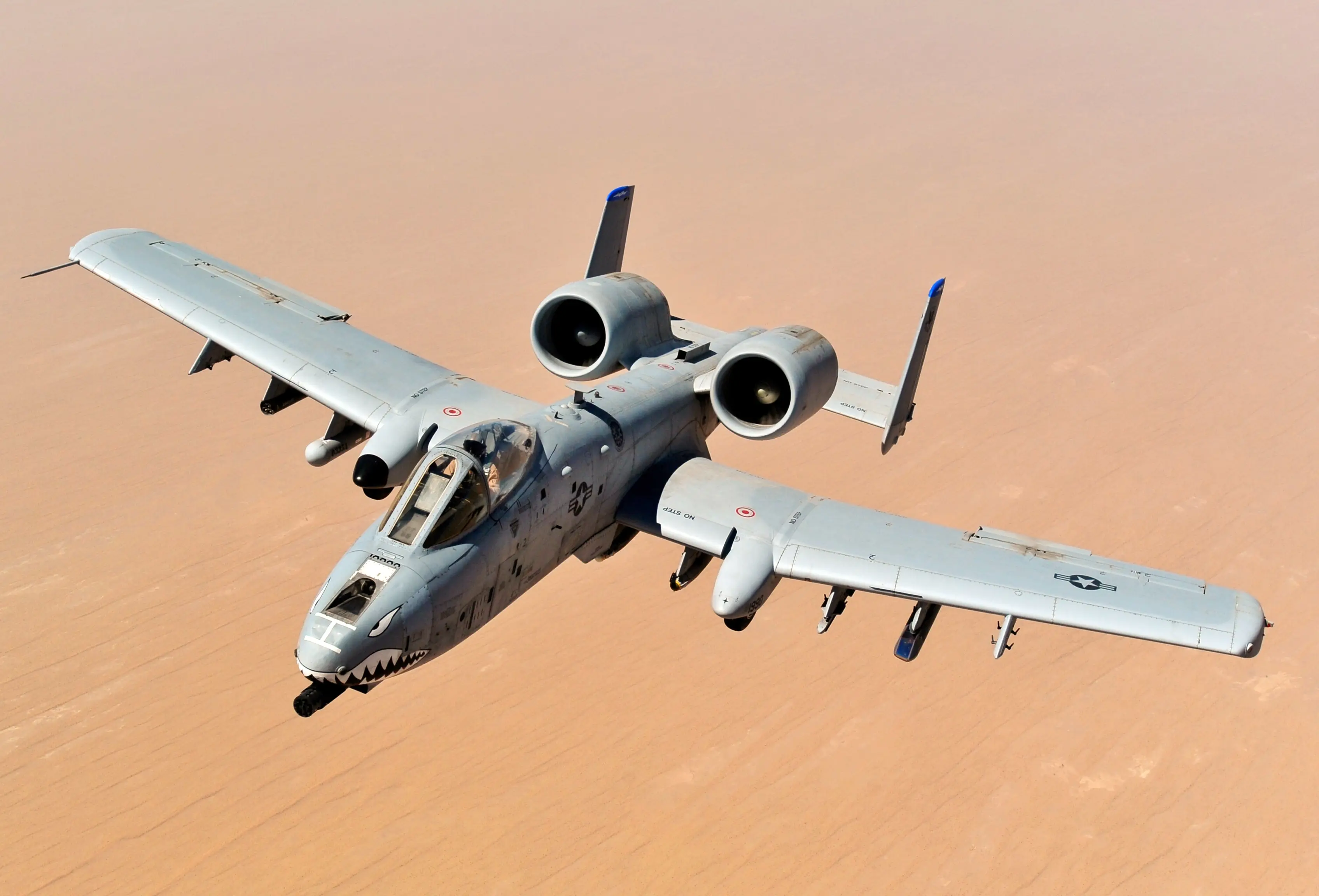
Why Is It Being Retired Now?
The Air Force says the A-10 can’t survive modern "contested environments" where advanced air defences exist. In conflicts with high-tech rivals like China or Russia, the Warthog would be too slow and vulnerable.
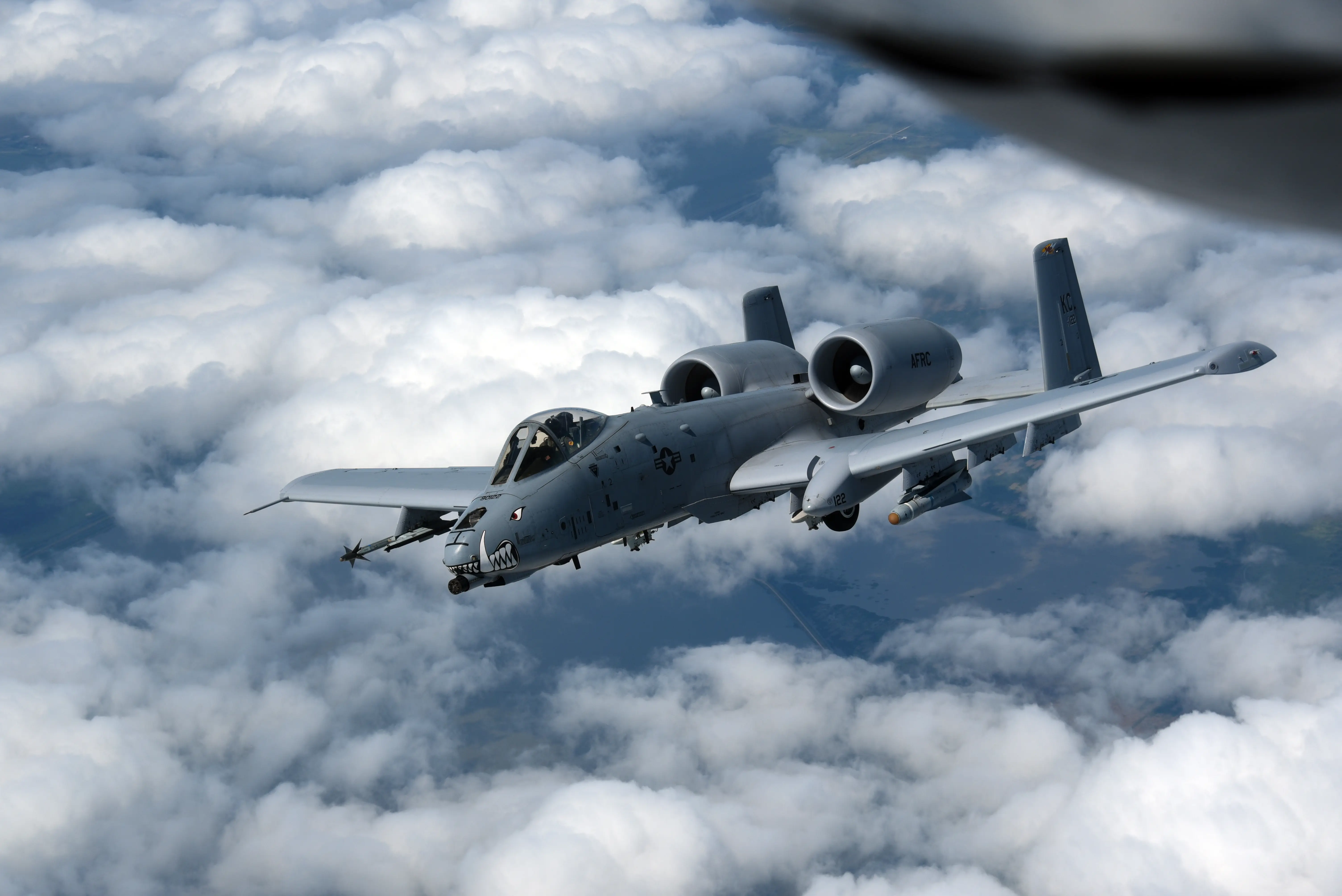
The Official Deadline
Under the 2026 budget proposal, the Air Force will retire all 218 A-10s by September 2026. This marks the final phase in a long-debated process, with the jet already phased out of several units in recent years.
Not Just the A-10: Other Cuts Too
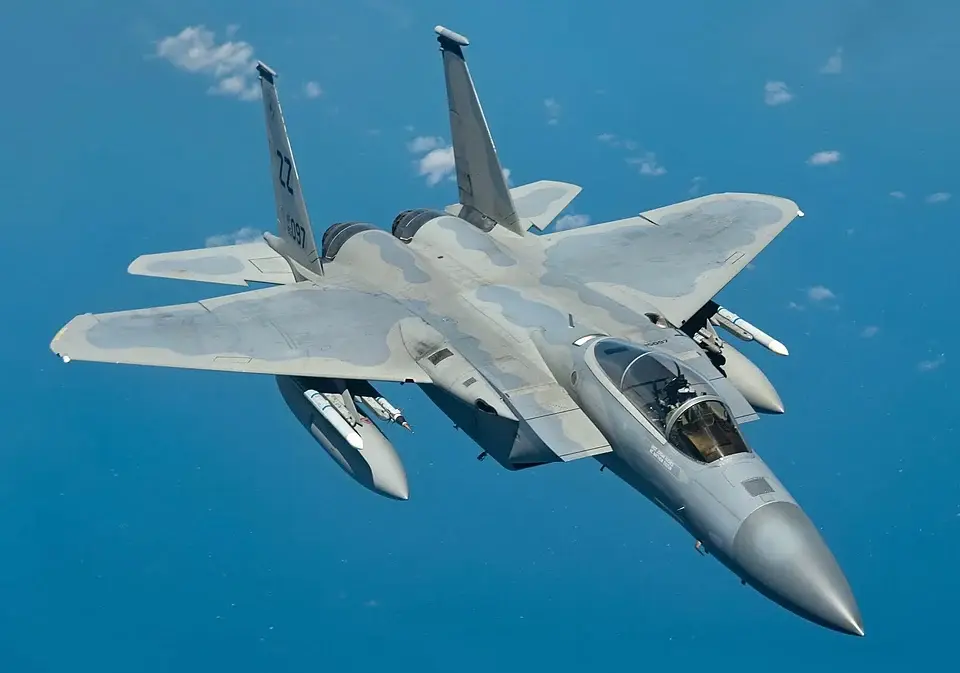
The retirement is part of a broader plan to eliminate over 250 older aircraft, including:
- 56 F-15C/D fighters
- 65 F-15E Strike Eagles
- 26 KC-135 tankers
The goal? Free up funds for next-generation systems.
What’s Replacing the A-10?
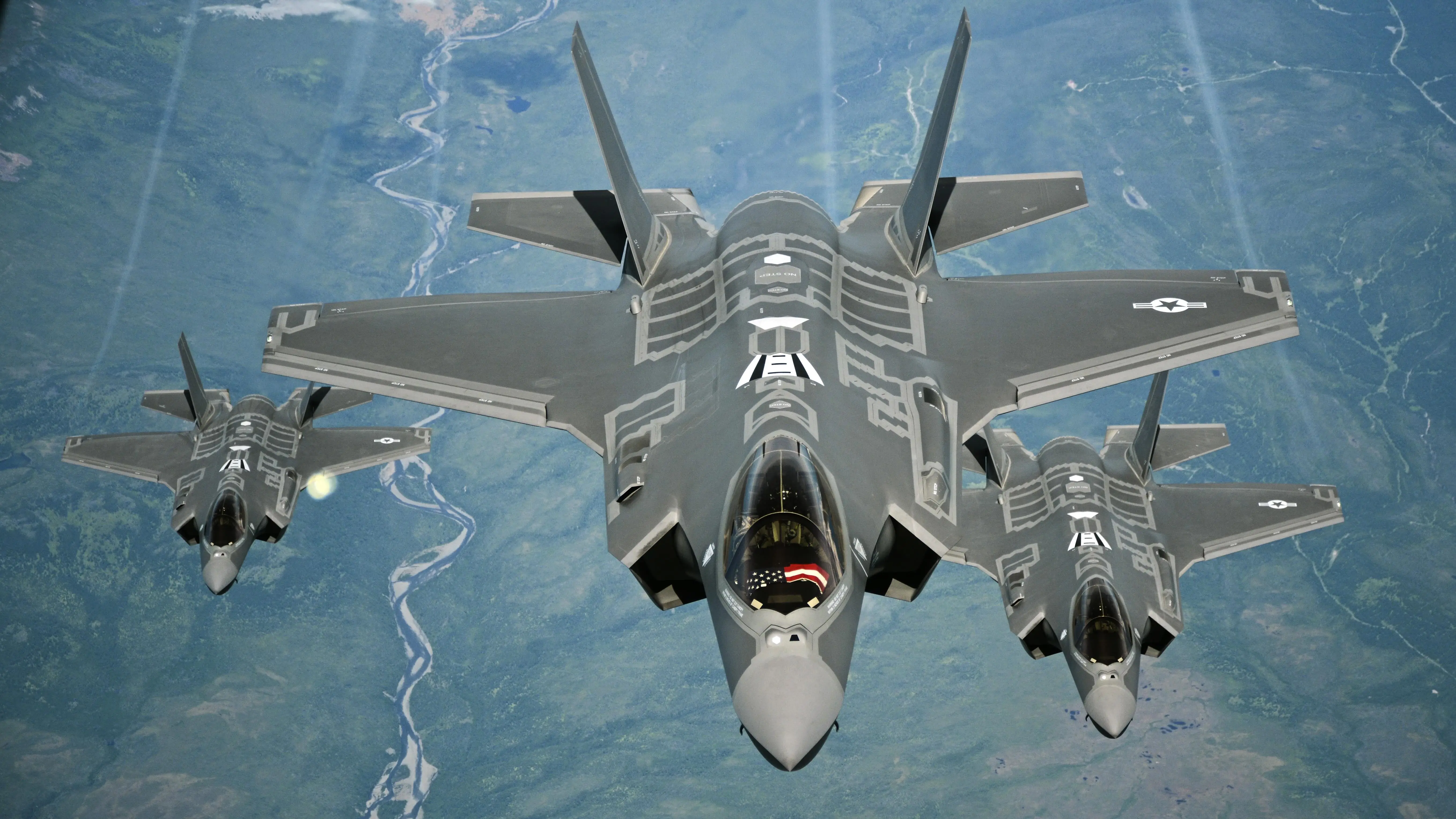
The Air Force plans to rely on:
- F-35 Lightning II for multi-role missions
- B-21 Raider for long-range stealth bombing
- NGAD Fighter and drones for future air superiority
A Legacy That Won’t Be Forgotten
Though it's retiring, the A-10’s legacy endures. Known for its iconic “BRRRRT” cannon sound and reliability in war zones, the Warthog leaves behind decades of unmatched battlefield support—and a place in aviation history.
)
)
)
)
)