What scientists hope to learn from 3I/ATLAS’s outbound journey

Scientists track comet 3I/ATLAS to learn about its rare interstellar materials, changing activity, and rapid outbound path. Observatories and spacecraft study its journey to prepare for future cosmic visitors.
A Chance to Study Interstellar Material
3I/ATLAS comes from outside our solar system, carrying the oldest cosmic dust and ice ever studied, estimated at over seven billion years old. Its materials are clues to the formation of stars and planets far beyond Earth’s neighborhood.
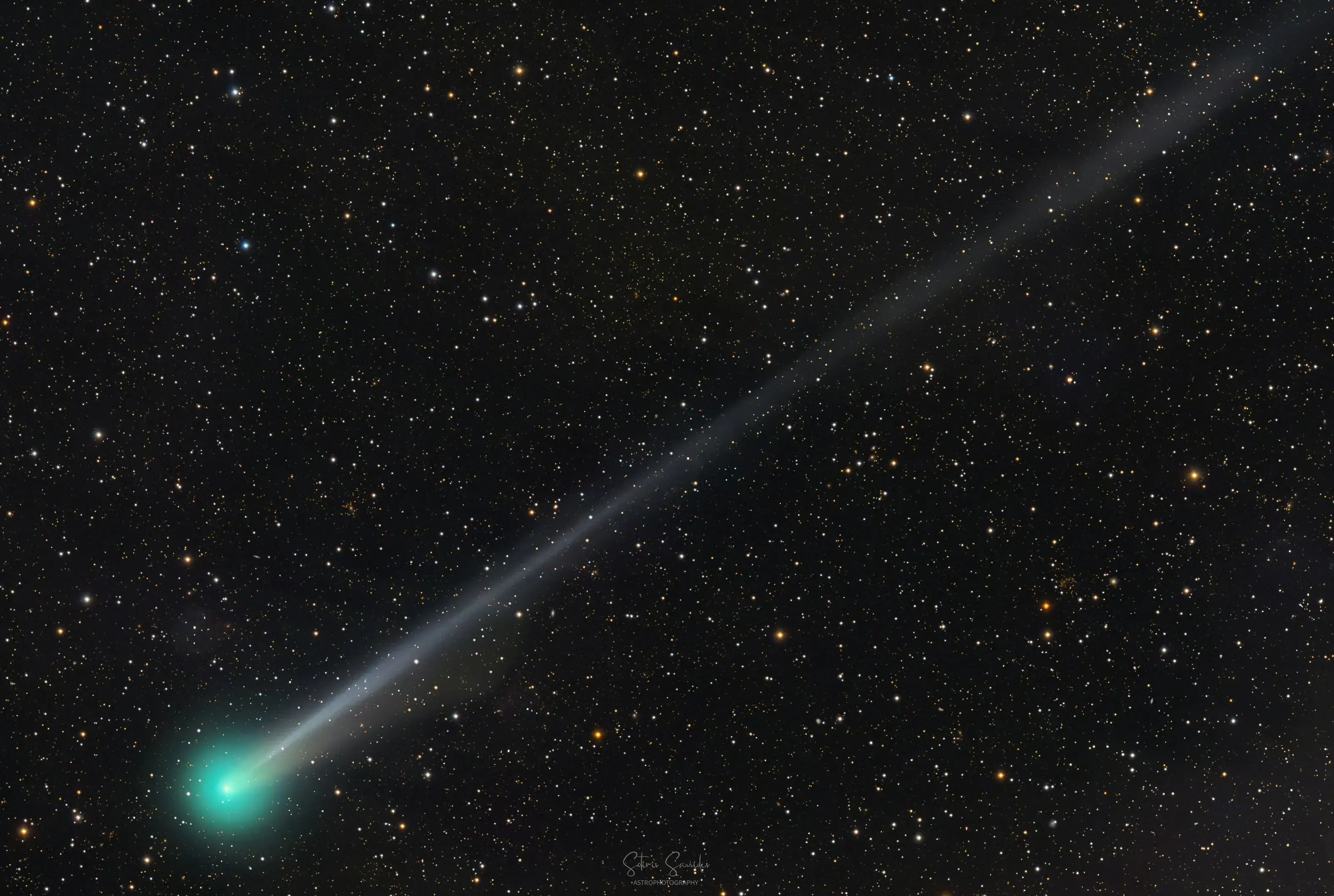
The Outbound Trajectory
Unlike comets bound by the Sun’s gravity, 3I/ATLAS moves faster and follows a hyperbolic path. After perihelion (closest point to the Sun), it will speed away, with scientists tracking its path using telescopes and space probes to understand its orbit better.
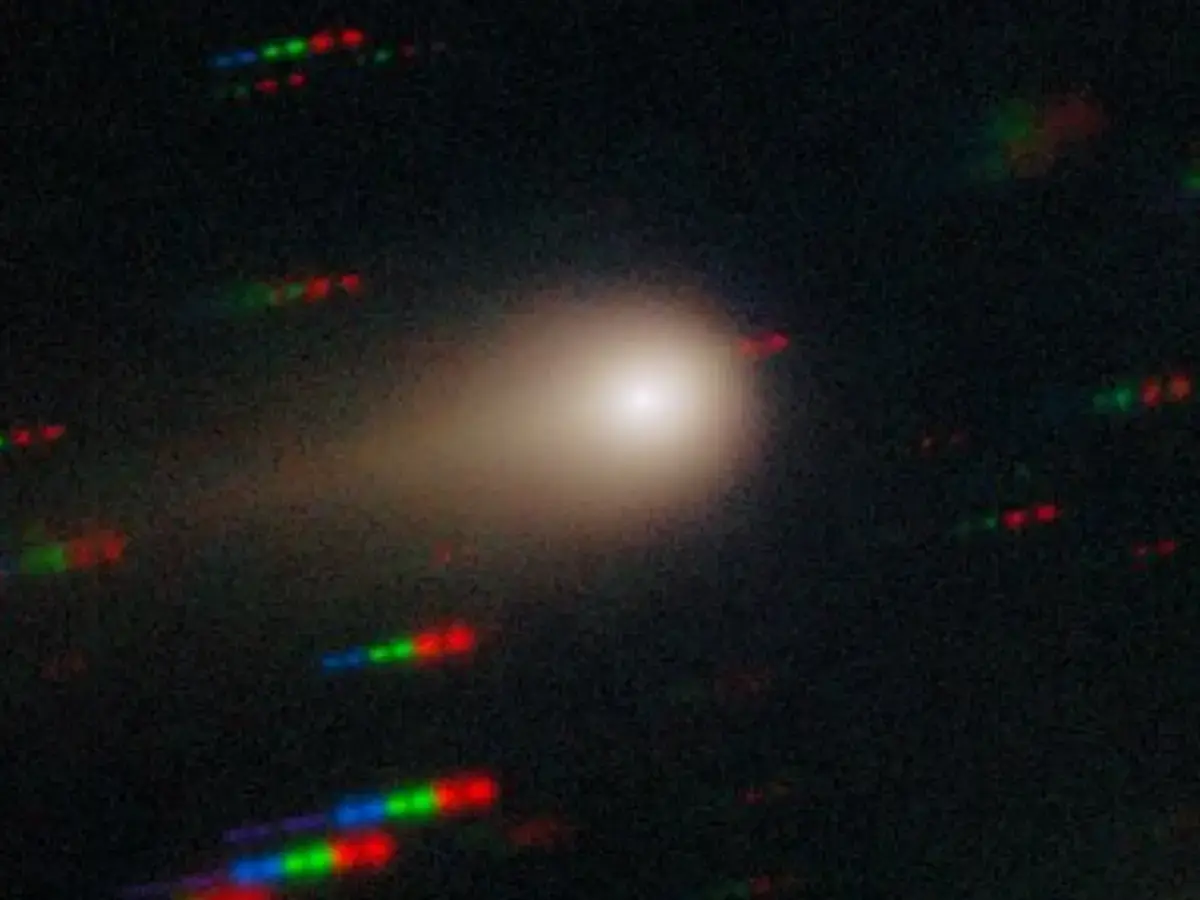
Chemical and Physical Changes
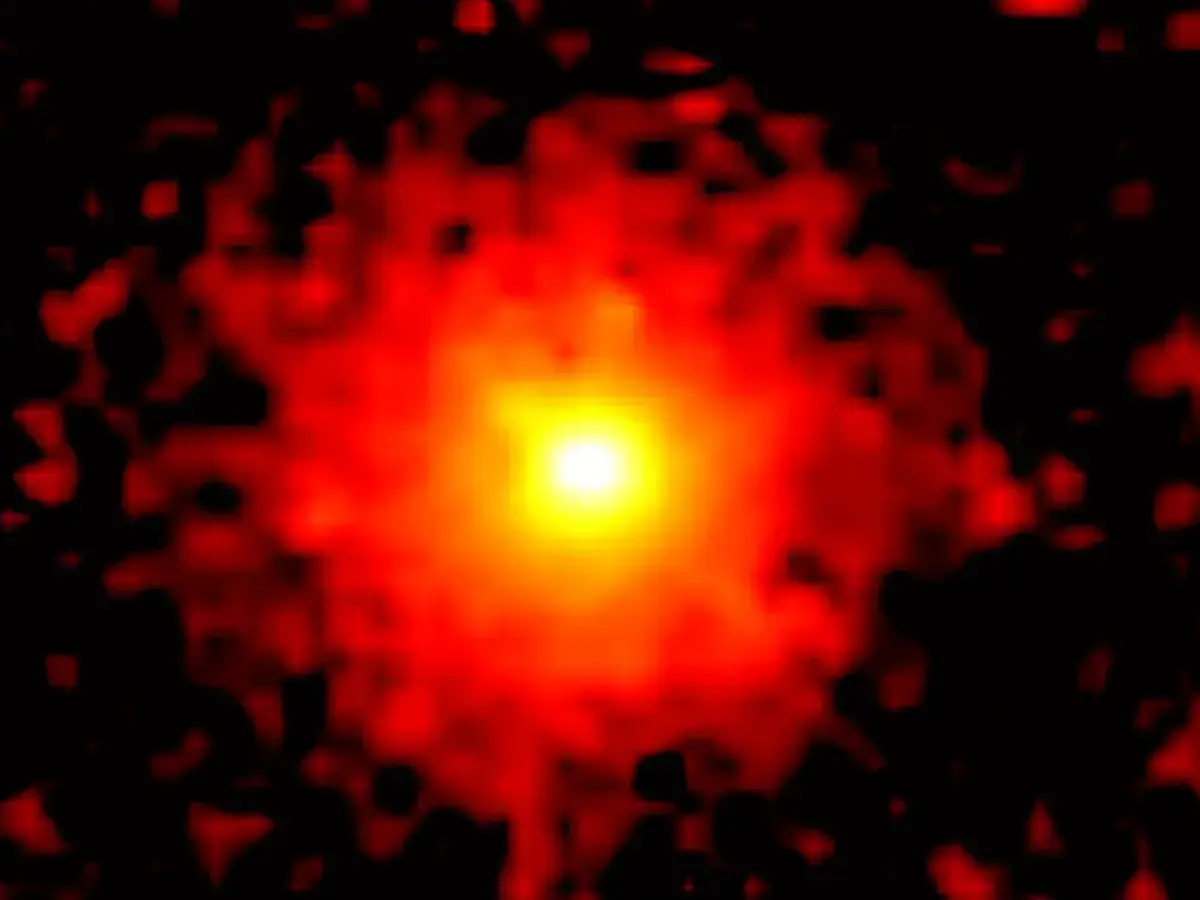
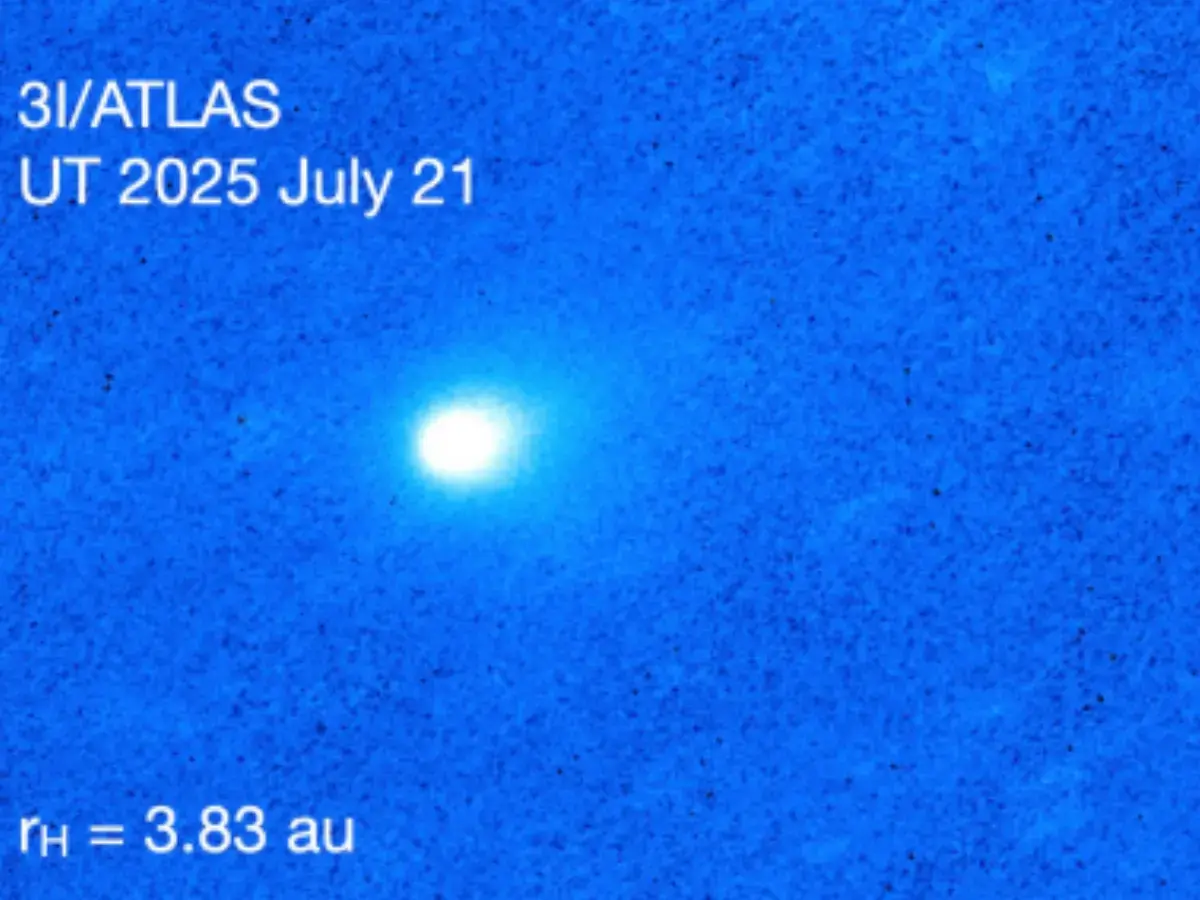
As 3I/ATLAS heats up near the Sun, its icy surface evaporates, forming a coma and tail. Scientists aim to observe how its composition and activity change during and after perihelion. These changes reveal how interstellar comets respond to solar radiation compared to local comets.
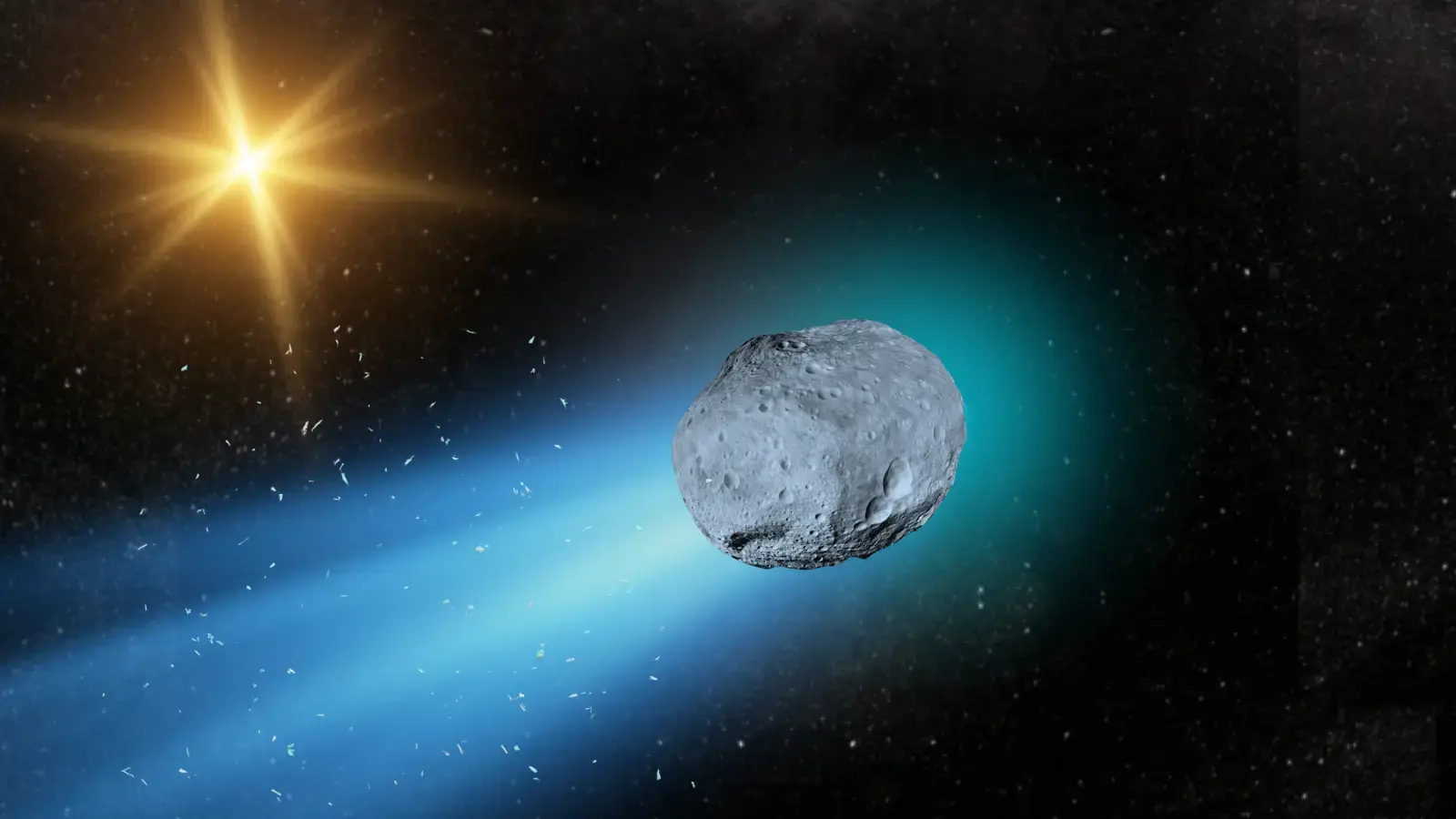
Clues from Outgassing and Spin
Scientists study the comet’s jets the gas and dust that stream out as they affect the comet’s spin and trajectory. Analysing these effects helps determine the comet’s mass, structure, and surface properties, deepening our understanding of interstellar objects.
Observatories and Space Missions
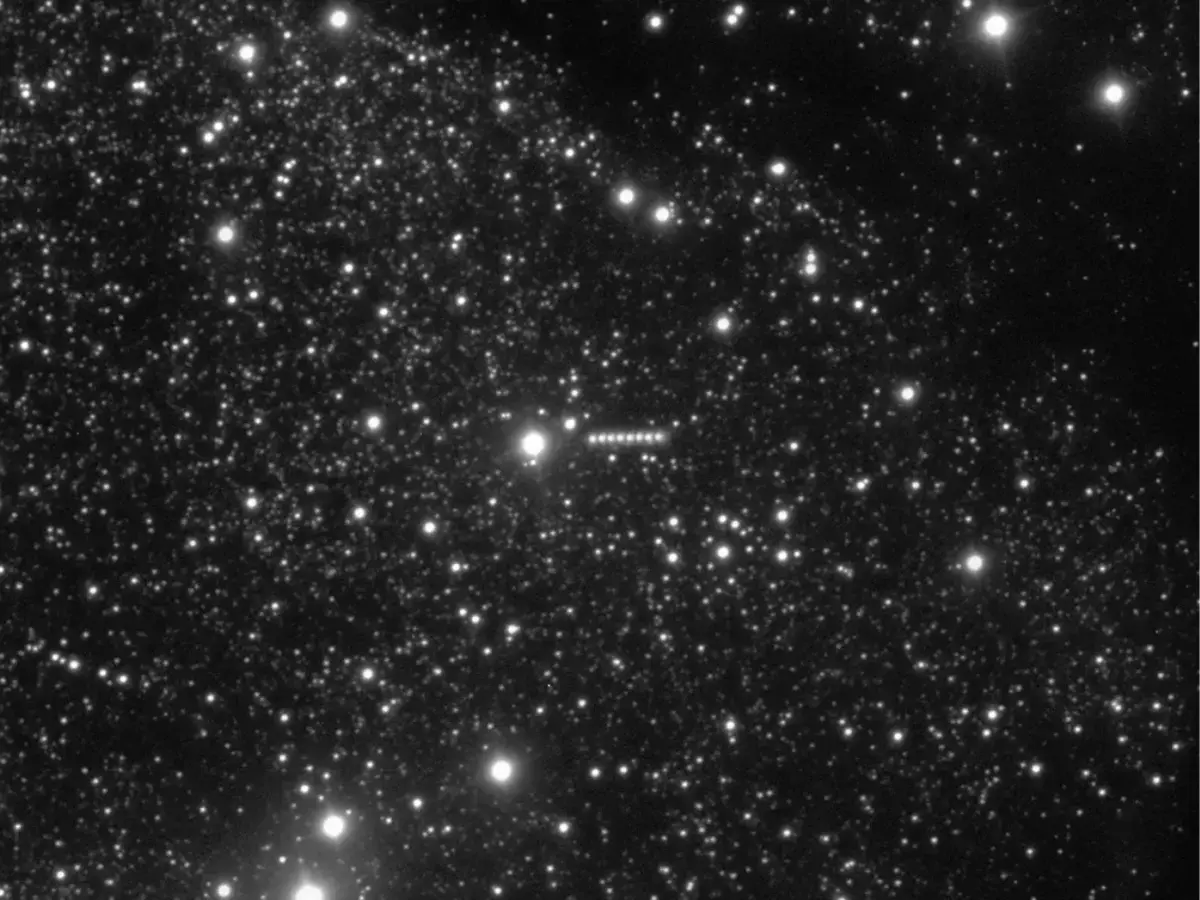
ATLAS, Hubble, Webb, ESA’s Mars Express, and Mars Trace Gas Orbiter all watch 3I/ATLAS as it passes close to planets and the Sun. Data from these telescopes provides insights into the comet’s brightness, size, and chemical makeup during its escape beyond the solar system.
Preparing for Future Interstellar Visitors
By monitoring 3I/ATLAS, scientists improve models for tracking future interstellar objects that could pose threats or scientific opportunities. Real-time data sharing and advanced algorithms allow better prediction of paths and behaviour for planetary defence.
New Discoveries Await
Every new observation of 3I/ATLAS might reveal surprises complex chemistry, unusual jet patterns, or even artificial signals. The comet’s exit will reshape our knowledge about interstellar matter and prepare us for future space explorers.
)
)
)
)
)