What really happens when an F-15E pilot ejects mid-air

Ejecting from an F-15E takes just two seconds. Pilots face up to 20 Gs and severe windblast as the ACES II rocket seat blasts them clear. Automated parachutes, leg restraints, and GPS rescue beacons ensure they survive this violent escape.
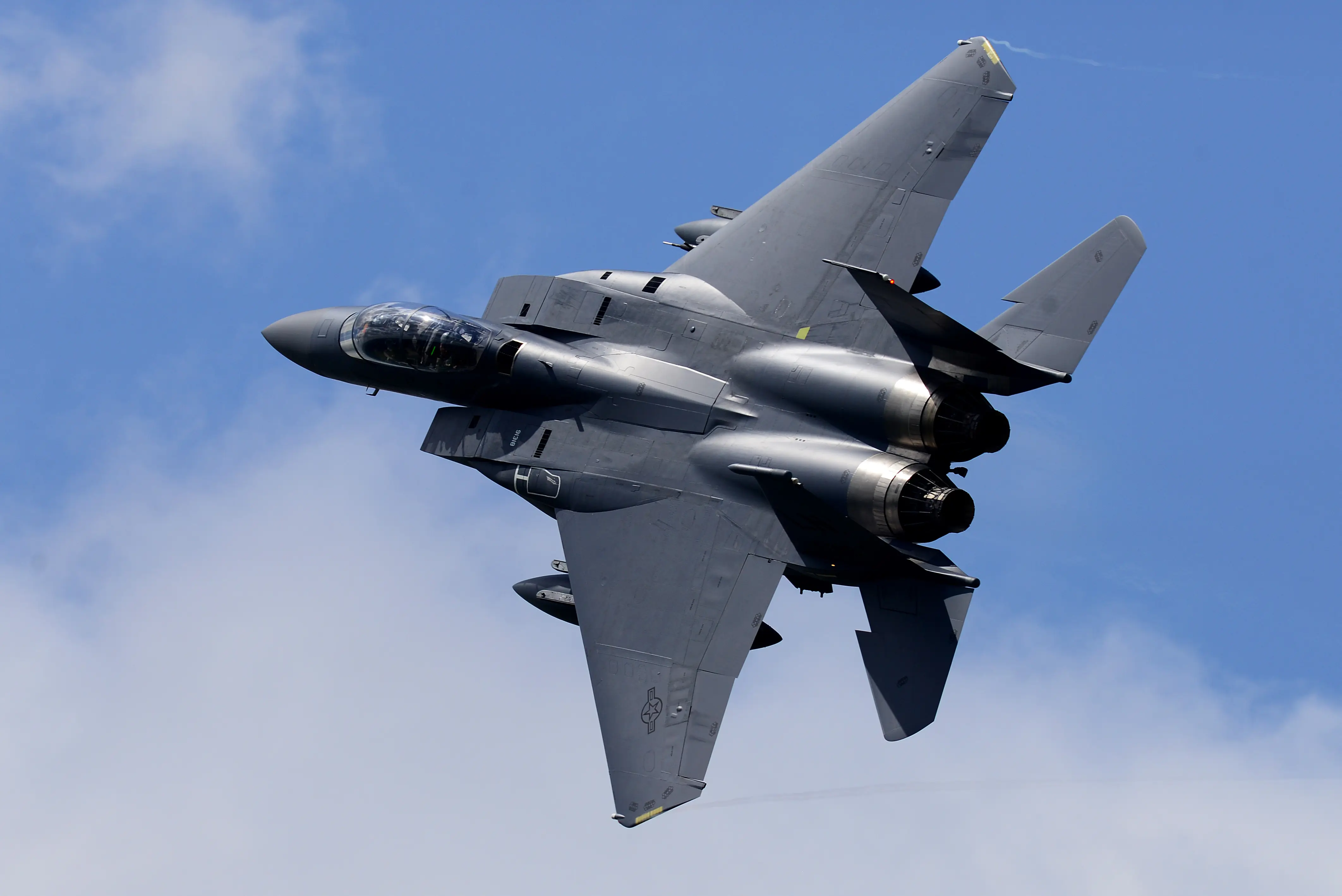
The ACES II Trigger
When the pilot pulls the ejection handle, explosive charges instantly blow off the massive F-15E canopy. Within 0.15 seconds, the Advanced Concept Ejection Seat (ACES II) rockets out of the cockpit. The sequence is fully automated, preventing the pilot and Weapons System Officer from colliding mid-air.
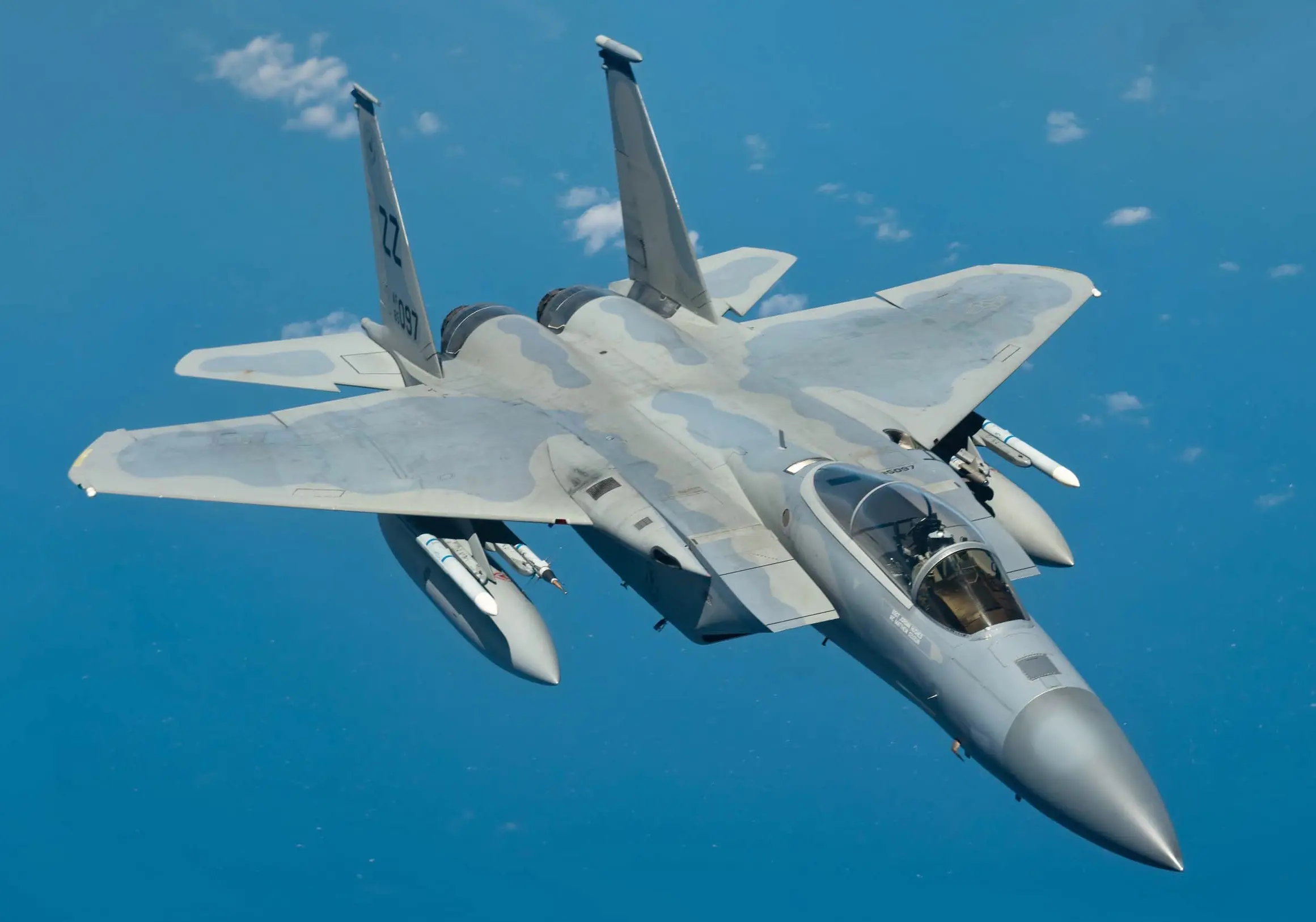
Surviving 20 G-Forces
The solid-propellant rocket motor propels the heavy seat upwards at terrifying speed. The aviator experiences a crushing force of up to 20 Gs, effectively increasing their body weight to roughly 1,800 kilogrammes for a fraction of a second. This extreme acceleration frequently causes spinal compression fractures.
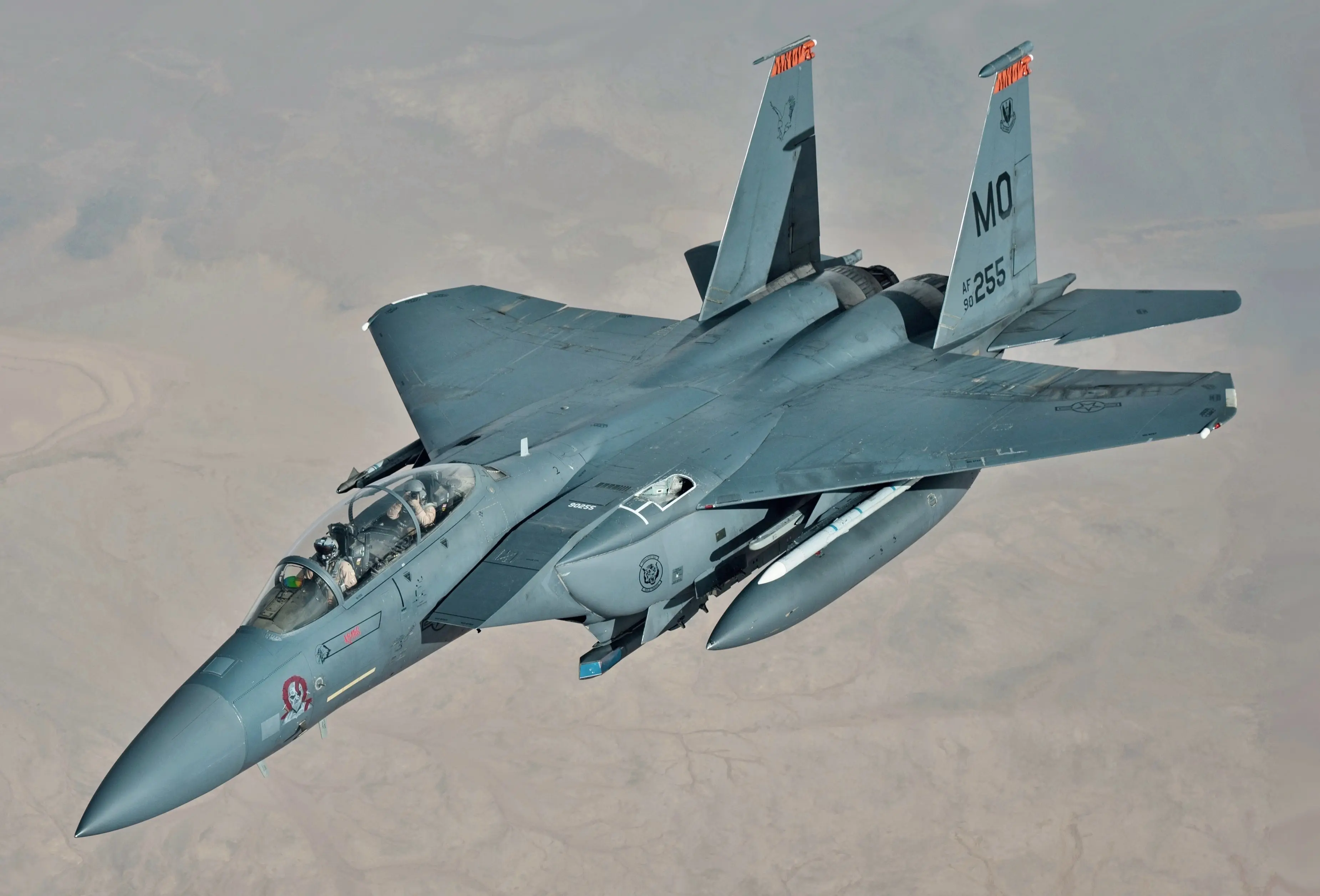
Beating the Windblast
Ejecting at speeds exceeding 600 miles per hour subjects the human body to a devastating wall of kinetic air pressure. To prevent catastrophic limb flailing, automated leg restraints instantly snap the pilot's legs securely against the seat. Meanwhile, the pilot's helmet and oxygen mask shield their face from fatal windblast trauma.
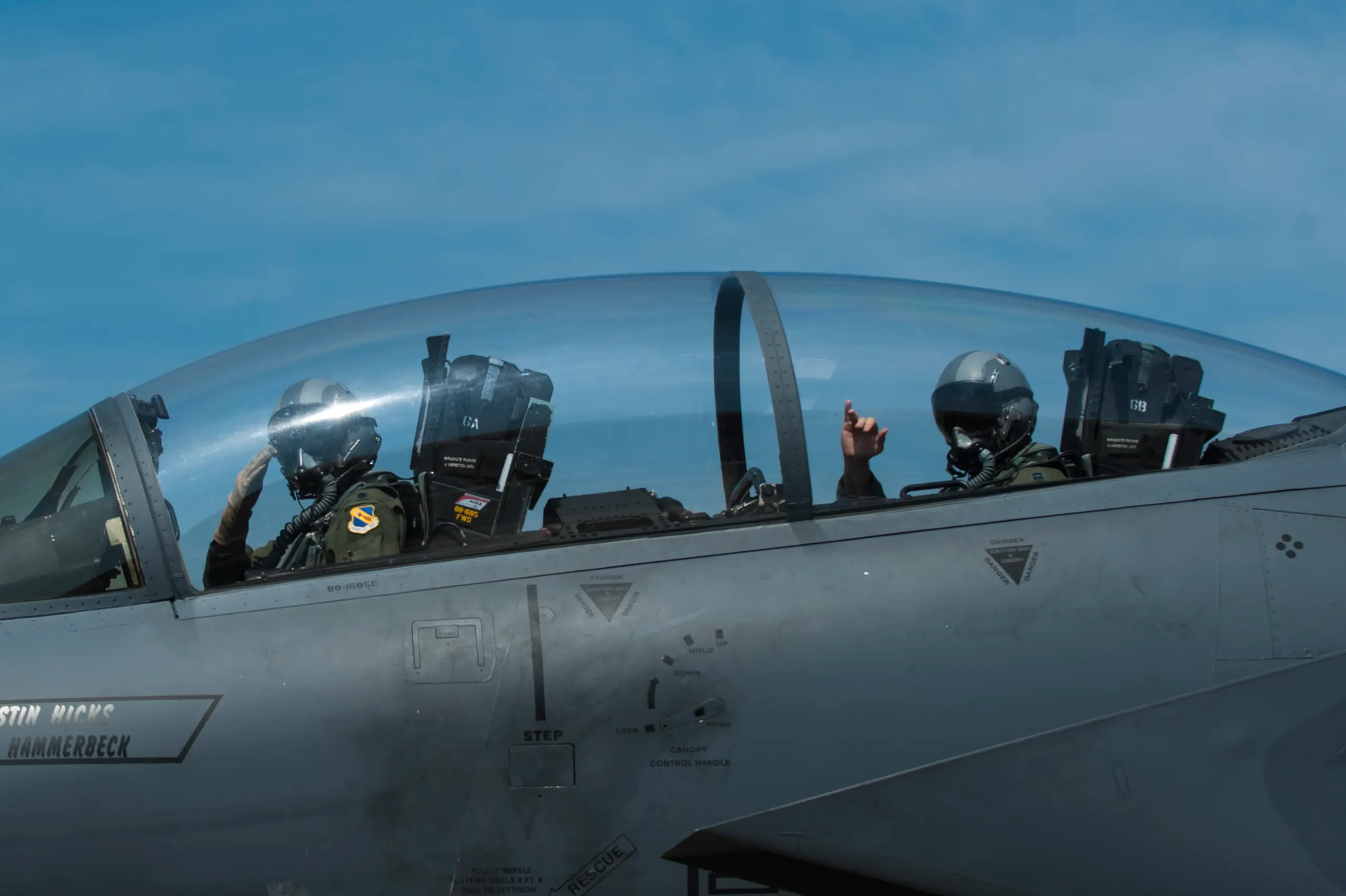
The Drogue Chute Stabilisation
Once clear of the Rs 415 crore aircraft, a small drogue parachute deploys from the top of the seat. This mini-chute rapidly decelerates the hardware and prevents it from violently spinning out of control. Environmental sensors continuously monitor altitude and airspeed to calculate the exact millisecond to deploy the main canopy.
Separation from the Seat
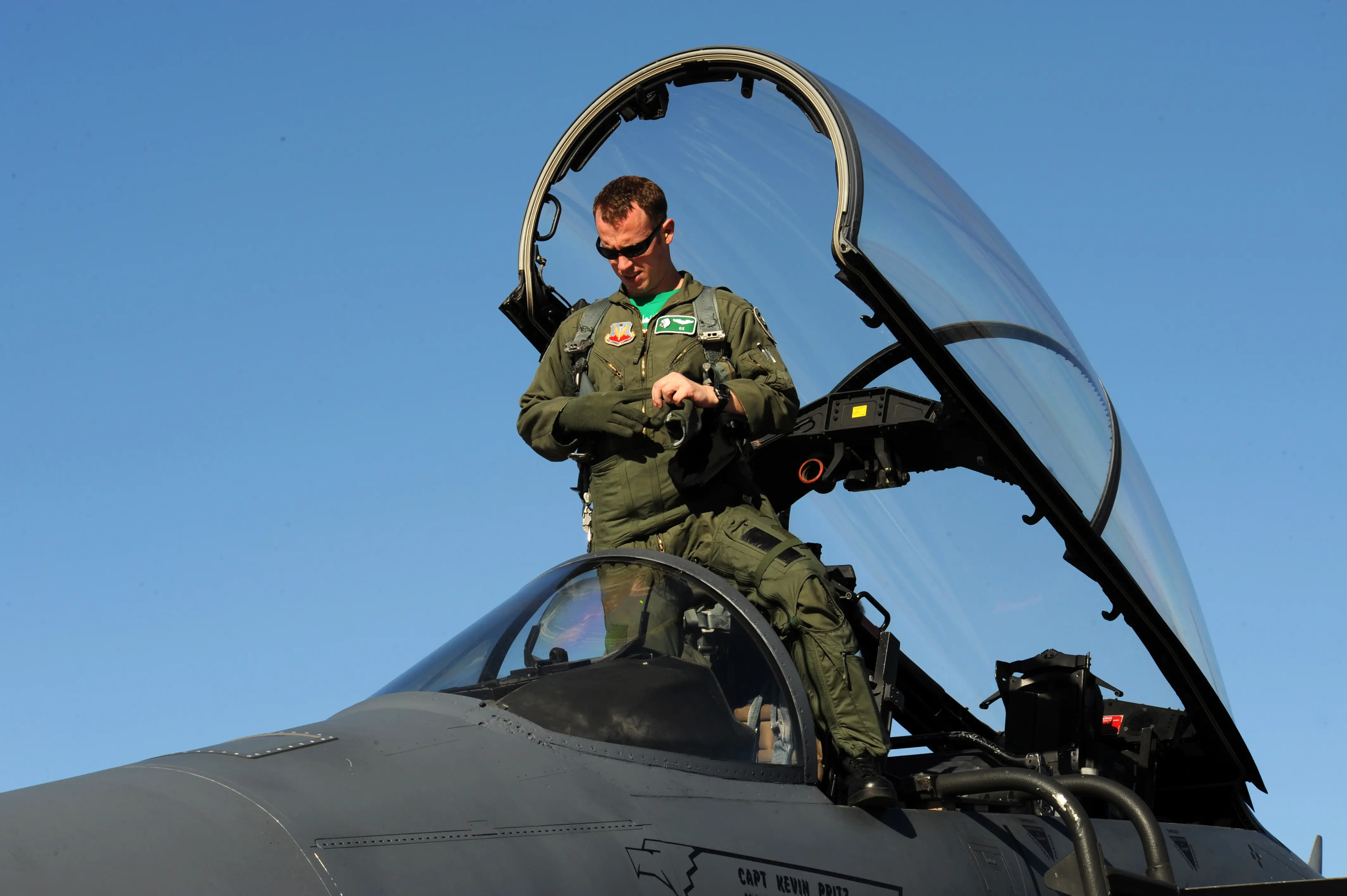
Below 10,000 feet, the ACES II seat automatically severs its physical connection to the pilot. Small explosive bolts fire, actively pushing the heavy metal seat away to prevent it from crashing into the descending aviator. The main recovery parachute simultaneously deploys, slowing the pilot to a safe landing speed.
The Survival Kit Deployment
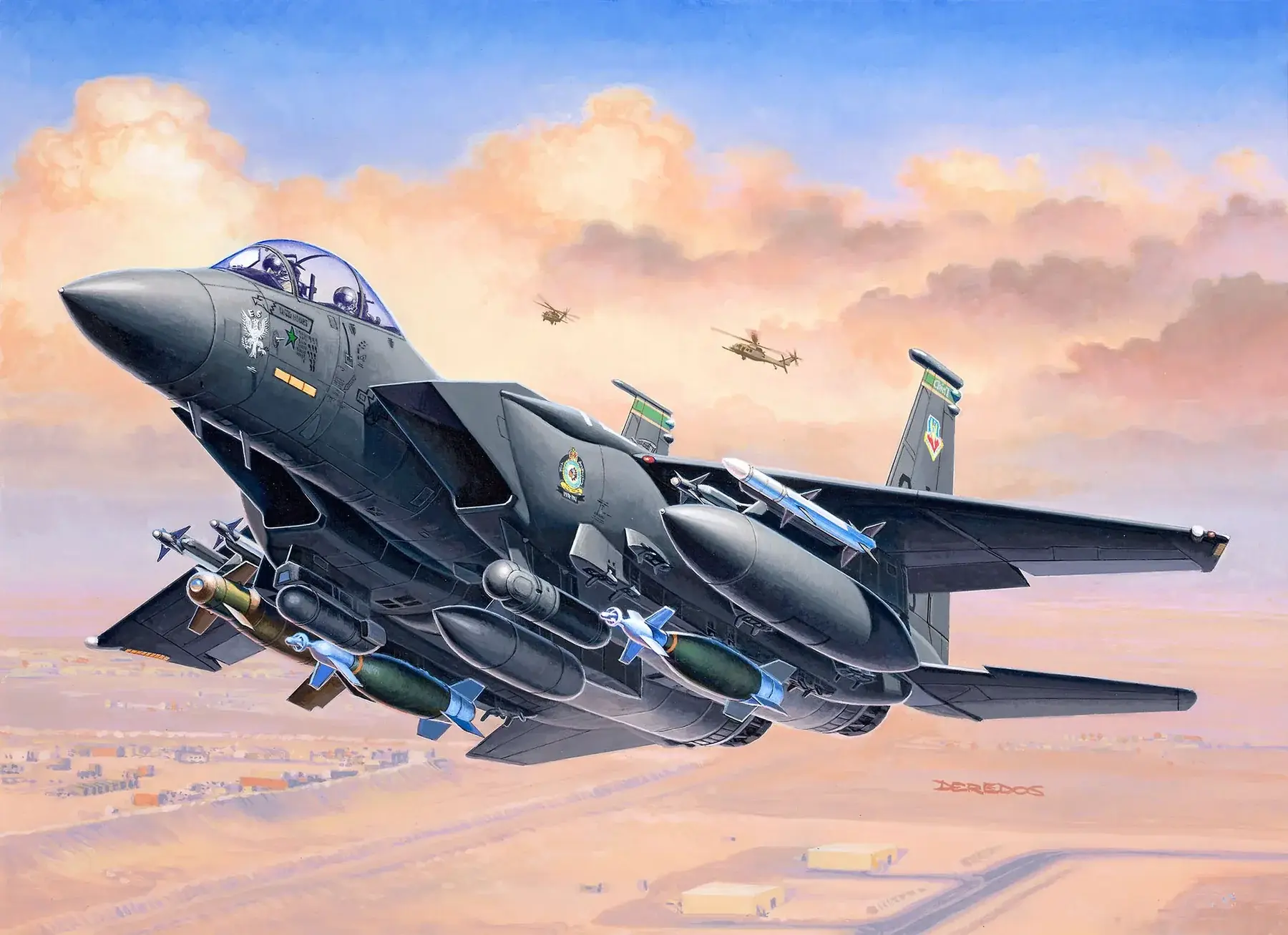
As the pilot drifts towards the ground, a fully stocked survival kit drops from beneath them, hanging securely on a long lanyard. This heavy package contains an inflatable life raft, emergency rations, and advanced medical supplies. Dropping it below the pilot drastically reduces the impact force when hitting the ground.
Triggering the Rescue Beacon
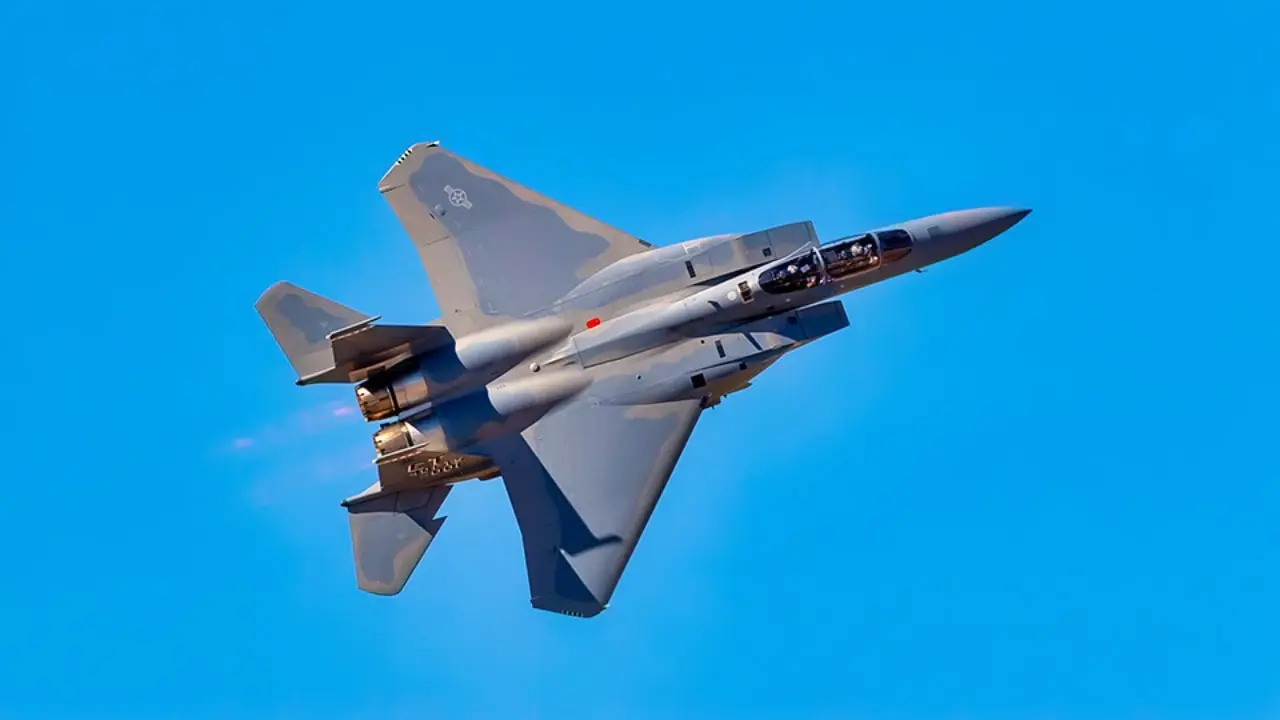
The moment the main parachute opens, an automated personal locator beacon instantly broadcasts military distress signals on secure UHF frequencies. This encrypted GPS data alerts nearby combat search and rescue teams, initiating a high-stakes recovery mission. The entire automated ejection sequence, from pulling the handle to floating safely, takes roughly two seconds.
)
)
)
)
)