What power module do in a laser weapon?

A laser weapon's power module is its heart, converting electricity into a lethal beam. Systems like Iron Beam use massive capacitor banks and advanced cooling to manage extreme heat and allow continuous firing.

The Heart of the Laser Converting Electricity to Light
The power module acts as the weapon's engine, taking standard electrical energy and converting it into a concentrated, coherent beam of photons. According to Army Technology, this conversion efficiency is critical for generating the heat needed to destroy targets.

Iron Beam’s Infinite Magazine Capacitor Banks Store
Energy Iron Beam utilises massive capacitor banks to store electrical energy, which allows for a 'deep magazine' of shots. Media reports that these banks can store enough energy to power 30 households, releasing it in millisecond bursts.

Why High Density Matters Lithium-Ion vs Capacitors
Mobile laser systems often rely on high-density lithium-ion batteries or supercapacitors to save space. VPRC notes that these compact power sources provide the rapid, high-voltage discharge necessary for pulsing lasers without needing a massive generator.

Managing Extreme Heat Cooling Prevents Meltdown
Lasers generate immense waste heat; a 100kW laser might produce 200kW of heat. ResearchGate data highlights that advanced liquid cooling systems are essential to dissipate this thermal load instantly, preventing the weapon’s optics from warping or melting
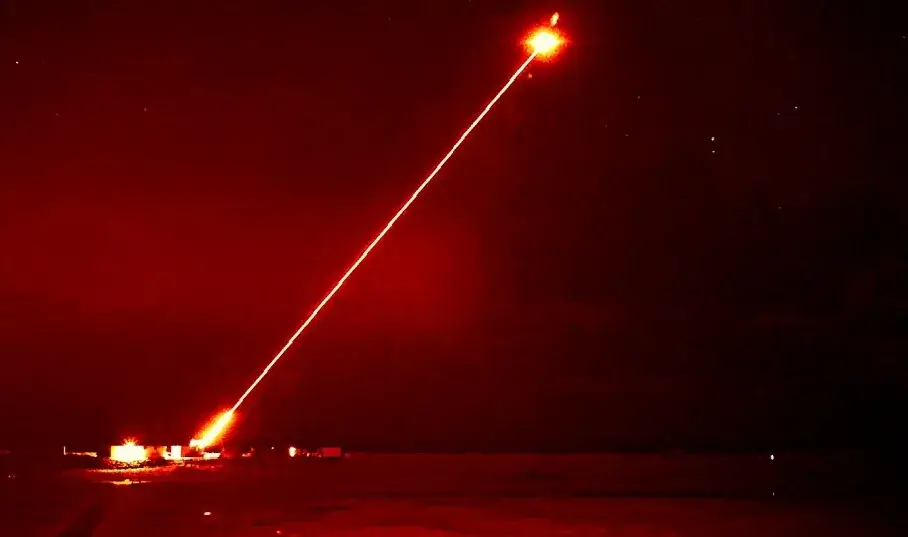
Stabilising the Beam Steady Voltage is Critical
The power module must deliver a perfectly stable current to the laser diodes. Lockheed Martin experts explain that even slight voltage fluctuations can destabilise the beam's frequency, reducing its ability to focus on a distant target.
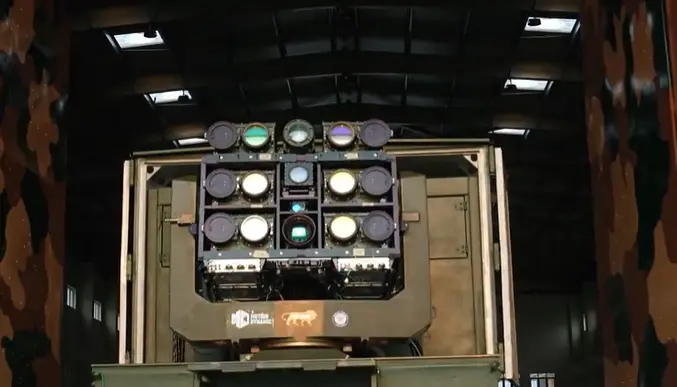
Continuous Fire Capability Sustaining the Attack
Robust power modules allow for continuous firing cycles against swarms of drones. General Atomics states that efficient power management ensures the system can recharge and fire repeatedly without long cool-down periods, which is vital in combat.
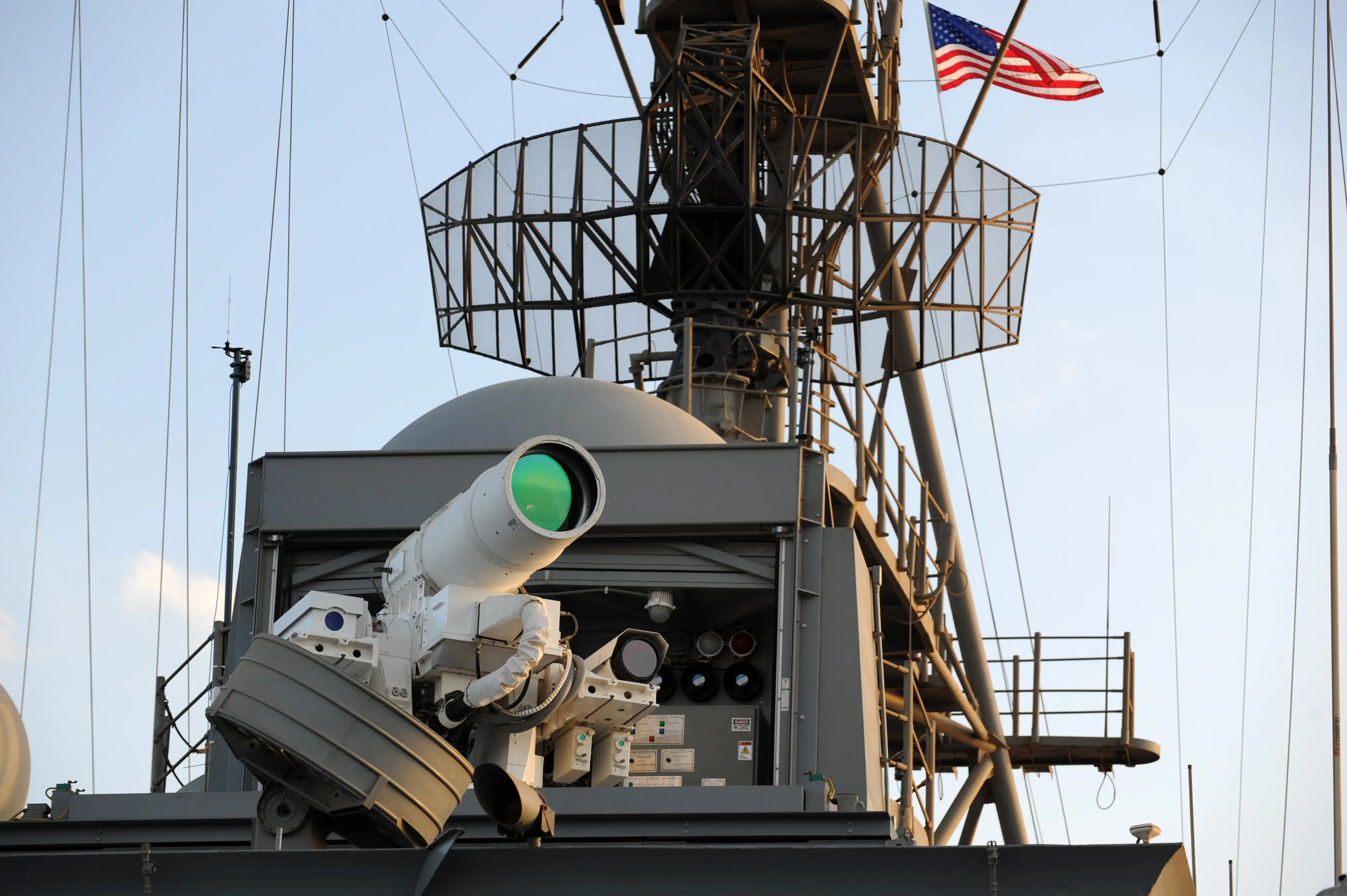
Defining Lethality More Power equals Faster Burn
The lethality of a laser is directly tied to its power output. NDU Press confirms that a higher capacity power module allows the beam to burn through steel or aluminium casings in seconds rather than minutes, increasing the kill probability.
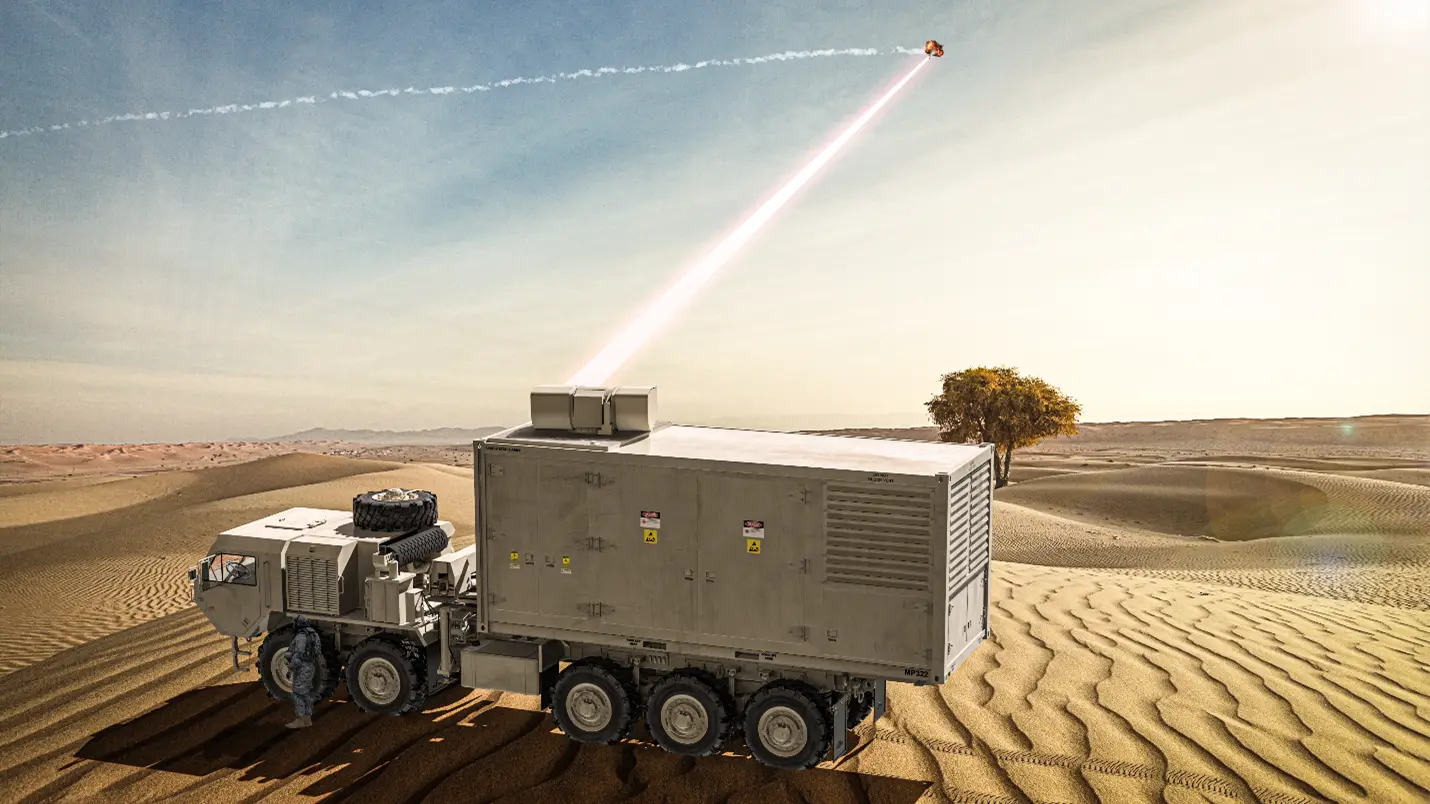
Extending the Range Focus at 7 Kilometres
A stable, high-power supply maintains beam coherence over long distances. Rafael Advanced Defense Systems indicates that without sufficient power density, the beam would 'bloom' or scatter in the atmosphere, becoming harmless before reaching a target 7km away.

Size and Mobility Shrinking the Footprint
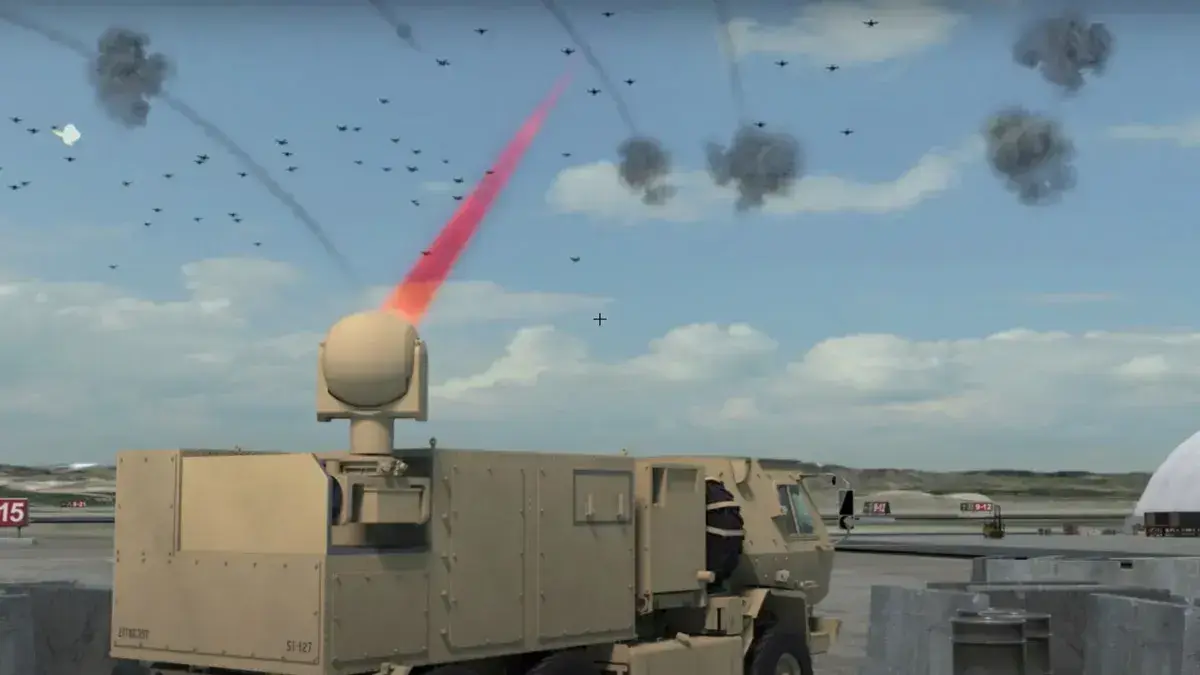
The size of the power module dictates where the weapon can go. Improvements in energy density allow powerful 50kW lasers to fit on Stryker vehicles, whereas older chemical lasers required an entire Boeing 747, according to Defense News.
Future Efficiency Goals Reducing Waste Energy
Future power modules aim to exceed 50 per cent electrical-to-optical efficiency. Industry analysis suggests this will drastically reduce the cooling equipment needed, making high-energy lasers lighter, cheaper, and more deployable for ground forces.
)
)
)
)
)