Churu plane crash: What makes IAF’s Jaguar unique in strike missions? The science of flying low and fast

Most fighter jets gain an edge by flying at high altitudes but the Jaguar was built for the opposite. Its mission profile involved terrain-hugging flight, gliding just 50–100 feet above ground level to stay below enemy radar detection.
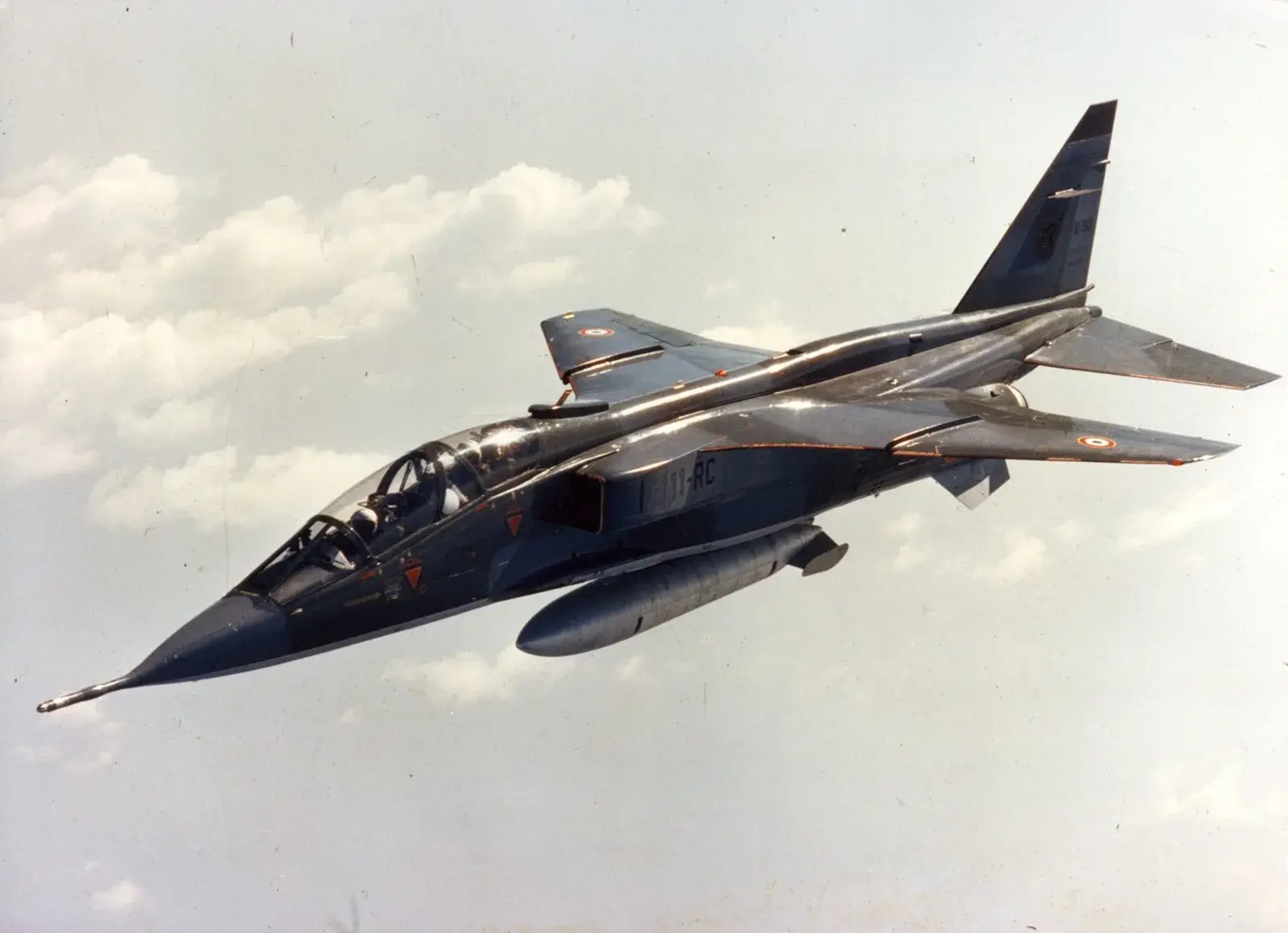
Backbone
While India’s Rafales and Su-30MKIs grab headlines for their speed and power, the IAF’s Jaguar has quietly been the backbone of precision strike missions for over four decades. What makes this Cold War-era jet so effective isn’t just its firepower, it’s how it flies: low, fast, and undetected. Here’s a deep dive into the science of why the Jaguar became India’s go-to deep-strike platform — and why its flying technique remains unmatched even today.
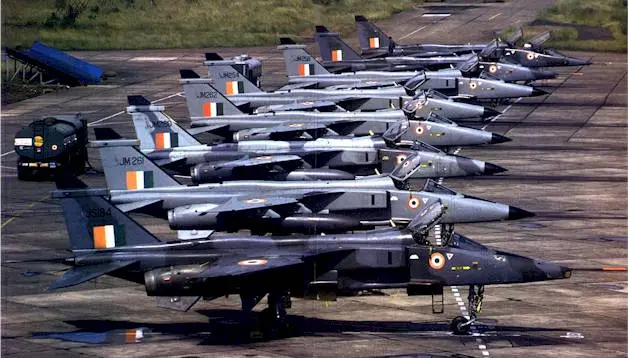
Built to Fly Beneath Radar
Most fighter jets gain an edge by flying at high altitudes but the Jaguar was built for the opposite. Its mission profile involved terrain-hugging flight, gliding just 50–100 feet above ground level to stay below enemy radar detection. This makes it ideal for deep-penetration strikes into hostile territory. Low-level flight creates a “clutter zone” on radar screens due to interference from terrain and objects, allowing the aircraft to slip past enemy defences undetected. It’s like a fighter jet version of stealth — but without the stealth coating.
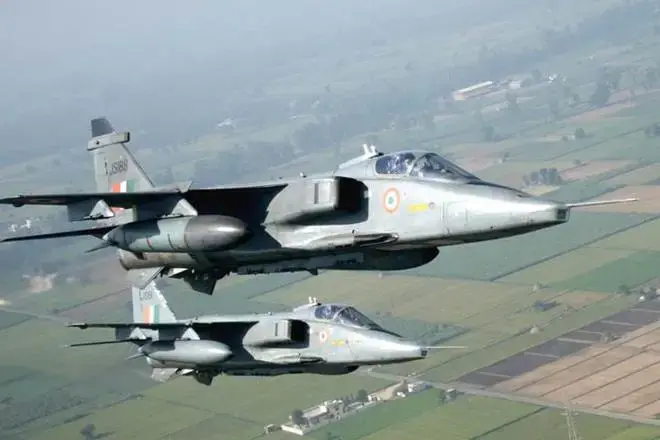
How Terrain-Following Works
The Jaguar's advanced navigation systems upgraded under India’s DARIN (Display Attack Ranging Inertial Navigation) program, use terrain mapping and altitude sensors to guide the aircraft safely through valleys, hills, and low-altitude zones even at high speeds. This allows pilots to focus on mission execution while the system handles minute adjustments to altitude, critical when flying at 700–800 km/h just metres off the ground.
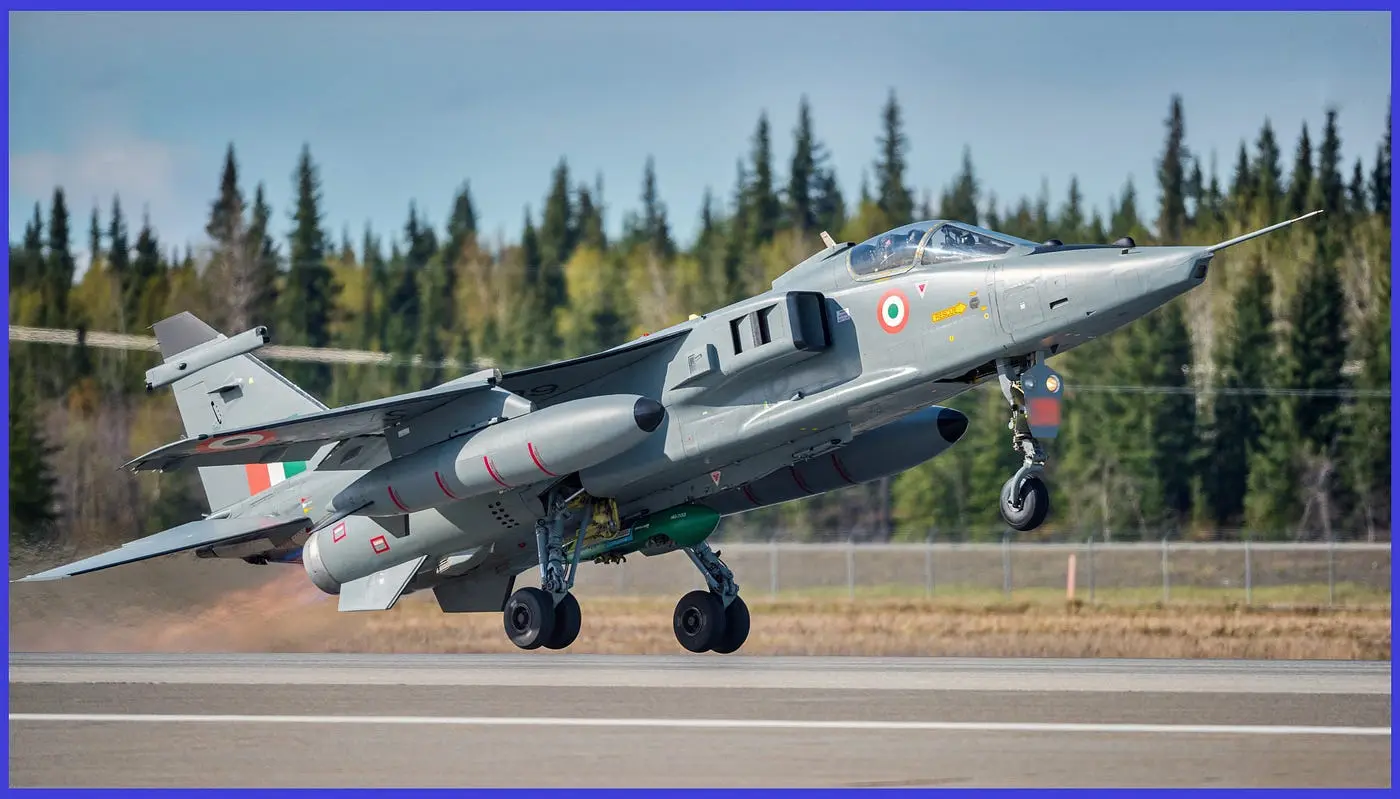
Stability Over Speed
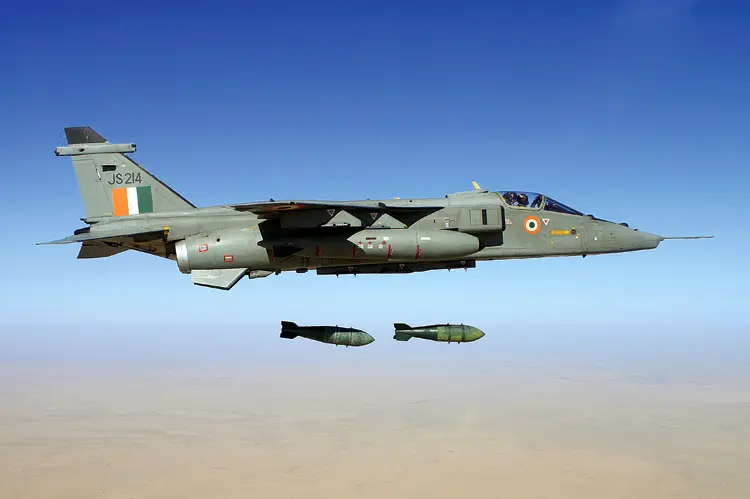
Unlike air superiority fighters, the Jaguar isn’t built for dogfights. Instead, it’s designed to be ultra-stable, carrying heavy bomb loads over long distances. Its twin engines and robust frame help it maintain balance at low altitudes, even with a full payload. This stability makes it ideal for laser-guided bombing runs, nuclear payload delivery, and anti-ship missions, all of which require precise, low-level approach before weapon release.
Why It’s Still Effective in 2025
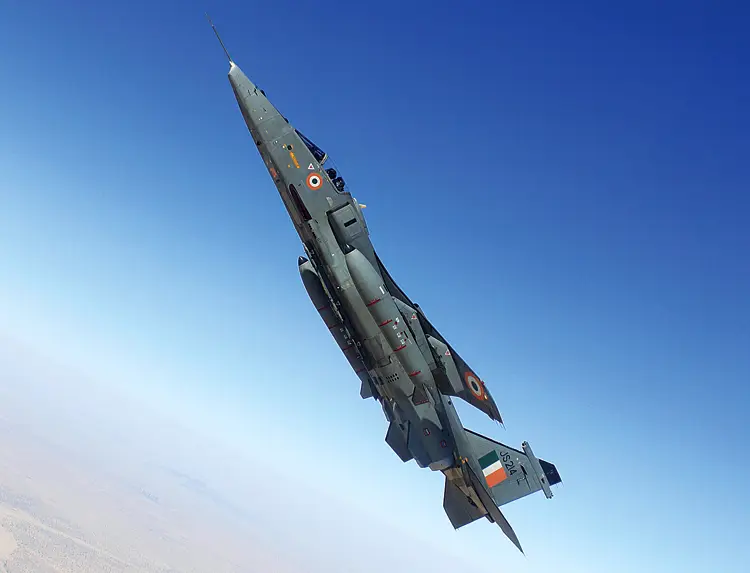
While the Jaguar lacks modern stealth or supercruise, its strike profile is still relevant for missions where radar and air defence systems are less dense. Its Litening targeting pods, ASRAAM missiles, and AESA radar upgrades under the DARIN-III program have extended its life and relevance. In short, flying low and fast is still a viable tactic, especially in conflicts that involve sudden, focused strikes in border zones.
But It Comes at a Cost
Low-level flight puts immense strain on pilots and the airframe. Pilots must react fast, have iron nerves, and handle everything from birds to wind shear in real time. The risk of collision, engine stress, and fatigue is far higher than at cruising altitude. This is why only select squadrons are trained for low-altitude bombing and why Jaguar pilots are among the most specialised in the IAF.
The End of a Flying Style?
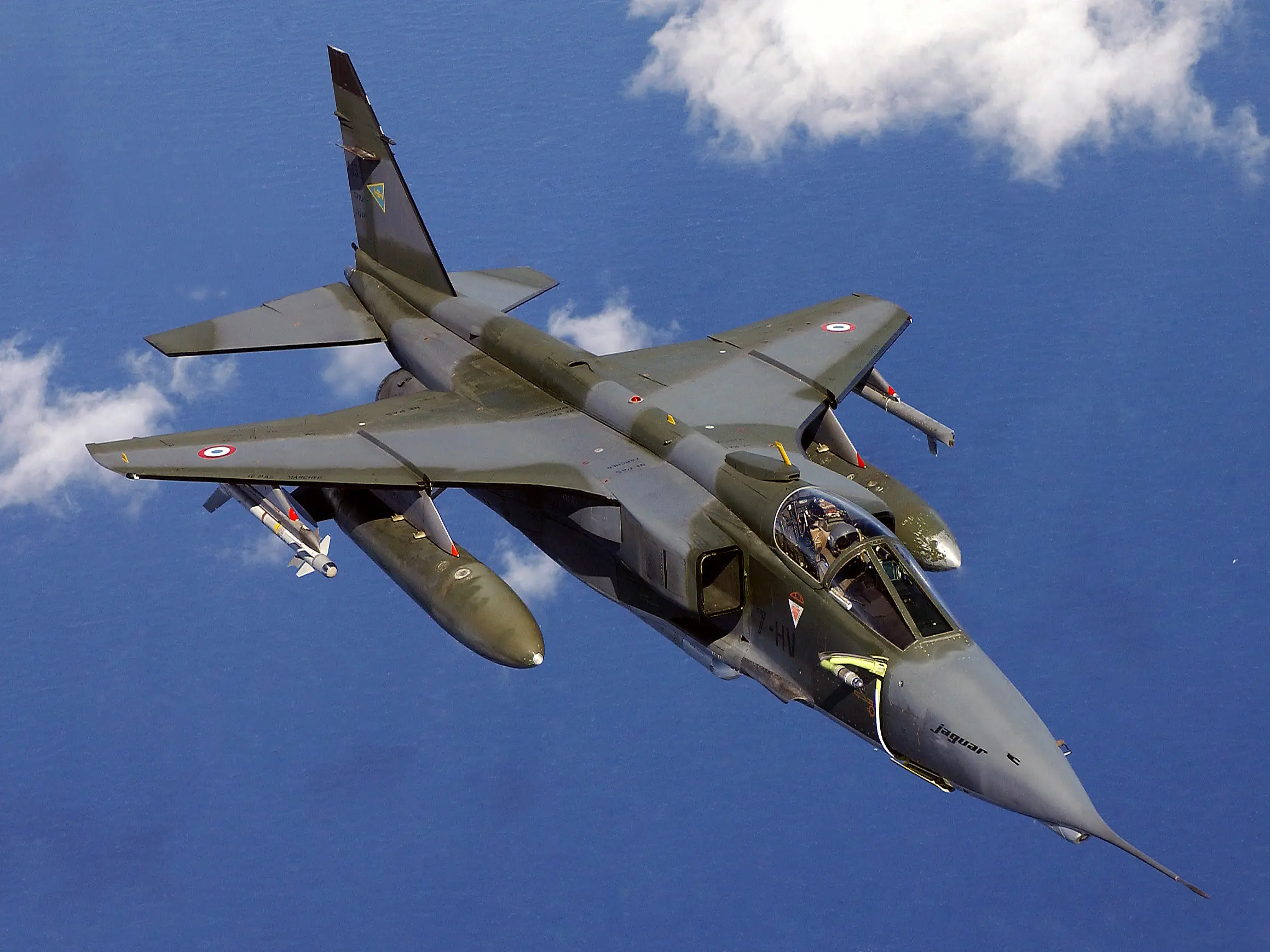
As India phases out the Jaguar in the coming years, its unique low-flying deep-strike role may fade with it. Future aircraft like AMCA and upgraded Tejas jets will use stealth and speed, not low-level tactics, to bypass defences. But for now, the Jaguar continues to roar, not from the sky above, but from the shadows of the terrain, exactly where it was meant to be.
)
)
)
)
)