What is the UK’s DragonFire laser system? Key features, operating cost and capabilities explained

A directed-energy weapon uses concentrated light, a high-energy laser, to deliver destructive energy on a target at the speed of light, rather than using traditional explosive projectiles.
A New Chapter in Defence Technology
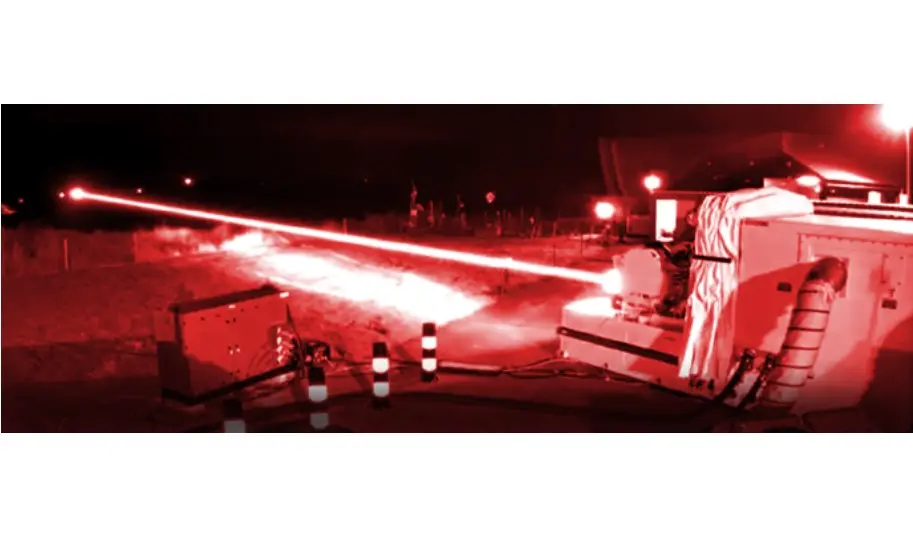
The United Kingdom's laser directed-energy weapon, DragonFire, marked a significant step in the country's transition from conventional ordnance to energy-based systems. A directed-energy weapon uses concentrated light, a high-energy laser, to deliver destructive energy on a target at the speed of light, rather than using traditional explosive projectiles. Developed by a UK consortium of industry partners under the Ministry of Defence’s Defence Science and Technology Laboratory (Dstl) designed to provide a sovereign capability in laser weapons for both land and maritime defence. The programme also shows a broader shift among modern militaries towards systems that can counter emerging threats such as high-speed drones with precision and at low operating cost.
1. Collaborative Development Structure
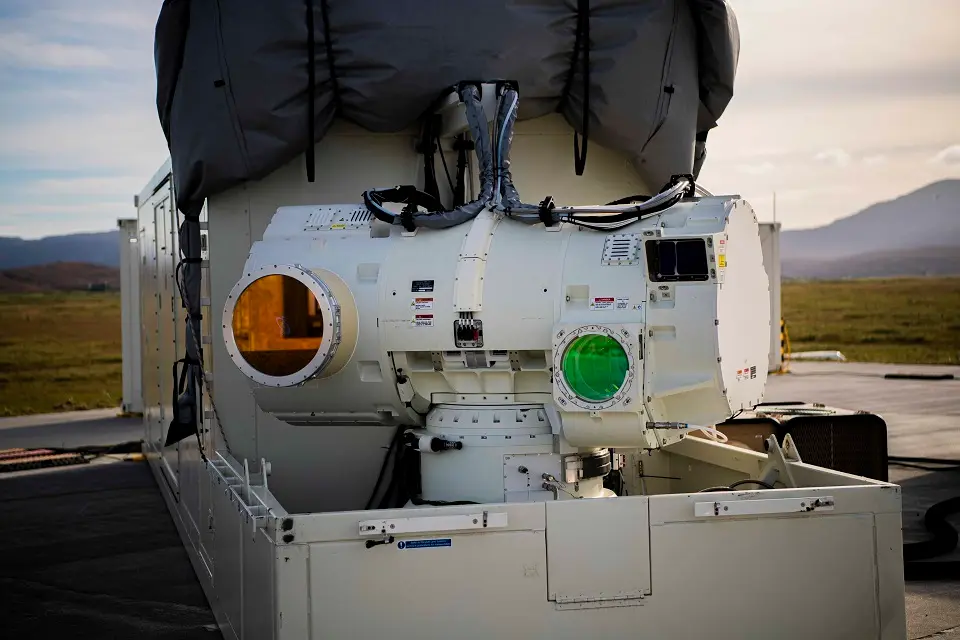
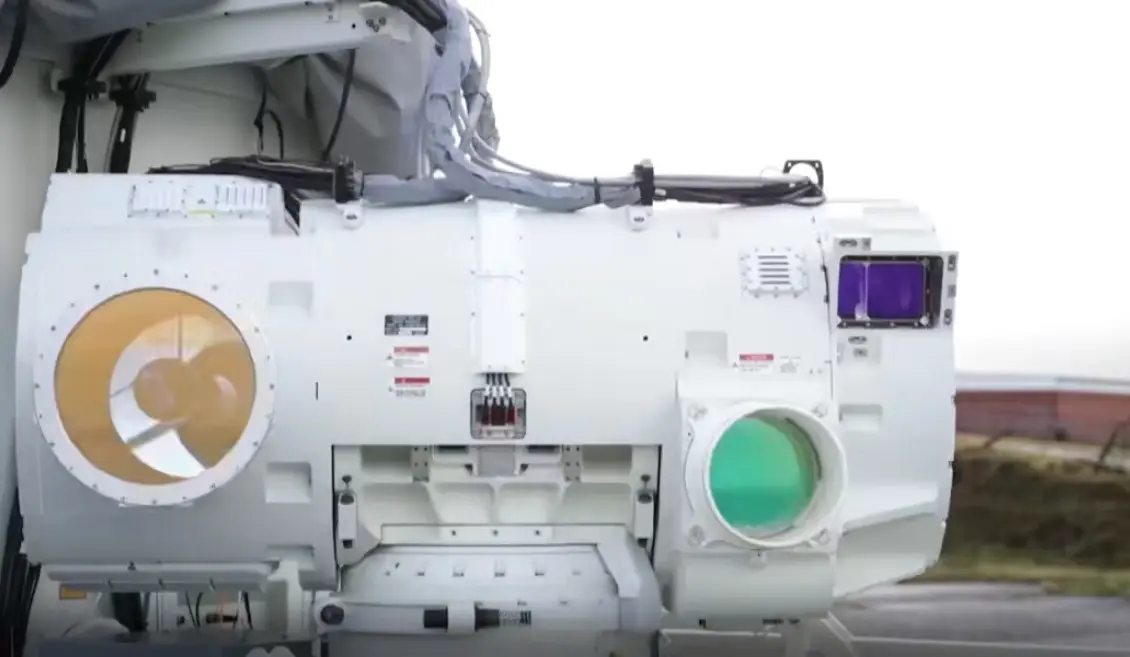
The DragonFire project brings together several UK defence entities: MBDA UK leads the overall system integration, Leonardo supplies the advanced beam director and optics, and QinetiQ provides the precision laser source. Under the leadership of Dstl on behalf of the UK Ministry of Defence, this partnership pools decades of expertise in laser and weapons technology to create a sovereign directed-energy capability.
2. Precision Engagement Capability
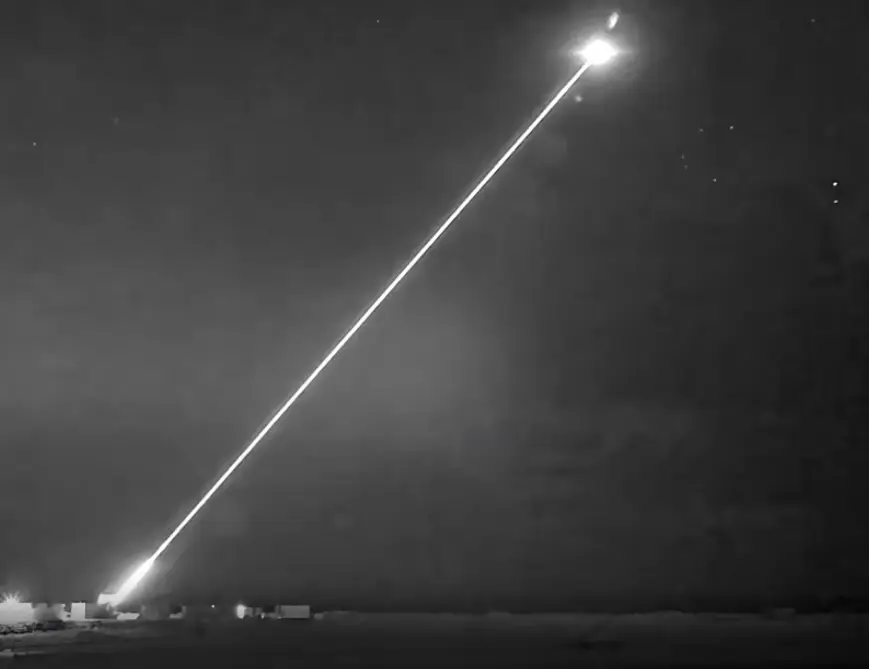
DragonFire can deliver pinpoint accuracy. In comparative terms, its precision has been likened to striking an object the size of a £1 coin from a kilometre away. This level of accuracy is crucial for engaging small or fast-moving threats such as unmanned aerial systems or low-observable targets.
4. Cost-Efficient Firing
A key advantage of laser systems like DragonFire is operating cost. Official Ministry of Defence material notes that firing the laser for 10 seconds costs the equivalent of running a domestic heater for an hour. The cost of operating the laser is typically less than £10 per shot. This contrasts sharply with the cost of traditional interceptor missiles.
5. Speed and range
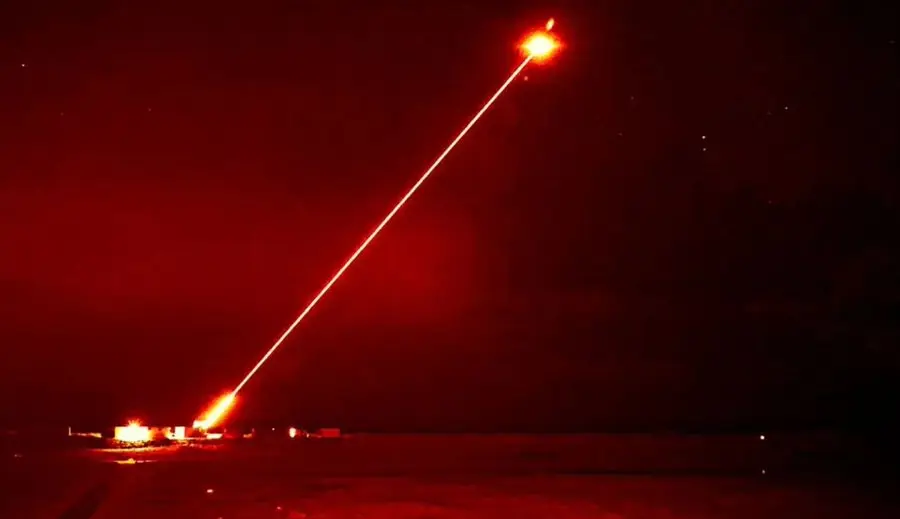
Another significant feature of this 50 kW class laser weapon system is that it can hit targets moving at speeds up to 650 km/h. The DragonFire can fire continuously for as long as power is available unlike ammunition-based system.
6. Towards Naval Deployment
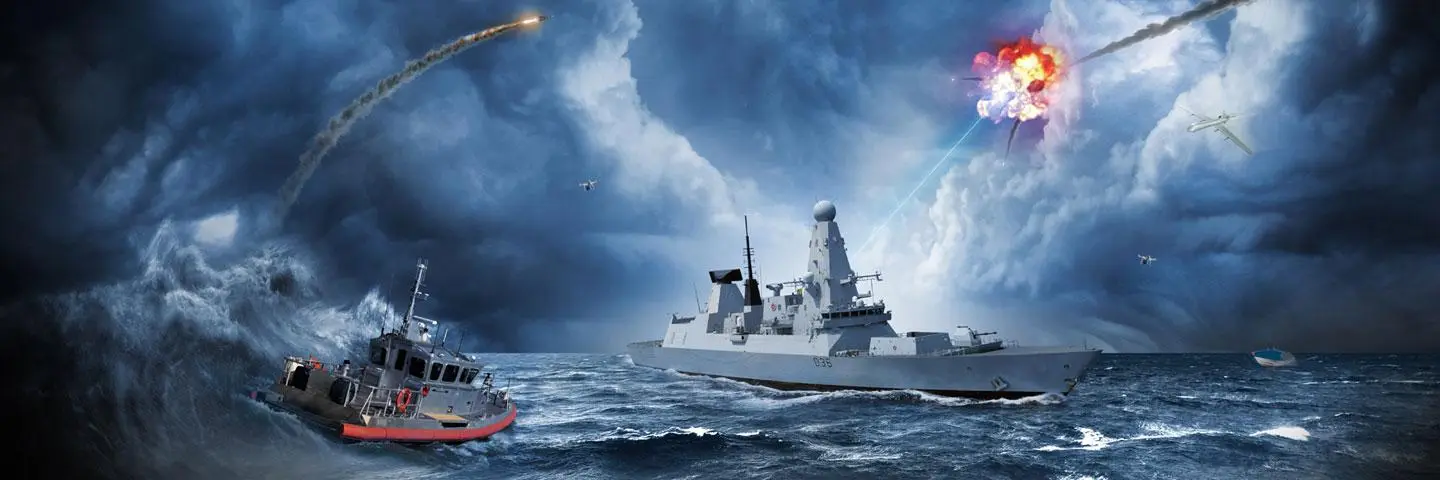
Recent contracts between the UK government and MBDA UK are accelerating DragonFire’s transition from demonstrator to fielded capability. Reports indicate that the system will be ready for installation on Royal Navy Type 45 destroyers by 2027, with the weapon expected to complement existing missile systems rather than replace them.
)
)
)
)
)