What was the maximum speed of the Iranian drone shot down by the USS Abraham Lincoln?

US Navy F-35C jet shoots down Iranian Shahed-139 drone near USS Abraham Lincoln. The 200 km/h UAV posed a direct threat.
US Navy Intercepts Drone
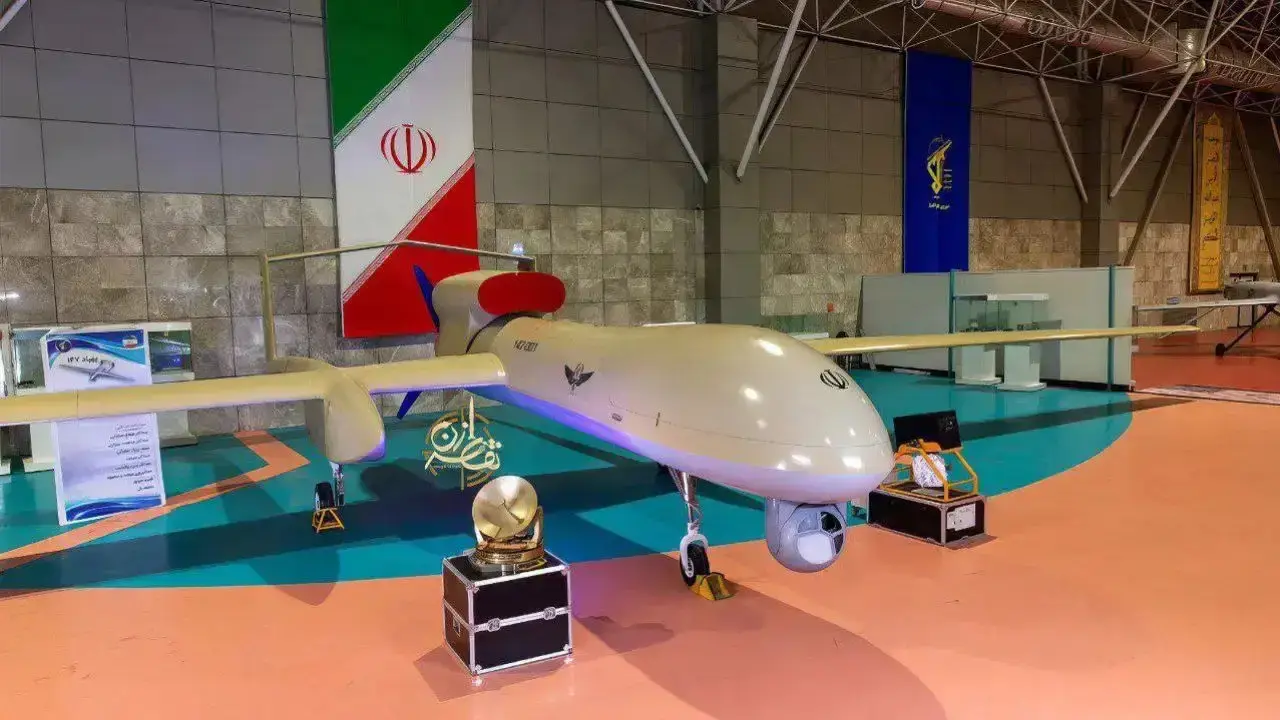
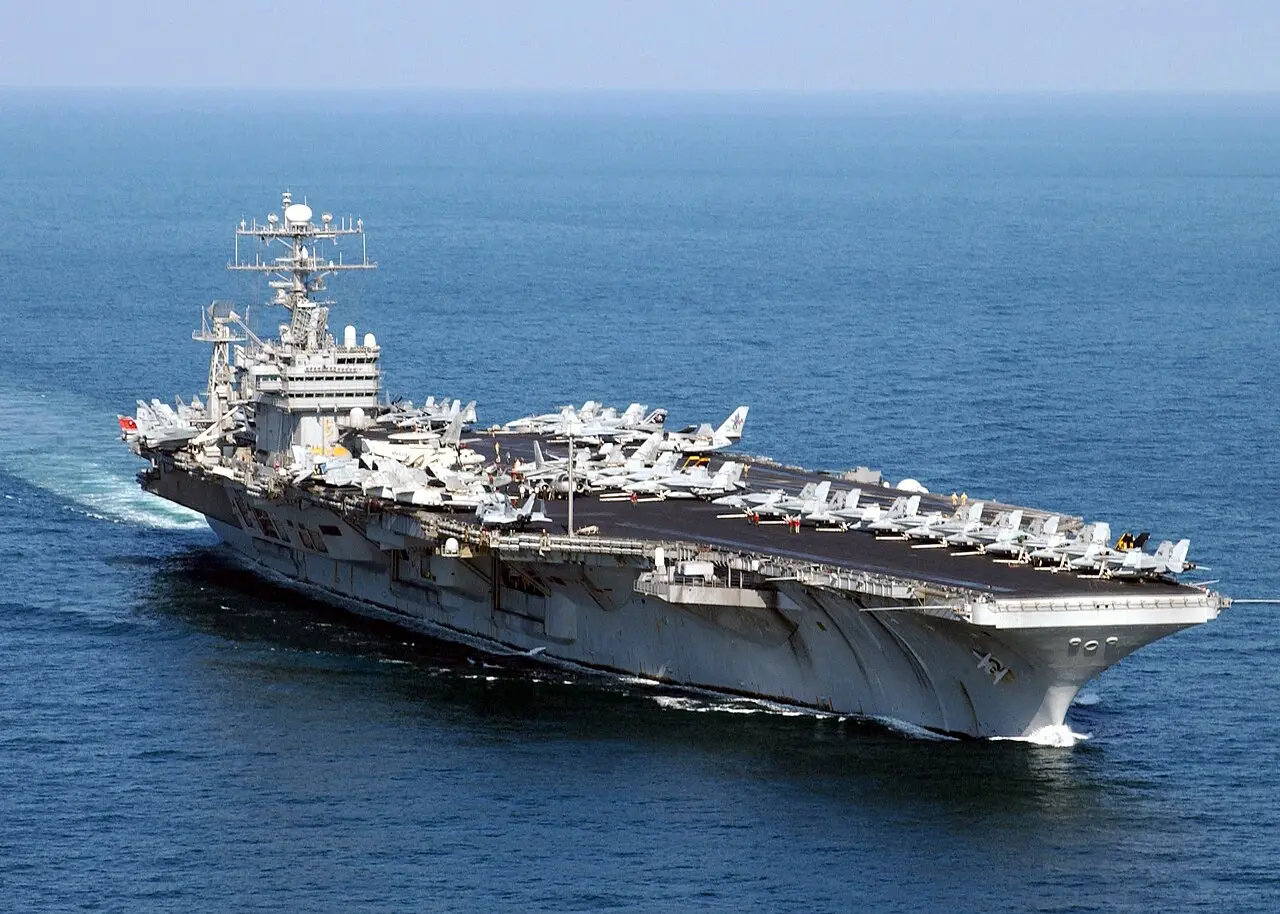
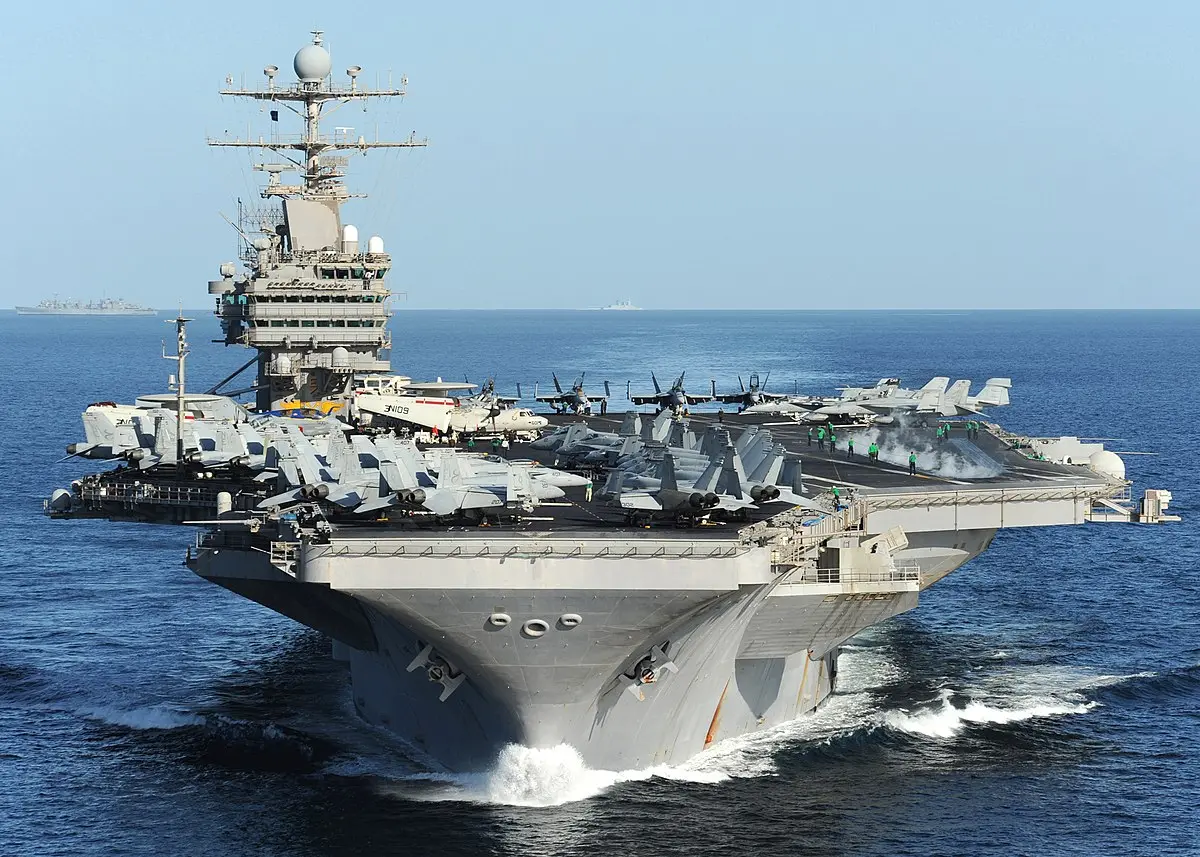
On February 3, 2026, a US Navy F-35C Lightning II fighter jet engaged and shot down an Iranian Shahed-139 drone in the Arabian Sea. The drone was flying towards the aircraft carrier USS Abraham Lincoln in an aggressive manner, ignoring de-escalatory warnings. US Central Command confirmed the shoot-down was a measure of self-defence to protect the carrier group.
Identifying the Shahed-139
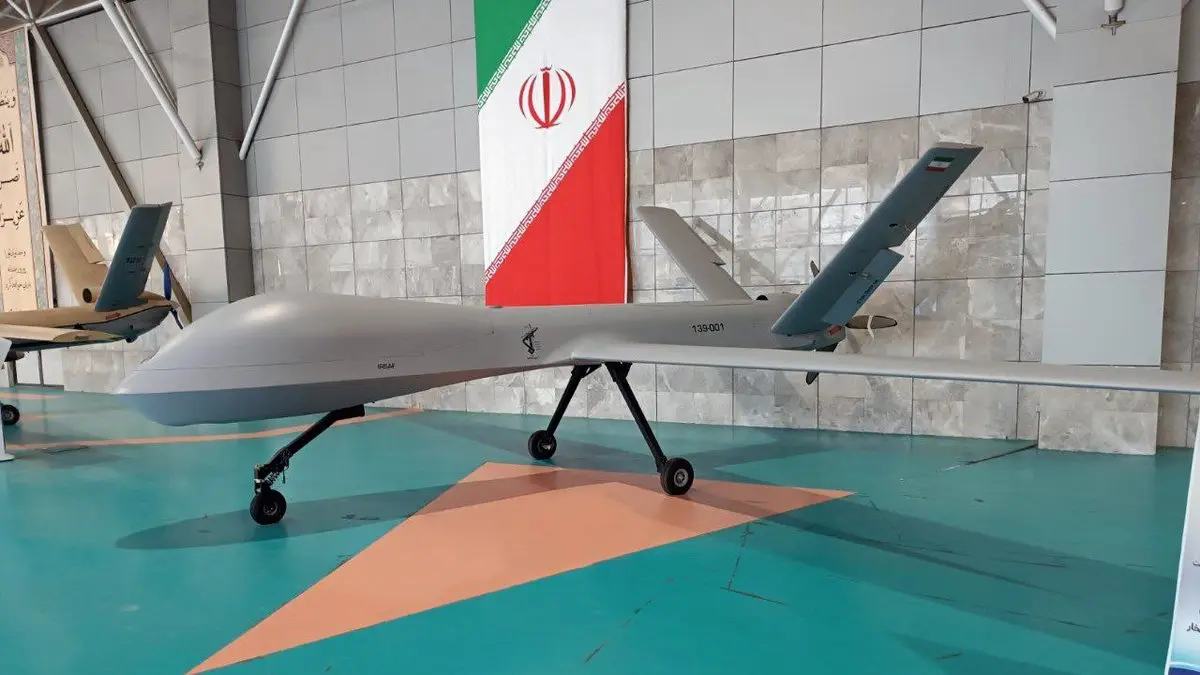
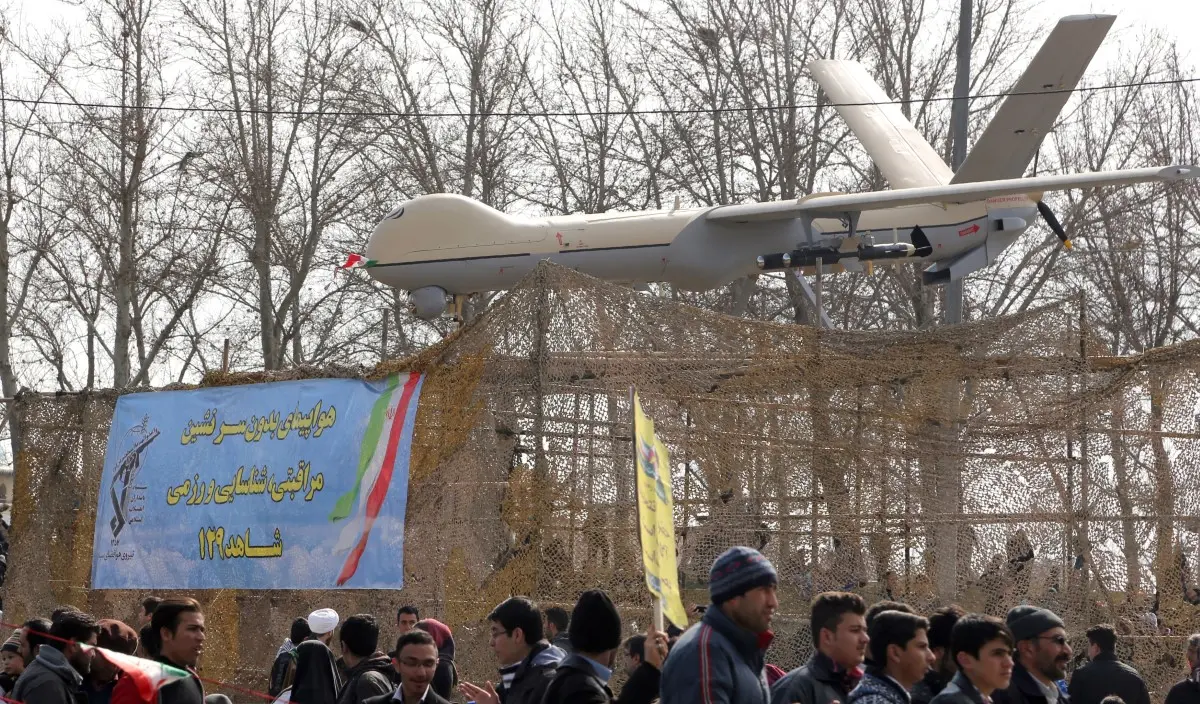
The aircraft involved was identified as the Shahed-139, a next-generation evolution of the widely used Shahed-129. It is a Medium-Altitude Long-Endurance (MALE) drone, designed for both surveillance and strike missions. Unlike the smaller loitering munitions, this reusable platform is comparable in class to the American MQ-1 Predator.

Maximum Speed: 200 km/h
As an upgraded variant of the propeller-driven Shahed-129, the Shahed-139 has an estimated maximum speed of approximately 200 kilometres per hour (124 mph). This moderate speed allows for extended loitering time over targets but leaves it vulnerable to high-speed interceptors. Its performance is optimised for endurance rather than supersonic flight.
Engine and Propulsion
The Shahed-139 features a conventional fuselage design with a rear-mounted pusher propeller, similar to its predecessor. It is likely powered by a Rotax 914 or a similar piston engine, which provides the necessary thrust for long-duration flights. This engine configuration is fuel-efficient, giving the drone a distinct acoustic signature.
Operational Flight Range
This drone boasts a significant operational range, estimated to be around 2,000 kilometres, similar to the Shahed-129. This allows Iranian forces to conduct deep reconnaissance missions far from their coastline. Its endurance capability enables it to remain airborne for up to 24 hours, providing persistent surveillance data.
Weapons and Payload
The Shahed-139 is a combat-capable drone, equipped with hardpoints under its straight wings to carry munitions. It can deploy precision-guided weapons such as the Sadid-345 or Qaem glide bombs for targeted strikes. In this specific incident, the drone's payload status was not immediately confirmed, though its intent was deemed hostile.

The Interceptor: F-35C
The drone was neutralised by an F-35C, the carrier-based variant of the advanced Joint Strike Fighter. Belonging to the "Black Knights" of Marine Fighter Attack Squadron (VMFA) 314, the jet used its superior sensors to track the slow-moving target. This marks a significant operational engagement for the F-35C in the region.

Location of Incident
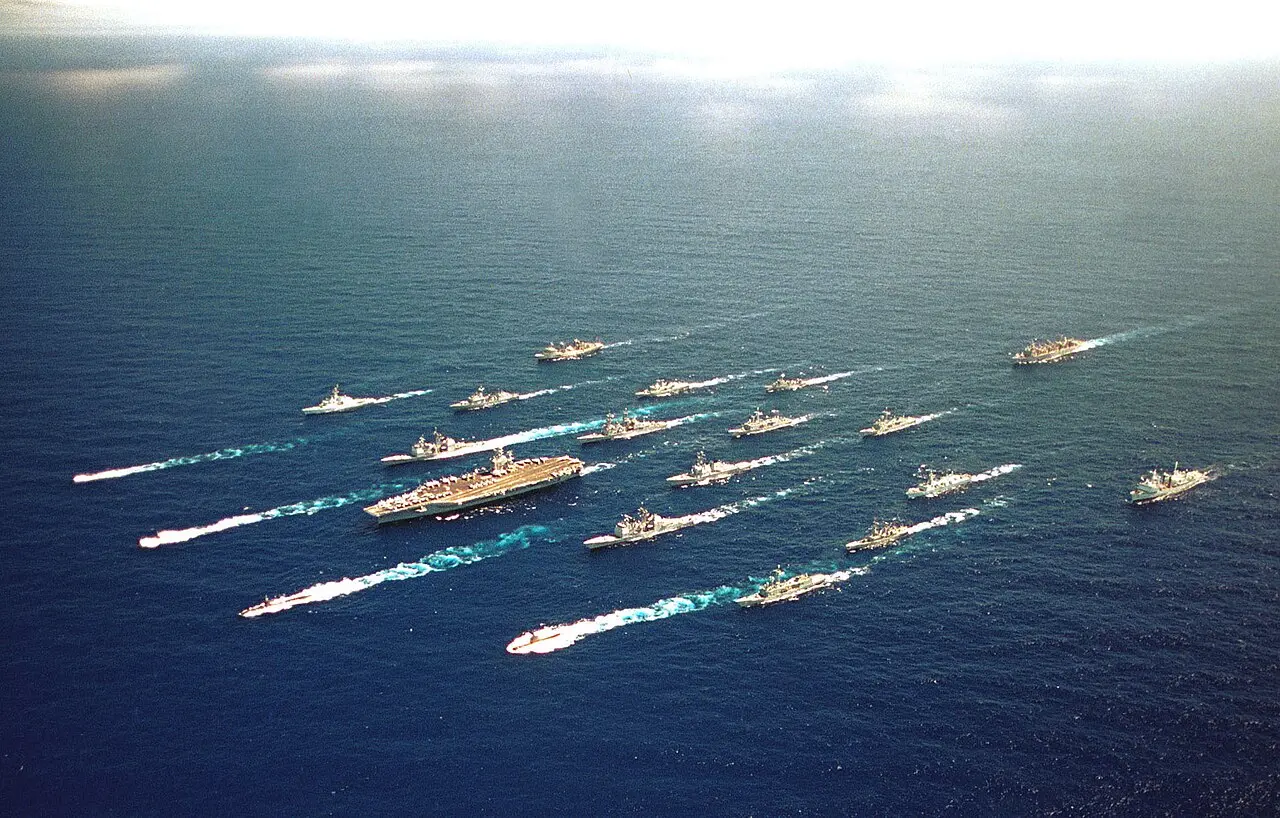
The interception took place in international waters in the Arabian Sea, approximately 500 miles (800 km) off the southern coast of Iran. The USS Abraham Lincoln carrier strike group was transiting the area as part of a scheduled deployment. The location places the US fleet well within the operational reach of Iran's long-range UAVs.
Intent and Aggression
US officials stated that the drone manoeuvred "unnecessarily" close to the carrier with "unclear intent" before the decision was made to fire. Despite attempts to communicate or warn the drone off, it continued its approach, leading commanders to view it as a direct threat. No US personnel were injured, and no equipment was damaged.
Regional Tensions
This shoot-down occurred amidst heightened tensions, coinciding with Iranian vessels harassing a US-flagged tanker, the Stena Imperative, in the Strait of Hormuz. These simultaneous events suggest a probing of US naval defences by Iranian forces. Diplomatic channels remain strained as military assets on both sides operate in close proximity.
)
)
)
)
)