What is F-15E Strike Eagle? Understanding the powerful US fighter jet downed in Iran

Following alarming reports of its destruction by Iranian forces, we break down the incredible capabilities of the F-15E Strike Eagle, the incredibly versatile, high-speed, and heavily armed backbone of America's deep strike military capabilities.
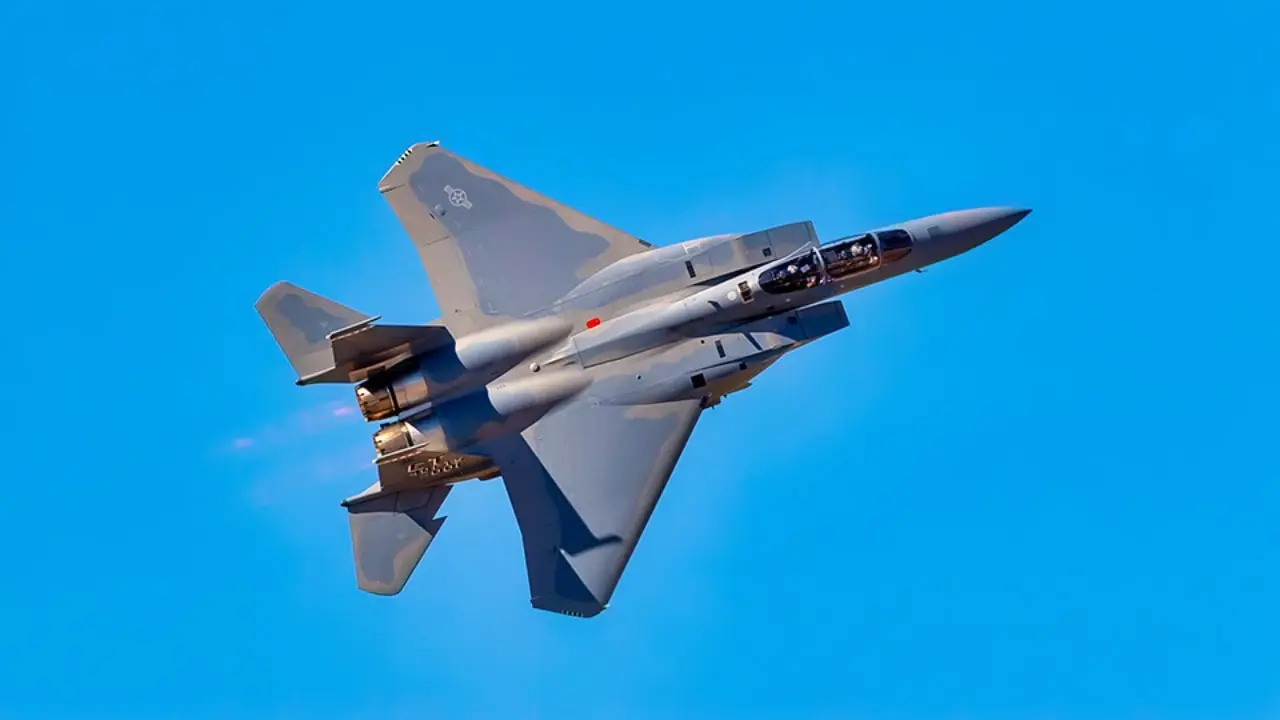
The Ultimate Dual-Role Fighter
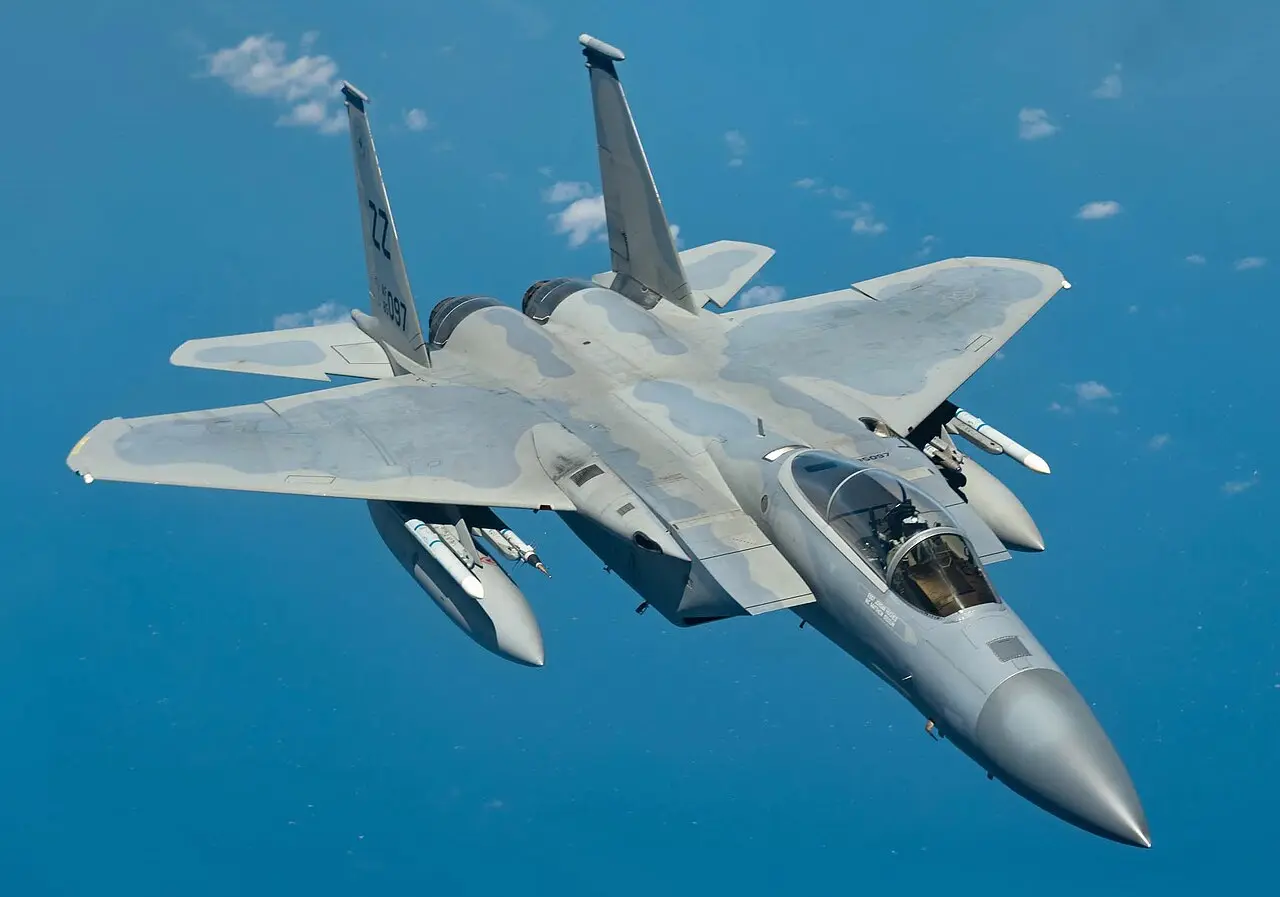
The McDonnell Douglas (now Boeing) F-15E Strike Eagle is a highly advanced, all-weather multirole strike fighter derived from the legendary F-15 Eagle. Unlike earlier variants that were designed solely for air-to-air supremacy, the F-15E was specifically engineered for deep strike missions without relying on escort or electronic warfare aircraft. It seamlessly combines exceptional air-to-ground precision strike capabilities with the formidable air-to-air combat prowess of its predecessors. This dual-role versatility makes the Strike Eagle one of the most reliable and heavily relied-upon assets in the United States Air Force inventory, capable of fighting its way deep into heavily fortified enemy territory and fighting its way back out.
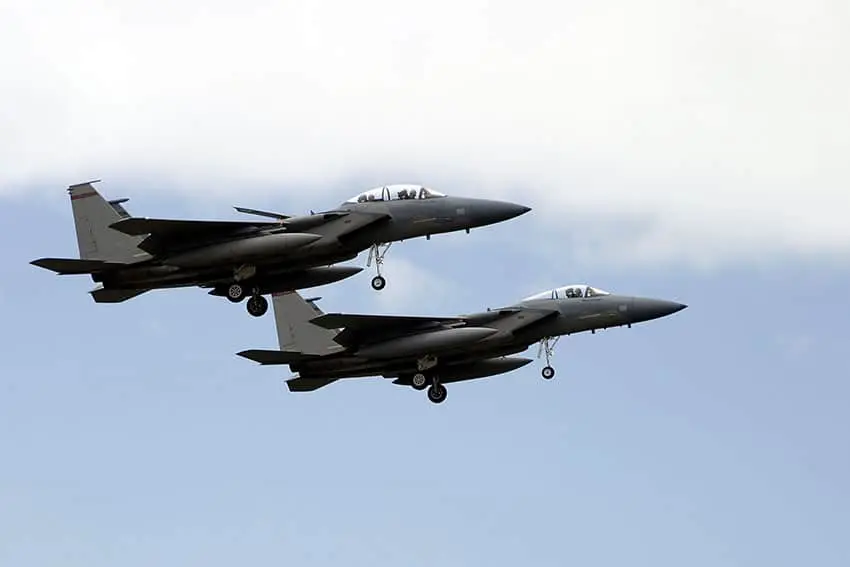
Built for Night and All-Weather Operations
A defining characteristic of the F-15E is its exceptional ability to conduct low-altitude, high-speed strike missions regardless of daylight or harsh weather conditions. It utilizes the incredibly sophisticated LANTIRN (Low Altitude Navigation and Targeting Infrared for Night) system, which allows pilots to fly seamlessly at extreme low altitudes, hugging the terrain at night to avoid sophisticated enemy radar detection. This advanced navigation pod is coupled with a highly precise targeting pod, enabling the crew to identify heavily camouflaged targets and deliver laser-guided or GPS-guided munitions with pinpoint accuracy, making the aircraft absolutely devastating even in the most adverse environmental combat conditions.
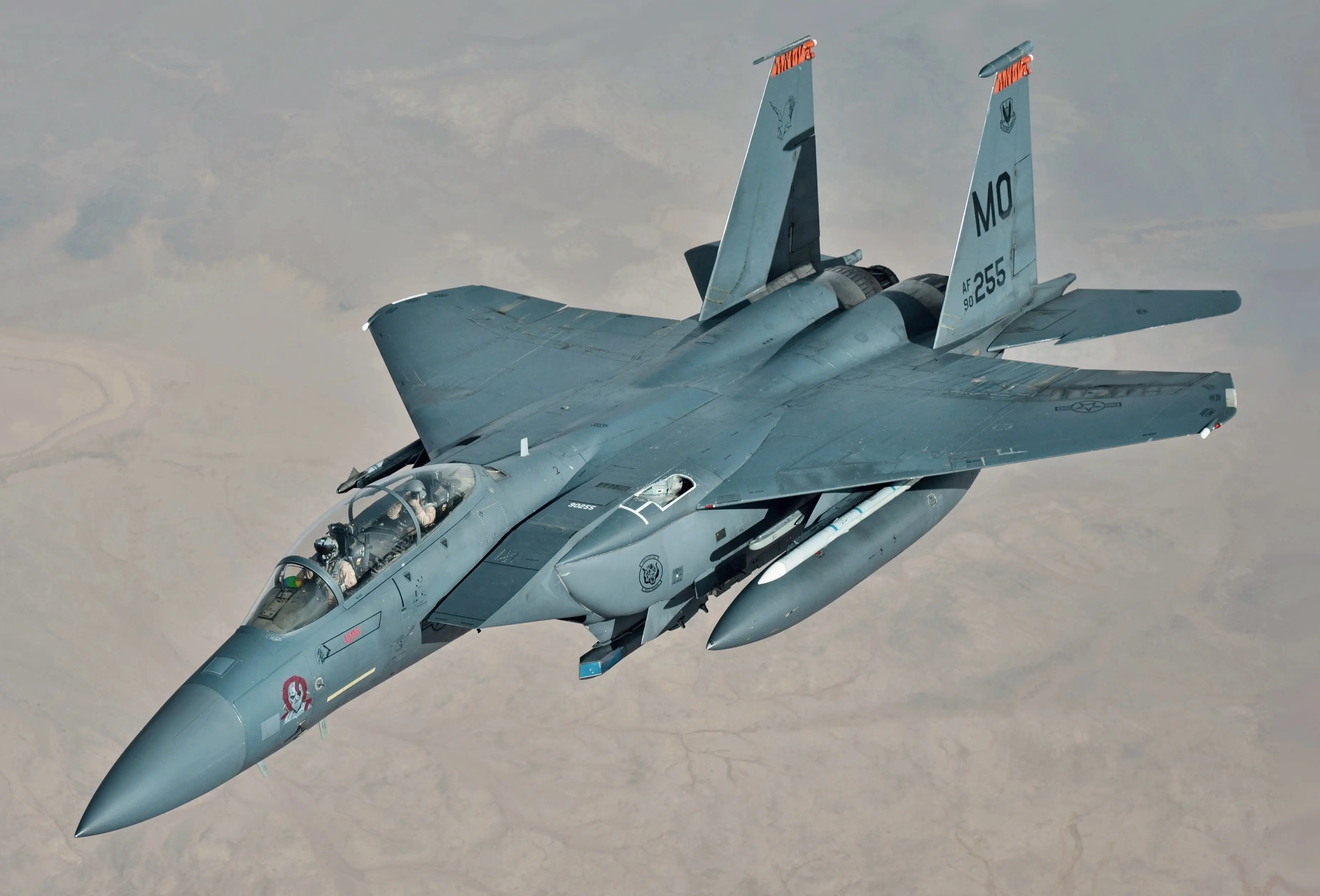
Advanced Two-Seat Cockpit Configuration
The F-15E features a unique dual-seat tandem cockpit designed to divide the intense workload of complex strike missions. The front seat is strictly occupied by the pilot who handles the incredibly demanding task of flying the high-performance aircraft and engaging in immediate air-to-air combat if threatened. The rear seat houses the Weapon Systems Officer (WSO, affectionately referred to as the “Wizzo”), an essential crew member completely dedicated to managing the complex array of ground-targeting displays, radar systems, and precision-guided weapons. This collaborative division of labor is critical for successfully executing intricate dynamic targeting missions and surviving inside dense, heavily defended anti-aircraft environments like those over Iran.
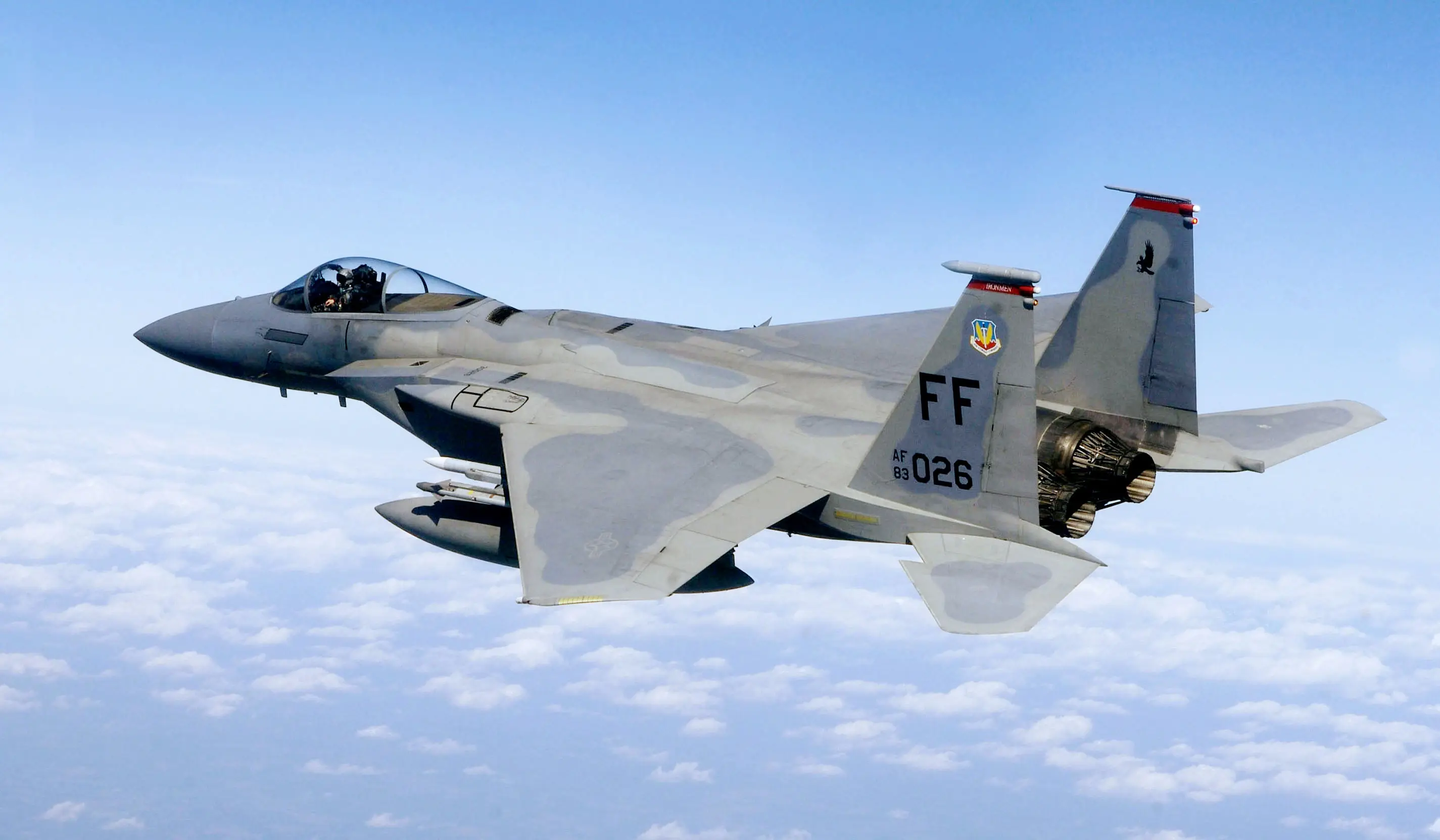
Massive Payload and Weapons Flexibility
Often described as an airborne “bomb truck,” the formidable F-15E Strike Eagle possesses a staggering weapons payload capacity, capable of carrying up to 23,000 pounds of diverse munitions. Its heavily reinforced airframe and conformal fuel tanks feature an extensive array of hardpoints designed to carry virtually every air-to-ground weapon in the United States military arsenal. This includes massive bunker-busting bombs, precision Joint Direct Attack Munitions (JDAMs), and long-range standoff cruise missiles. At the very same time, it can carry a full complement of advanced AIM-9X Sidewinder and AIM-120 AMRAAM air-to-air missiles, ensuring it remains fully capable of defending itself against enemy interceptors immediately after dropping its ground payload.
Unmatched Speed and Incredible Range
Powered by two immense Pratt & Whitney F100 afterburning turbofan engines, the F-15E produces an astonishing total thrust that propels the massive fighter to speeds exceeding Mach 2.5 (nearly 1,900 miles per hour) at high altitudes. Beyond its raw blistering speed, the jet is particularly famous for its incredible operational range. By utilizing its distinctive conformal fuel tanks, aerodynamic fuel reservoirs attached tightly beneath the aircraft's wings that drastically reduce drag compared to traditional drop tanks, the Strike Eagle can strike targets incredibly far from its home base without the constant need for aerial refueling, a crucial capability when operating within immense combat theaters spanning thousands of miles.
State-of-the-Art Avionics and Radar
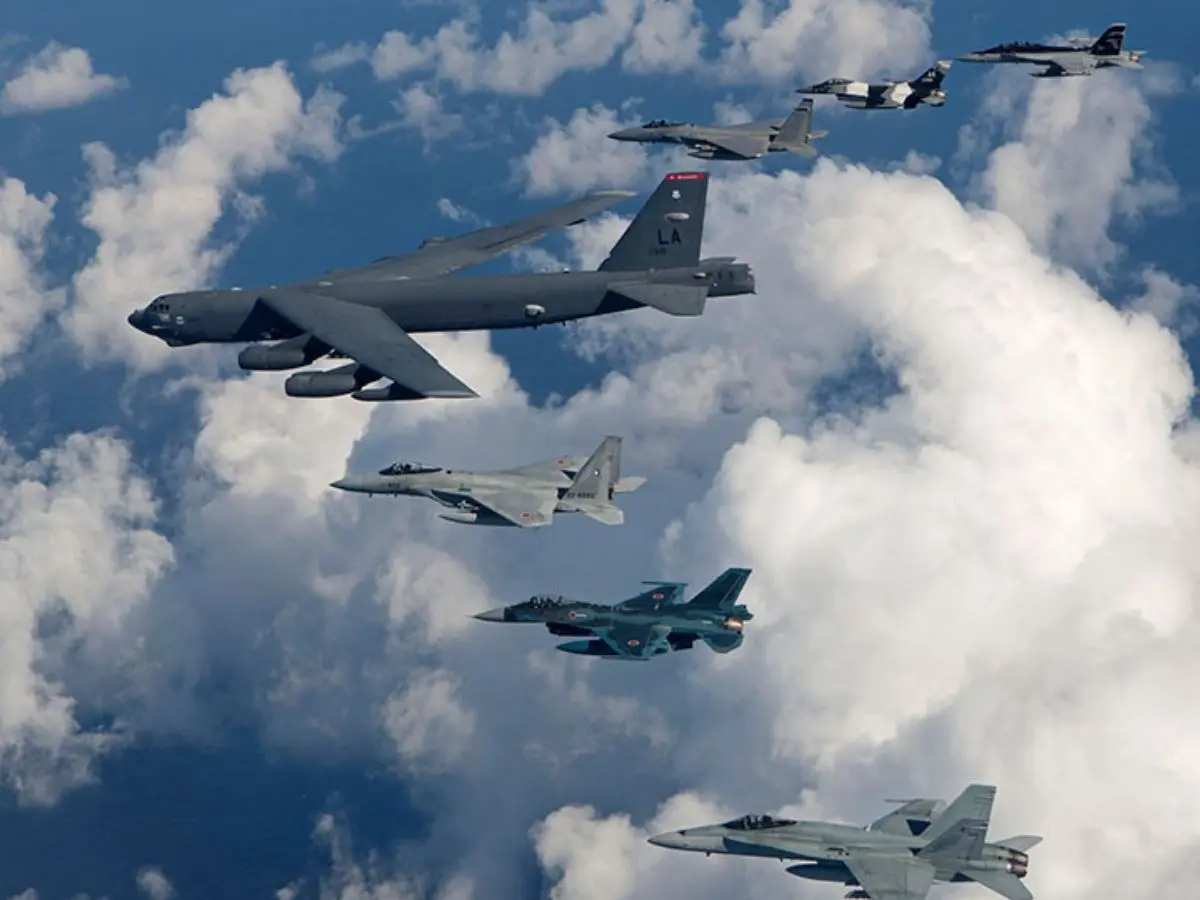
At the very heart of the Strike Eagle's lethality is its exceptionally powerful and continuously upgraded avionics suite. The aircraft operates the highly advanced APG-70 (and increasingly, the cutting-edge APG-82 AESA) radar system. This incredibly potent radar is capable of simultaneously mapping out ground terrain in high-resolution detail to identify moving ground targets while simultaneously tracking incoming enemy aircraft at extreme distances. This supreme situational awareness allows the crew to identify and eliminate enemy surface-to-air missile batteries long before the defense systems have the opportunity to lock onto the American jet, giving the pilots a massive tactical upper hand during deeply contested aerial engagements.
The Recent Incident Over Iranian Airspace
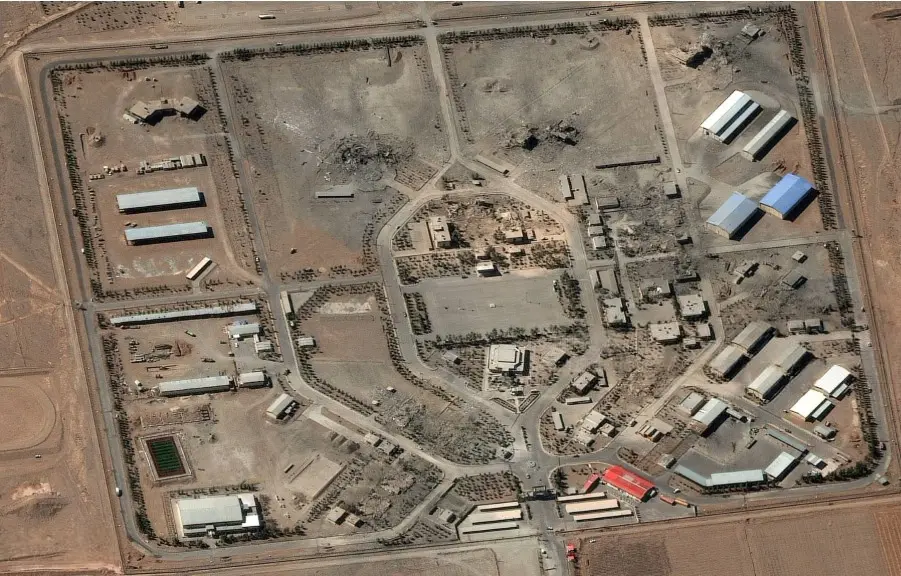
The reported downing of a heavily armed F-15E Strike Eagle over southern Iran marks a deeply troubling and potentially historic escalation of military tensions. As one of the most versatile and heavily armored fighters in the United States military, its highly publicized destruction by the Islamic Revolution Guards Corps (IRGC) showcases the alarming sophistication and sheer lethality of Iran's deeply fortified integrated air defense network. With the pilot reportedly missing and subject to an intense rescue operation, the loss of this iconic multi-million dollar aircraft underscores the tremendous, life-threatening risks faced by American aircrews operating within contested airspace and drastically raises the severe geopolitical stakes in the hostile region.
)
)
)
)
)