What Is TARA? DRDO’s new glide kit turns unguided bombs into smart weapons; Features explained

TARA is India’s first indigenous glide weapon system designed to convert conventional unguided air-dropped warheads into precision-guided weapons with extended strike range and improved targeting capability.
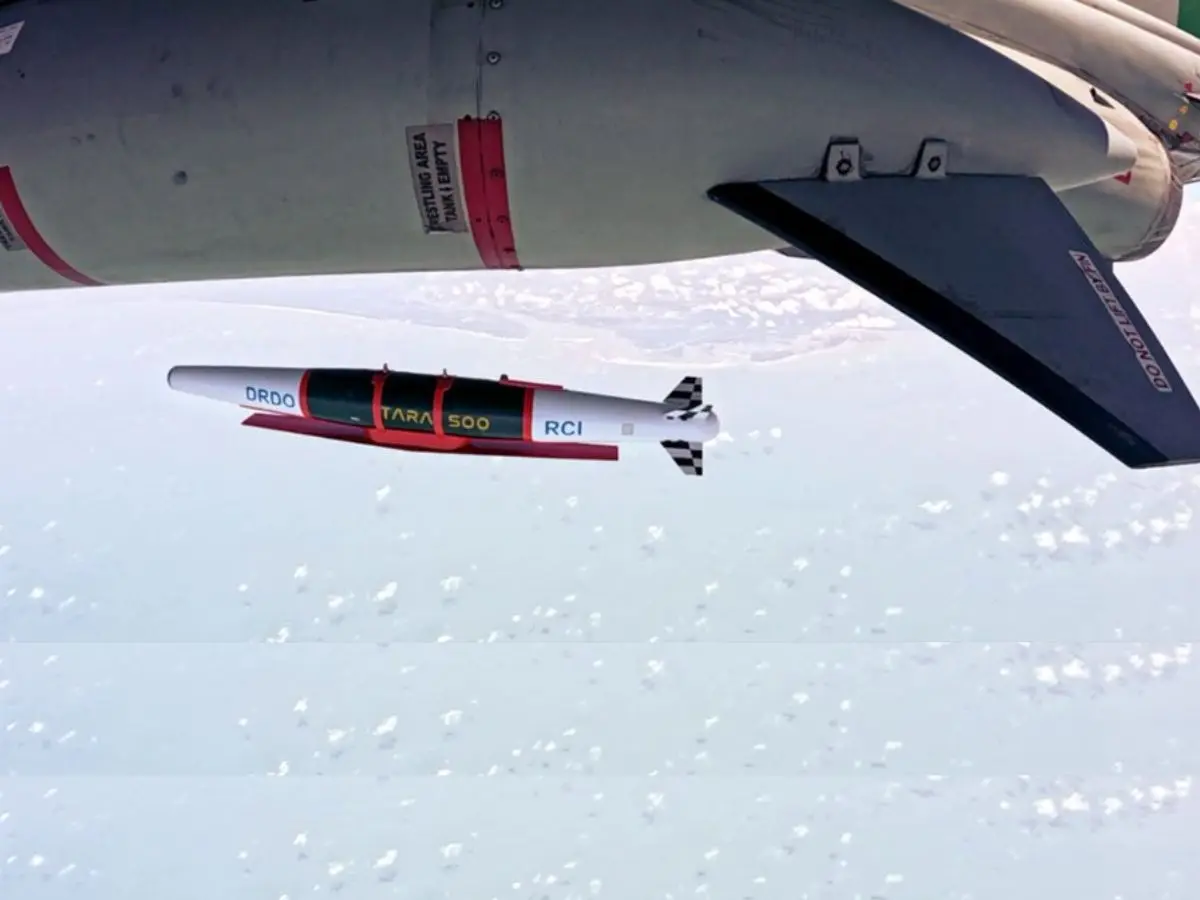
India tests indigenous glide weapon system
India on Thursday successfully conducted the maiden flight-trial of the Tactical Advanced Range Augmentation (TARA) weapon system, marking a major step in the country’s indigenous precision-strike programme. The test was carried out jointly by the Defence Research and Development Organisation and the Indian Air Force (IAF) off the coast of Odisha on May 7, 2026. TARA is India’s first indigenous glide weapon system designed to convert conventional unguided air-dropped warheads into precision-guided weapons with extended strike range and improved targeting capability. Officials said the successful trial demonstrated the system’s ability to enhance the effectiveness of low-cost munitions while allowing combat aircraft to engage targets from safer stand-off distances.
What is the TARA weapon system?
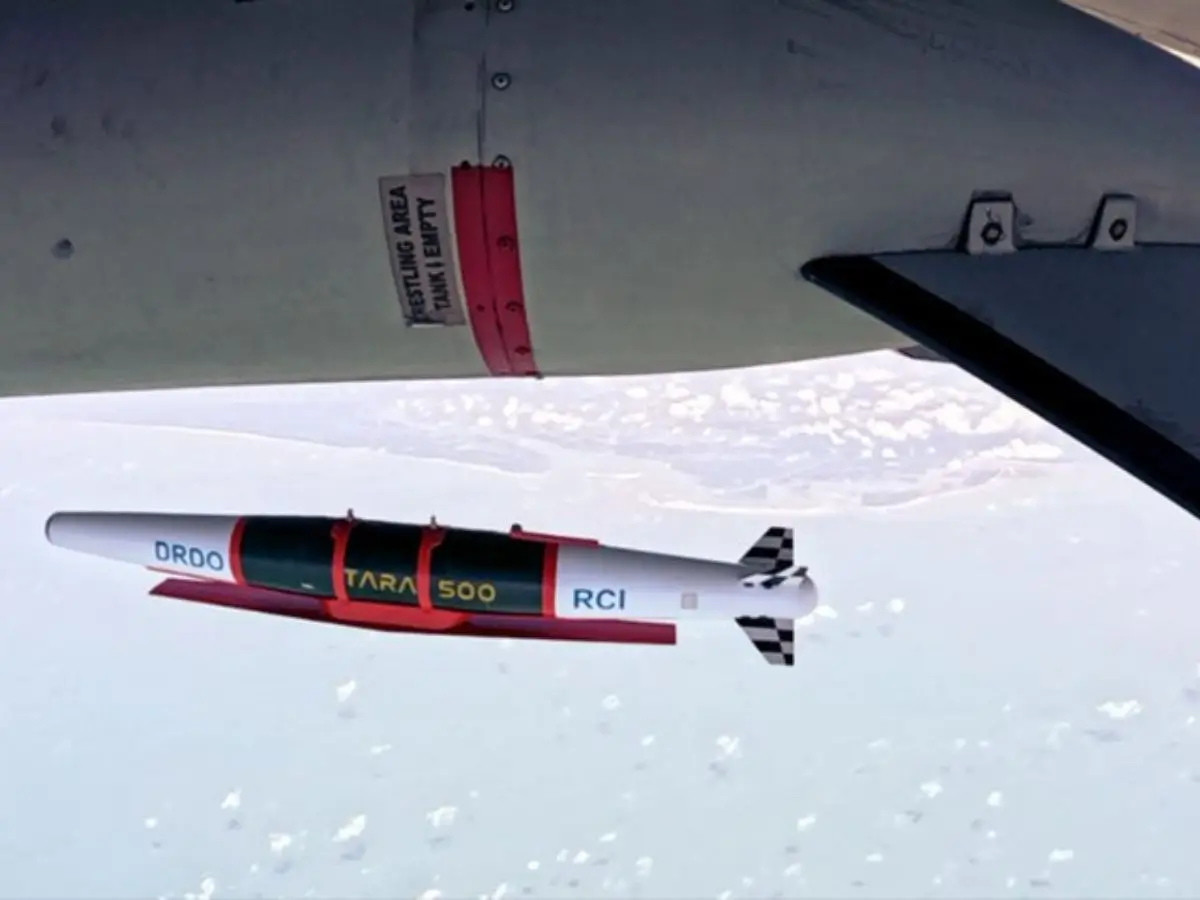
TARA, short for Tactical Advanced Range Augmentation, is a modular glide kit that can be attached to existing unguided bombs and warheads. Once released from an aircraft, the system uses aerodynamic lift and onboard guidance mechanisms to glide towards a target instead of falling directly under gravity like a conventional free-fall bomb. The concept is widely used by several advanced air forces around the world to modernise older bomb inventories without the expense of manufacturing entirely new missiles. What makes TARA significant is that it is the first indigenous Indian system in this category, developed specifically for operational flexibility, affordability and precision warfare.
Key features of the TARA weapon system
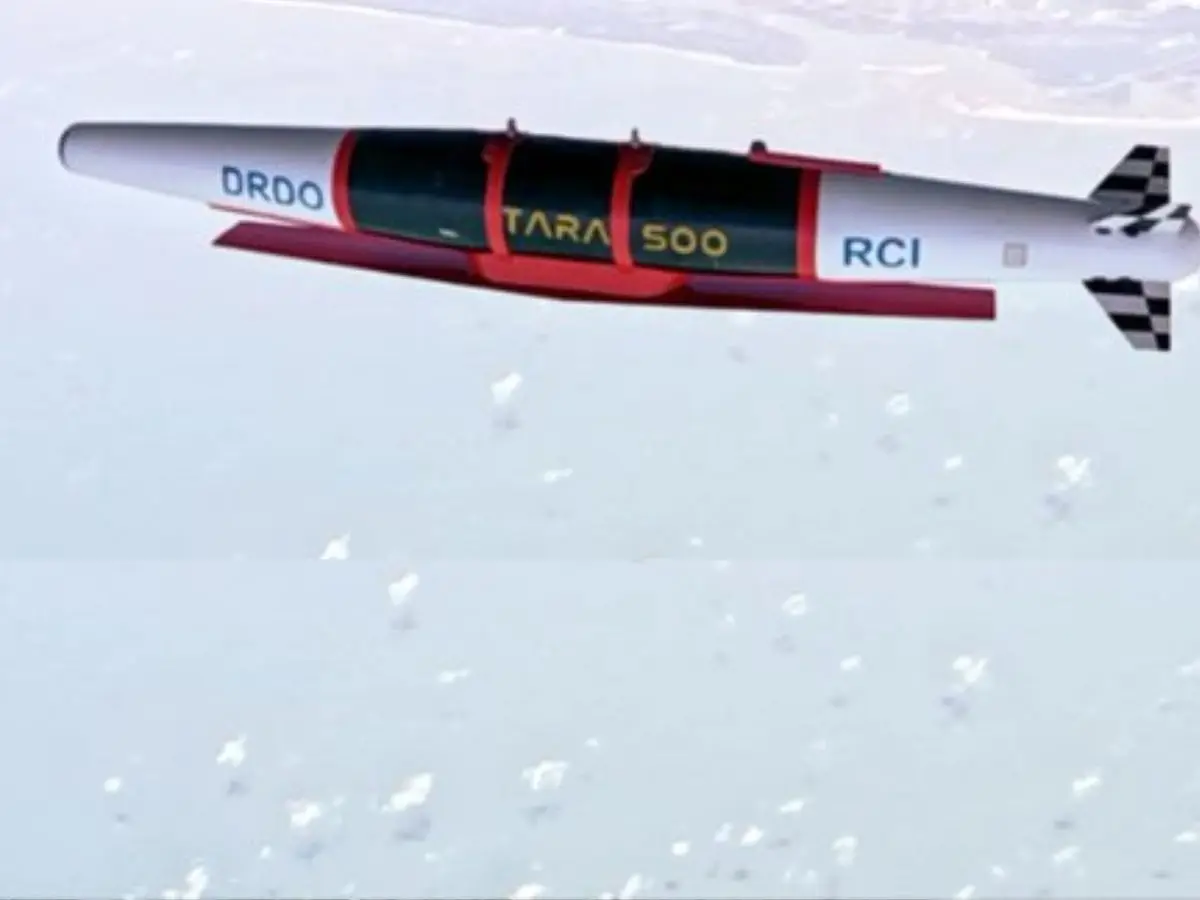
The TARA glide weapon system includes several operational and technological features designed to improve combat effectiveness:
Converts unguided warheads into precision-guided weapons
Extends strike range through glide-based flight
Enables stand-off attacks from safer distances
Improves targeting accuracy against ground-based targets
Uses modular architecture for compatibility with existing munitions
Incorporates low-cost indigenous guidance technologies
Designed and developed entirely in India
Supports rapid integration with Indian Air Force platforms
Enhances lethality without major increase in operational cost
Officials said it is also the first glide weapon in India to utilise state-of-the-art low-cost systems for precision strike capability.

Developed by DRDO and Indian industry The system has been developed by DRDO’s Research Centre Imarat (RCI) in Hyderabad
The system has been developed by DRDO’s Research Centre Imarat (RCI) in Hyderabad along with other DRDO laboratories. The programme was executed in collaboration with Development-cum-Production Partners (DcPP) and Indian defence industries, which have already begun production activity.

Rajnath Singh welcomes successful trial
Defence Minister Rajnath Singh congratulated the DRDO, IAF, DcPP partners and industry teams involved in the successful maiden trial. He described the achievement as “a significant development in advancing India’s indigenous defence capabilities”. DRDO Chairman Samir V Kamat, who also serves as Secretary of the Department of Defence R&D, also congratulated the scientists, engineers and personnel associated with the project, calling the successful flight-trial an important technological milestone for India’s precision weapon systems programme.
)
)
)
)
)