What is Pituffik Space Base, the only US military base in Greenland, and why does it matter?

Pituffik Space Base, the only US military installation on the island and it plays a pivotal role in missile defence and space surveillance.
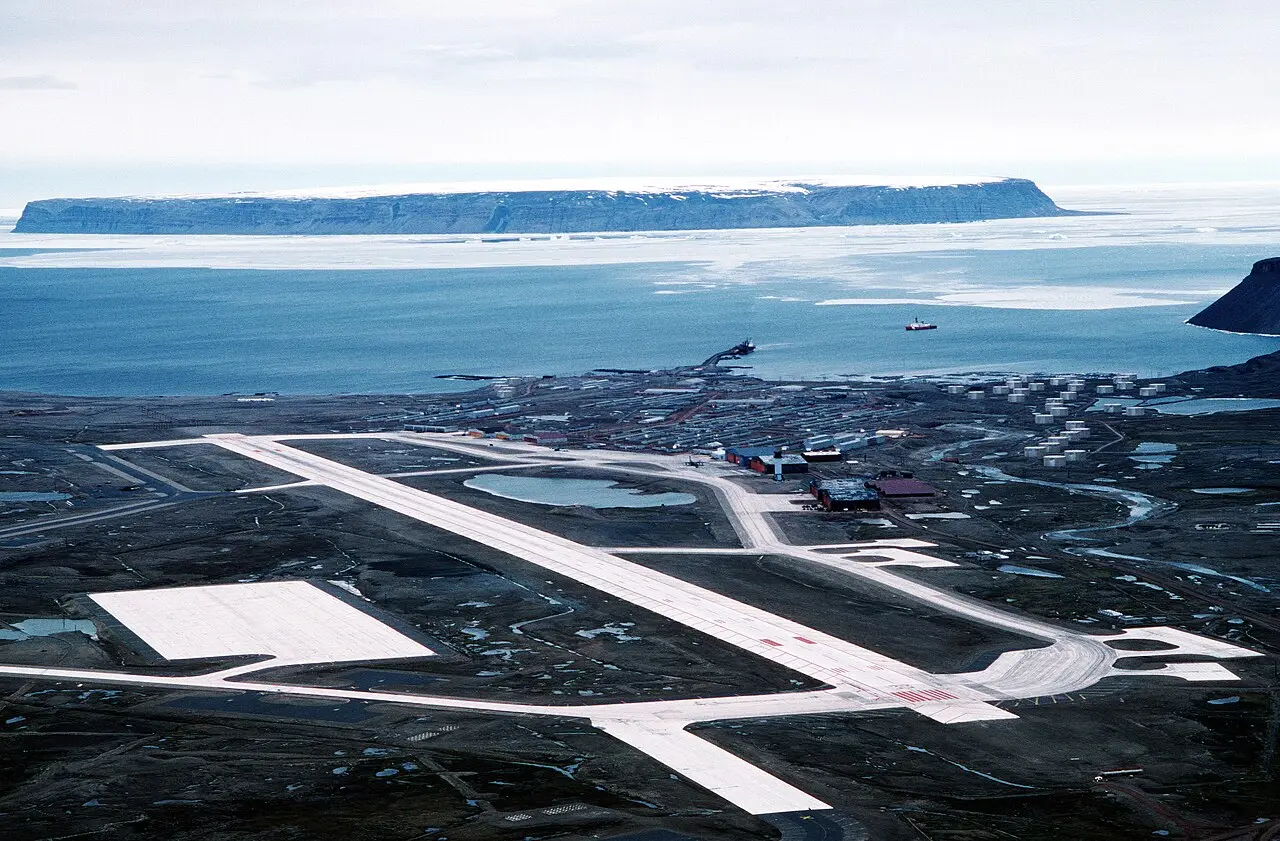
Strategic Heart of Arctic Defence
Following a high-profile military operation in Venezuela, the White House confirmed on Tuesday that US President Donald Trump is again exploring ways to acquire Greenland, including potentially using the US military. This marks a revival of his long-standing ambition to bring the strategically vital Arctic island under control of the US, despite facing strong objections from European allies and Denmark, which asserts Greenland’s sovereignty. Amid these development, Pituffik Space Base, the only US military installation on the island becomes an important topic of discussion.
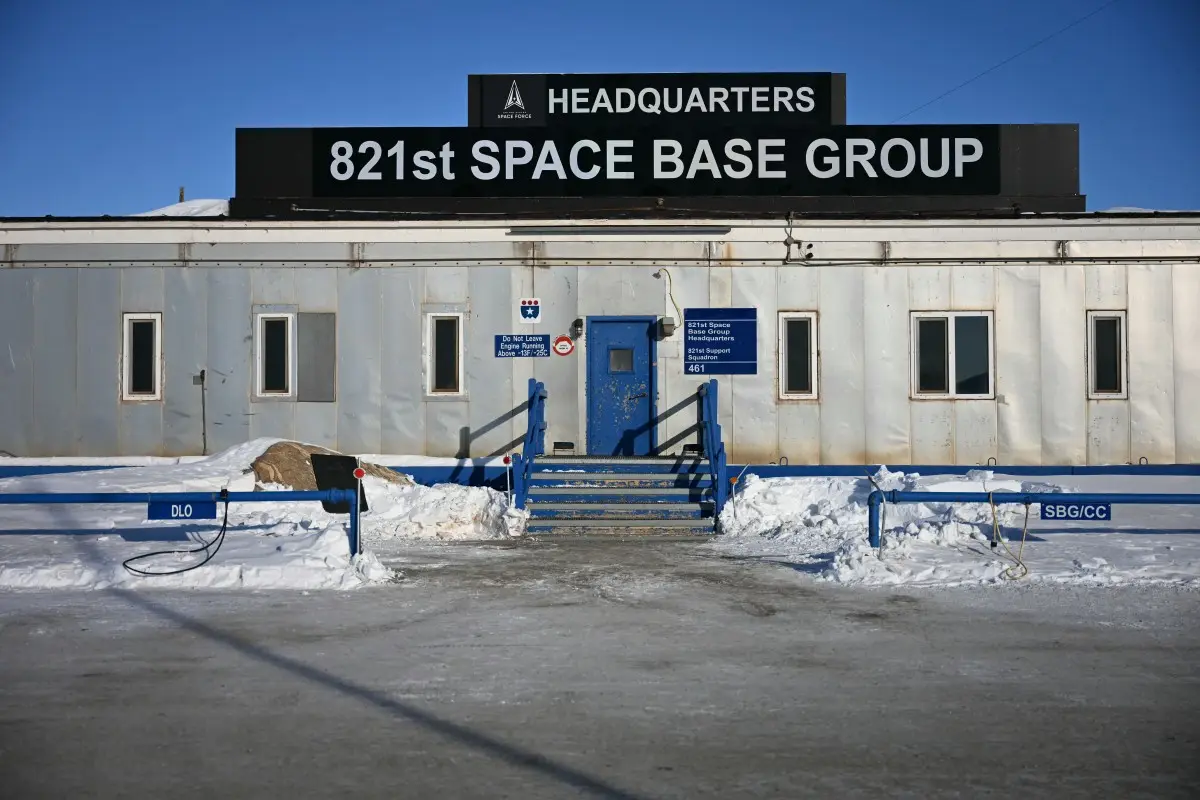
About the base
Pituffik Space Force Base lies on Greenland’s northwest coast and is the northernmost Department of Defense facility. The base is hosting advanced radar and satellite tracking systems that supports US and NATO early warning capabilities. Greenland covers nearly 8,40,000 square miles of which, more than 80 per cent is covered either by the ice cap or smaller glaciers.
Origins and Historical Context
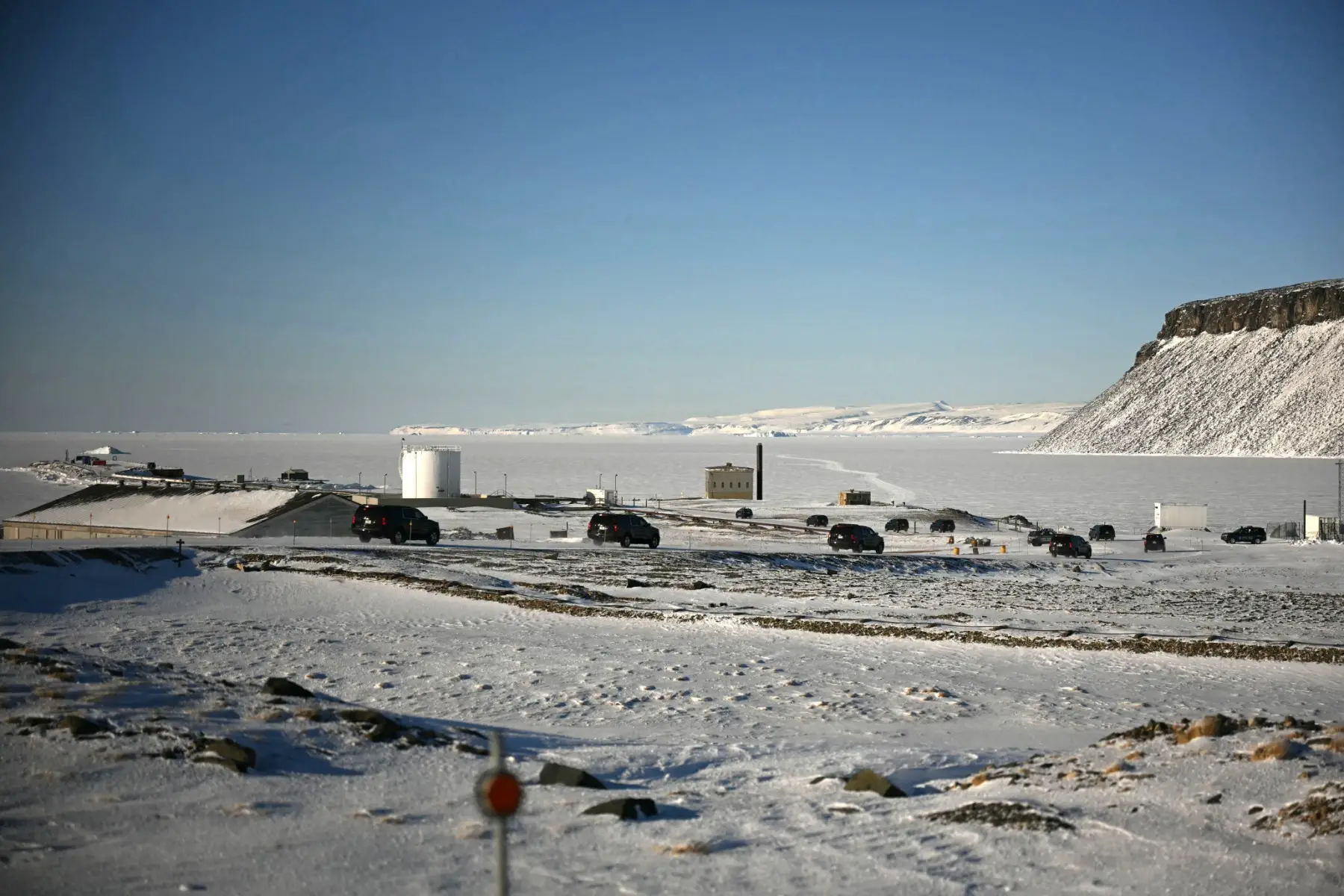
The American presence in Greenland traces back to World War II, when the US began establishing airfields under agreement with Denmark to prevent German occupation. Pituffik itself originated under secret construction in 1951 as a Cold War airbase (then known as Thule Air Base) designed to house and refuel long-range bombers bound for Soviet targets. For almost nine months of the year, the base is locked in by ice, although it remains accessible by plane throughout the year. For three months there is no sunlight.

Renaming and Cultural Recognition
In 2023, Thule Air Base was officially renamed as Pituffik Space Base, to 'recognize Greenlandic cultural heritage and better reflect its role in the US Space Force', the military said in a press release. It also symbolises a shift in narrative from purely strategic Cold War functions toward modern space domain awareness.

Strategic Location and Operations
Pituffik’s remote position, about 750 miles north of the Arctic Circle and about 932 miles from Greenland's capital Nuuk, gives it unparalleled vantage for monitoring northern air and space approaches. It is locked in ice for much of the year. Its facilities include the world’s northernmost deep-water port and an airfield operational year-round despite extreme conditions. The 12th Space Warning Squadron operates radar for missile detection and defence, while the satellite tracking detachment supports global space operations.

Defence Agreements and Sovereignty
Pituffik base exists today due to agreements between the United States and the Kingdom of Denmark, specifically addressing mutual defense. These accords permit the US to maintain the installation while respecting Danish sovereignty over Greenland. Any expansion of US military presence requires consultation with both Copenhagen and Greenlandic authorities.
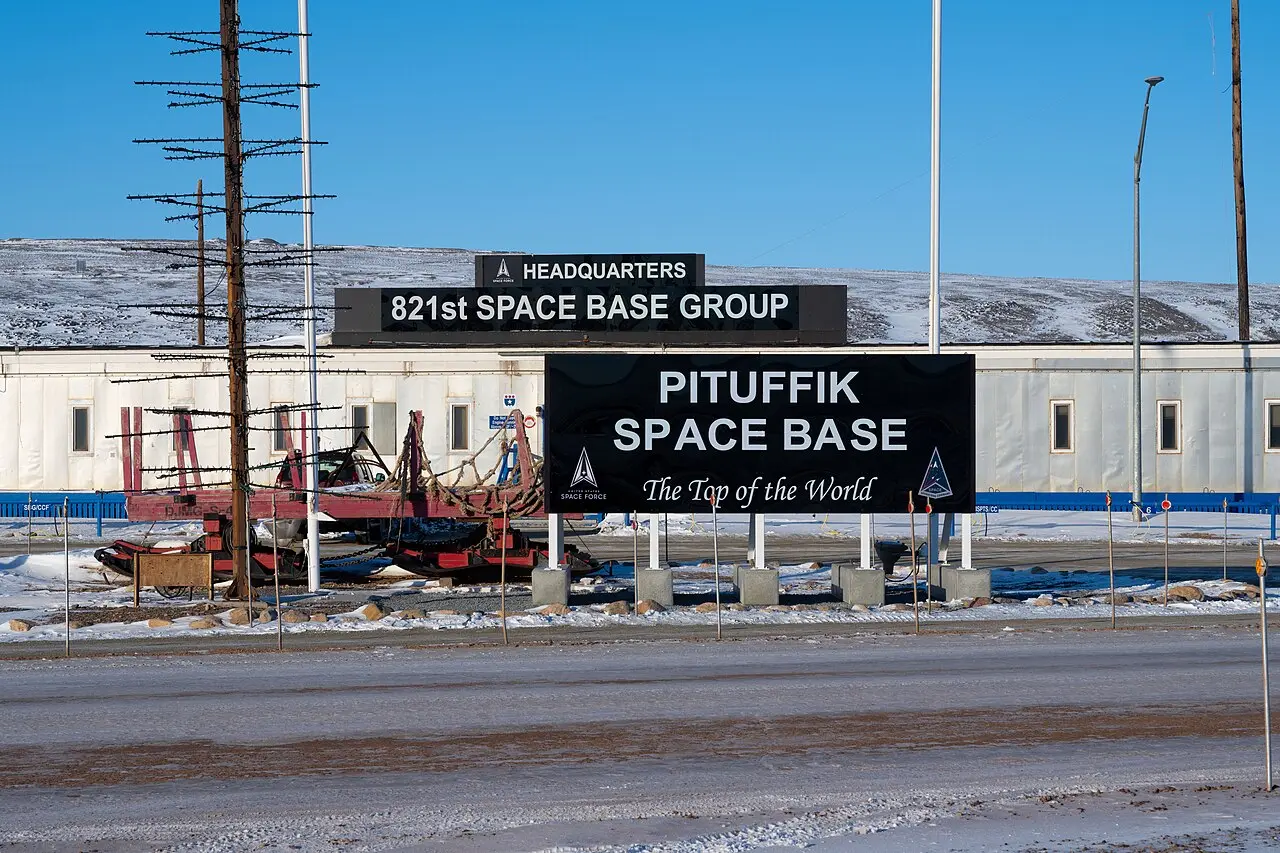
Geopolitical Significance
Approximately 150 US air force and space force personnel are stationed at Pituffik, alongside Danes and Greenlanders according to The Guardian. Pituffik has regained prominence amid heightened Arctic competition. As nations such as Russia and China increase their polar activities, Greenland’s location becomes strategically vital for national and allied defence. Pituffik contributes to monitoring Russian movements and emerging Arctic sea routes opened by climate change.
)
)
)
)
)