What is nuclear deterrence and how K-5 missile gives India a strategic edge

Nuclear deterrence is not about having the most weapons, it’s about having weapons that cannot be destroyed. The K-5 missile, once operational, strengthens India’s deterrent by giving its submarines greater range, safety and strike flexibility.
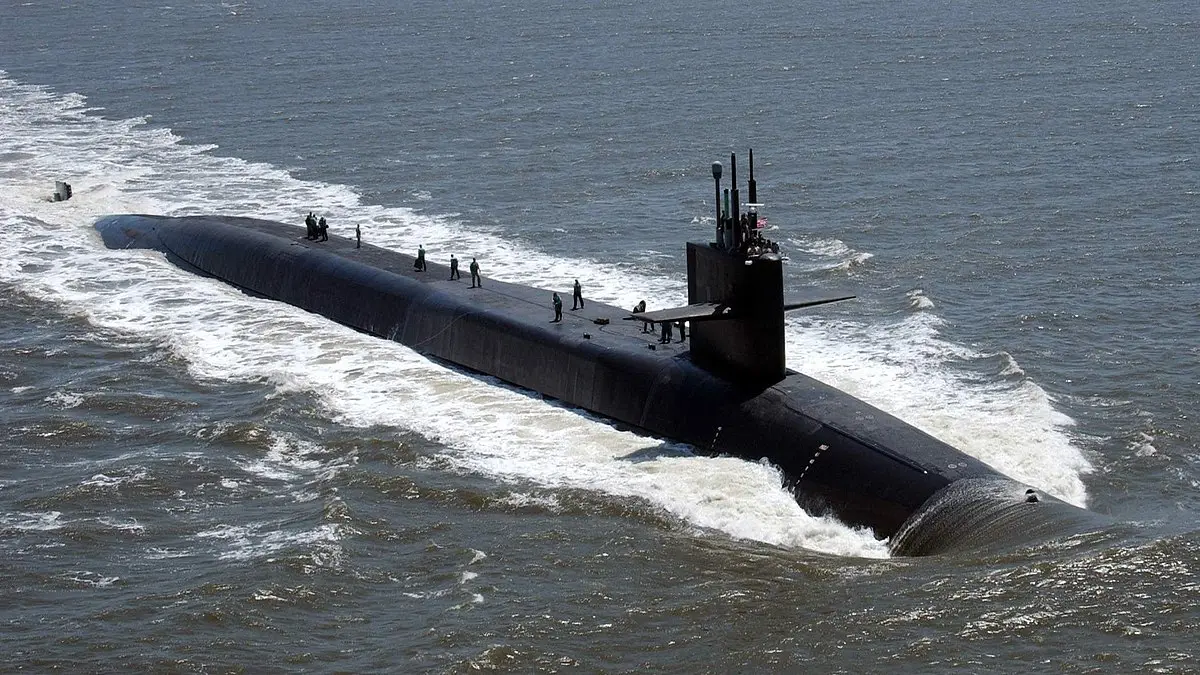
1. What Nuclear Deterrence Actually Means
Nuclear deterrence is the idea that a country can prevent a nuclear attack by ensuring it can still strike back even after being attacked first. This is called second-strike capability. When an adversary knows that a nuclear assault will result in a guaranteed retaliatory strike, the incentive to attack first disappears. Deterrence is not about fighting a nuclear war, it’s about making sure one never starts.
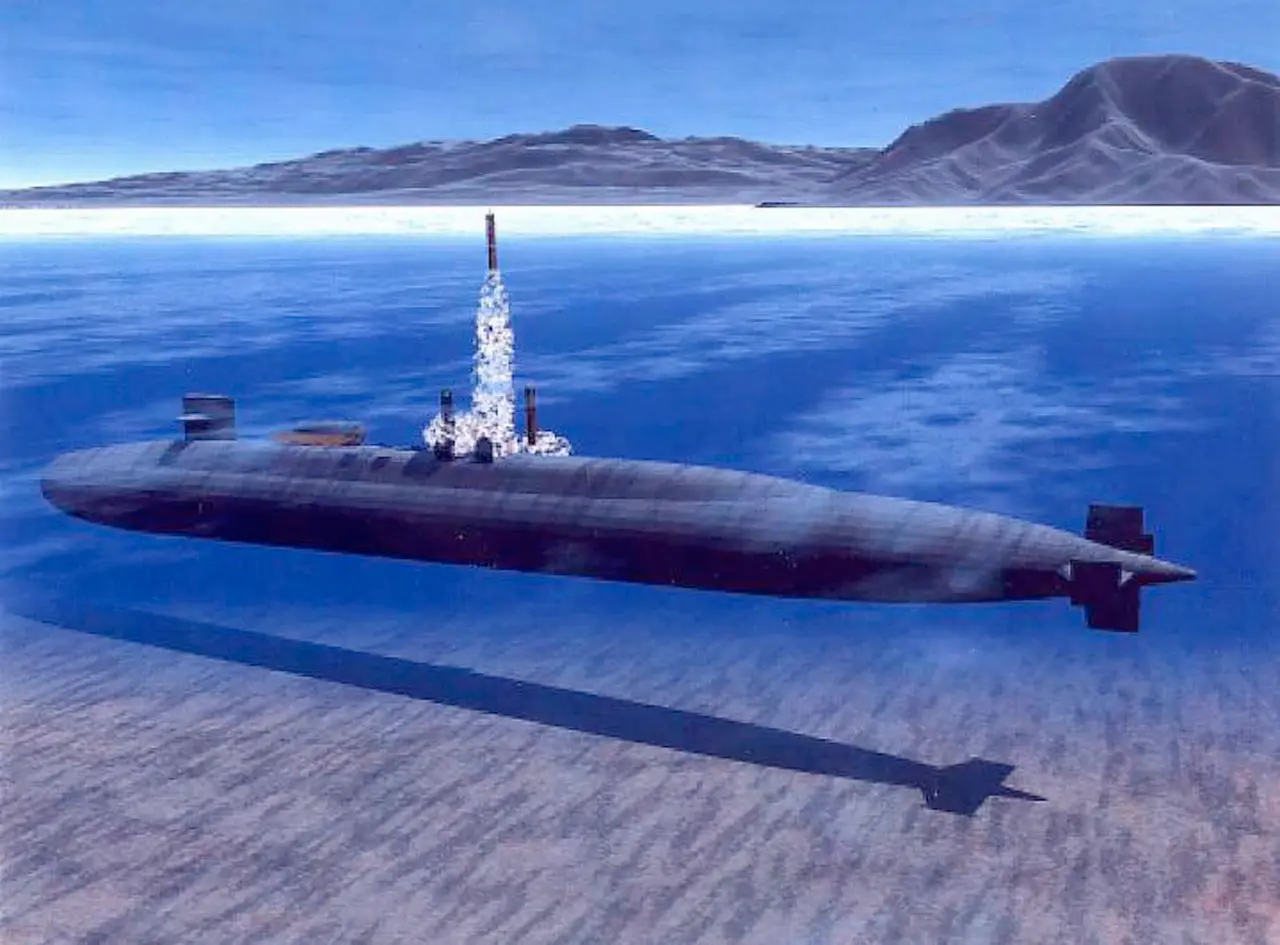
2. Land-Based Missiles Alone Cannot Guarantee Deterrence
Land missiles, mobile launchers, and airbases can be observed by satellites, tracked, or targeted by long-range precision weapons. In a crisis, these assets are vulnerable. If an adversary believes it can destroy most of these in a first strike, deterrence becomes shaky. That is why every major nuclear power relies on submarine-launched ballistic missiles (SLBMs) because submarines can hide where satellites and radars cannot reach: the deep ocean.
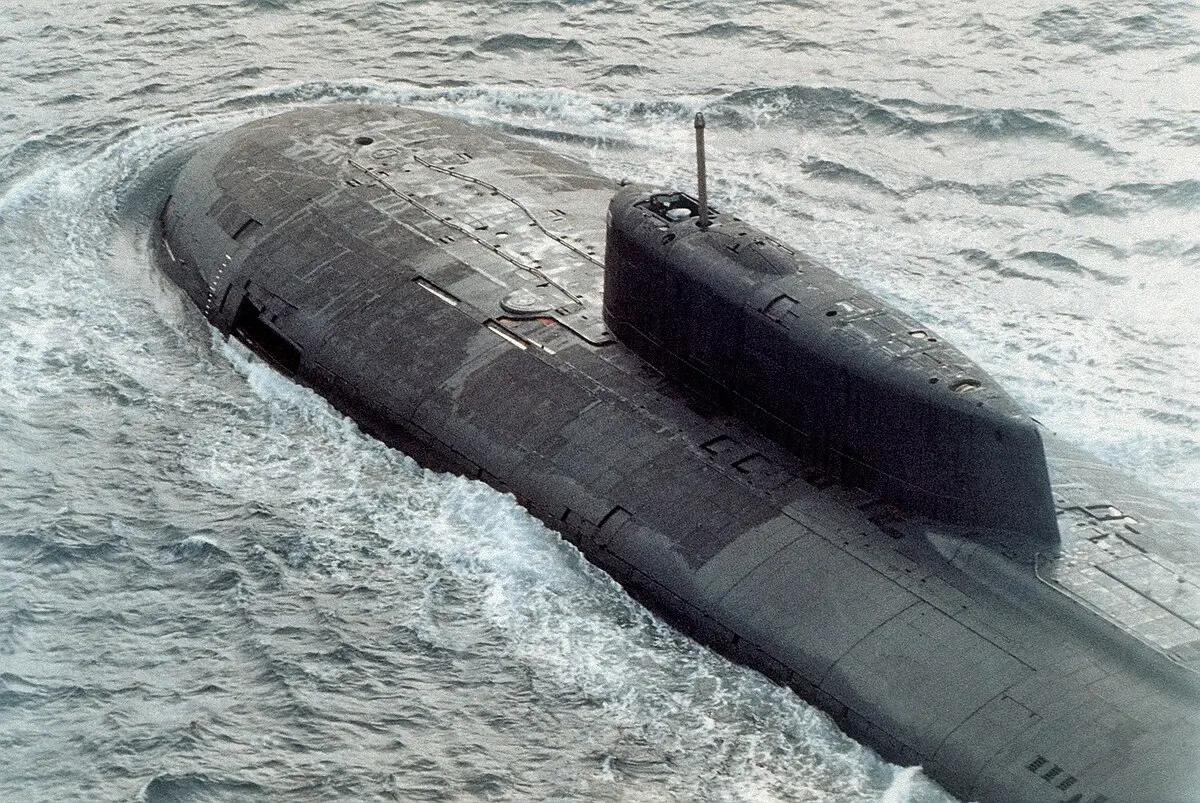
3. India’s Nuclear Doctrine Depends Heavily on Guaranteed Retaliation
India follows a declared No First Use (NFU) policy, meaning it will not start a nuclear conflict. NFU makes deterrence entirely dependent on the assured ability to retaliate. This makes the survival of India’s nuclear forces absolutely critical. A strong SLBM capability strengthens India’s nuclear doctrine, making its promises credible and its posture stable.
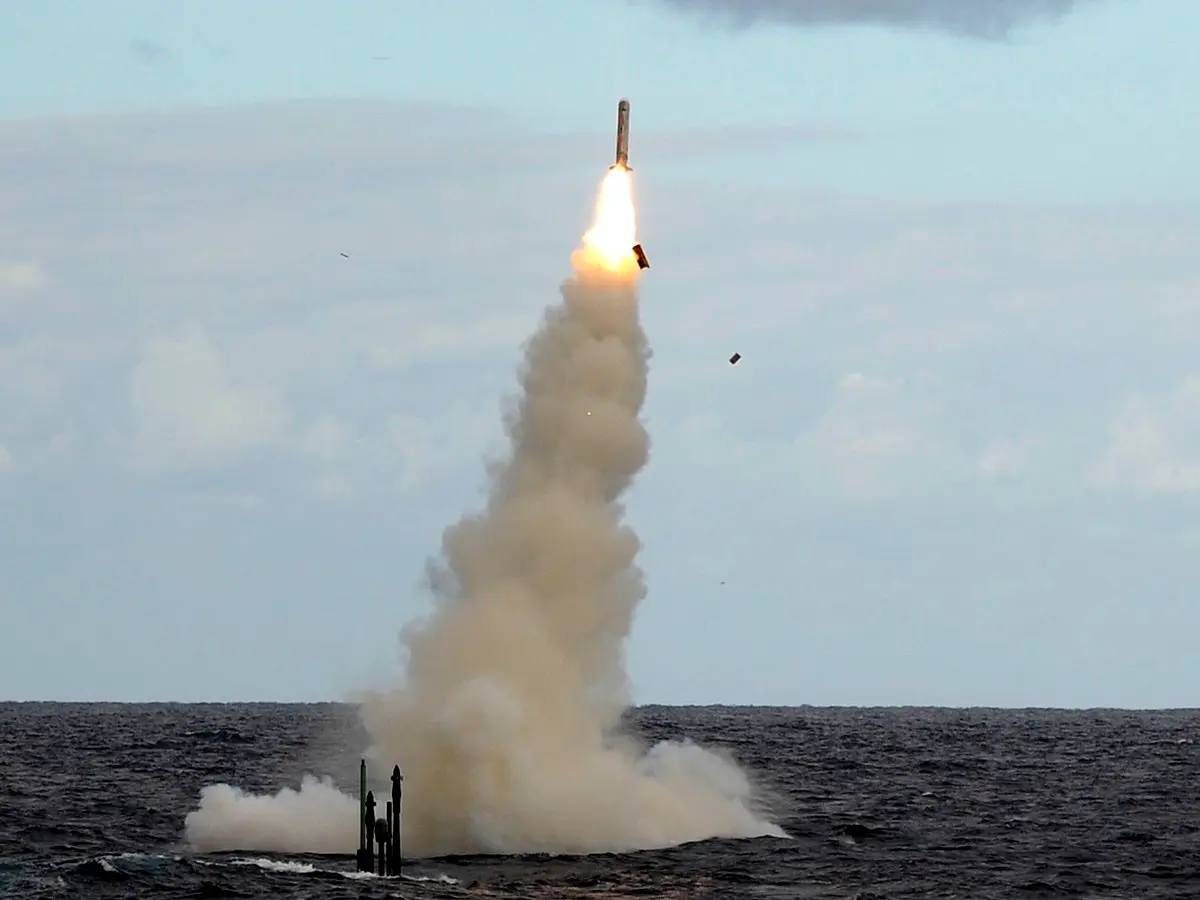
4. Why SLBMs Like the K-5 Are the Backbone of a Secure Deterrent
Submarine-launched missiles are the hardest for any adversary to find, track, or pre-empt. A single nuclear submarine can move hundreds of kilometres underwater without detection. Even global powers struggle to find enemy SSBNs. For India, an SLBM such as the K-5 ensures that at least one retaliatory-capable platform always survives. When a deterrent cannot be eliminated, it becomes effective.
5. K-5’s Long Range Increases the Submarine’s Safety Zone
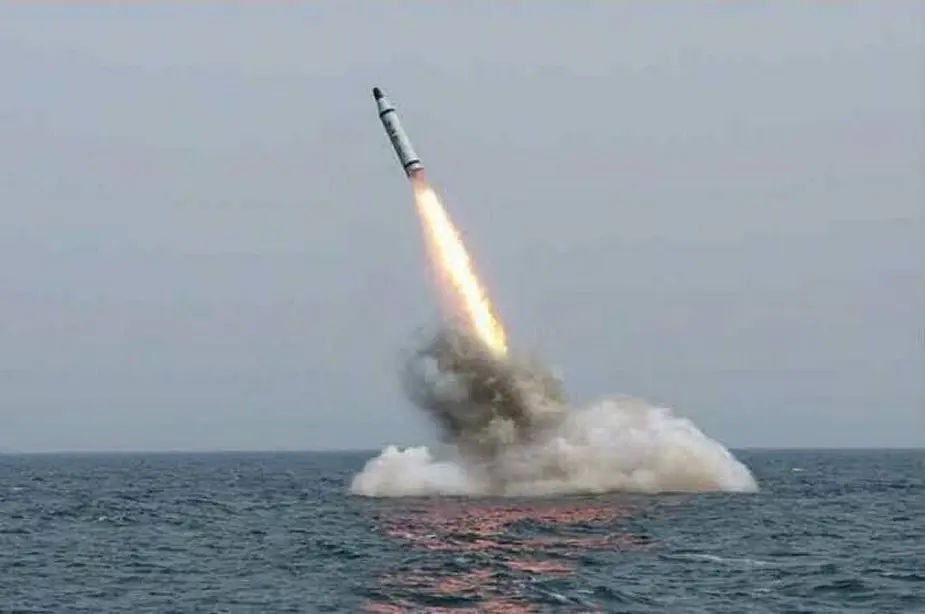
Open-source assessments suggest the K-5 may have a range of 5,000–6,000 km, much longer than the already tested K-4 (3,500 km). This allows Indian Arihant-class submarines to patrol deep inside the Bay of Bengal or Southern Indian Ocean, far from enemy surveillance aircraft, hunter-killer submarines, or coastal sensors. A deterrent is only credible if it cannot be hunted. The K-5 widens India’s “ocean sanctuary”, making its SSBNs nearly impossible to target.
6. Range Gives India Strategic Options Without Leaving Home Waters
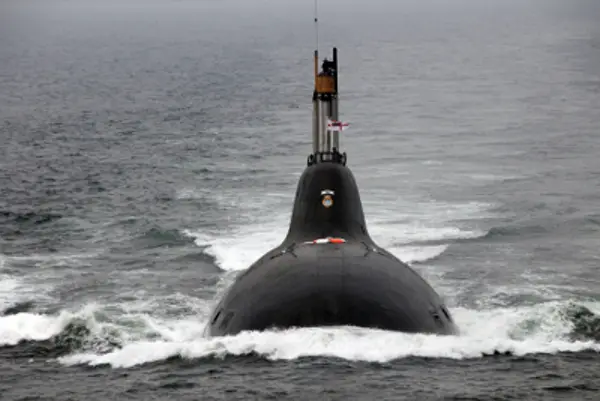
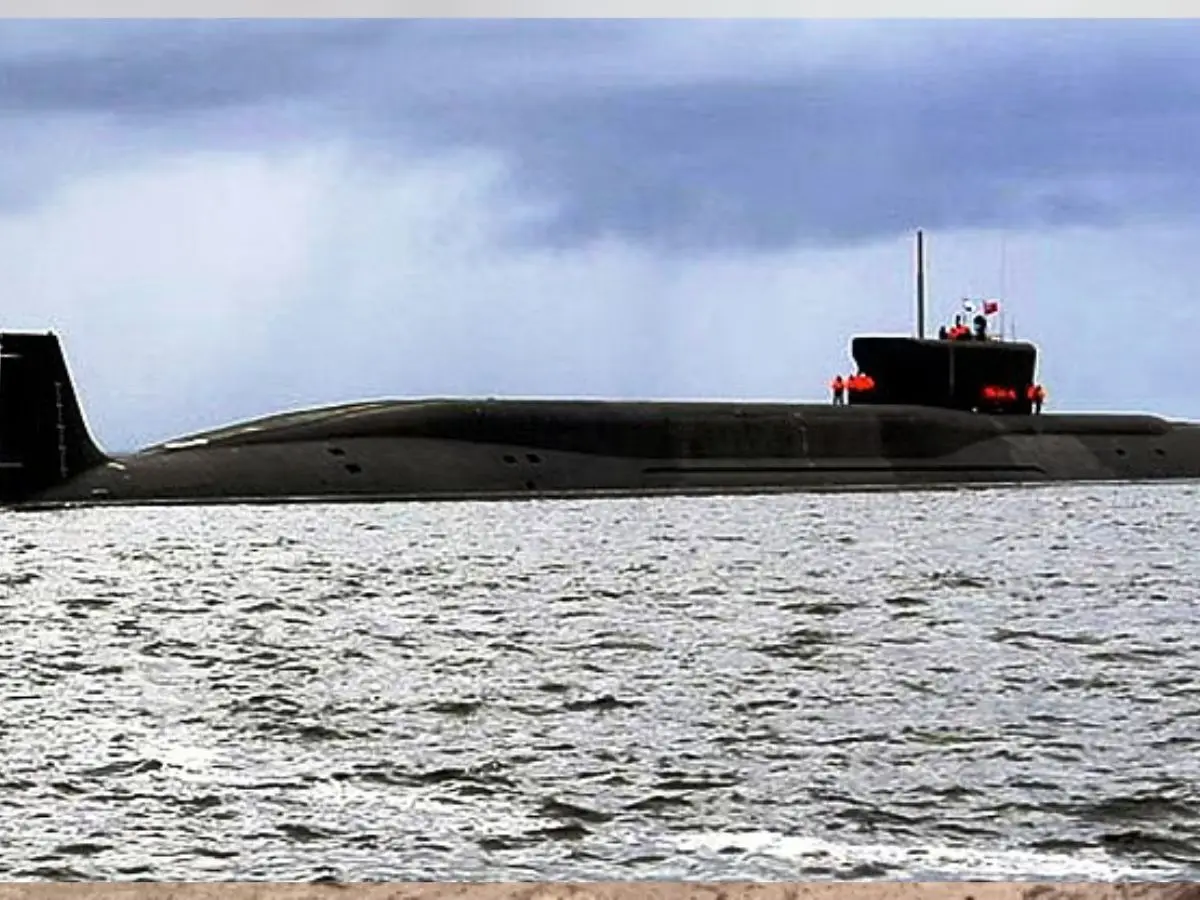
With a missile like the K-5, India can achieve full-spectrum deterrence without pushing its submarines into hostile seas. From a secure zone in the Indian Ocean, an Arihant-class submarine could cover every major strategic centre of any adversary in the region. This is what gives India a “deterrence edge” the ability to protect national security without exposing its submarines to unnecessary risk.
7. How the K-5 Strengthens Stability in South Asia
A secure sea-based deterrent reduces panic, miscalculation and arms-race behaviour. When India’s second-strike capability is unquestionably survivable, adversaries are less likely to misjudge India’s nuclear posture or overestimate their own options. In nuclear strategy, the side with the more survivable deterrent usually has the more stable position. The K-5 helps India move toward that stability.
Final Word
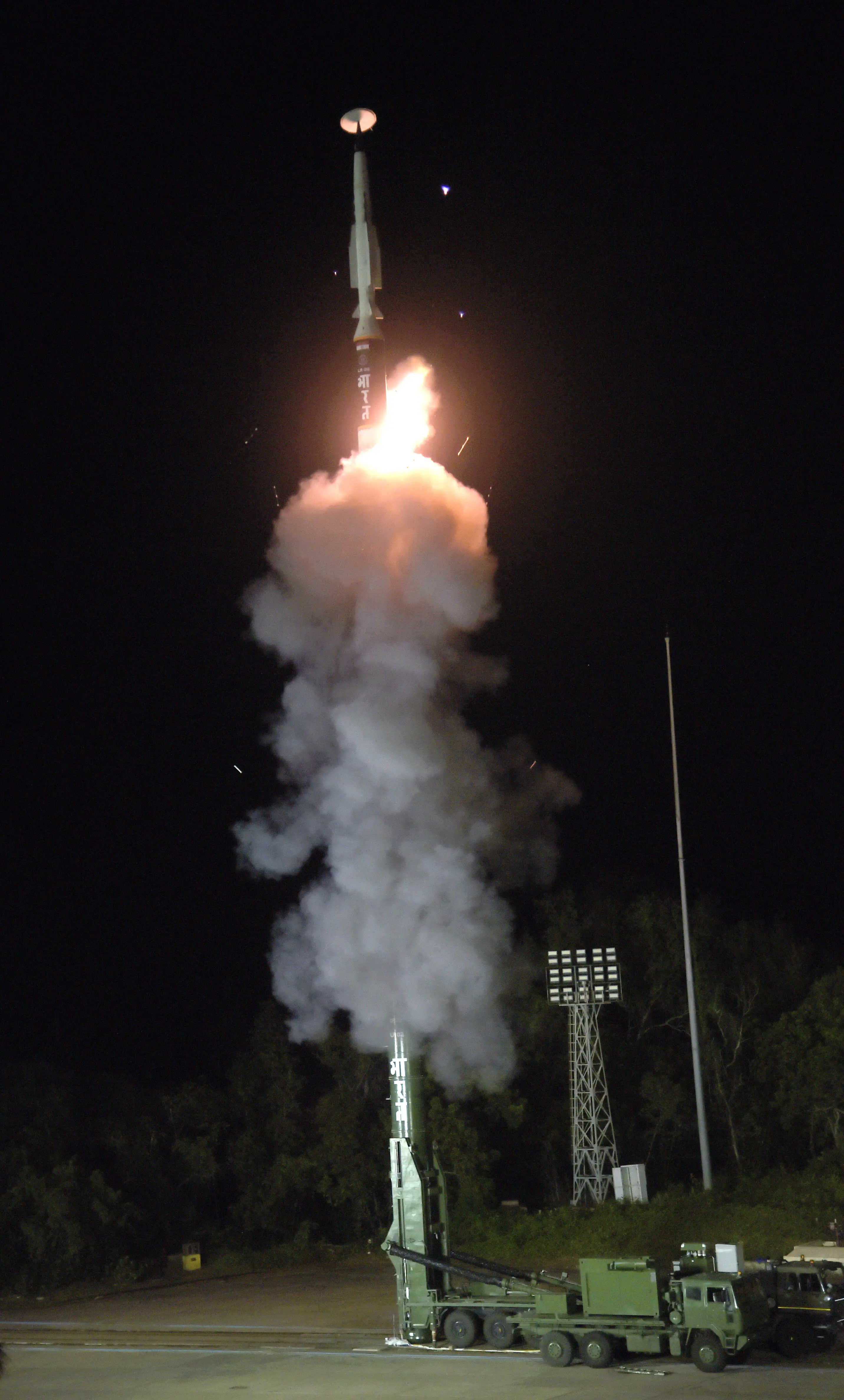
Nuclear deterrence is not about having the most weapons, it’s about having weapons that cannot be destroyed. The K-5 missile, once operational, strengthens India’s deterrent by giving its submarines greater range, safety and strike flexibility. In simple terms: a hidden, long-range SLBM equals a deterrent no enemy can gamble against.
)
)
)
)
)