What is next in ISRO's Chandrayaan-2 mission


90-95% mission objectives accomplished
The government on Saturday said that 90 to 95 per cent of the mission objectives have been accomplished and the orbiter will continue to contribute to lunar science.
After a moment of "despondency", ISRO project team is back to work, said Principal Scientific Adviser to the government of India, K Vijay Raghavan on Twitter.
Orbiter to send high-resolution images
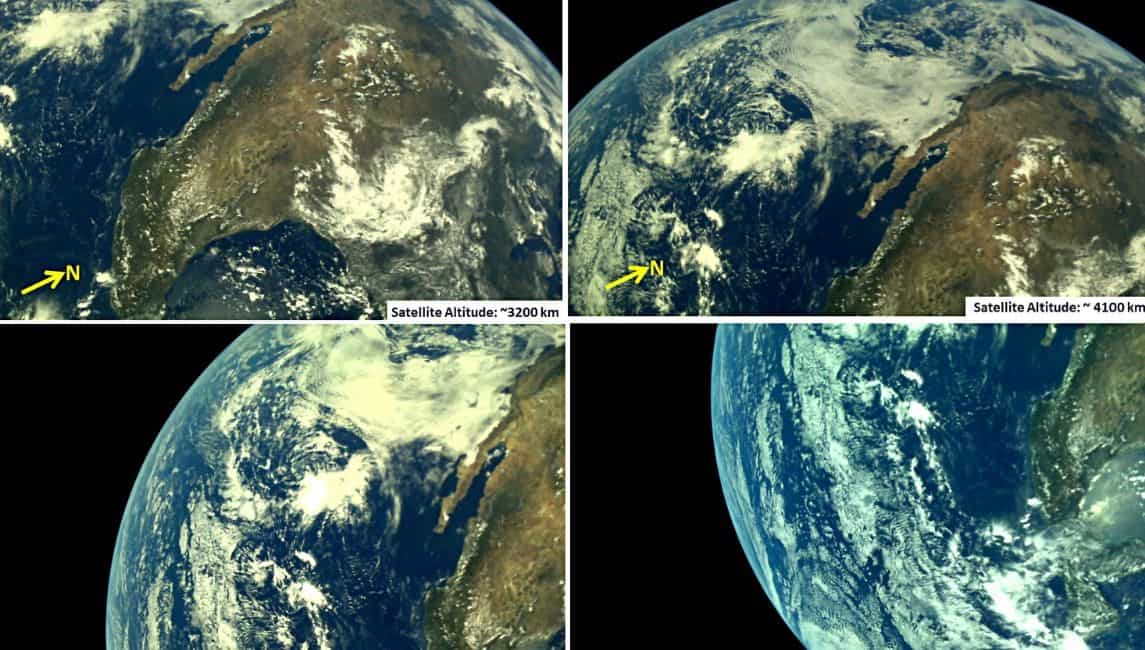
The agency also said that the Chandrayaan's Orbiter will send high-resolution images and enrich the understanding of Moon's evolution mapping of minerals and water in its polar region.
Life of seven years
The Orbiter has already been placed in its intended orbit around the moon and shall enrich our understanding of the moon's evolution, map minerals, water molecules in the polar regions, using its eight state-of-the-art scientific instruments, Raghavan also said.The precise launch and mission management has ensured a long life of almost seven years instead of the previous estimate of just 12 months.
'It is back to work!!'
ISRO project review teams have made presentations to mission management, chaired by Dr K Sivan right from the early hours of the day and are already addressing causes and learning from the events.
"After a moment of despondency, it is back to work!! It is inspirational to see this characteristic of science in collective action. Kudos to ISRO," he said.

Ambitious Chandrayaan-2
Calling Chandrayaan-2 a highly complex mission, the ISRO said that it represented a significant technological leap compared to the previous missions undertaken by it. It aimed at studying the Moon's surface, sub-surface and the exosphere.
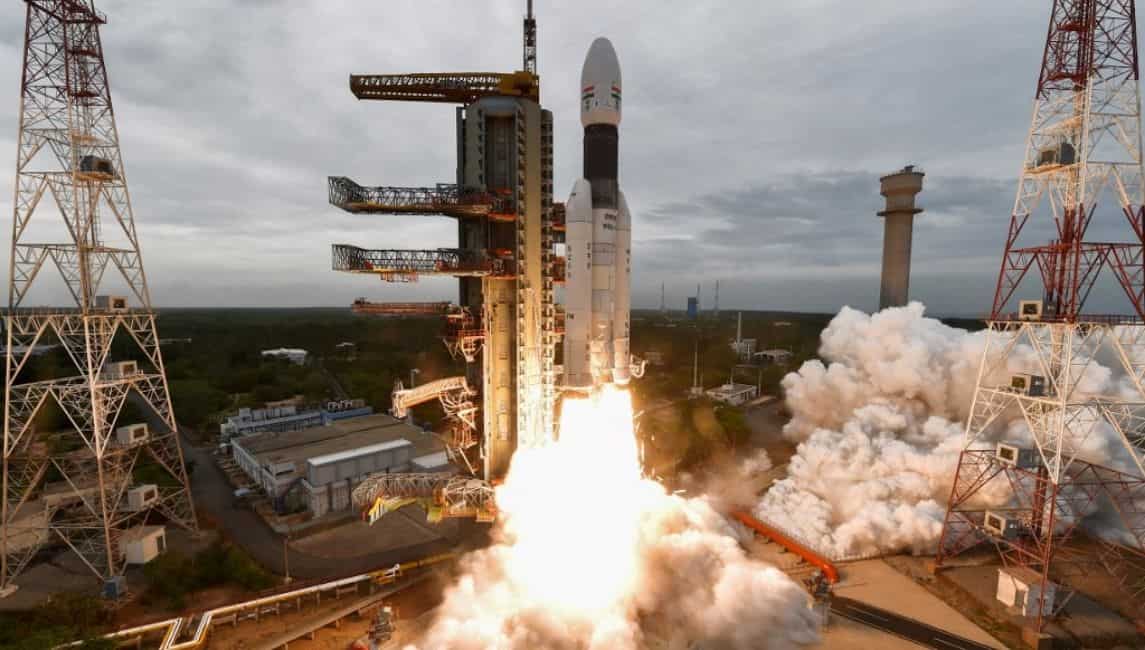
After revolving around the earth's orbit, Chandrayaan-2 began its journey to the moon on August 14, 2019, and all manoeuvres were carried out to perfection until the last few minutes of descent.
Vikram lander lost contact with ground stations minutes before its planned touchdown on the lunar surface last year.
The orbiter has clicked a thermal image of the Lander.
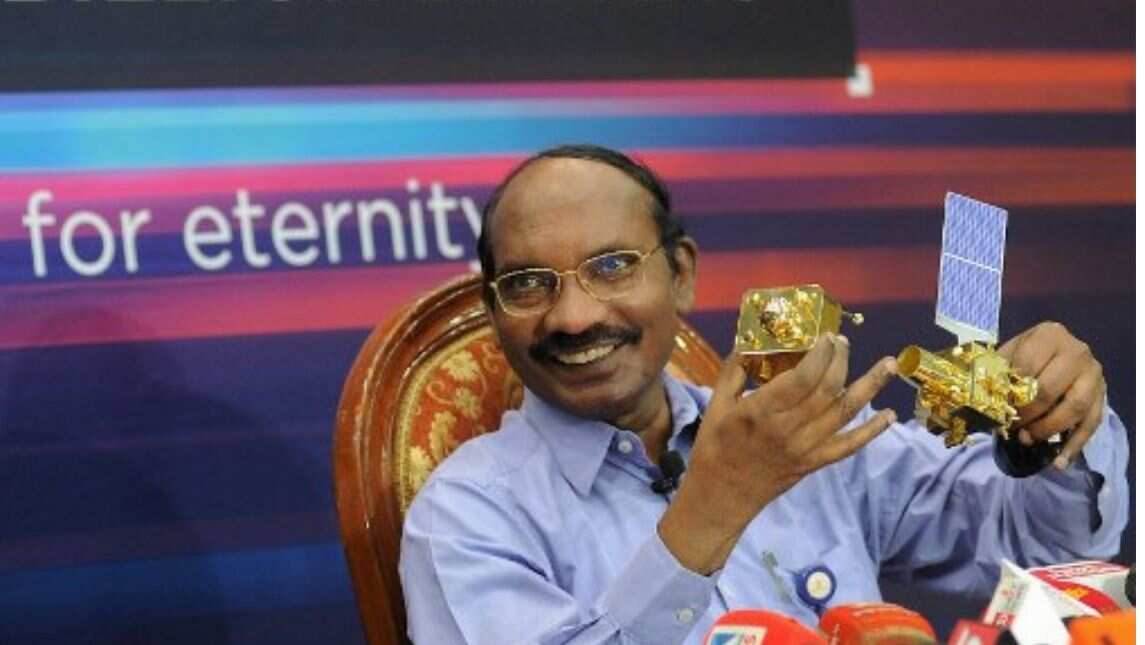
"We have found the location of Lander Vikram on lunar surface and orbiter has clicked a thermal image of Lander," K Sivan said. However, no communication has yet been established with the Lander. "We are trying to establish contact. It will be communicated soon," K Sivan had said.
A highly complex mission
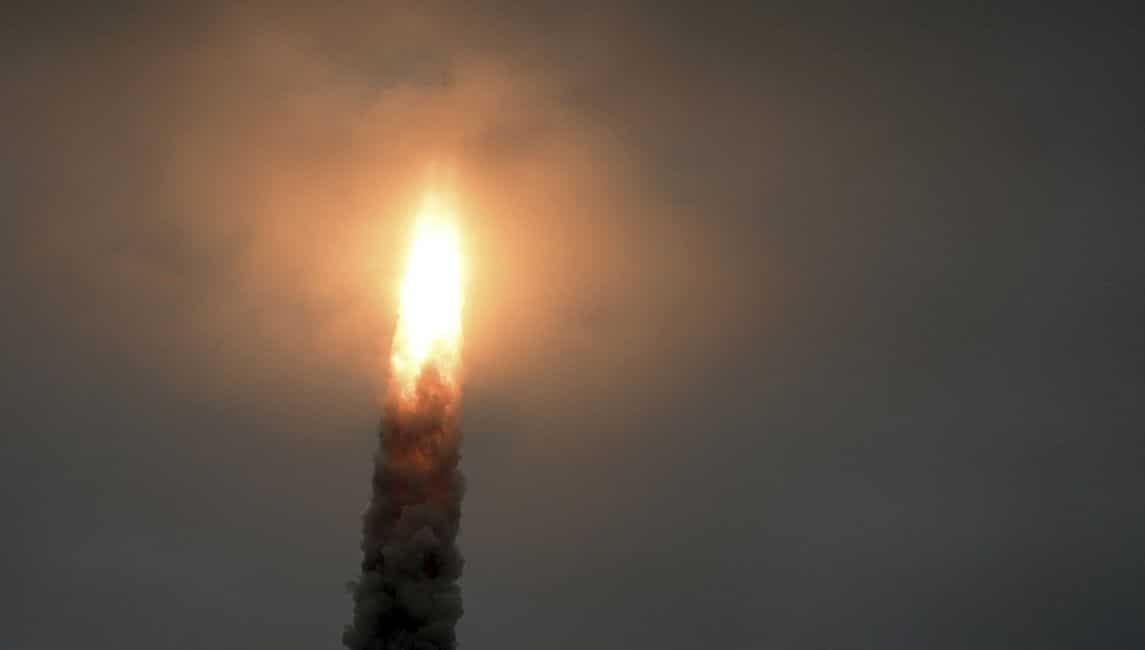
Calling Chandrayaan-2 a highly complex mission, the agency said that it represented a significant technological leap compared to the previous missions undertaken by it.It was aimed at studying the Moon's surface, sub-surface and the exosphere.
)
)
)
)
)