What is Iron Beam Lite and why could it become Israel’s top drone killer?

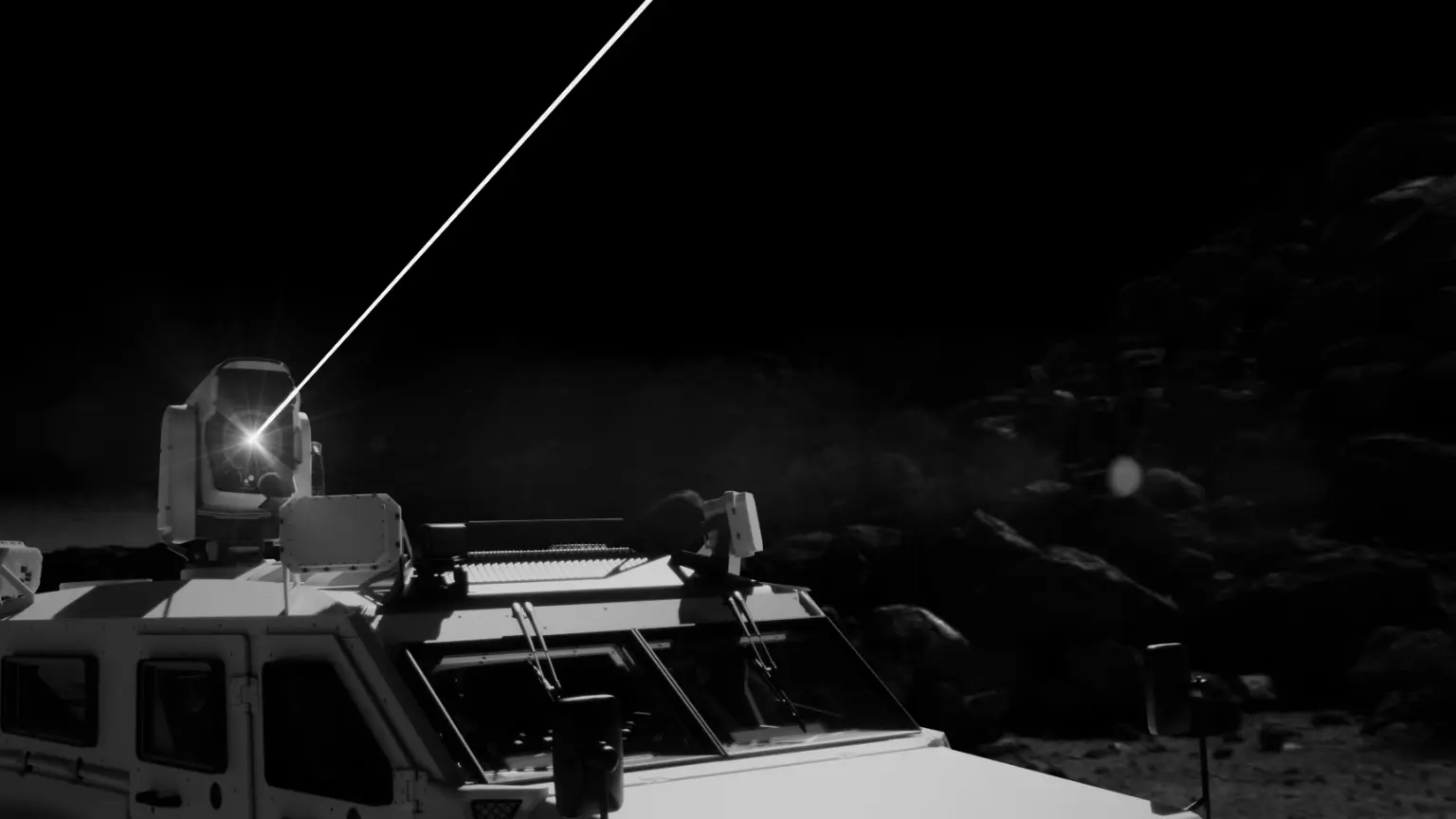
While Iron Beam is a 100 kW high-energy laser designed to intercept rockets, mortars, artillery and UAVs, Iron Beam Lite introduces a mobile 10 kW variant intended for frontline forces.
A New Layer in Israel’s Evolving Laser Defence
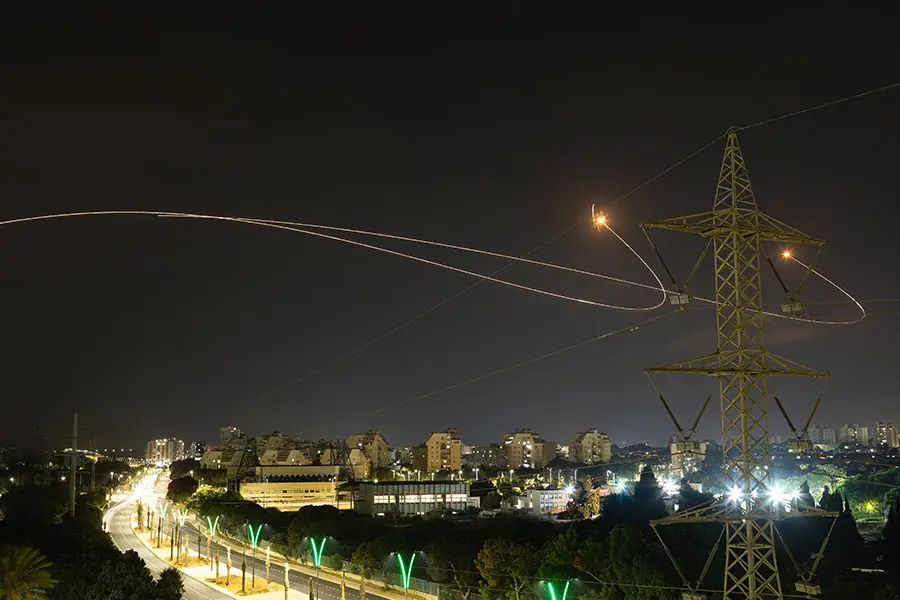
Israel is all set to deploy its Iron Beam by the end of this year, thus becoming the first country to field a a combat-ready laser air defence system. Israel’s push into laser-based air defence further accelerated with the development of Iron Beam's lighter counterpart, Iron Beam Lite. While Iron Beam is a 100 kW high-energy laser designed to intercept rockets, mortars, artillery and UAVs, Iron Beam Lite introduces a mobile 10 kW variant intended for frontline forces. According to information from RAFAEL, which develops both systems, the Lite version is designed to counter the rapid rise of small UAVs and drone swarms, now one of Israel’s most persistent battlefield threats.
The Need for a Dedicated Drone Killer
Small drones have become cheaper, faster, and more adaptable, in today's era. This makes them difficult to counter with conventional interceptors. Iron Beam Lite is built specifically for this challenge. RAFAEL states that the system can neutralise low-altitude UAVs, mini-drones and drone swarms at ranges of up to 3 km by heating a coin-sized point on each target until failure occurs within seconds. Additionally, the system can destroy up to 10 threats simultaneously, an essential capability in modern drone-heavy warfare.
Mobility That the Full-Size Iron Beam Cannot Match
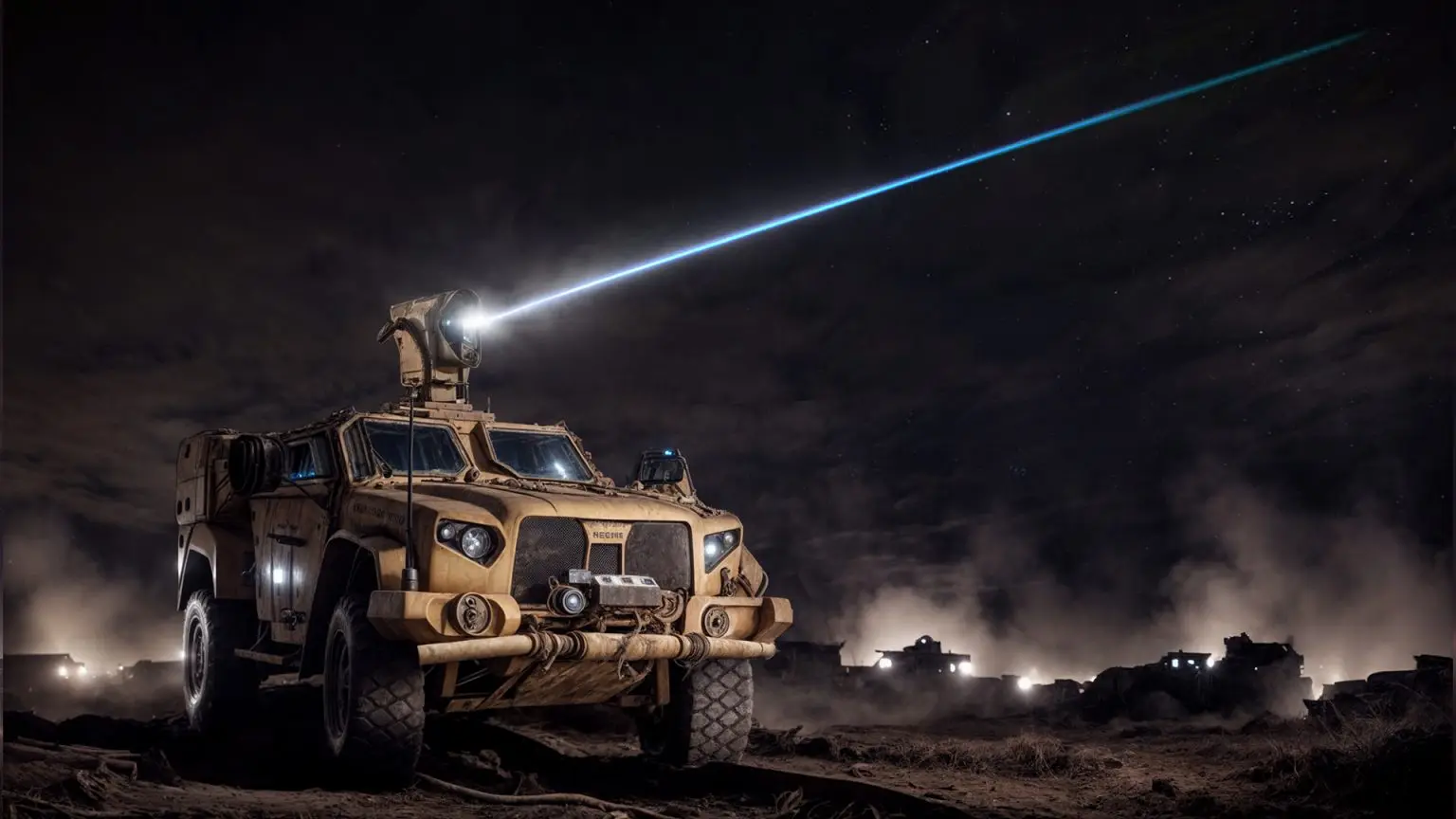
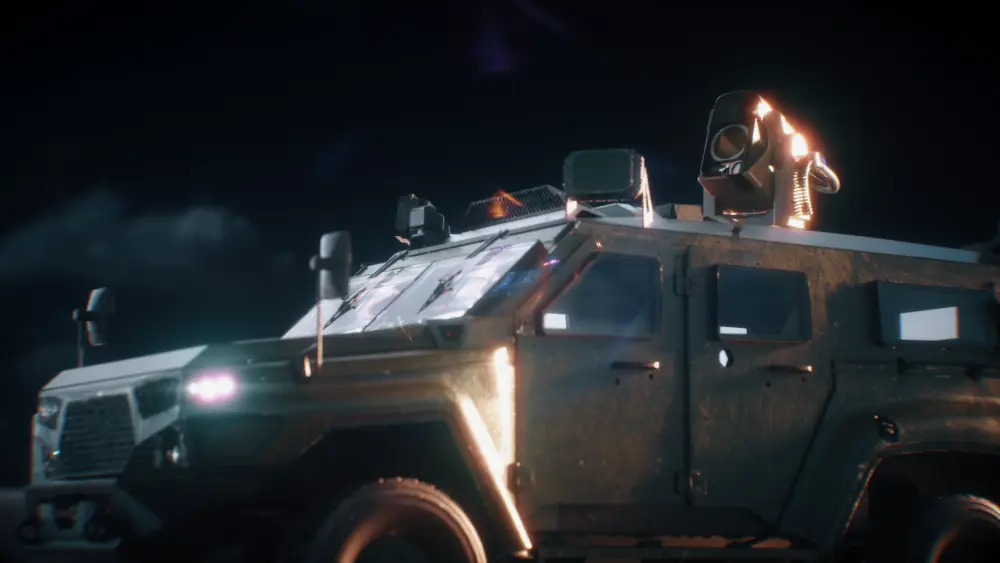
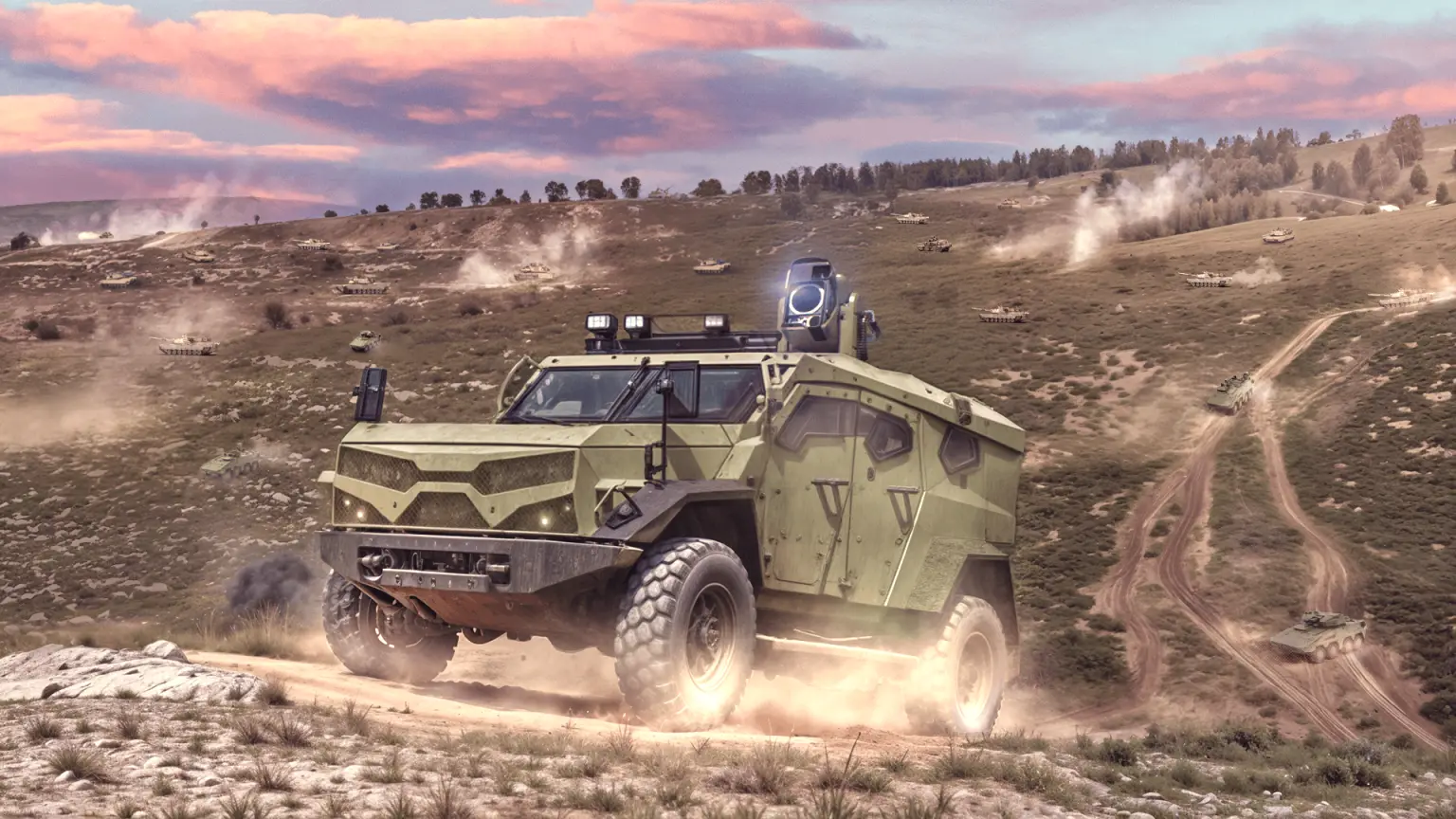
While the full-size Iron Beam system is powerful, according to the Jerusalem Post, its 100 kW laser and 450 mm beam require largely stationary deployment, similar to fixed air-defence batteries. Iron Beam Lite, on the other hand, has been designed for mobility. RAFAEL states it can be mounted on 4×4 vehicles, 6×6 and 8×8 platforms, and tracked armoured fighting vehicles.
Near-Zero Interception Cost for Field Forces
Both Iron Beam and its Lite variant share the same core advantage: near-zero cost per shot. RAFAEL emphasises that LITE BEAM operates with an unlimited magazine and almost zero interception cost, an enormous contrast to traditional interceptors. This makes it attractive for countering cheap drones, which often cost only a few hundred dollars yet previously required expensive missiles to defeat.
Designed for Continuous, All-Weather Guarding
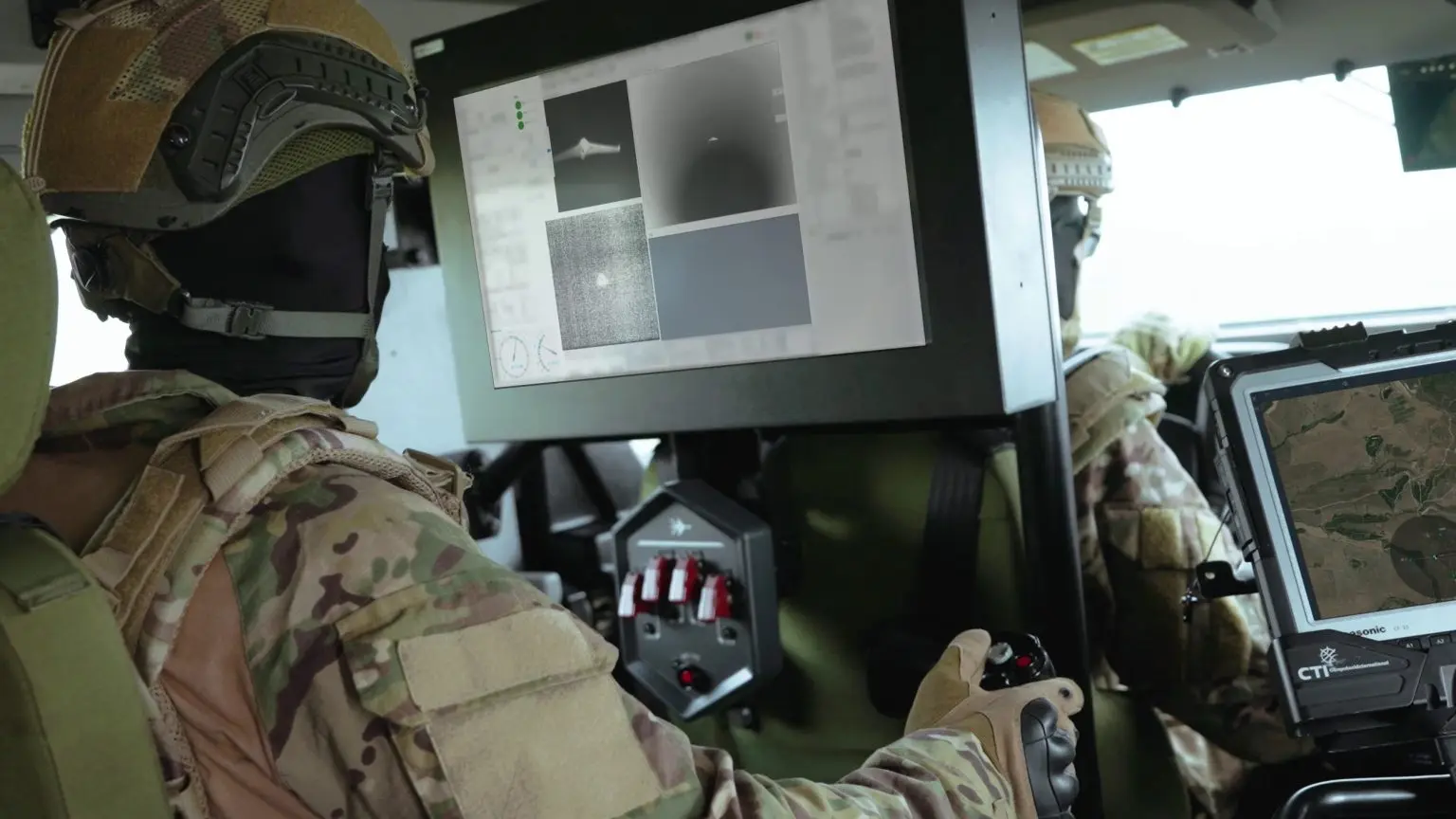
RAFAEL notes that Iron Beam Lite can operate day and night and integrate with a wide range of detection radars and C4I systems. Its sensor suite enables accurate target selection with minimal risk of collateral damage, this is critical when intercepting threats near friendly forces or civilian areas. The operator can remain safely inside a vehicle or remote shelter while still retaining control over target engagement.

Early Operational Use and a Sign of Its Urgency
According to the Jerusalem Post, the Israeli Defence Ministry and RAFAEL had announced in June that Iron Beam Lite had already reached operational status, ahead of full deployment of the larger Iron Beam. The ministry also revealed that Israeli laser defence systems had shot down around 40 Hezbollah drones during October 2024.

Built for Swarm Defence and Urban Combat
As drone swarms become an emerging threat, the system’s ability to retarget rapidly and engage multiple UAVs at once is central to its purpose. RAFAEL stresses that Iron Beam Lite is designed to protect airports, power stations, military convoys, urban checkpoints and combat troops, locations where low-altitude drones tend to operate.
Why It May Become the IDF’s Most Important Drone Defence Tool
With Israel preparing to field Iron Beam as a strategic fifth layer of national air defence, its Lite counterpart fills a different but equally urgent gap: direct, mobile protection for ground forces. By combining mobility, rapid engagement, and near-zero interception cost, Iron Beam Lite is positioned to become the IDF’s frontline drone killer, specifically engineered for the threats that dominate today’s modern battlefields.
)
)
)
)
)