What is Grap-2, 3 and 4? How does it help in reducing pollution in Delhi

GRAP stages 2, 3 and 4 form Delhi’s tiered plan to tackle air pollution. These targeted steps activate progressively stricter measures based on air quality levels to reduce harmful emissions and improve public health.
What Is GRAP?
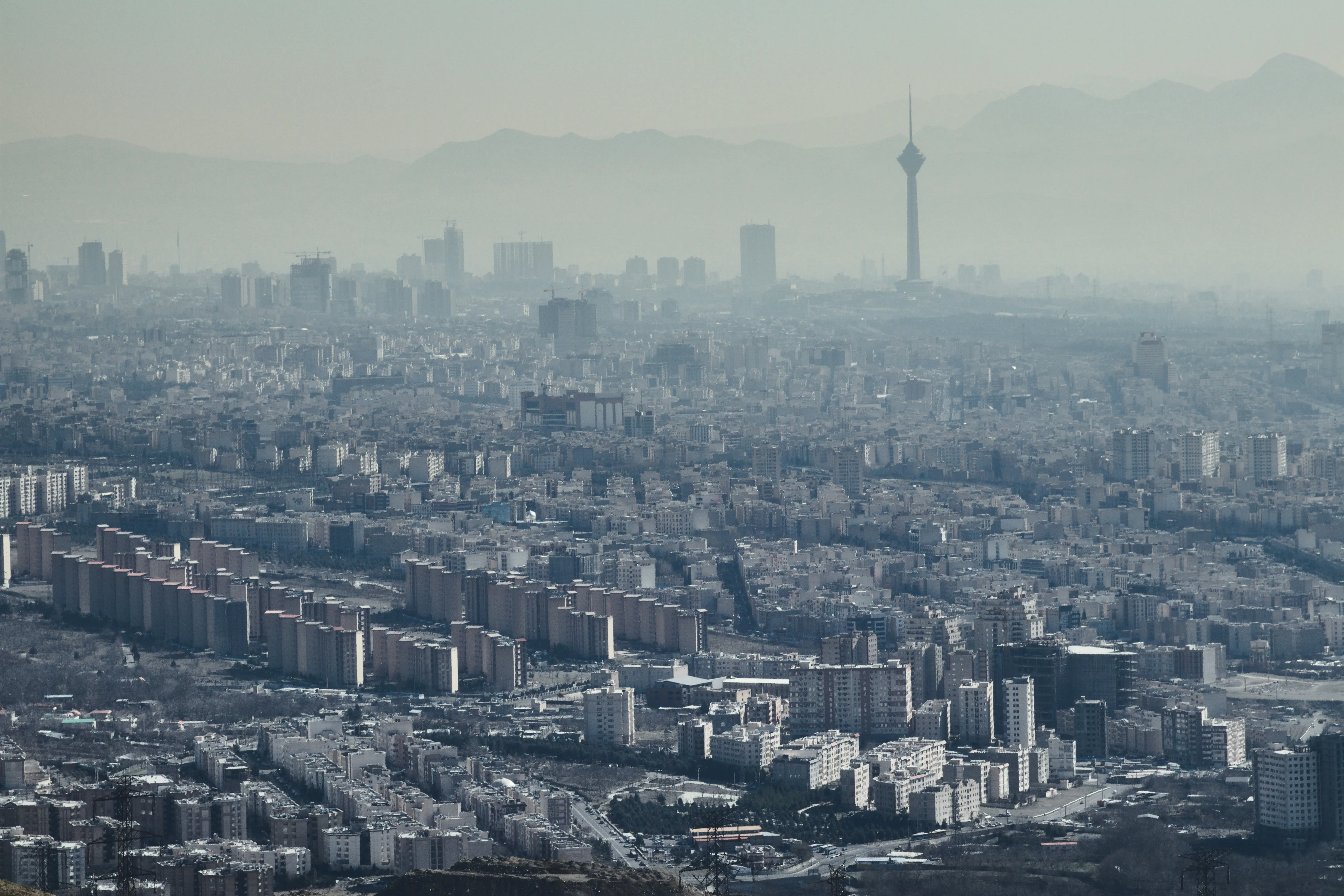
GRAP stands for Graded Response Action Plan. It is a scientifically framed system introduced in 2017 to combat rising air pollution in Delhi-NCR by activating different measures based on the Air Quality Index (AQI).
GRAP Stage 2 - ‘Very Poor’ AQI (301-400)
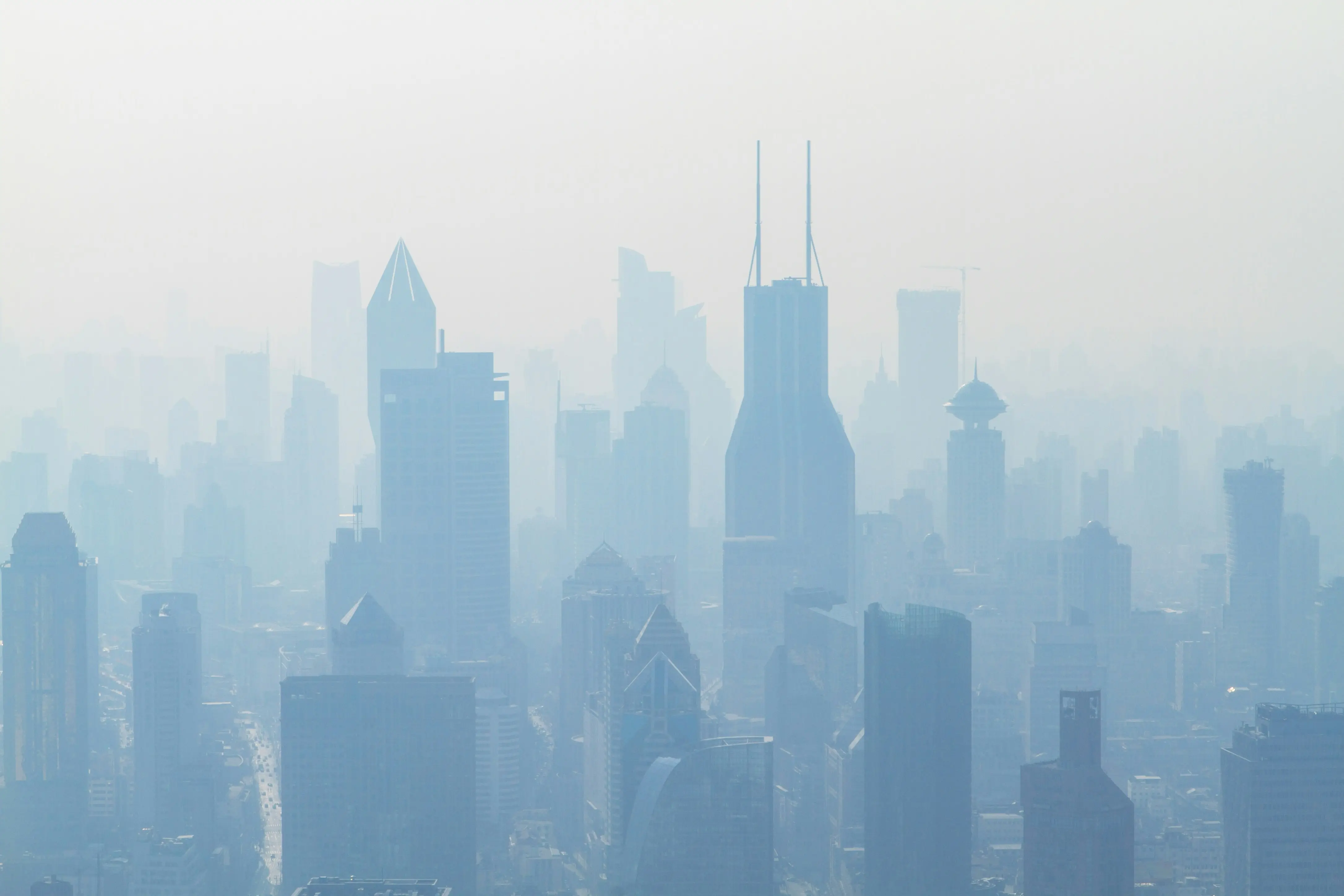
When air quality falls into the ‘Very Poor’ category, GRAP 2 is activated. This includes strict dust control at construction sites and a ban on diesel generators not equipped with pollution control devices.
GRAP Stage 3 - ‘Severe’ AQI (above 350)
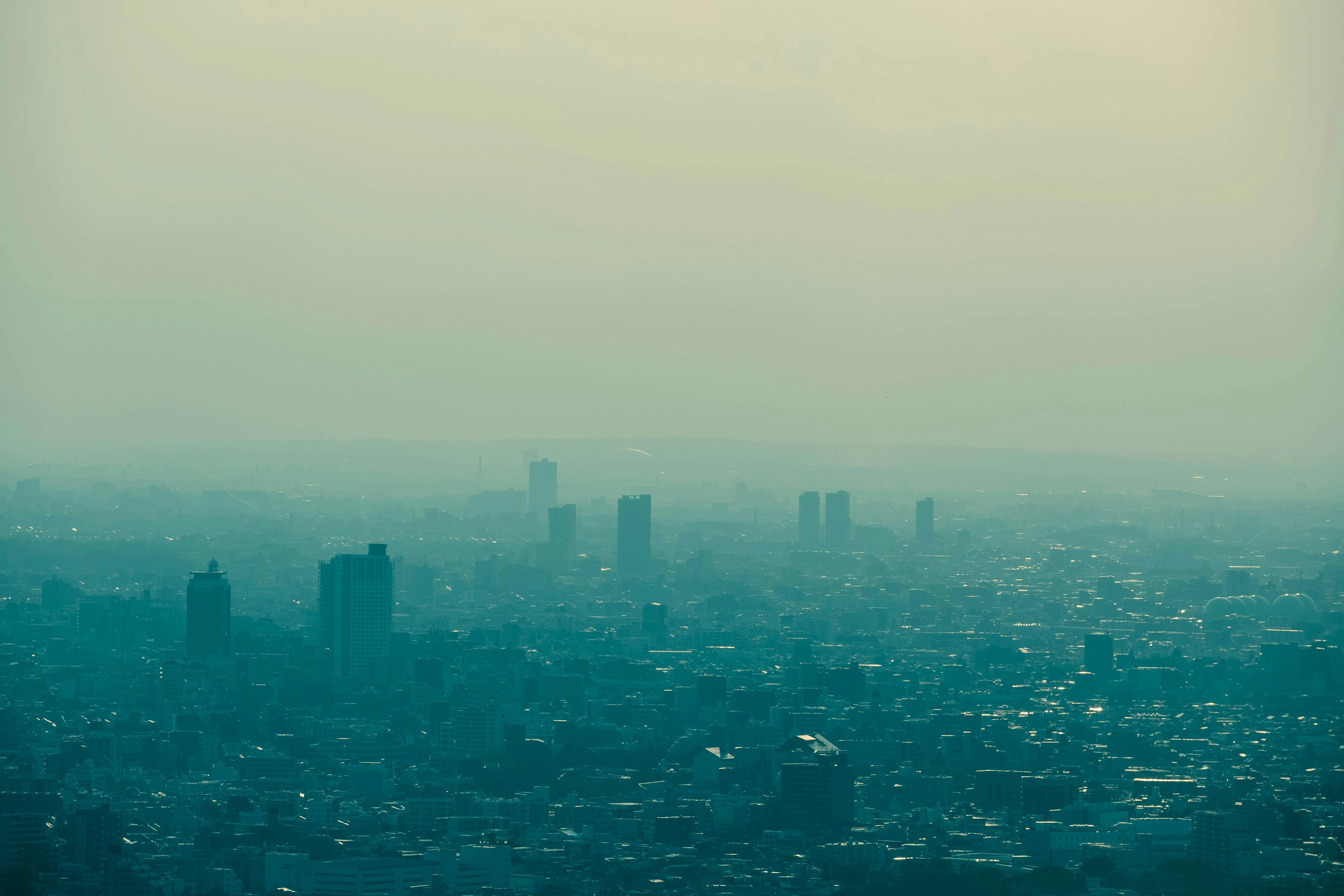
Stage 3 triggers tougher restrictions like halting all non-essential construction and demolition work, limiting vehicle movement, and advising schools to close up to Class 5 to reduce outdoor exposure.
GRAP Stage 4 - ‘Severe+’ AQI (above 450)
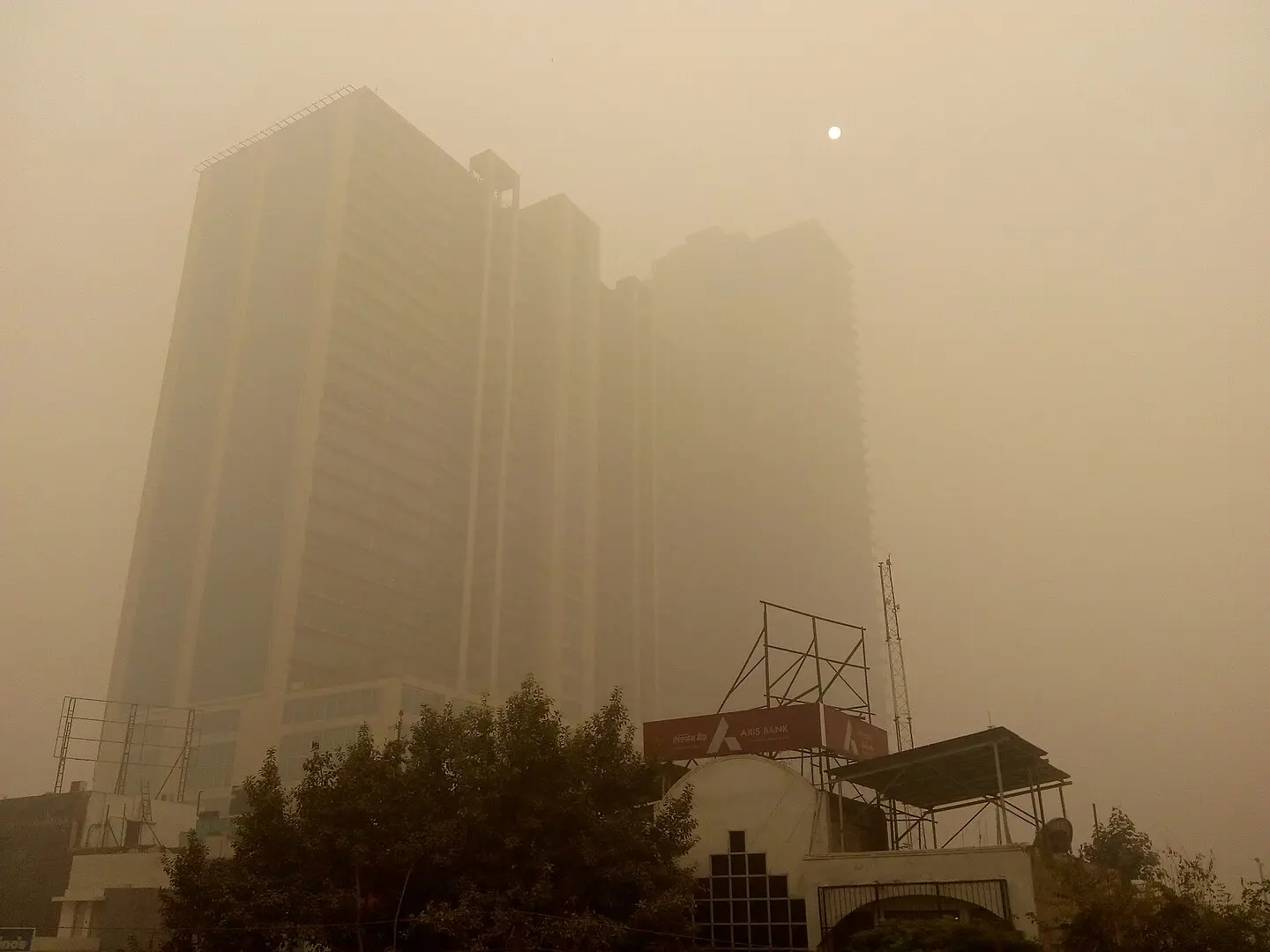
At this emergency level, strict transport curbs come into effect. Entry of all diesel trucks and commercial vehicles (except those carrying essentials) is banned to lower toxic emissions drastically.
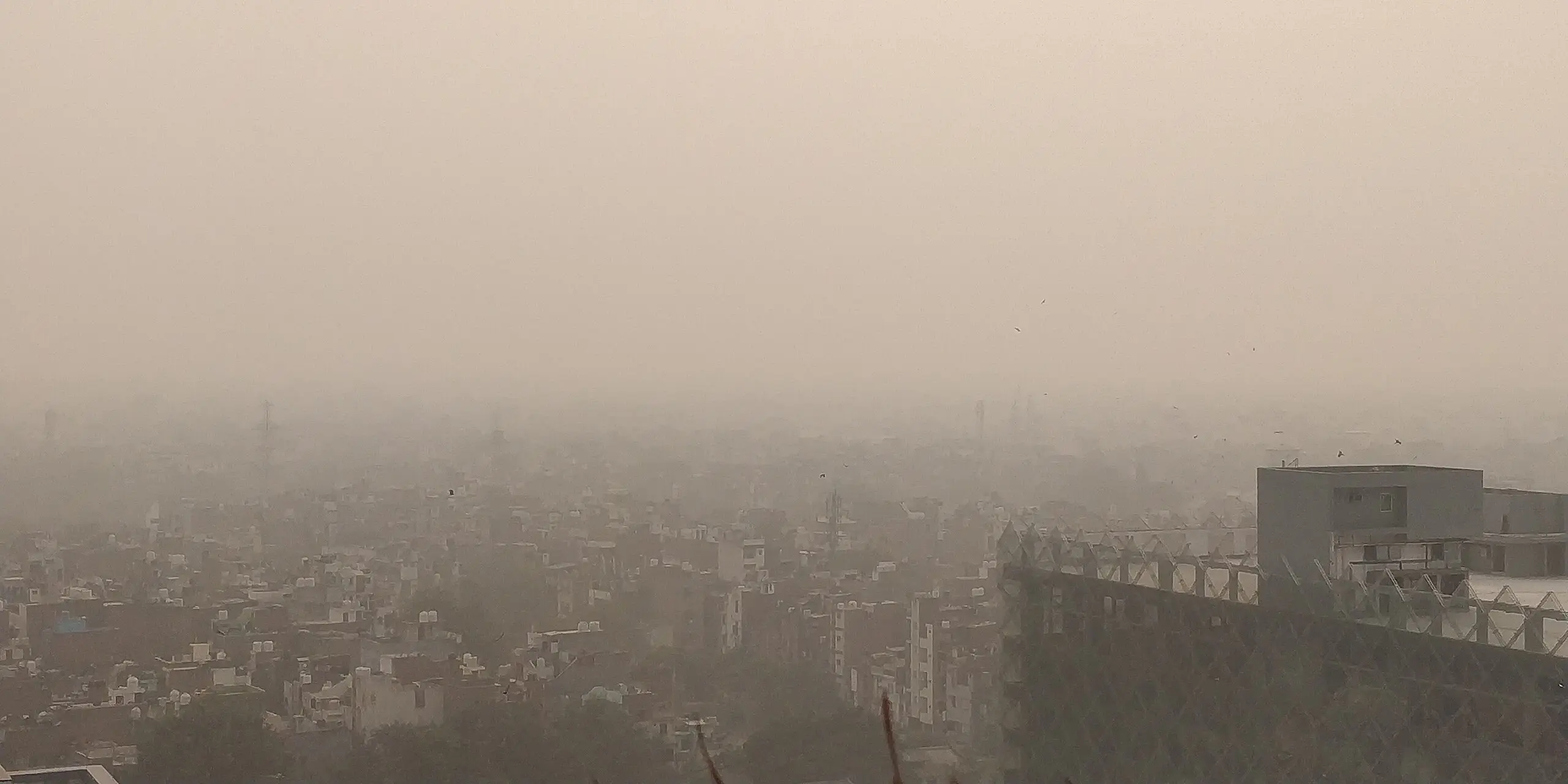
How GRAP Helps Delhi
By linking pollution levels to specific actions, GRAP ensures timely and targeted responses. This approach reduces dust, vehicular emissions, and industrial pollutants during critical pollution episodes, helping protect public health.
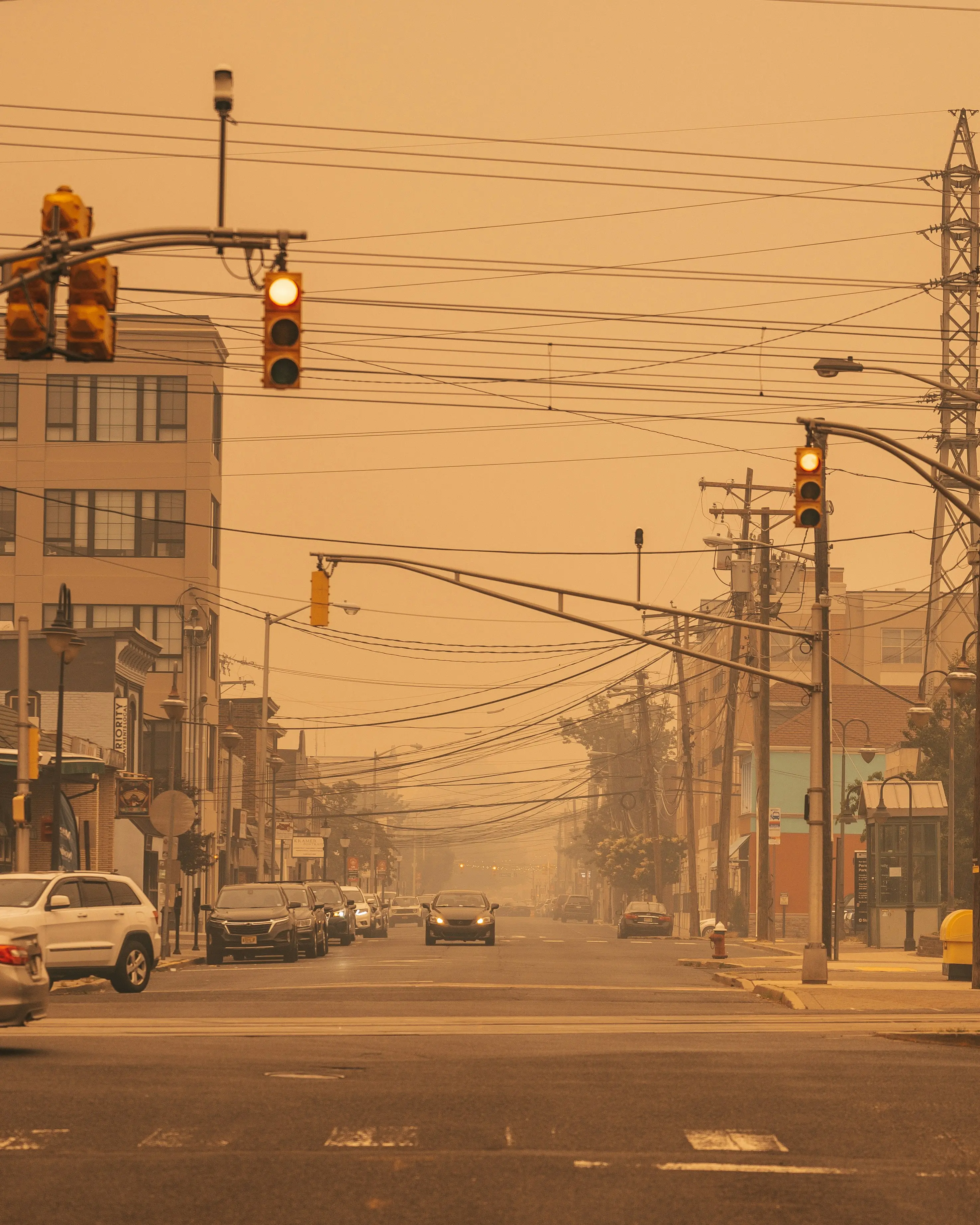
Challenges in GRAP Implementation
While GRAP provides a clear framework, enforcement and inter-agency coordination remain challenging. Public compliance and timely action by authorities are crucial for GRAP’s success in lowering Delhi’s smog levels.
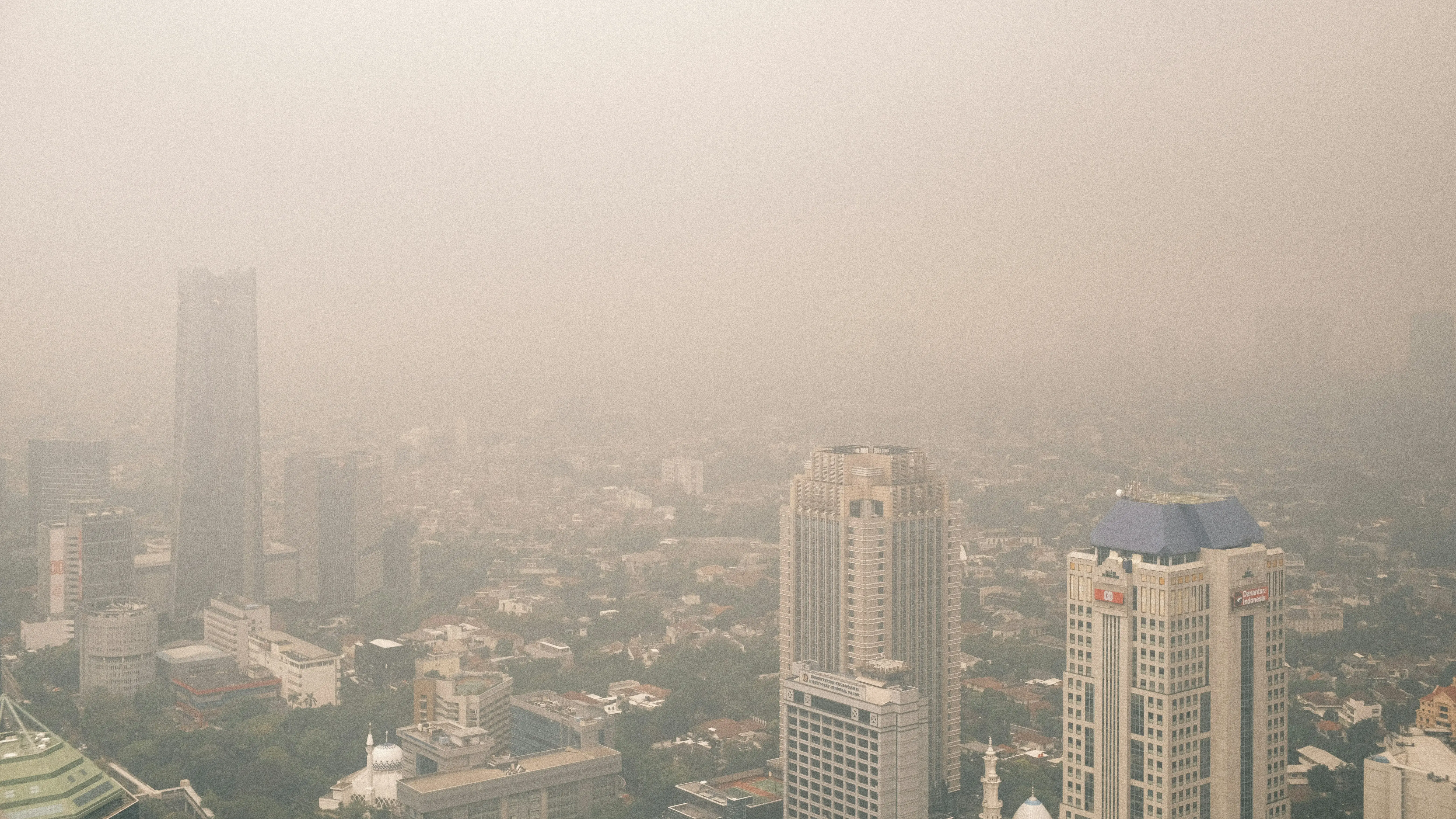
The Way Forward for Cleaner Air
Continued updating and strict enforcement of GRAP stages, along with public cooperation, are key to controlling Delhi’s worsening air pollution. Efforts must focus on sustainable pollution reduction and health protection.
)
)
)
)
)