What is Electromagnetic Rail Gun and how can it make conventional weapons obsolete

Electromagnetic railguns accelerate projectiles at Mach 6-7 using physics instead of explosives, offering longer range and cheaper ammunition than conventional weapons, with Japan achieving its first successful ship test in 2025.
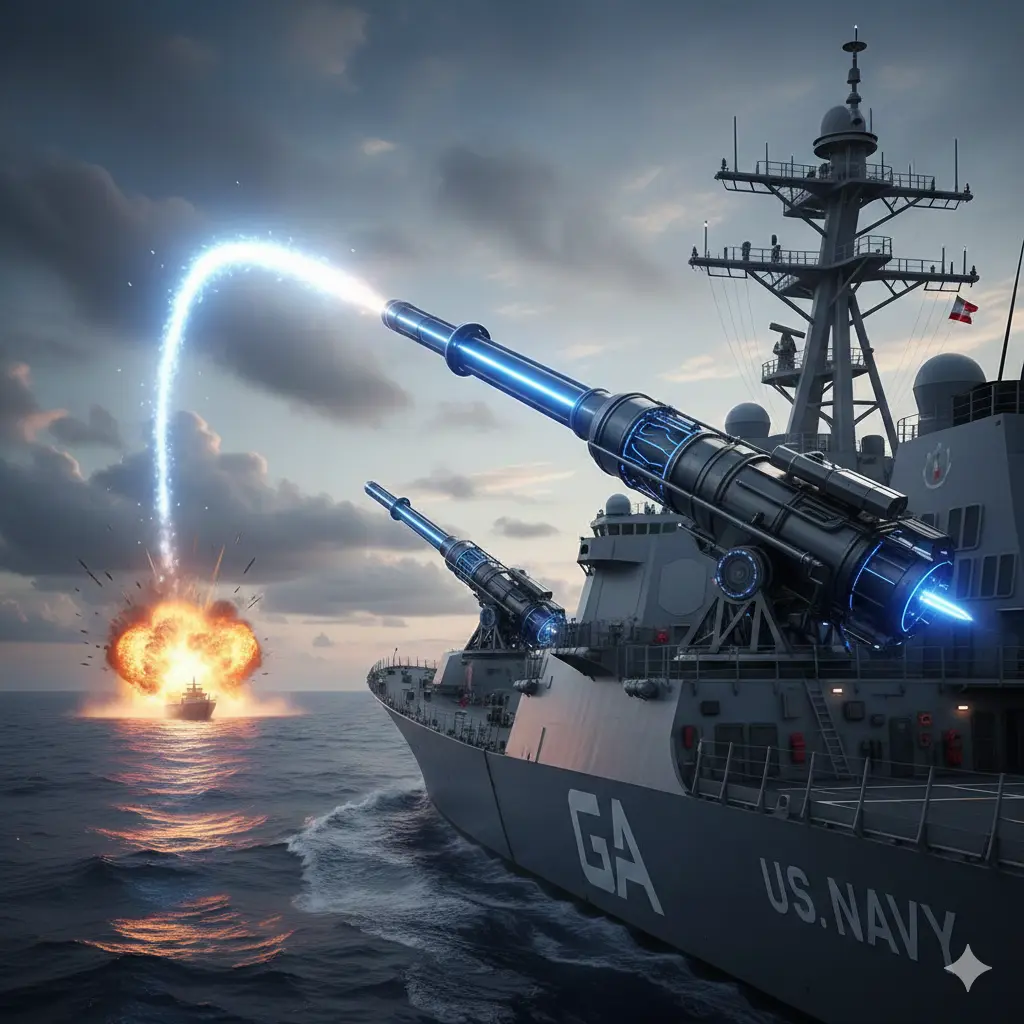
What is an Electromagnetic Railgun?
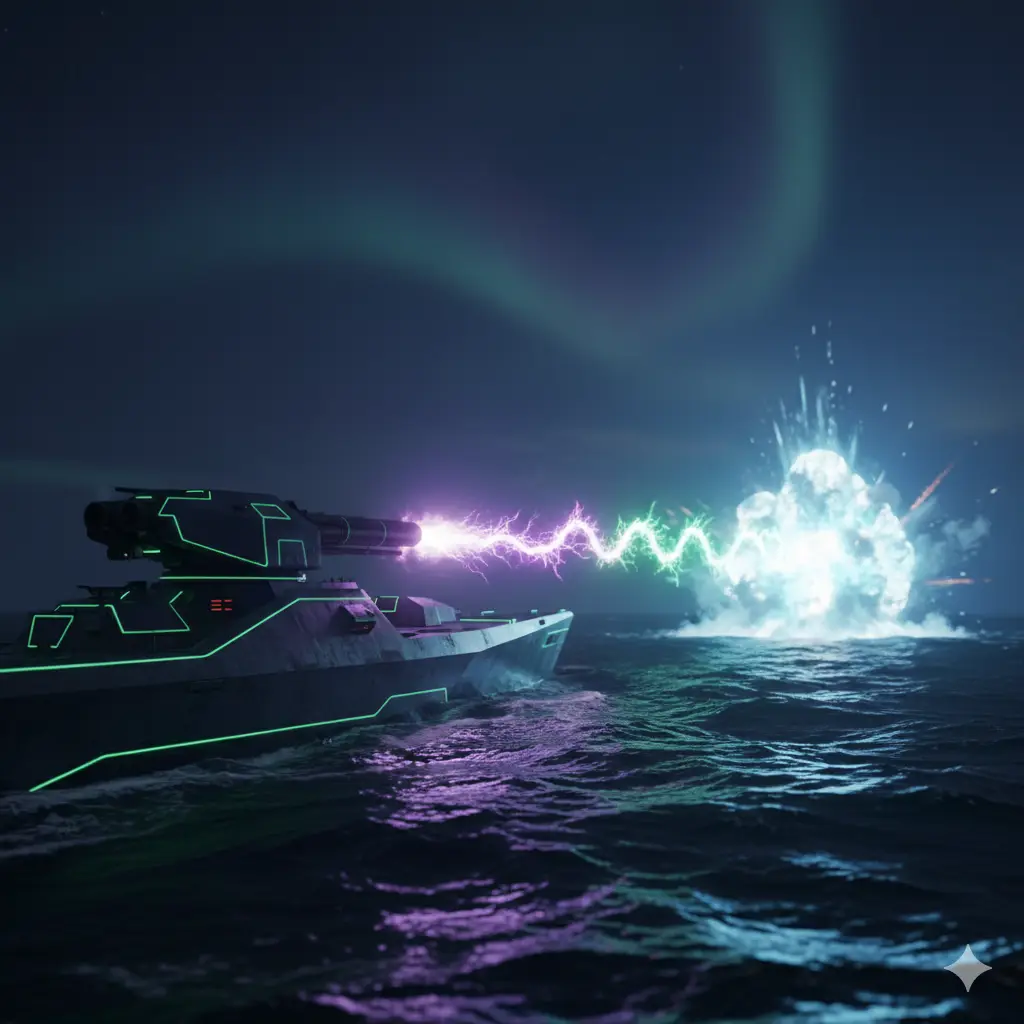
An electromagnetic railgun uses electromagnetic force instead of chemical explosions to accelerate projectiles down metal rails. The system fires tungsten or steel projectiles at hypersonic velocities, Mach 6 to Mach 7, without requiring propellants or warheads. Japan's September 2025 test successfully hit a target vessel with a 40mm projectile travelling at Mach 6.5.
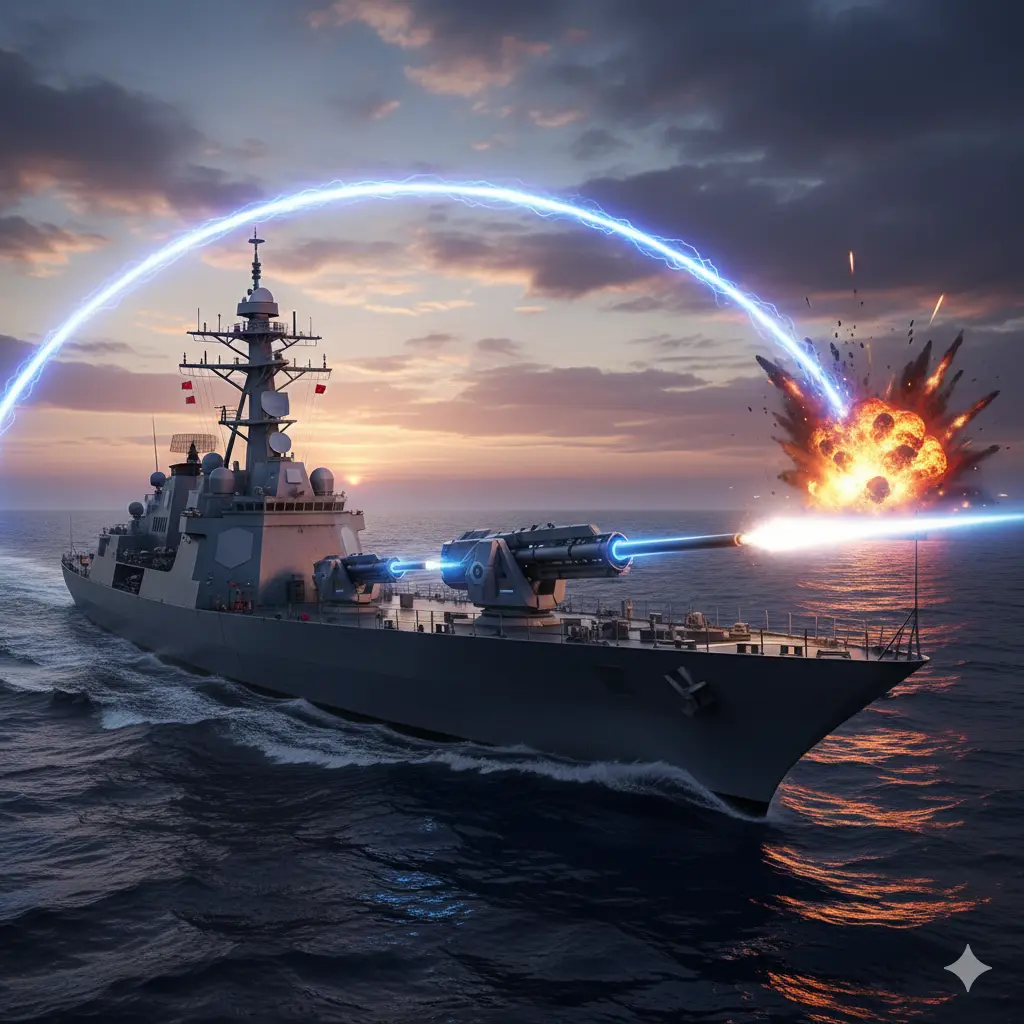
Velocity and Kinetic Energy Advantage
Destructive force depends on kinetic energy, calculated as mass multiplied by velocity squared. A railgun projectile at Mach 6 delivers impact equal to conventional 5-inch naval guns but travels farther with greater precision. Conventional guns reach maximum 1.5 kilometres per second; railguns exceed 3 kilometres per second. This velocity advantage eliminates wind drift and reduces time to target dramatically.
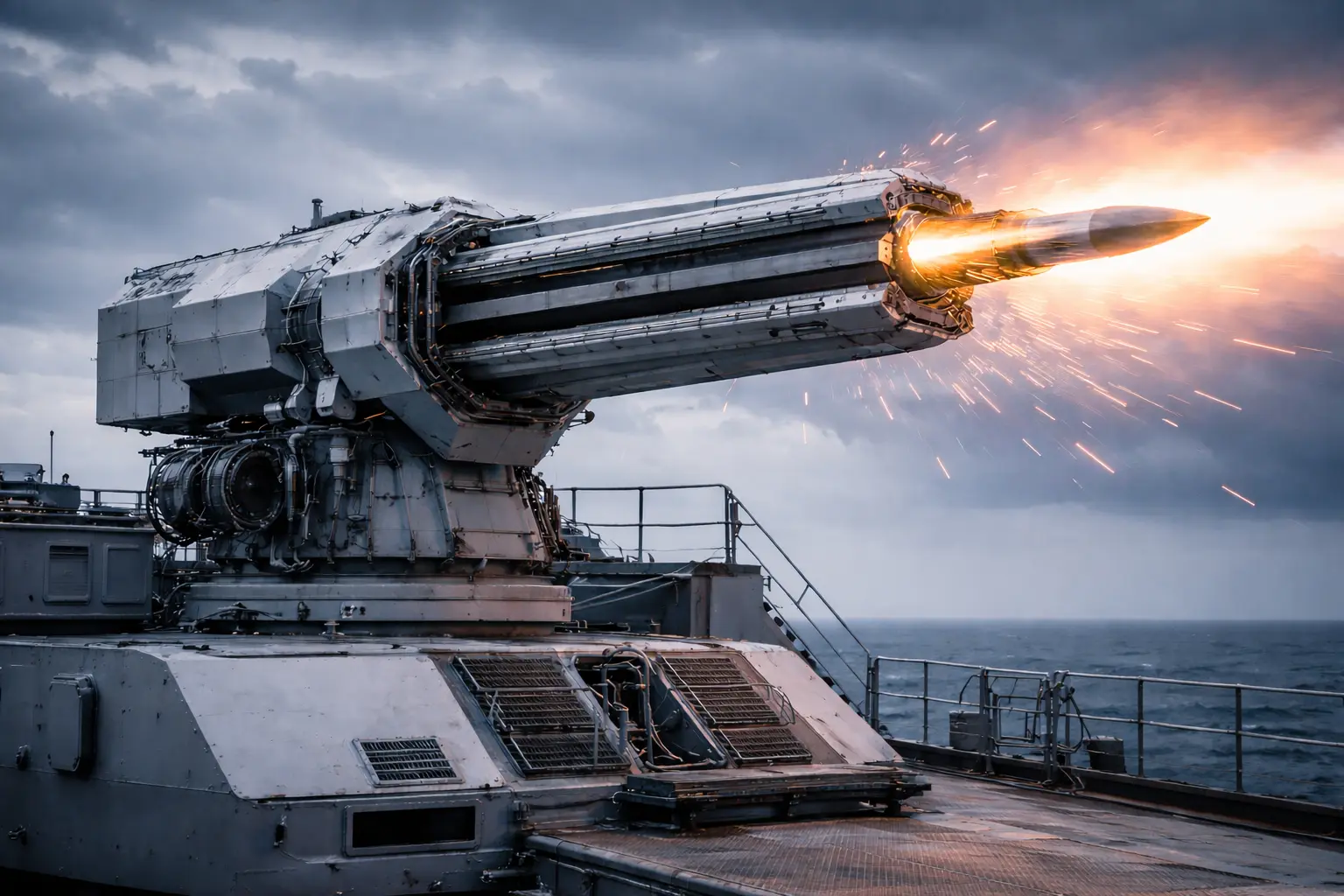
Range Superiority Over Conventional Weapons
Current naval guns fire approximately 50 miles; future railguns are planned for ranges exceeding 200 nautical miles (370 kilometres). Japan's 40mm railgun already demonstrates extended range capabilities. Smaller projectiles at extreme velocities achieve greater distances than larger conventional ammunition. This range advantage creates defensive depth for naval vessels and land installations.
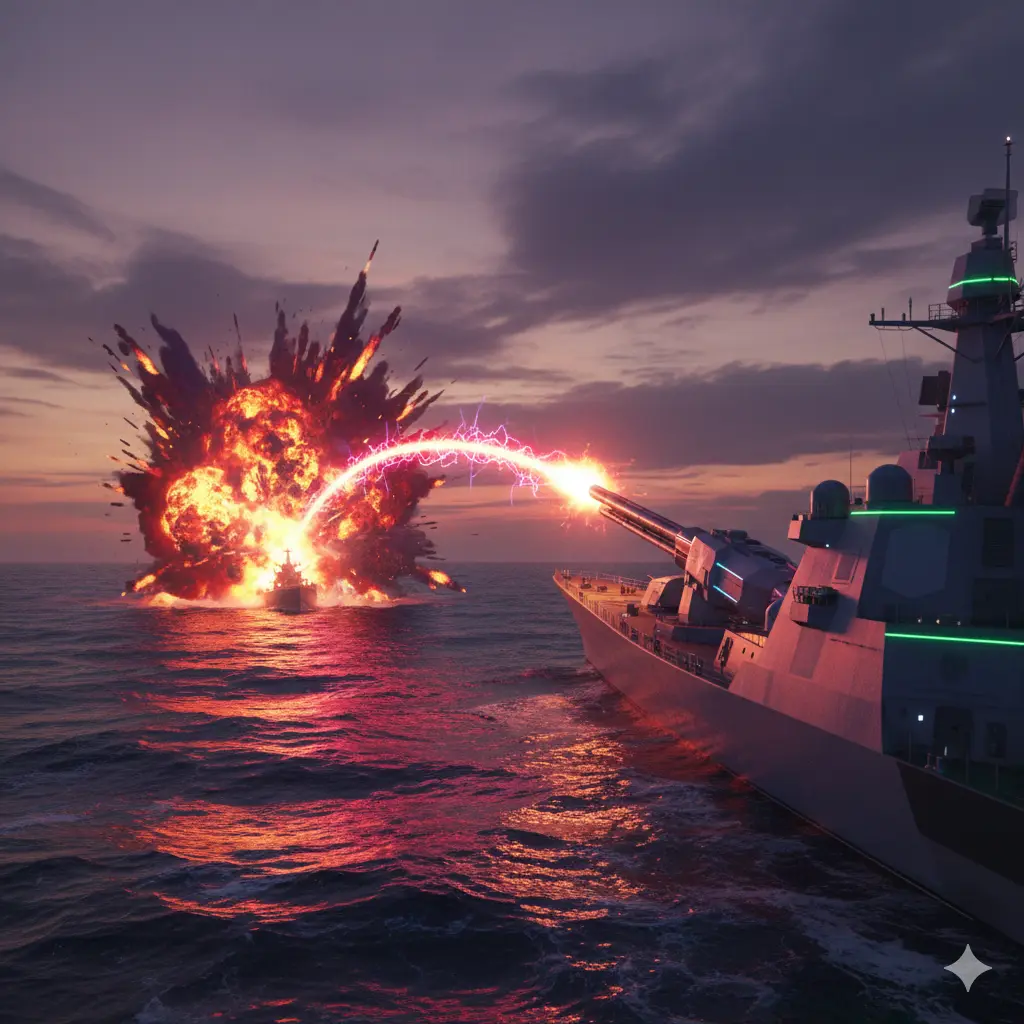
Eliminating Explosives from Warships
Railguns fire inert projectiles with no explosive propellants or warheads aboard ship. This eliminates catastrophic ammunition magazines and reduces vulnerability to enemy fire. Conventional naval platforms carry tonnes of explosives, a direct hit causes devastating secondary explosions. Railguns remove this hazard entirely, improving crew safety and platform survivability significantly.
Ammunition Cost Reduction
Railgun projectiles cost a fraction of guided missiles or conventional ammunition. A tungsten projectile costs thousands of pounds compared to multi-million-pound missiles. This cost advantage allows ships to carry more ammunition and sustain longer engagements. The low projectile cost makes railguns economically superior for high-volume defence against missile swarms and drone threats.
Japan's 2025 Breakthrough Achievement
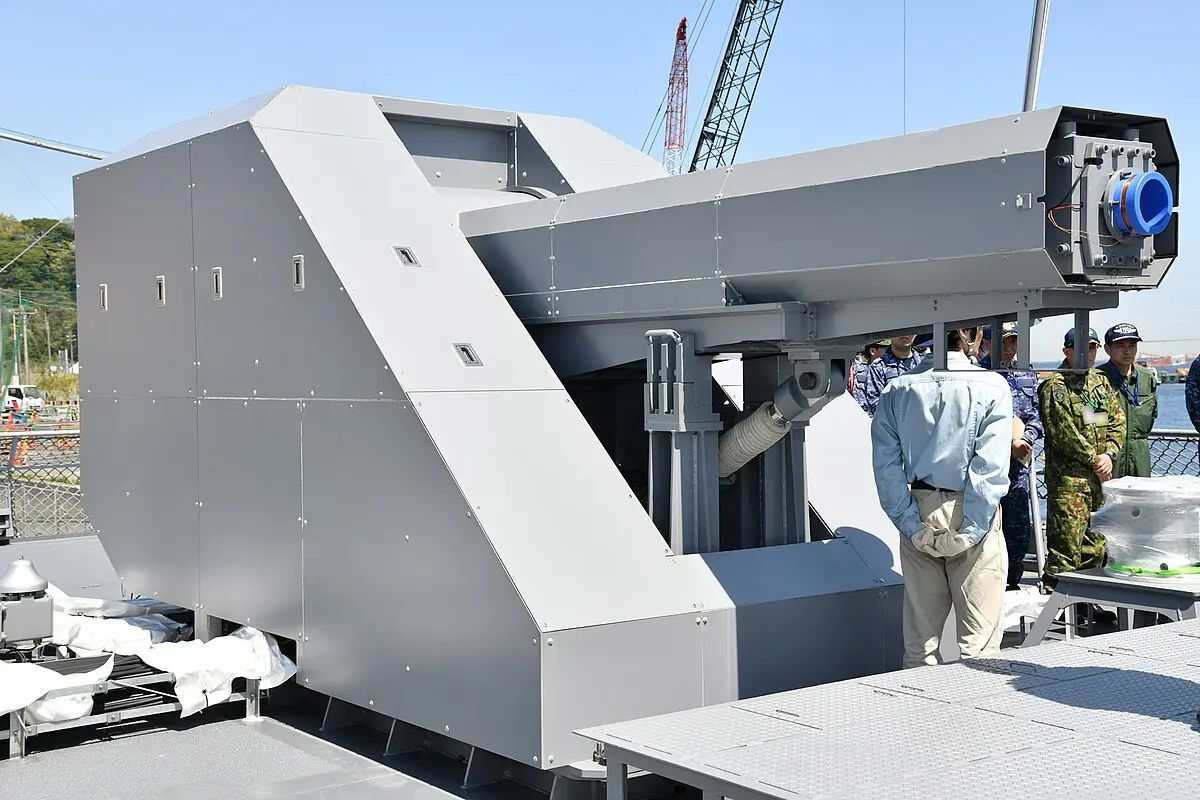
Japan successfully fired an electromagnetic railgun mounted aboard the test ship JS Asuka in September 2025, hitting an actual target vessel, a first for the technology globally. The 40mm projectile, weighing 320 grams, struck at Mach 6.5 speed. Japan has invested 46.3 billion yen since 2022 specifically to counter hypersonic missile threats and advance maritime defence capabilities.
US Revival and Future Deployment
General Atomics declared in October 2025 that previous technical failures-barrel wear and power generation- have been resolved. The company pitched a containerised railgun system for air defence and missile interception. The US is considering deployment on advanced destroyers and for protecting strategic locations. Once fully operational, railguns will replace conventional gun systems on next-generation warships.
)
)
)
)
)