What is Delta-V problem and could we ever visit 3I/ATLAS comet?

3I/ATLAS entered the Solar System at an estimated 58 km/s relative to the Sun, much faster than most Solar System comets. For comparison, the fastest spacecraft ever launched by humans, the Parker Solar Probe, reached about 180 km/s only because it dove extremely close to the Sun.
1. The Hyperbolic Orbit Makes It Almost Impossible to Catch
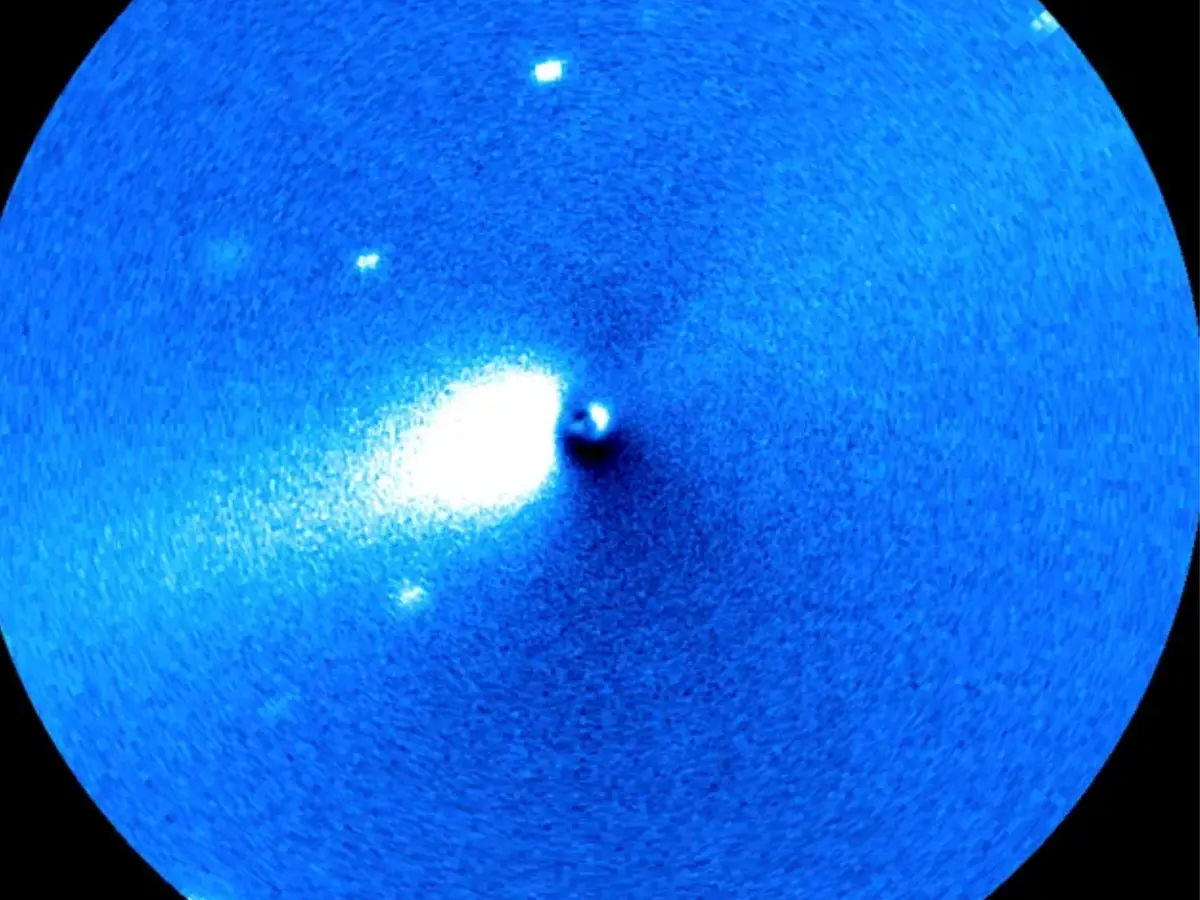
3I/ATLAS is on a hyperbolic trajectory, meaning it is not bound to the Sun and is moving through our Solar System only once. Because it’s an interstellar object, its orbit is open and extremely steep, giving it far more kinetic energy than a normal comet. Spacecraft launched from Earth are designed for elliptical orbits, not for chasing an object that is literally escaping the Solar System. This fundamental orbital mismatch is the first, and biggest, barrier.
2. Its Inbound Speed Is Too High for Current Rocket Technology
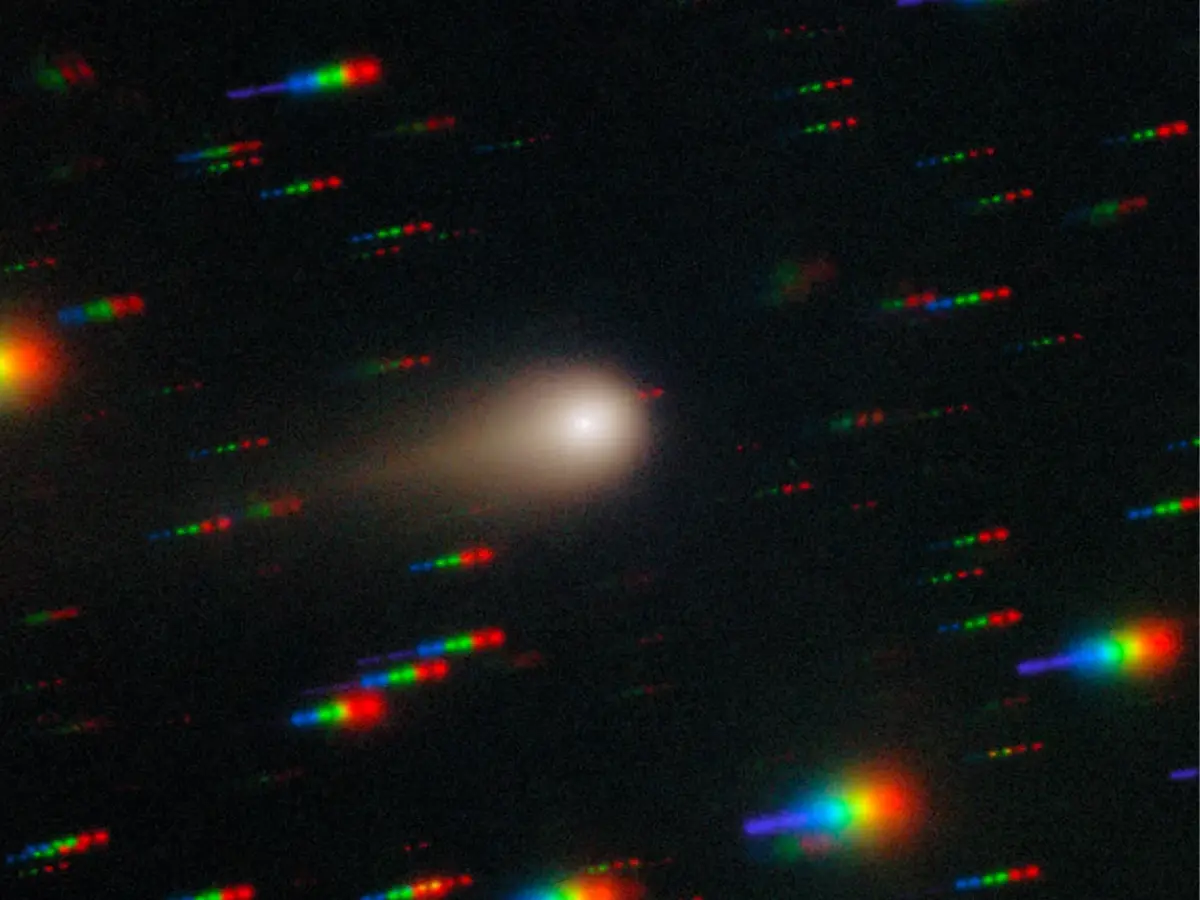
3I/ATLAS entered the Solar System at an estimated 58 km/s relative to the Sun, much faster than most Solar System comets. For comparison, the fastest spacecraft ever launched by humans, the Parker Solar Probe, reached about 180 km/s only because it dove extremely close to the Sun. No current rocket can directly accelerate a spacecraft to match 3I/ATLAS’s incoming speed, especially on short notice after its discovery.
3. Delta-V Requirements Are Beyond Any Existing Mission Capability
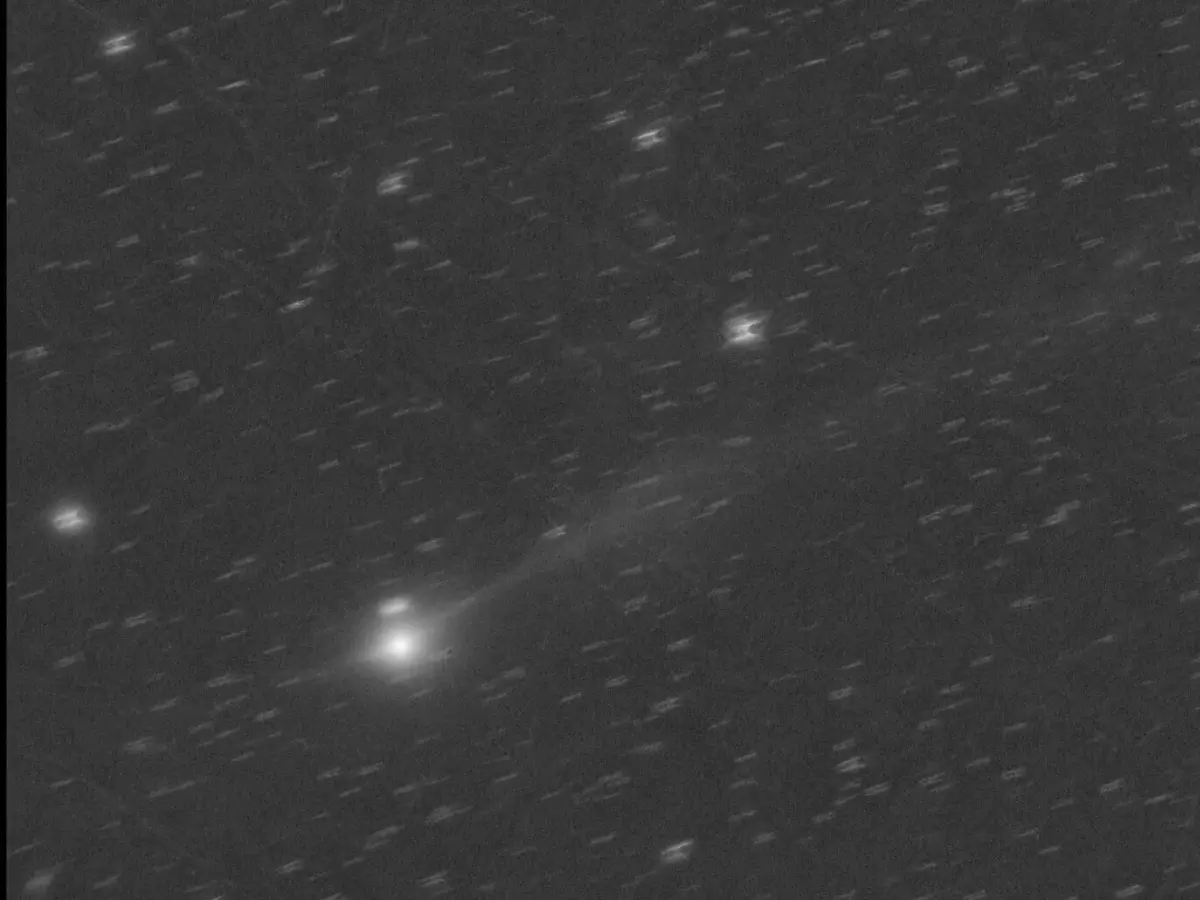
To intercept an object like 3I/ATLAS, a spacecraft would need enormous delta-V, the total change in velocity needed to match or meet its trajectory. Interstellar visitors require delta-V budgets many times higher than missions like Voyager, New Horizons, or comet interceptors such as Rosetta. Even with gravity assists, the delta-V needed is still far above what chemical propulsion or even advanced ion thrusters can realistically provide today.
4. Discovery Came Too Late for Any Realistic Launch Window
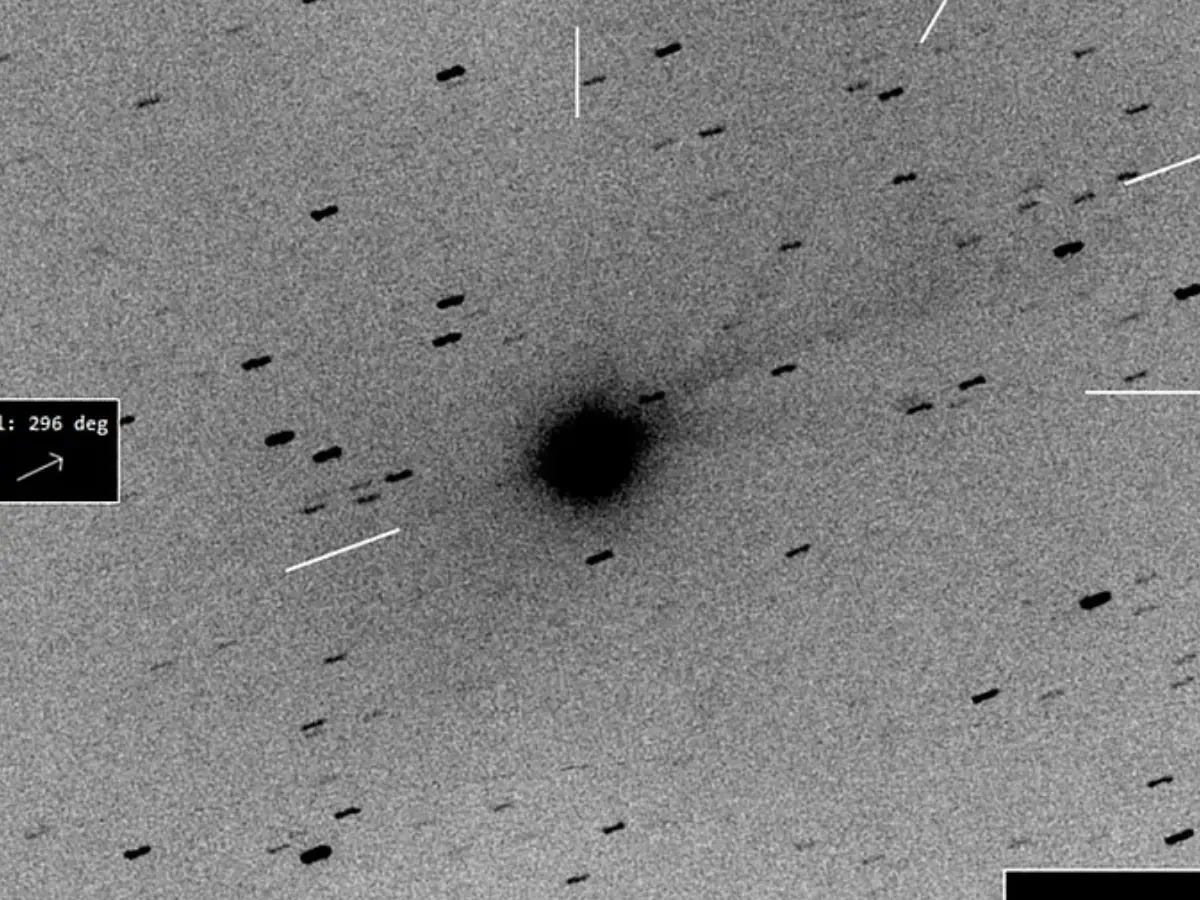
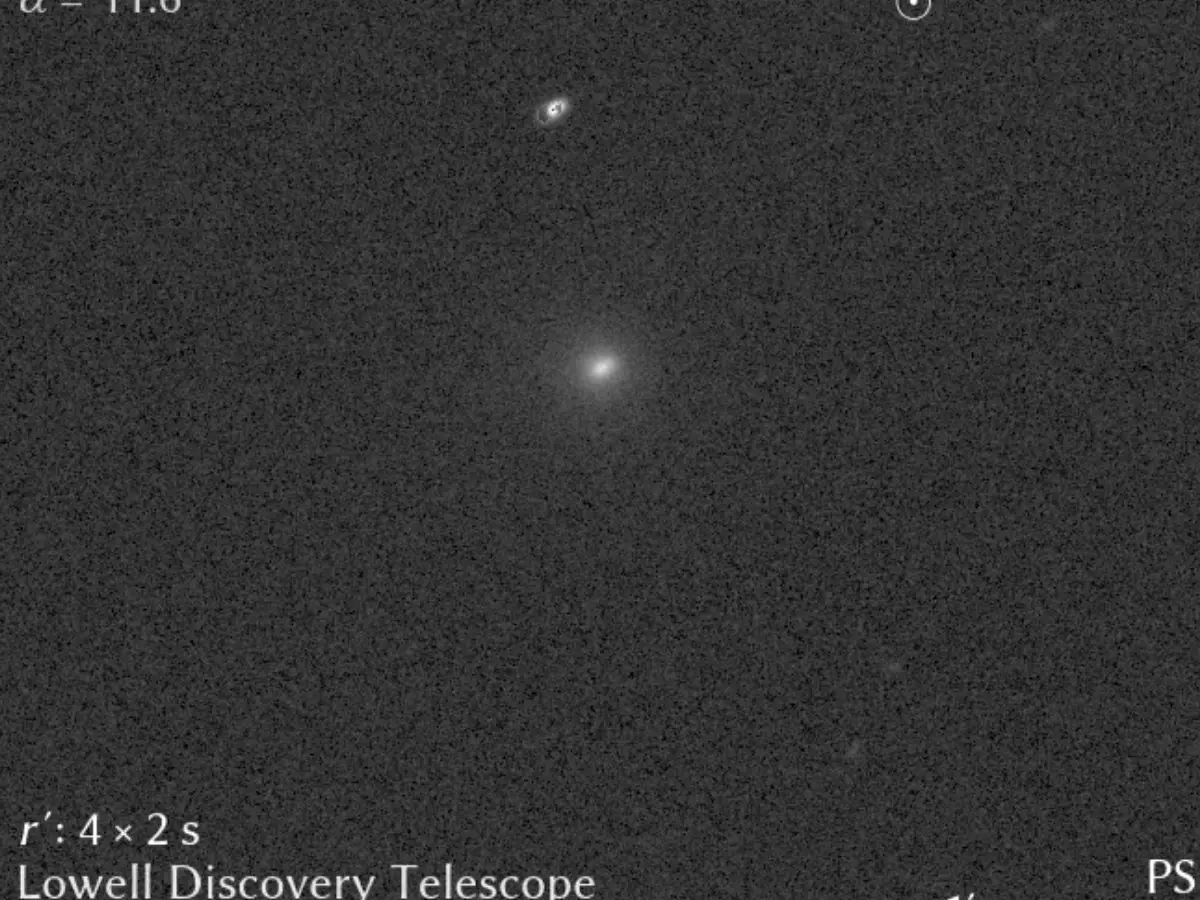
3I/ATLAS was discovered on 1 July 2025, long after it had already entered the inner Solar System. For missions like New Horizons or Rosetta, planning and launch required many years of preparation. By the time 3I/ATLAS was identified and its orbit computed, it was already past the only region of space where a reasonably powered spacecraft could intercept it. Missing the “early detection window” is a fatal mission constraint.
5. Fast Outbound Motion Means It Gets Even Harder After Perihelion
After its perihelion around late October 2025, 3I/ATLAS began accelerating away from the Sun on its outbound leg. As it escapes, its distance from Earth increases rapidly while its relative velocity remains extremely high. Chasing it at this phase would require even more delta-V, making a late intercept essentially impossible with modern propulsion, launch mass limits, and mission timelines.
6. Only Pre-Positioned Interceptors Could Make It Possible
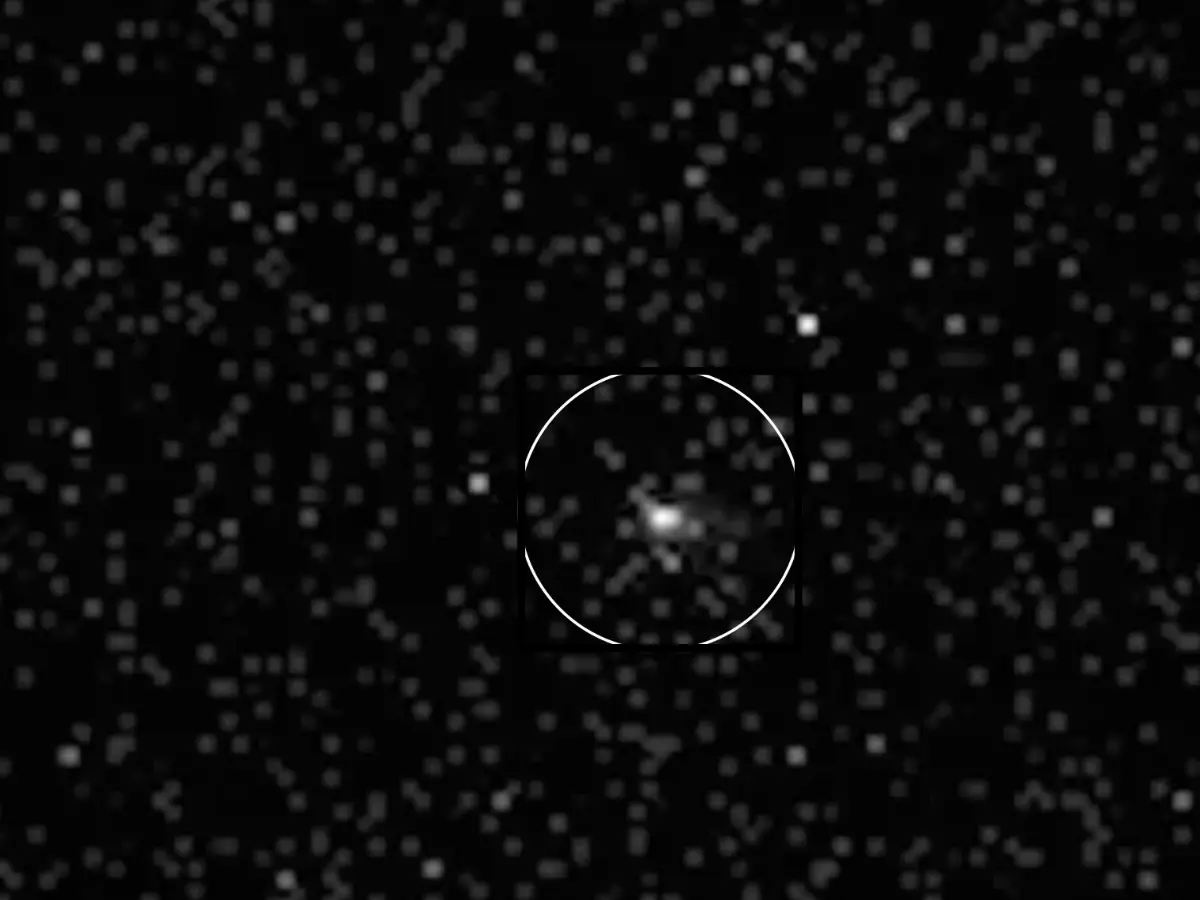
The only workable future strategy involves parking high-speed interceptors in deep space, ready to launch toward an interstellar object immediately upon detection. This “Interstellar Sentinel” or “Comet Interceptor style” mission architecture has been proposed by ESA and others. But such a system wasn’t in place when 3I/ATLAS appeared, which means we had no spacecraft anywhere near the right position or velocity to attempt a rendezvous.
7. Observation Is the Only Realistic Option Today
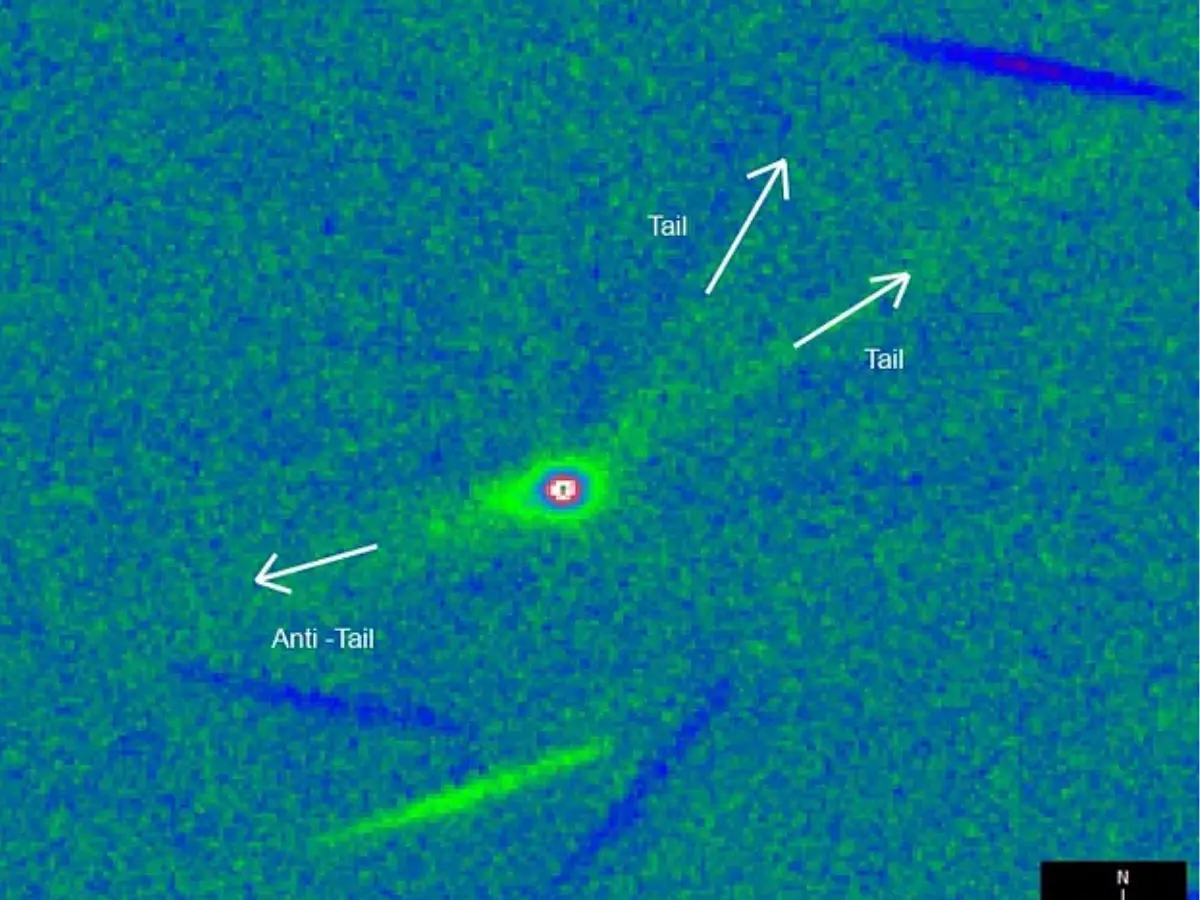
Given its speed, orbit, and timing, 3I/ATLAS could only be studied remotely, using JWST, ground telescopes, Mars orbiters, and pre-discovery observations. Interstellar objects like this are scientifically priceless, but with today’s propulsion limits, we can observe them, not visit them. To physically reach one in the future, humanity must build faster spacecraft and keep them waiting in advance, long before the next interstellar visitor arrives.
)
)
)
)
)