What is Defense Production Act? Can Trump force Anthropic to give Pentagon 'unconditional' access to its AI

Can Donald Trump force Anthropic to hand over its AI under the Defense Production Act?
As pressure mounts, the Cold War-era law is back in focus. What powers does DPA actually give the US president and where are the limits? Scroll down to find out.
Anthropic AI refuses to bow down to Pentagon
Anthropic AI on Thursday (Feb 26) insisted that it would not cross its 'red lines' and give the US government unconditional access to its artificial intelligence. This comes as the company faces the threat of sharing its technology or being compelled to do so under the Defense Production Act (DPA). What is the Defense Production Act? Here's all you need to know.
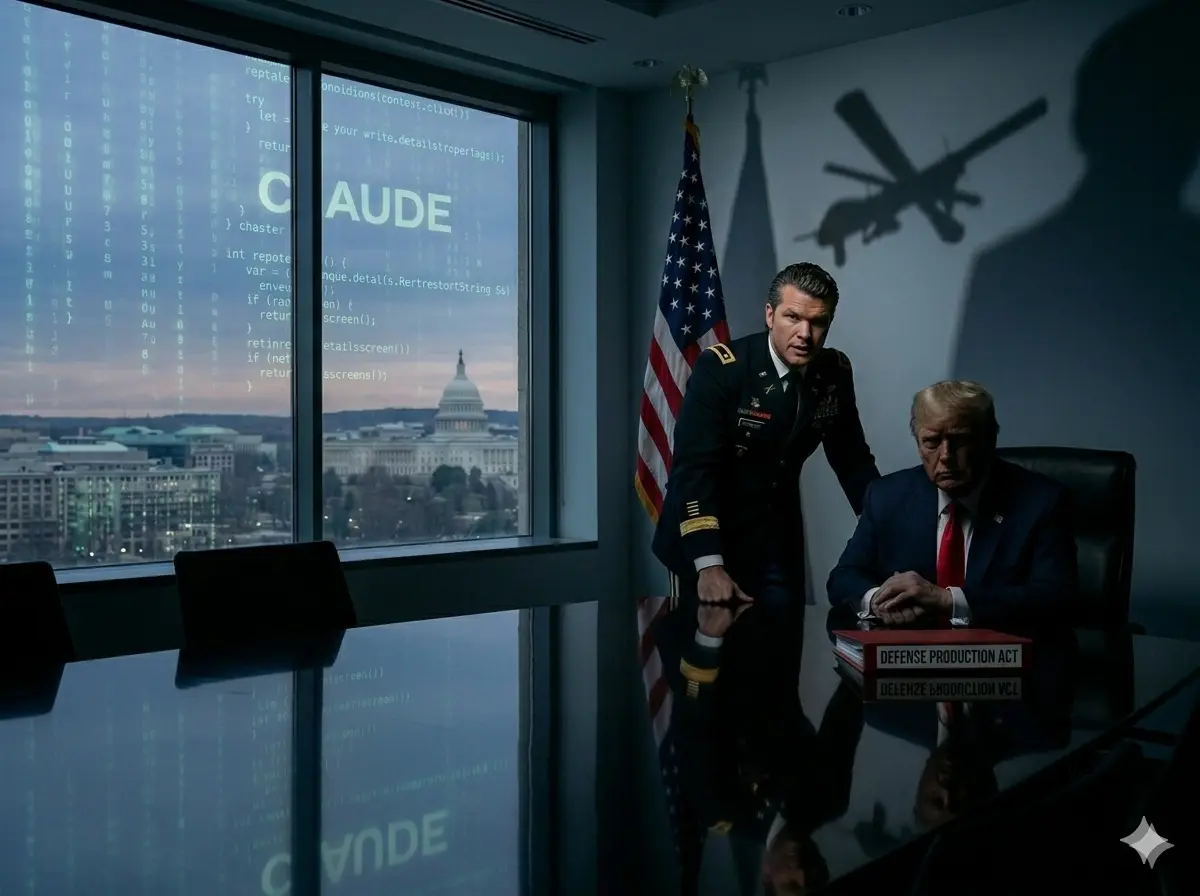
Anthropic invokes 'conscience' against Pentagon pressure
Even as the Pentagon threatened to force the company's hand, Anthropic's chief executive Dario Amodei said "these threats do not change our position," adding that they "cannot in good conscience accede to their request". The Pentagon has reportedly given Anthropic until Friday to comply with its demands.
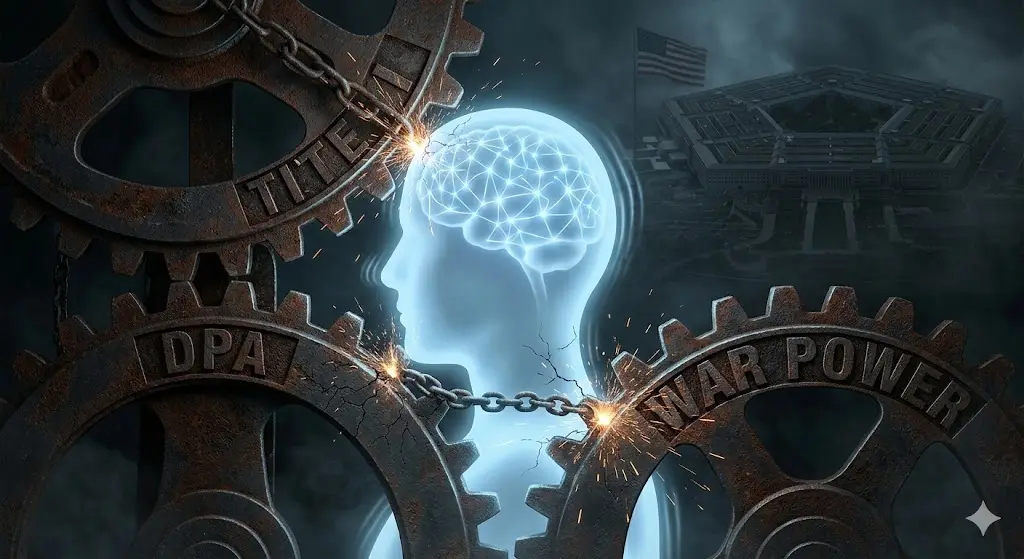
Pentagon warning to Anthropic
The Pete-Hegseth led 'Department of War' has warned the tech company that failure to share the technology could trigger stringent action under a Cold War-era law called the Defense Production Act.
Reports suggest that earlier this week, US officials warned Anthropic that either the company agrees to unrestricted military use of its technology by 5:01 pm (22:01 GMT) Friday (Feb 27) or face being forced to comply under the Defense Production Act. Pentagon also threatened that a refusal could lead to Anthropic being labelled a supply chain risk, a designation that can damage a company’s ability to work with government agencies.
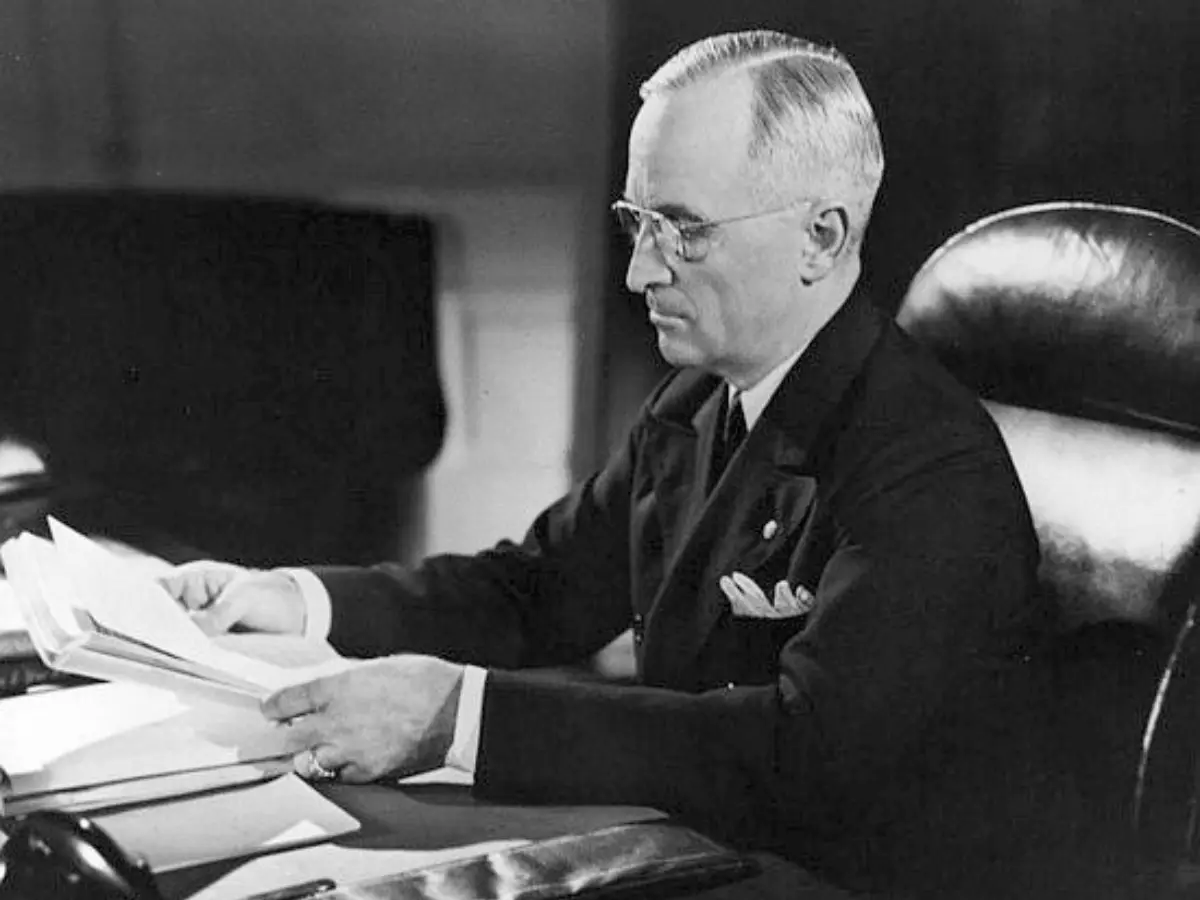
What is the Defense Production Act?
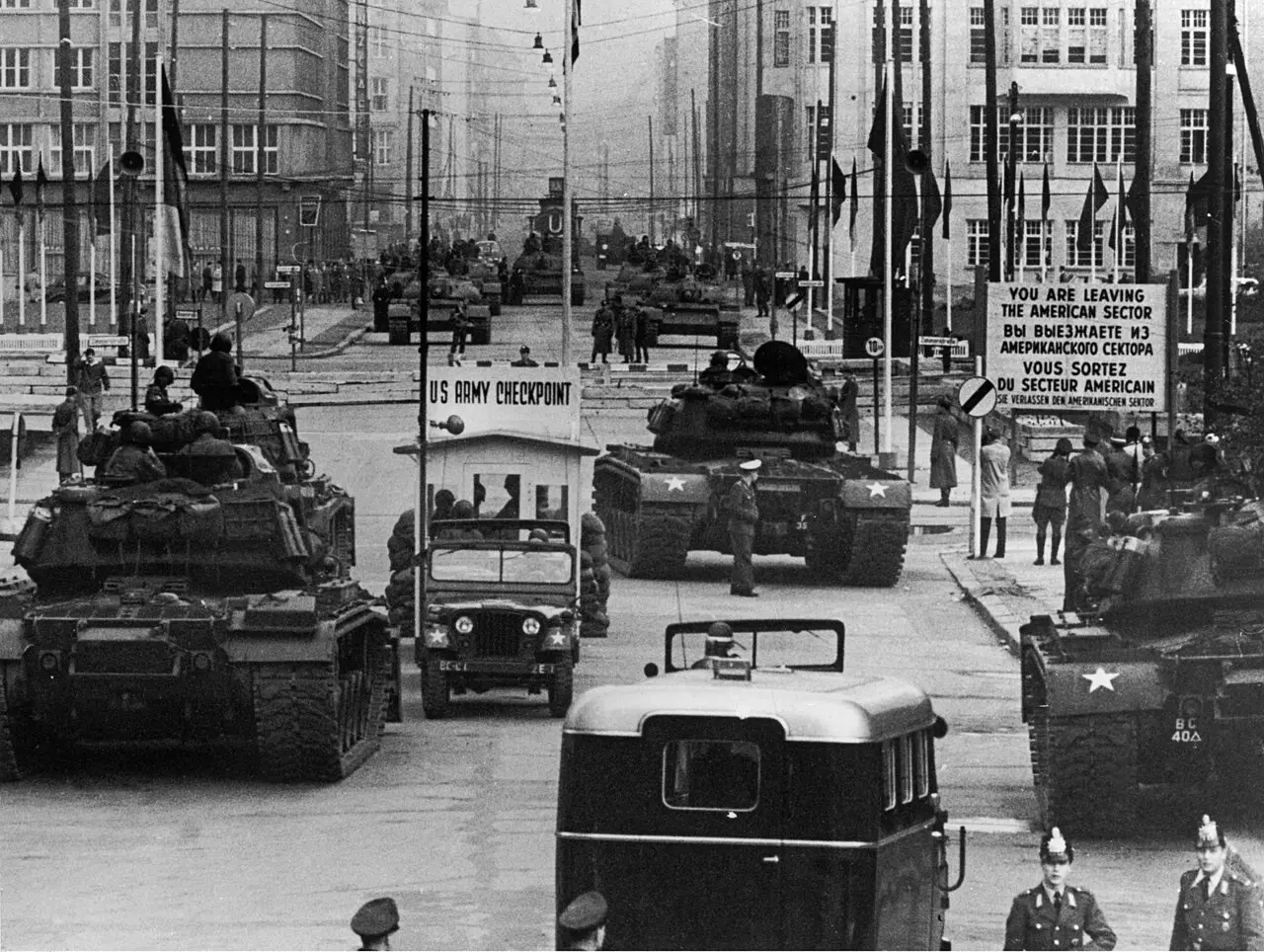
The Cold War-era law gives the US federal government the power to compel private companies to prioritise defence needs. The act was signed by President Harry S. Truman in 1950 amid supply concerns during the Korean War.

What powers will Trump have under the Defense Production Act?
The Defense Production Act gives the POTUS the authority to do three things:
- Under Title I, the president can designate certain goods or technologies as "critical and strategic" to national security and require private companies to accept and prioritise government contracts linked to them.
- Title III goes further by allowing the president to step in and strengthen domestic capacity. It can set up mechanisms (regulations, orders or agencies), issue directives, and provide financial backing through loans, grants, or purchase commitments to ensure industries can build, maintain, or expand capabilities needed for national defence.
- Title VII gives the president broader authority to manage the civilian supply chain during shortages, making sure scarce materials and services are directed where they are most needed for defense purposes.
How many times has the Defense Production Act been invoked?
Over its now decades-long history, the Defense Production Act's powers have been invoked multiple times, not only in times of war but also for domestic emergency preparedness, as well as recovery from terrorist attacks and natural disasters.
When was the Defense Production Act last invoked?
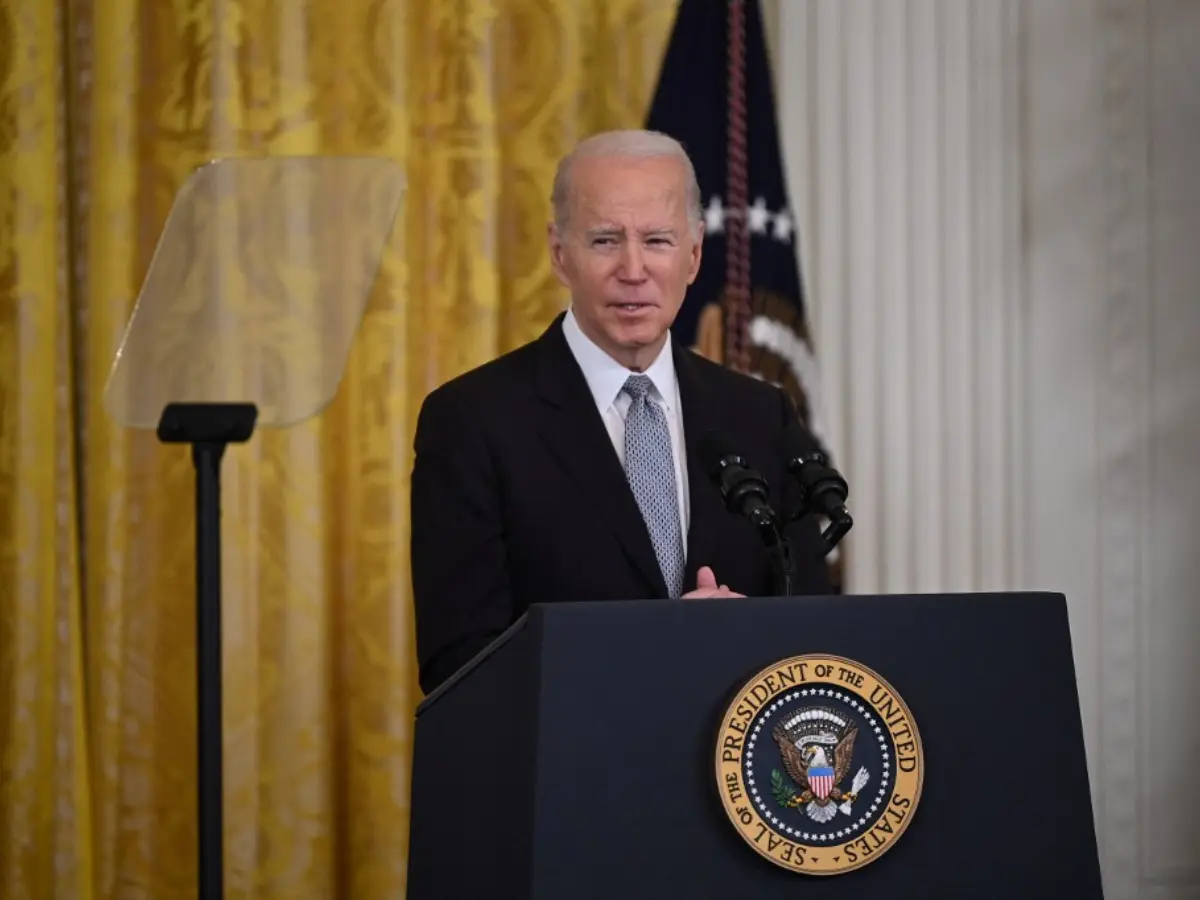
The Act was last invoked by Trump's predecessor Joe Biden. He invoked it on December 27, 2023, for "essential medicines, medical countermeasures, and critical inputs."
The move was aimed at preventing supply shortfalls that could impair national defence and weaken the country’s ability to respond to public health emergencies by expanding domestic manufacturing capacity for critical health-related resources.
Has Trump used the Defense Production Act before?
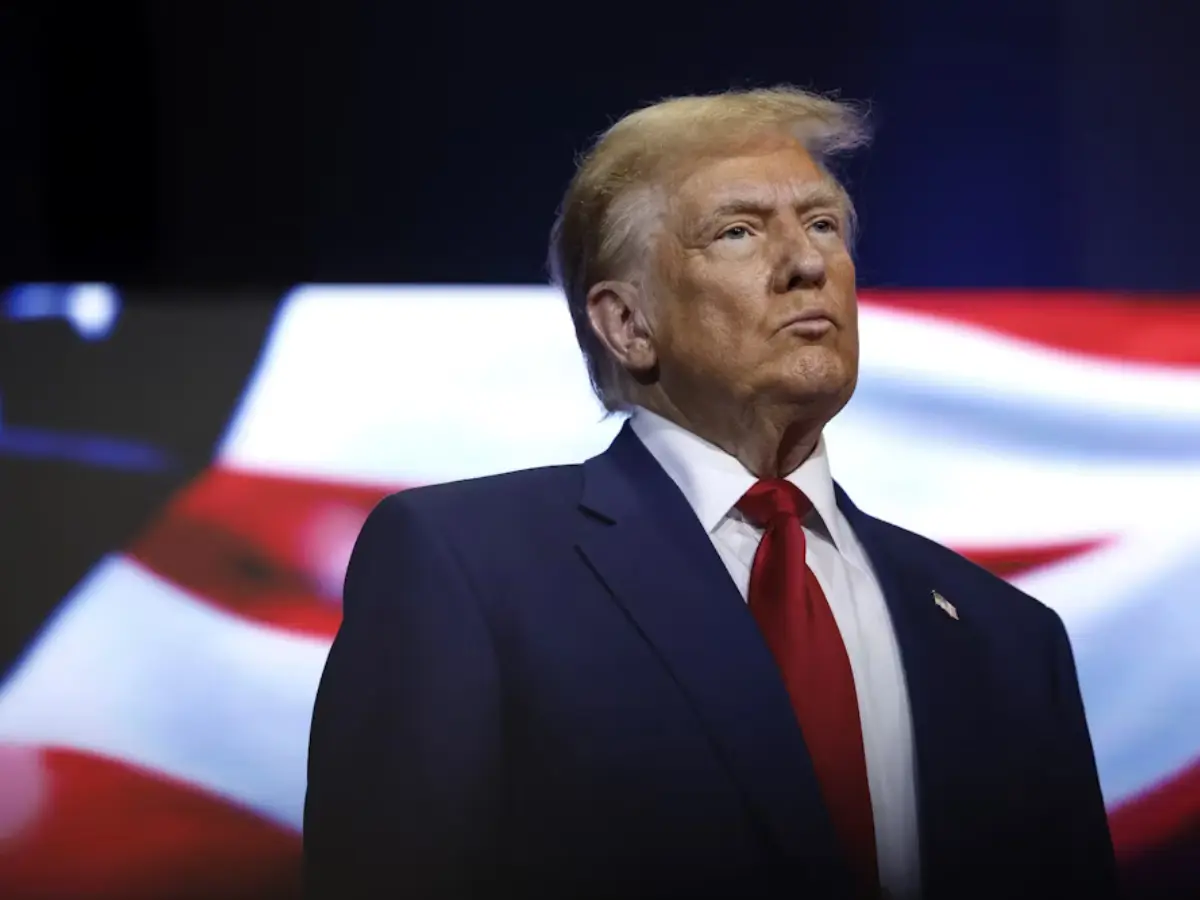
Yes, in his first term, Trump used the DPA in 2020, during the COVID-19 pandemic. Using the DPA, Trump had defined ventilators and personal protective equipment as "essential to the national defence."
At the time, he said, "I only signed the Defense Production Act to combat the Chinese virus, should we need to invoke it in a worst case scenario in the future."
"Hopefully, there will be no need, but we are all in this together."
"I want all Americans to understand: we are at war with an invisible enemy, but that enemy is no match for the spirit and resolve of the American people," he stated.
Has the DPA ever been applied to AI?
Yes, Biden invoked the DPA in a 2023 executive order on AI, notably in efforts to require that companies share safety test results and other information with the government. Trump, however, repealed the order at the start of his second term.
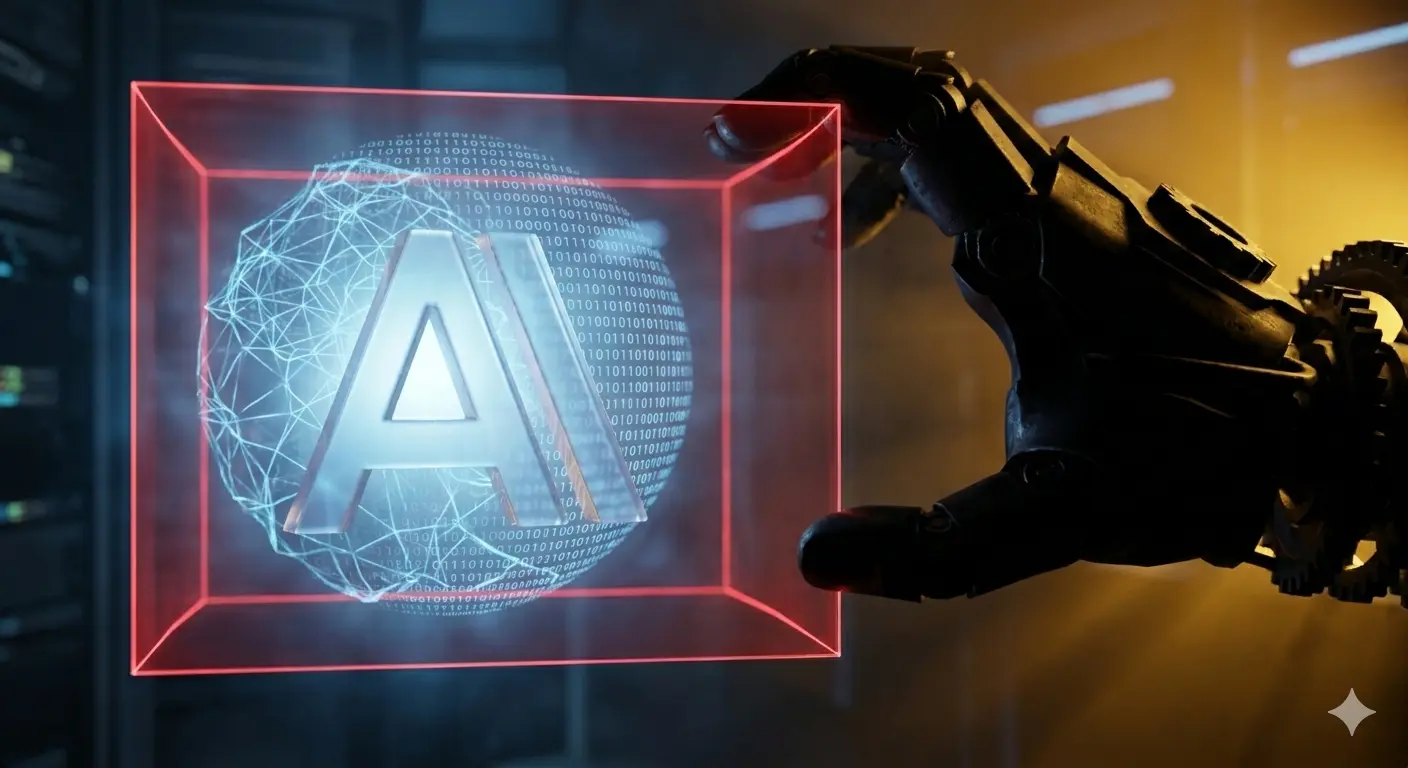
Can Trump use the Defense Production Act to force Anthropic to handover its AI?
The DPA does not let a president simply seize a company's technology or demand unconditional access to it. However, it can be used to pressure Anthropic or structure access in specific ways.
Anthropic's models are already being used by the Pentagon and intelligence agencies in defensive roles. Using the DPA, the tech company could potentially be forced to prioritise defence use before its commercial activities.
The firm can also be required to deploy specific resources, engineering time and AI infrastructure towards national defence needs. Using Title III, Washington can invest in AI infrastructure, subsidise model development and fund secure versions, thus creating leverage.
)
)
)
)
)