What is Cyclone Shakti and how it formed over the Arabian Sea?

The system originated close to India’s western coastline, between the Gujarat and Maharashtra coasts. As it intensified, the India Meteorological Department (IMD) upgraded it from a low-pressure area to a cyclonic storm, officially naming it “Shakti.”
1. Cyclone Shakti — First Major Storm of the Post-Monsoon Season
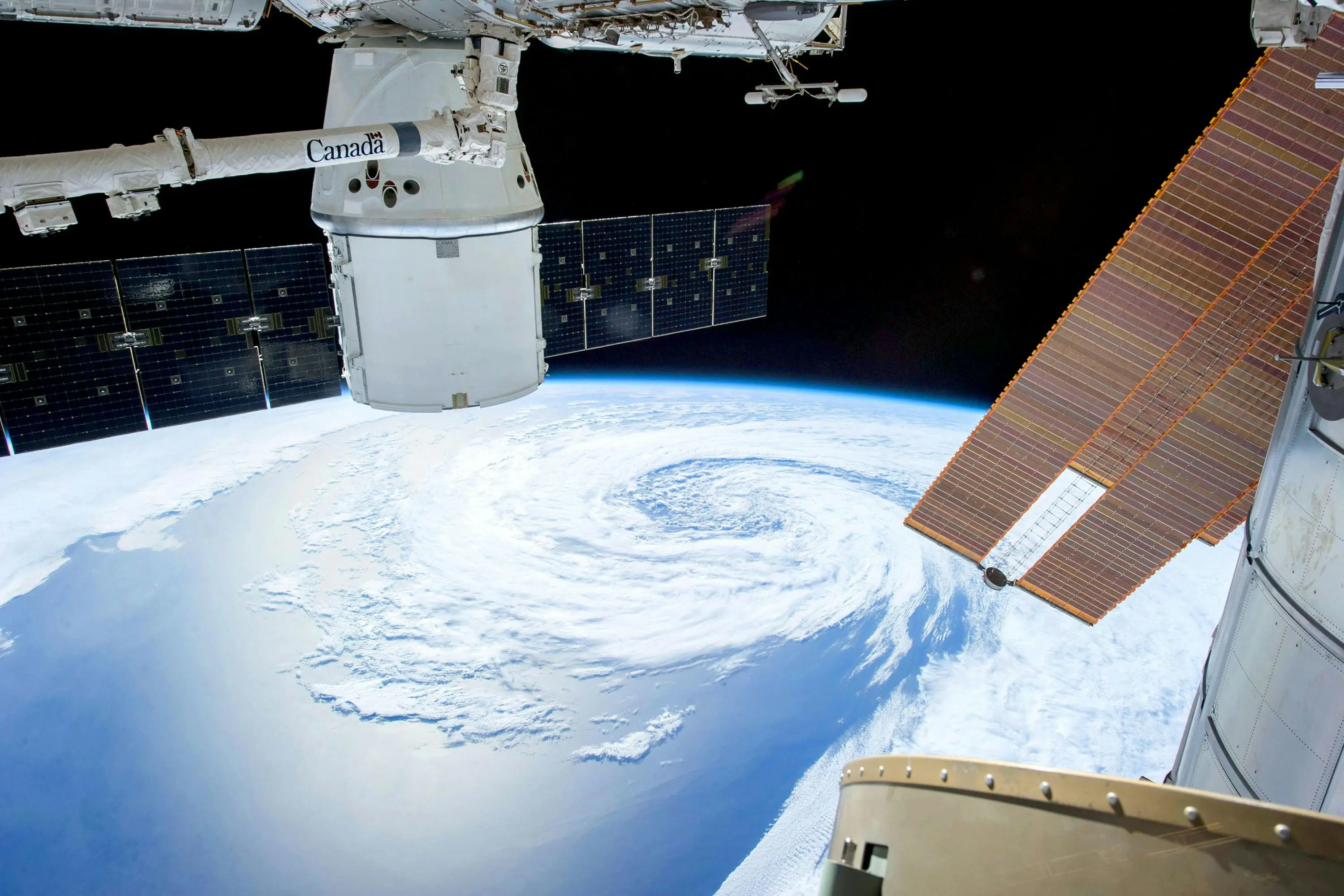
Cyclone Shakti is the first named tropical cyclone of the post-monsoon season in the Arabian Sea. It developed from a low-pressure system that emerged off the northeast Arabian Sea, gaining strength due to warm waters and favourable atmospheric conditions.
2. Where It Formed
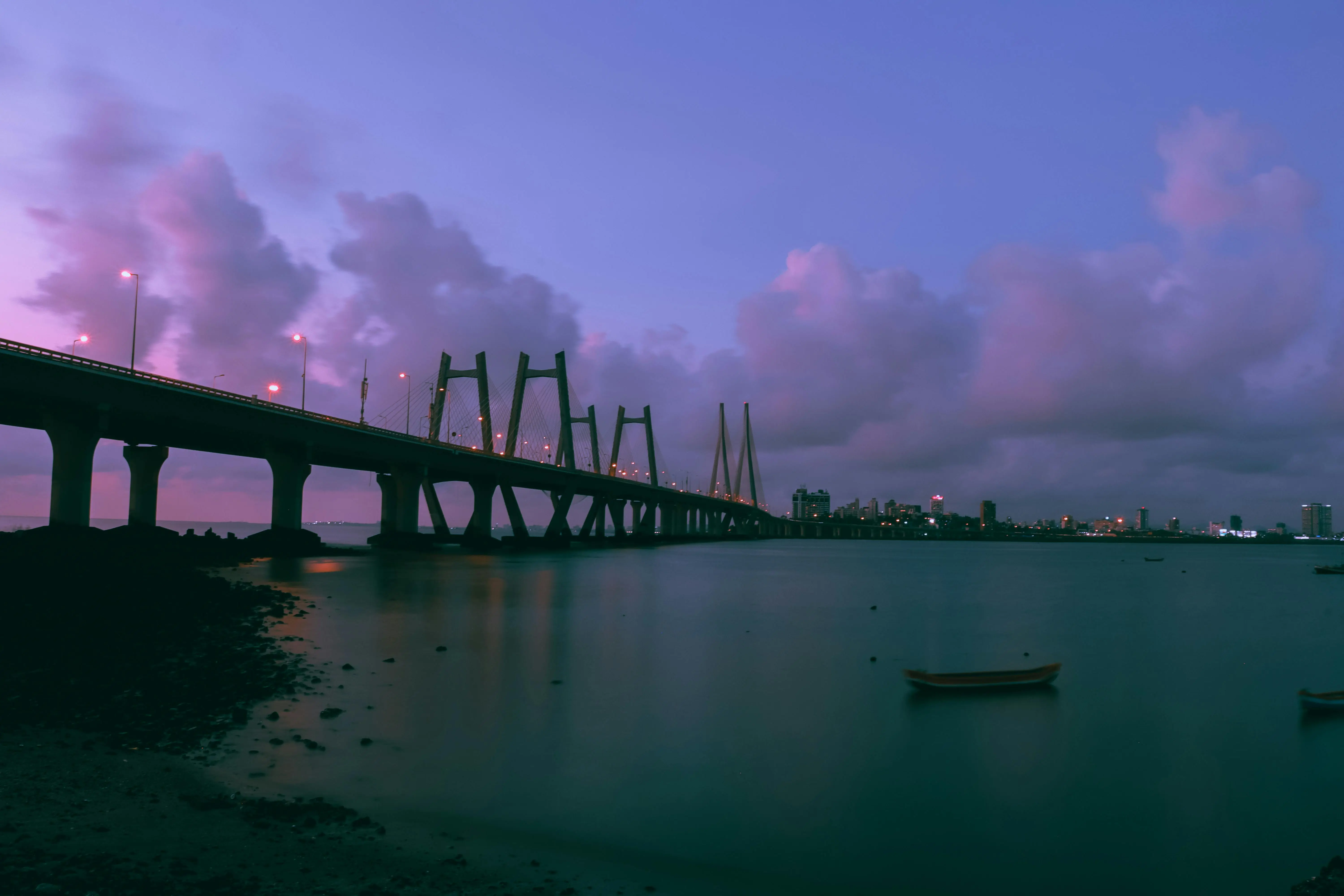
The system originated close to India’s western coastline, between the Gujarat and Maharashtra coasts. As it intensified, the India Meteorological Department (IMD) upgraded it from a low-pressure area to a cyclonic storm, officially naming it “Shakti.”
3. How Cyclones Form Over the Arabian Sea
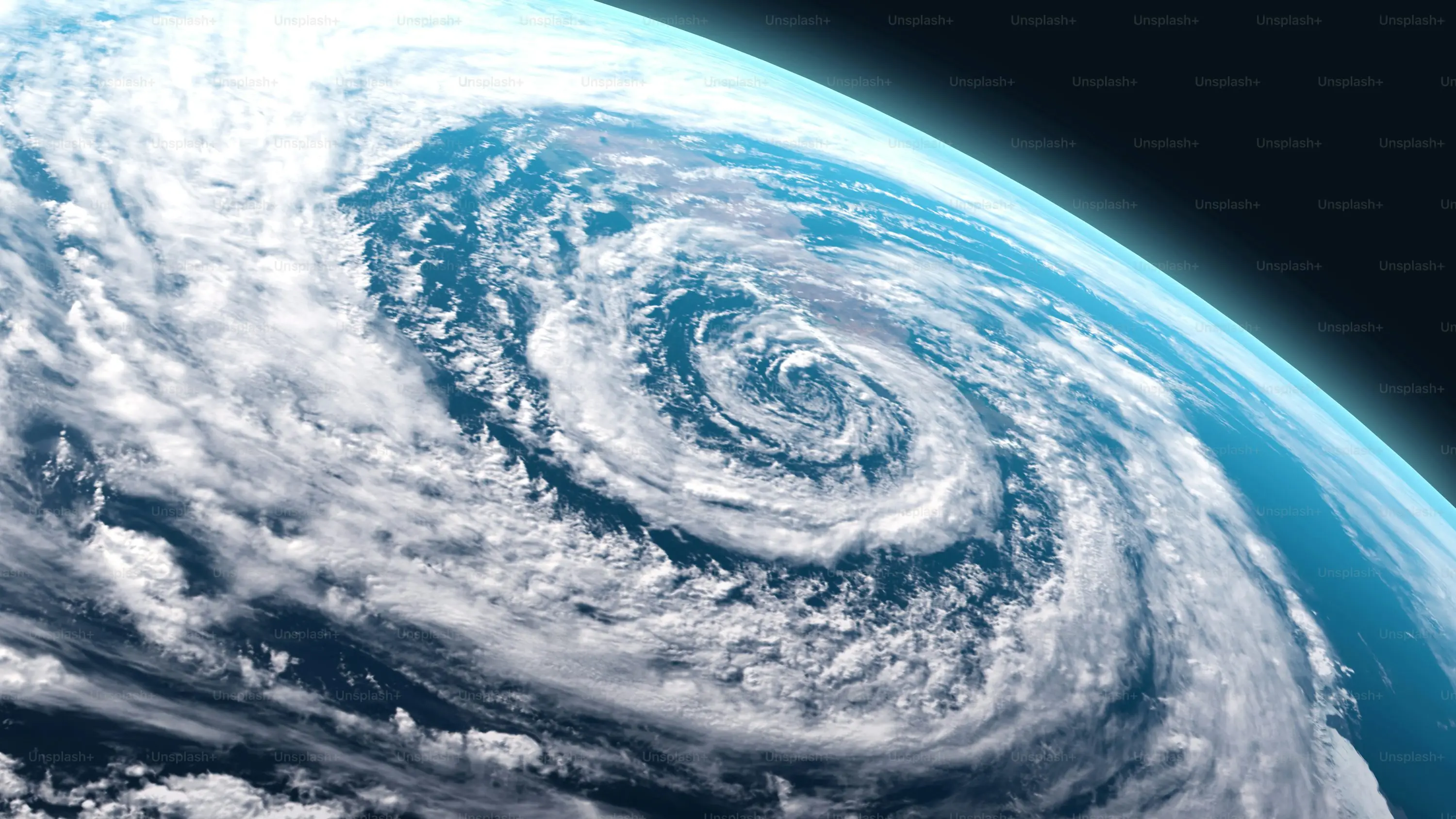
Cyclones need warm ocean temperatures (above 26°C), low vertical wind shear, and sufficient moisture in the atmosphere. The Arabian Sea has been unusually warm this season, providing the perfect breeding ground for the storm’s rapid intensification.

4. Why the Storm Strengthened Quickly
Meteorologists say Shakti intensified faster than usual, a trend increasingly linked to climate change and warmer seas. Strong convection and moisture inflow from the southwest monsoon belt also fueled its growth.
5. Current Path & Impact Zone
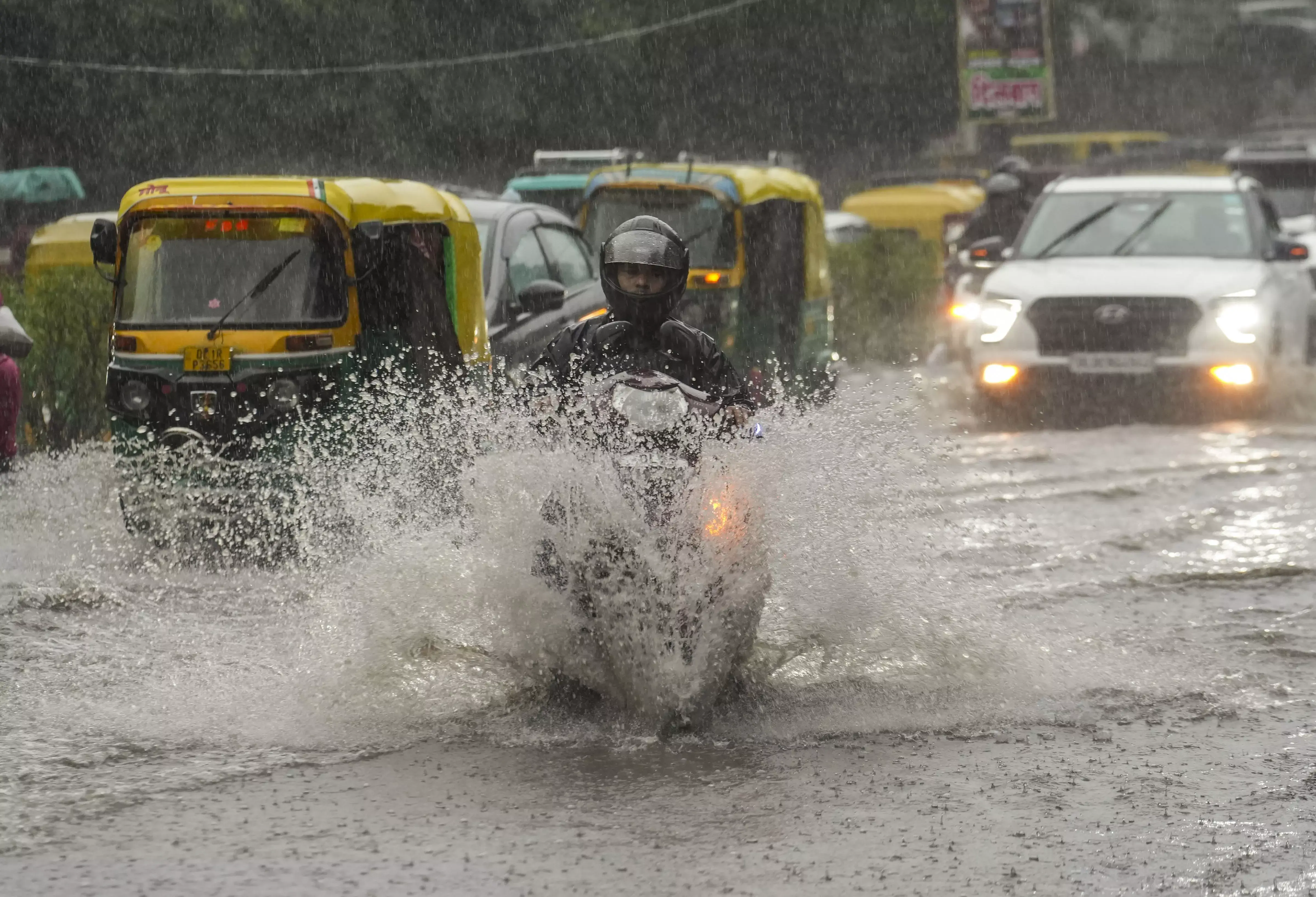
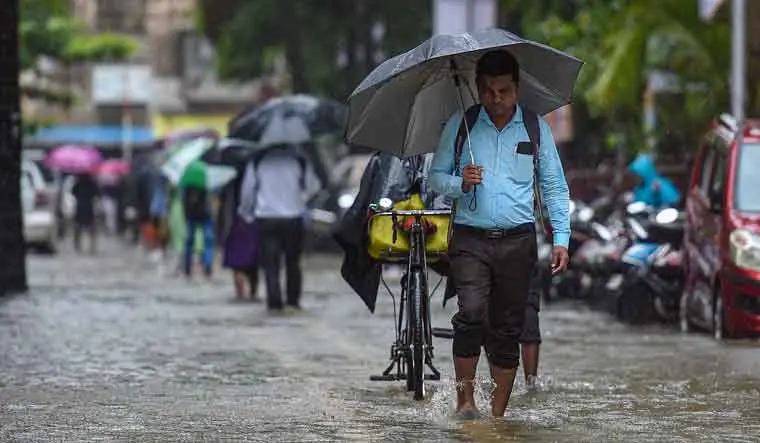
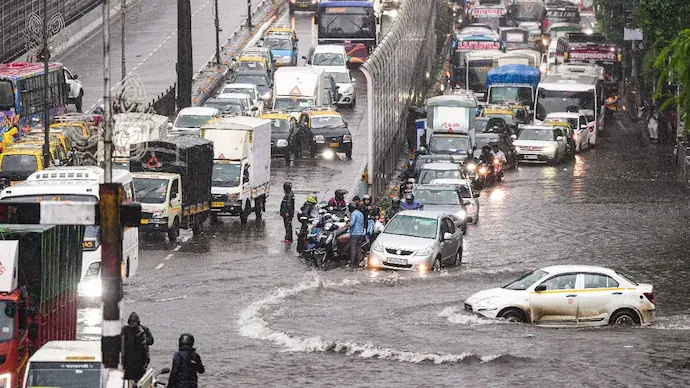
Cyclone Shakti is currently moving north-northwestward, skirting the Indian coastline without an expected direct landfall. However, Maharashtra’s coastal districts, including Mumbai, Thane, Palghar, Raigad, and Ratnagiri are on alert for heavy rainfall, gusty winds, and rough seas from October 4–7.
6. What IMD and Authorities Are Doing
IMD has issued orange and yellow alerts for several districts. Fishermen have been asked to return to the coast, and disaster management teams have been placed on standby. Urban flood control measures have been activated in Mumbai and Thane.
7. Why This Matters
Cyclone Shakti is another reminder of how Arabian Sea cyclones are becoming more frequent and intense. Monitoring these systems is crucial for safeguarding coastal communities, infrastructure, and shipping routes.
)
)
)
)
)