What is Akashteer? 7 key features of India’s indigenous automated air defence system

The system is a representation of India's shift from traditional, manual air defence models to an integrated, automated network capable of rapid responses across services.
Introduction
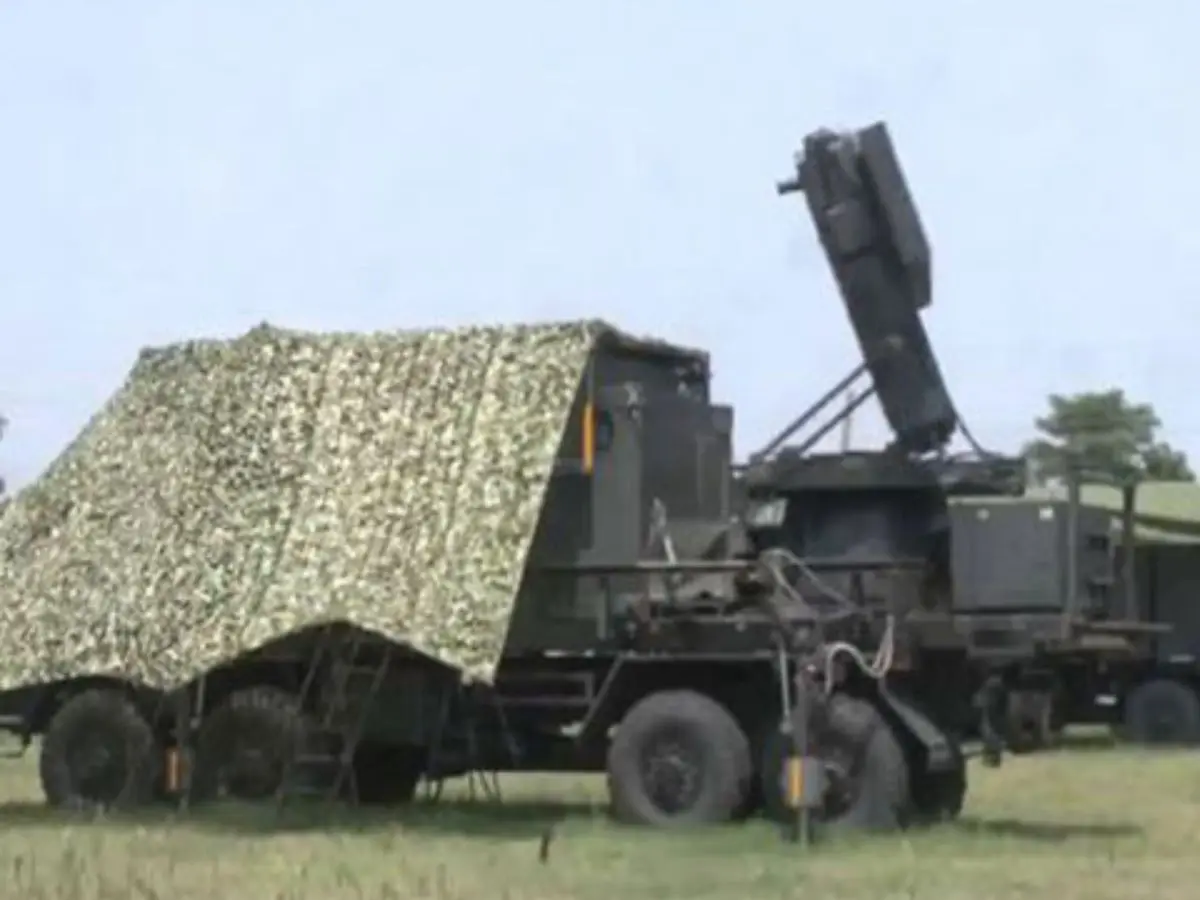
Akashteer is India’s fully indigenous, automated Air Defence Control and Reporting System that forms a core part of the country’s modernised air defence network. The technology was developed under the Atmanirbhar Bharat initiative and fielded by Bharat Electronics Limited (BEL). Akashteer proved t's might as it played a central role during Operation Sindoor, where it intercepted and neutralised inbound projectiles and aerial threats in real time. The system is a representation of India's shift from traditional, manual air defence models to an integrated, automated network capable of rapid responses across services. Here are 7 most prominent features of Akashteer:
1. Comprehensive sensor and radar fusion
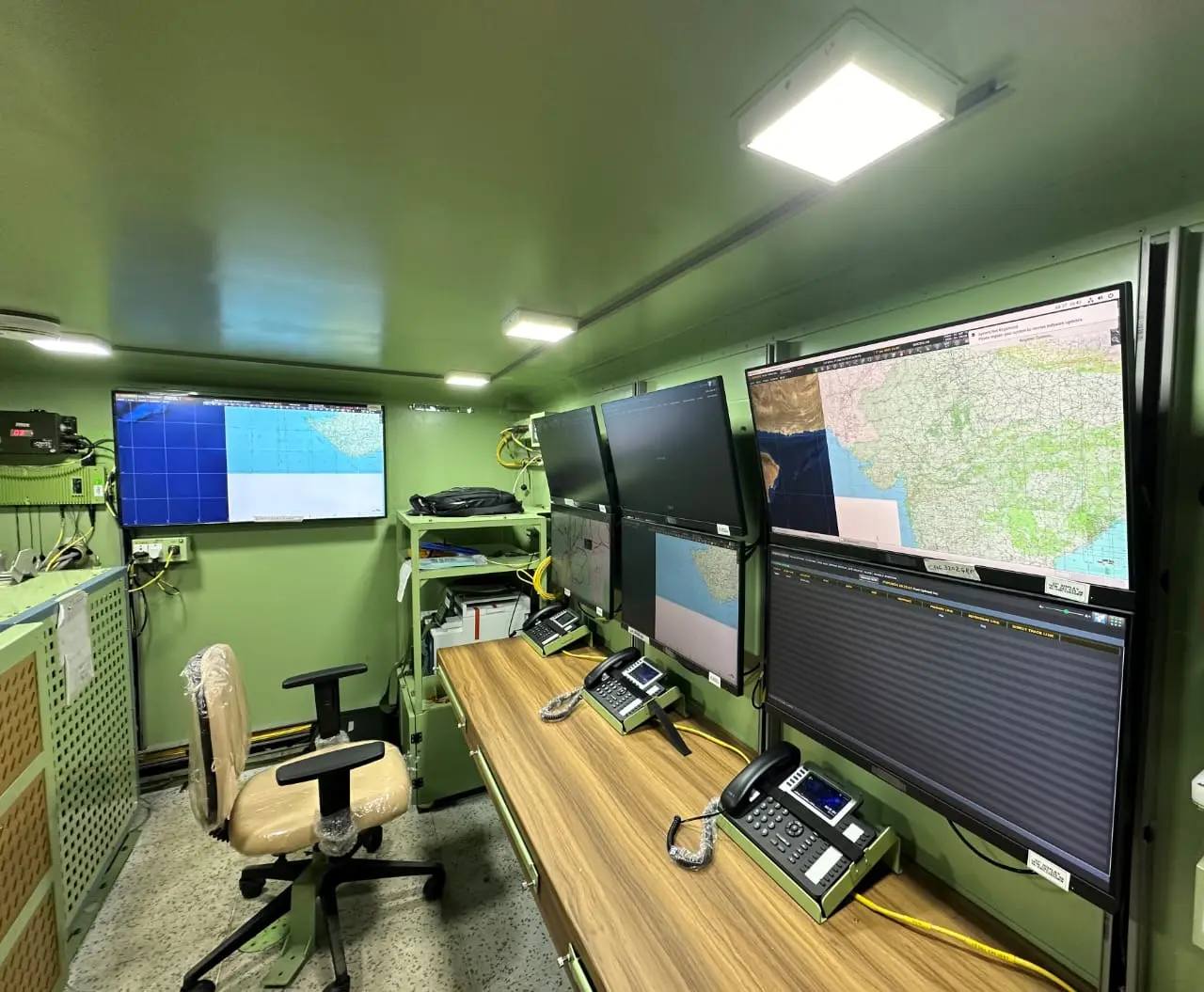
At the heart of Akashteer is its ability to integrate data from multiple radar and sensor systems. It consolidates inputs from Tactical Control Radar REPORTER, 3D Tactical Control Radars, Low‑Level Lightweight Radars and radars associated with the Akash Weapon System to create a unified air picture. This sensor fusion of Akashteer, enhances situational awareness for defence forces, further ensuring that information is shared seamlessly across units.
2.Automated threat detection and engagement
Unlike the conventional systems that rely on manual processing, Akashteer automates detection, tracking and engagement of aerial threats such as missiles, drones and hostile aircraft. The system works by processing real‑time data and enables autonomous decision‑making,, thus reducing response times in high‑speed scenarios where seconds can be decisive.
3. Part of a broader C4ISR framework
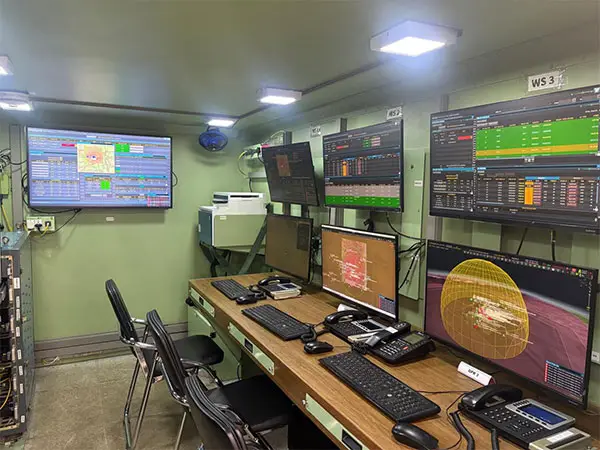
Akashteer operates within India’s broader C4ISR framework, which translates to Command, Control, Communications, Computers, Intelligence, Surveillance and Reconnaissance. Its integration with C4ISR enables seamless and coordinated action between the Army, Navy and Air Force, offering a clear, unified operational picture and improving joint force readiness.
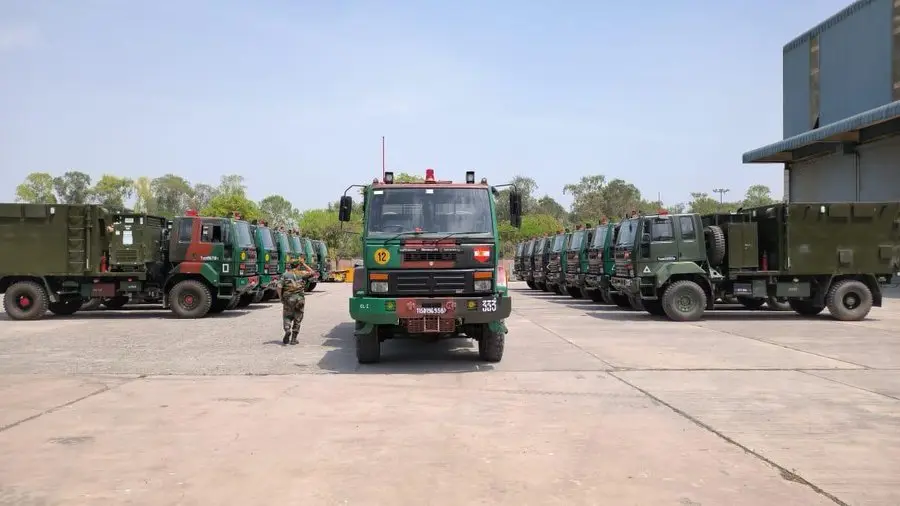
4. Indigenous development and strategic shift
Akashteer represents a broader strategic shift in India’s defence doctrine from passive air defence to proactive, automated responses. Its development under Atmanirbhar Bharat is a reflection of India’s growing ability to design and field advanced defence technologies without reliance on foreign imports, enhancing national security and technological autonomy.

5. Real‑time command and control
The system provides battlefield commanders with a real‑time situational view. By consolidating data and presenting it across control rooms, radars and weapon systems, Akashteer system gains the ability to take rapid tactical decisions, thus reducing the the risk of delayed responses.
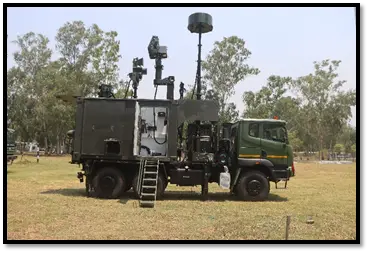
6. Mobility and flexible deployment
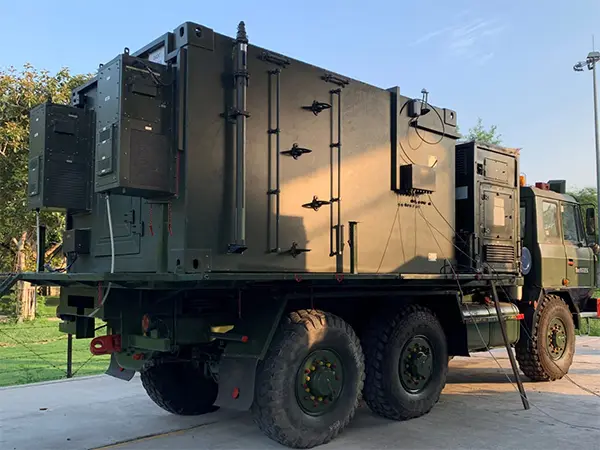
The most important feature of Akashteer is its mobility. It has a vehicle‑based design, which allows rapid deployment across varied terrains and conflict zones. Being mobile makes it suitable for active battlefields and improves its adaptability in different operational contexts.

7. Reduced risk of friendly fire
The system’s unified air picture helps in reducing the likelihood of friendly fire by ensuring that all operational elements share the same data. This clarity helps it to distinguish between friendly assets and hostile targets, improving safety during engagements.
)
)
)
)
)