What if the Su-57 got a sixth-generation upgrade? 10 possible features

A future sixth-generation Su-57 could control drone swarms, fire laser weapons, use adaptive engines and morphing wings, and act as a flying command centre. These upgrades hint at a fighter designed not just to fly missions, but to control entire battles revealing a shift in air warfare.
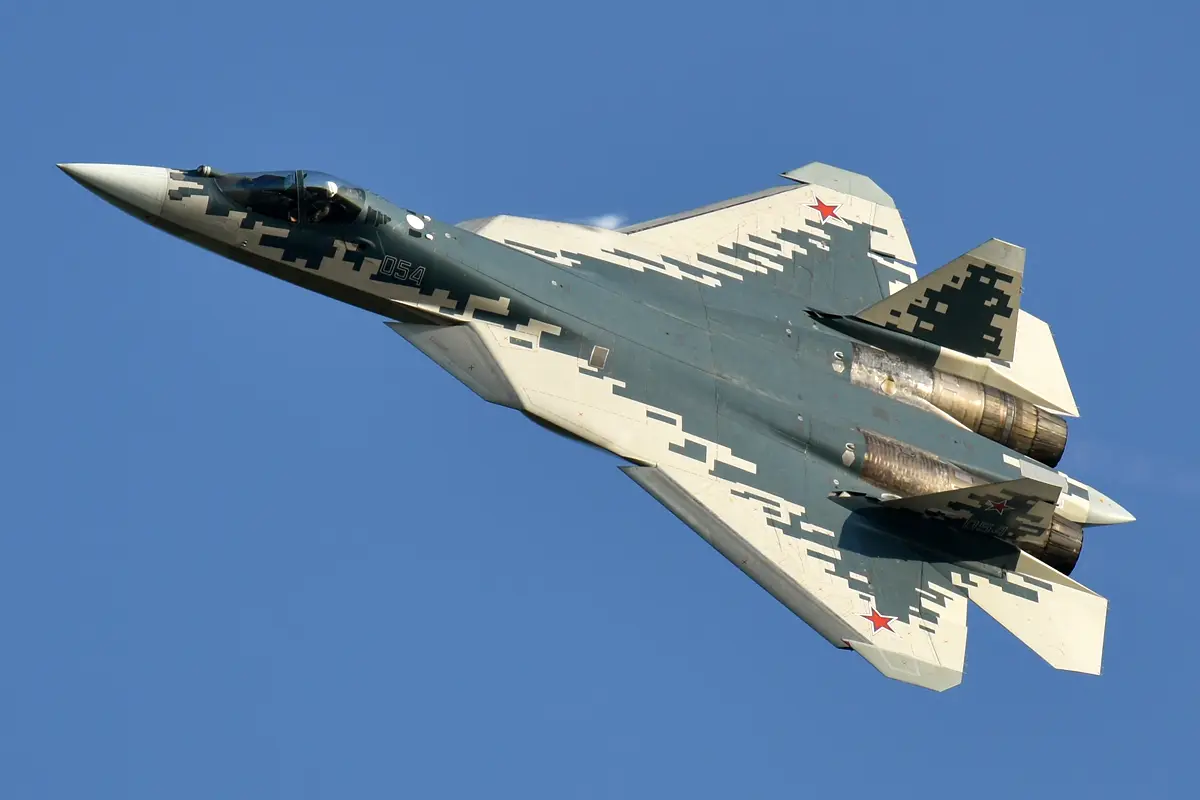
Loyal Wingman Drone Swarms - Autonomous Escort Fleet
A sixth-generation Su-57 could control multiple AI-powered loyal wingman drones operating as autonomous escorts. These drones would coordinate through advanced algorithms enabling swarming behaviour for attack, defence, jamming, and reconnaissance missions. The command fighter would reduce pilot workload whilst dramatically expanding combat capability through sensor fusion from multiple platforms simultaneously.
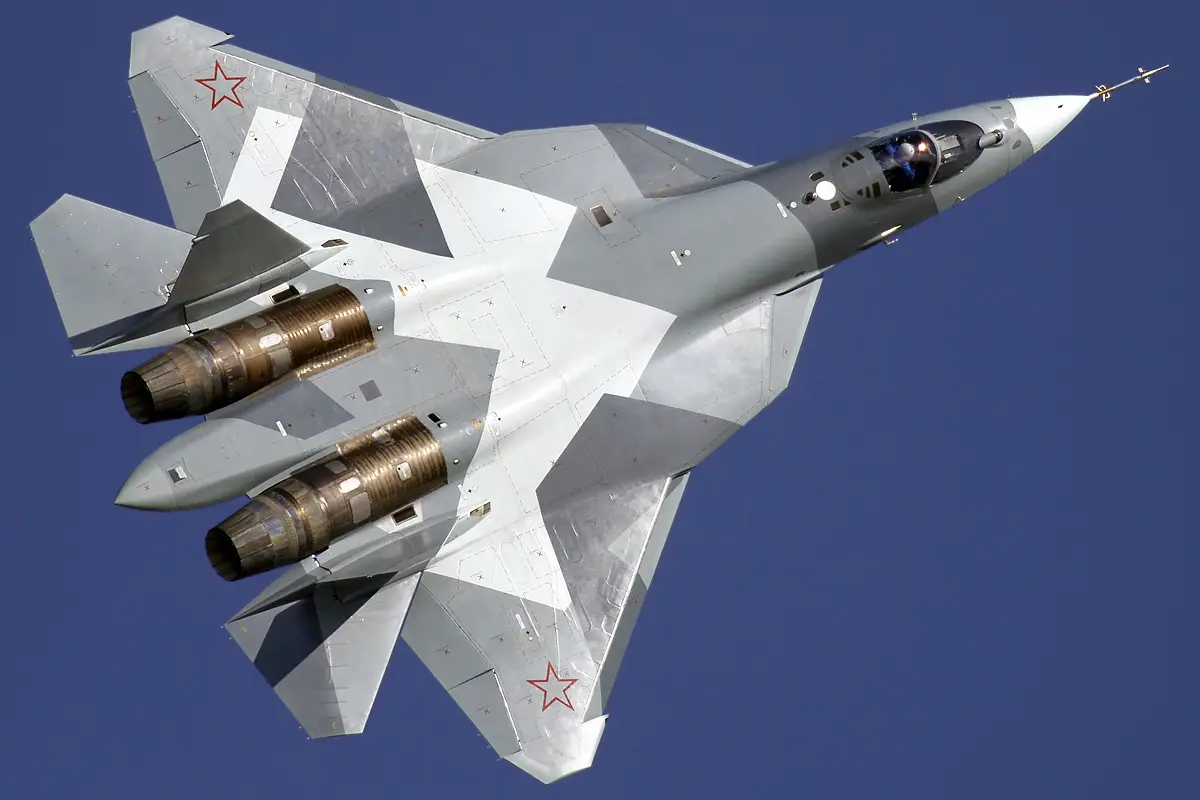
Networked Combat Cloud - Real-Time Data Sharing
The upgraded Su-57 would operate as an airborne node within a networked combat system connecting satellites, ground forces, and coalition partners. European FCAS programme demonstrates "Combat Cloud" integration where piloted fighters act as sensors and effectors across air, space, ground, sea, and cyber domains. Real-time information sharing enables rapid targeting and mission updates.
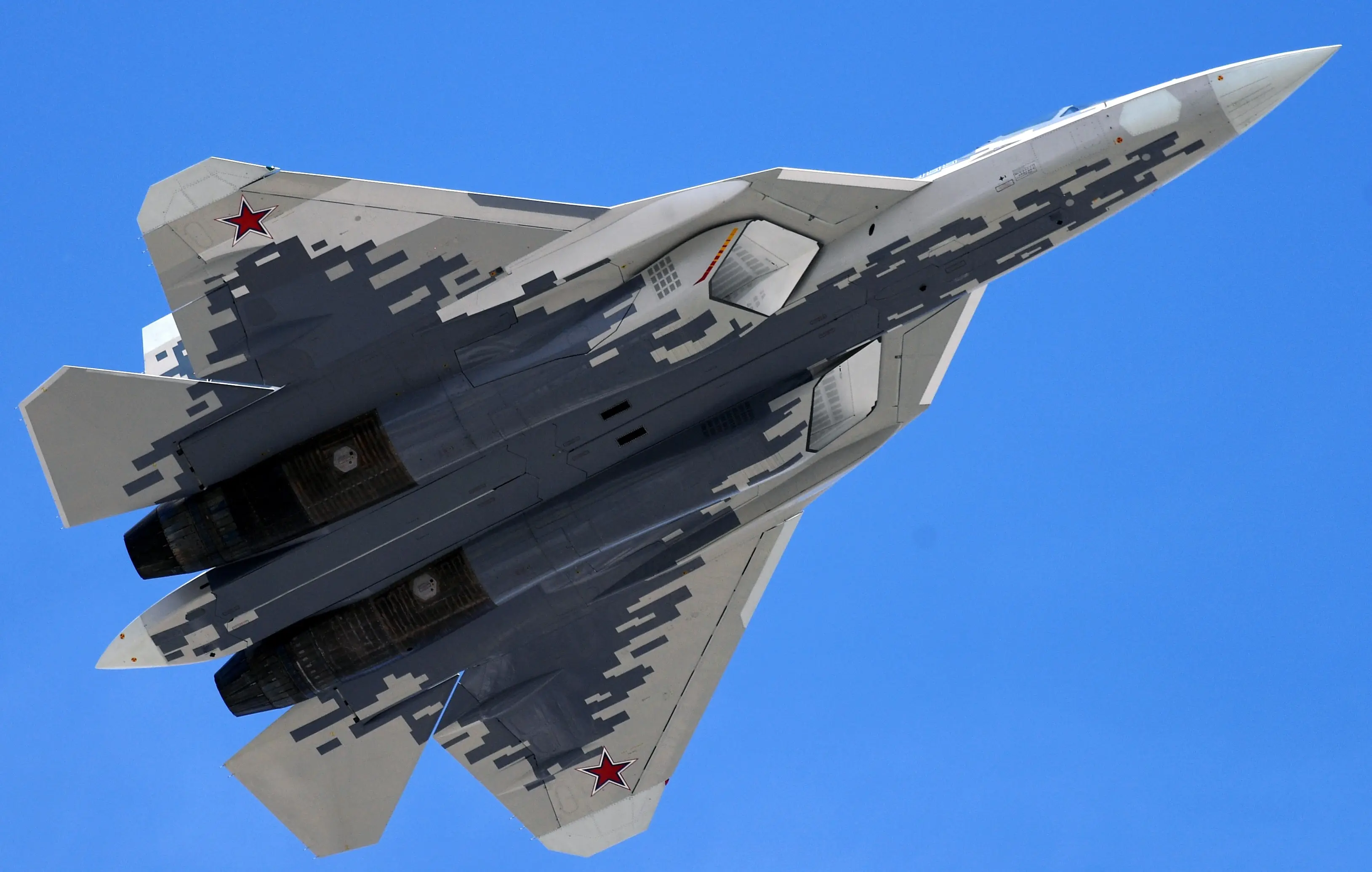
Directed Energy Weapons - 300-Kilowatt Laser System
Sixth-generation Su-57 could mount India's Surya-class 300-kilowatt laser weapon with 20-kilometre engagement range against missiles and aircraft. Each laser engagement costs mere litres of fuel versus expensive missiles. Unlimited ammunition availability through power generation creates revolutionary defensive and offensive capabilities against drone swarms and hypersonic threats.
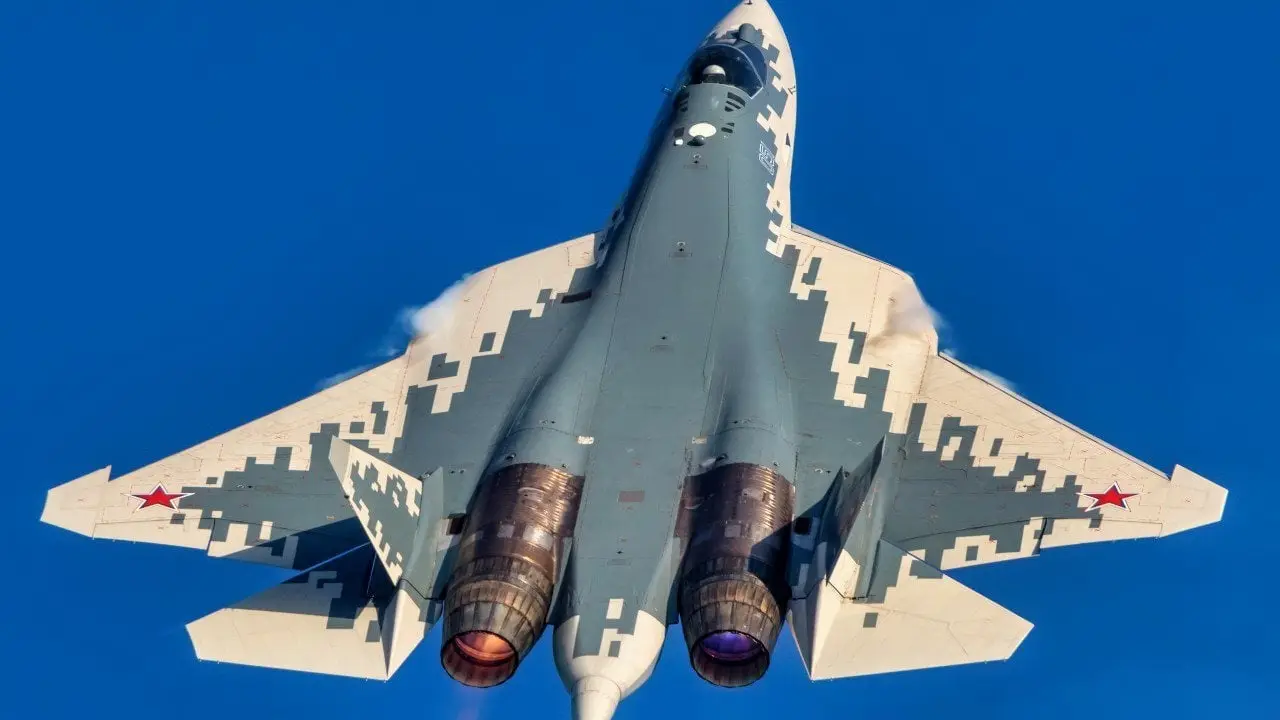
360-Degree Virtual Cockpit - Helmet-Mounted Display
The upgraded Su-57 would feature advanced helmet-mounted displays providing complete 360-degree vision integrating all sensor data seamlessly. AI enhances battlefield awareness generating dynamic target lists automatically. Pilot workload decreases substantially whilst tactical awareness increases exponentially through enhanced human-systems integration.
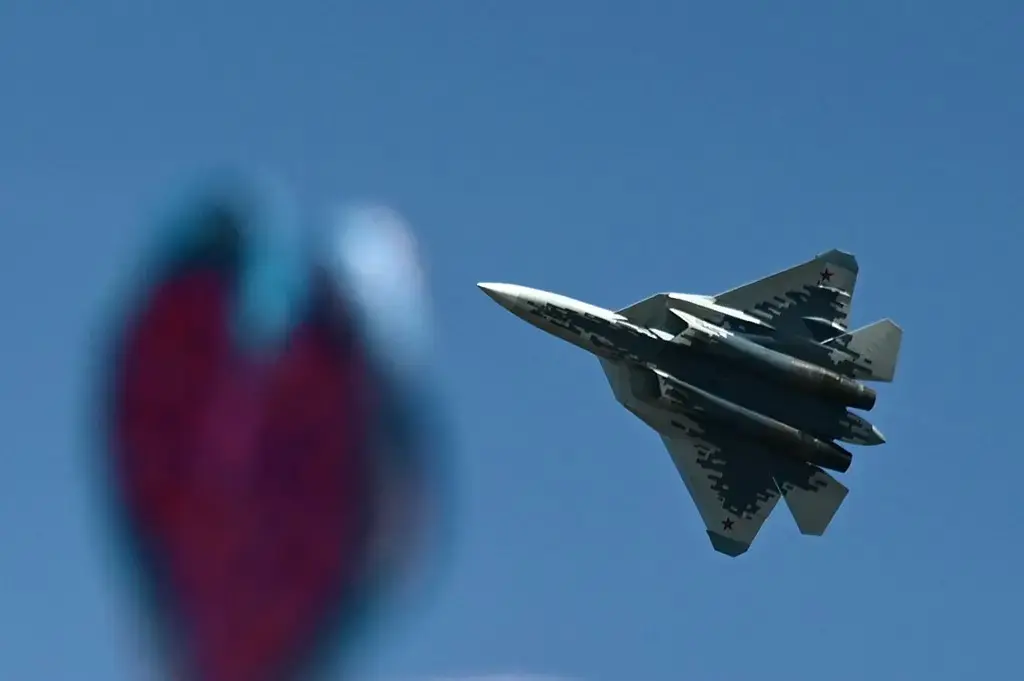
Adaptive Variable-Cycle Engines - Third Bypass Duct
Sixth-generation Su-57 engines could employ GE and Pratt & Whitney's adaptive cycle technology adding a third bypass duct opening and closing based on flight conditions. During economic cruise, fuel consumption drops significantly increasing range. When combat thrust required, bypass duct closes maximising high-pressure core output whilst maintaining heat management.
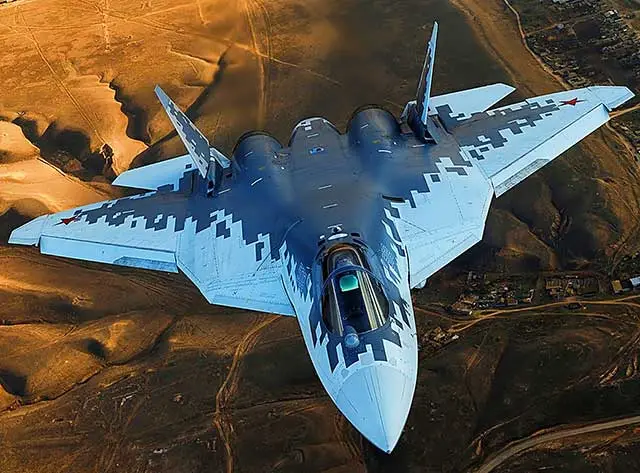
AI Sensor Fusion - Multi-Spectral Data Integration
Advanced AI processors would fuse data from infrared, radar, electronic warfare, and optical sensors creating comprehensive real-time battlespace picture. The system autonomously prioritises targets, generates threat assessments, and recommends optimal weapons employment. Processing speeds enable decisions faster than pilot manual analysis.
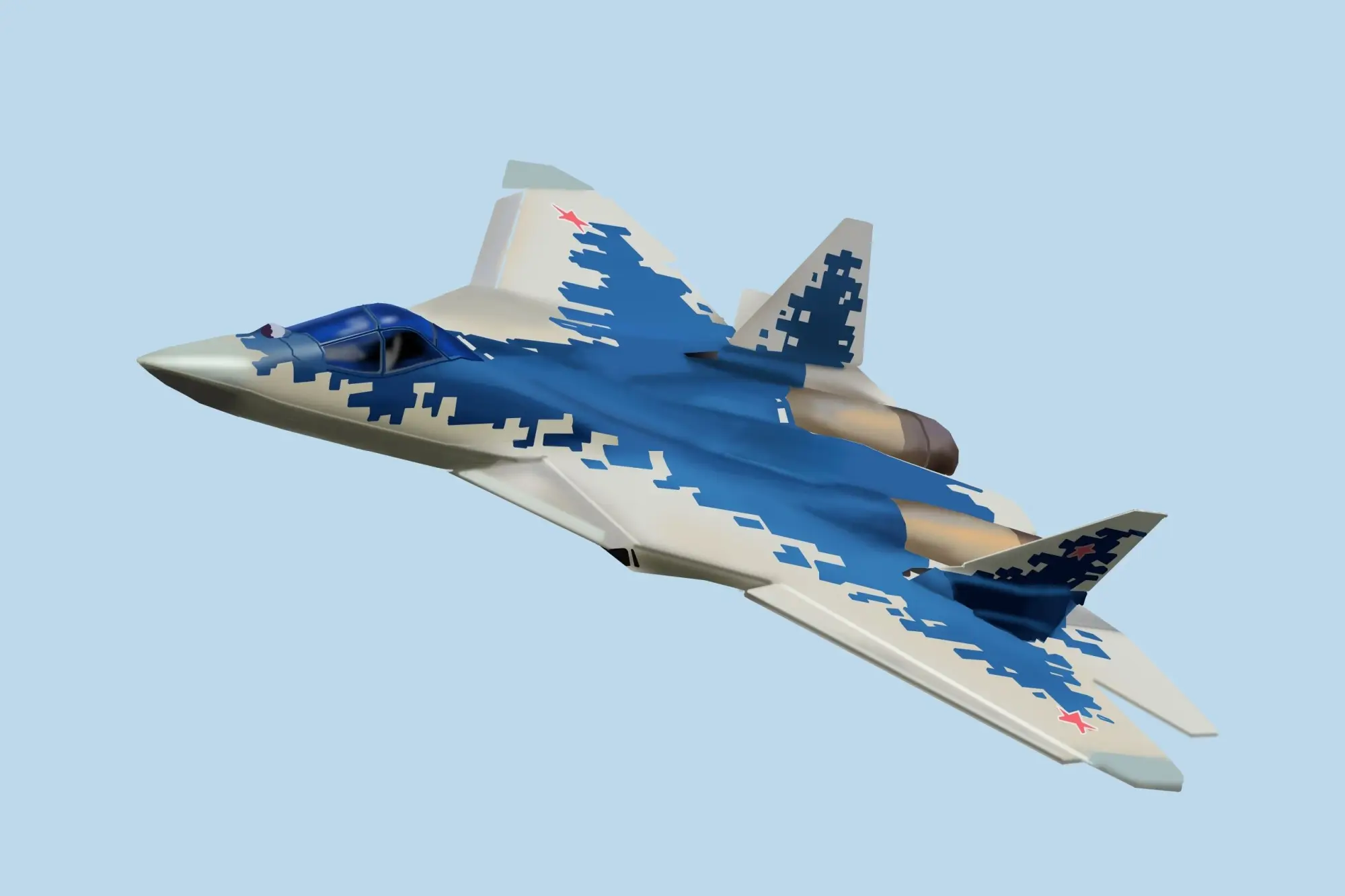
Hypersonic Standoff Weapons - Extended Strike Range
The upgraded Su-57 would carry hypersonic cruise missiles reaching Mach 5+ with ranges exceeding 1,000 kilometres, enabling strikes from standoff positions. Combined with AI targeting, this extends combat effectiveness dramatically. Future hypersonic engines could propel the fighter itself to sustained hypersonic speeds for rapid deployment.
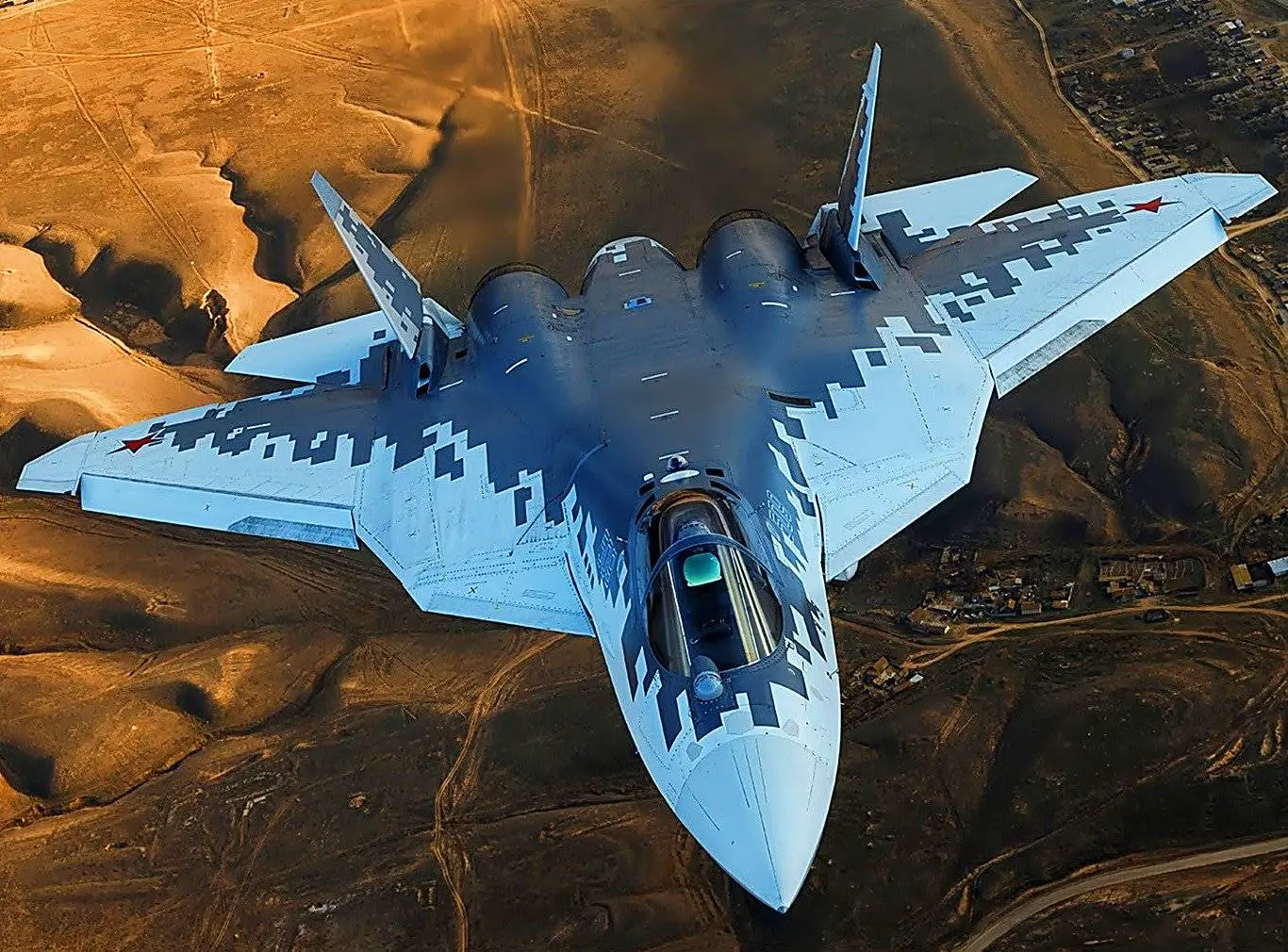
Morphing Wing Technology - Adaptive Aerodynamics
A sixth-generation Su-57 could feature morphing wings eliminating fixed-wing compromises. Wings reshape for takeoff efficiency, combat manoeuvring, and cruise economy without mechanical moving surfaces creating radar reflections.
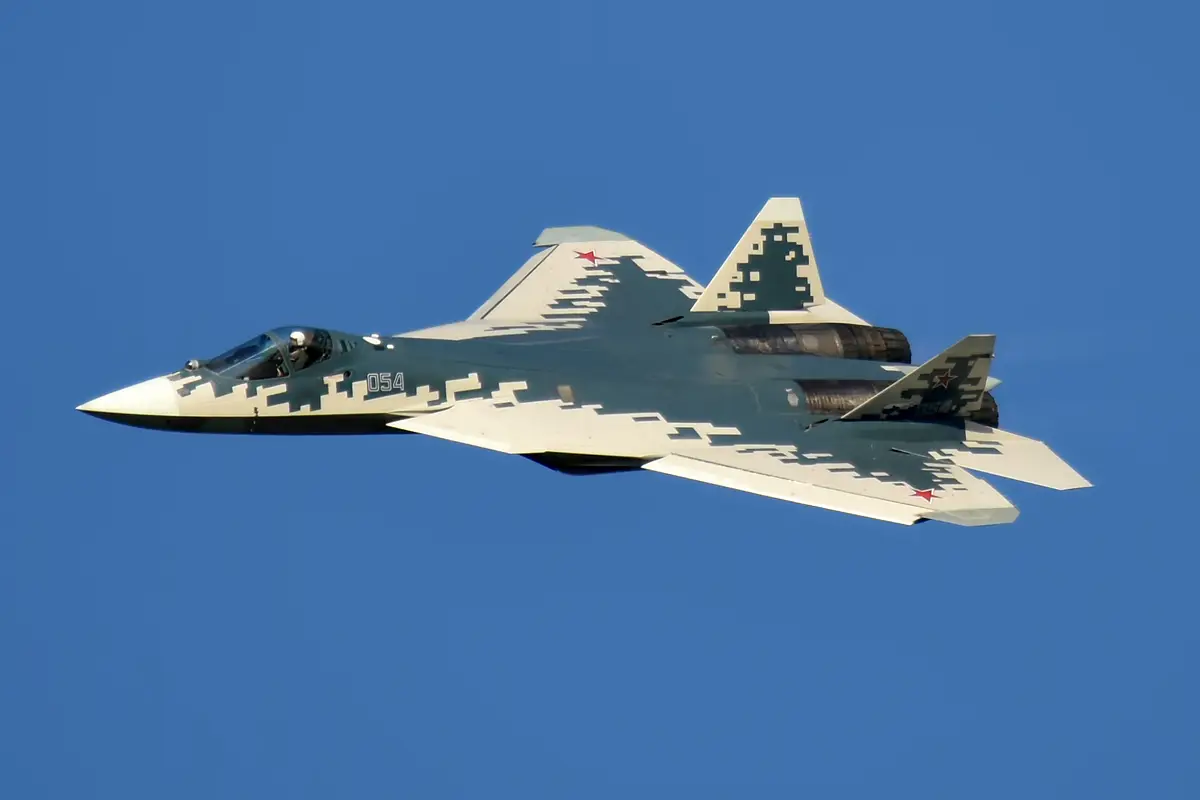
Multi-Spectral Stealth Enhancement - Beyond Radar Invisibility
China's sixth-generation "White Emperor" demonstrates tailless shapes with advanced stealth features and multi-spectral technology. A sixth-generation Su-57 could incorporate infrared, visual, and electromagnetic invisibility through advanced materials and design. Three-engine configuration provides greater power generation for directed-energy weapons and advanced sensors.
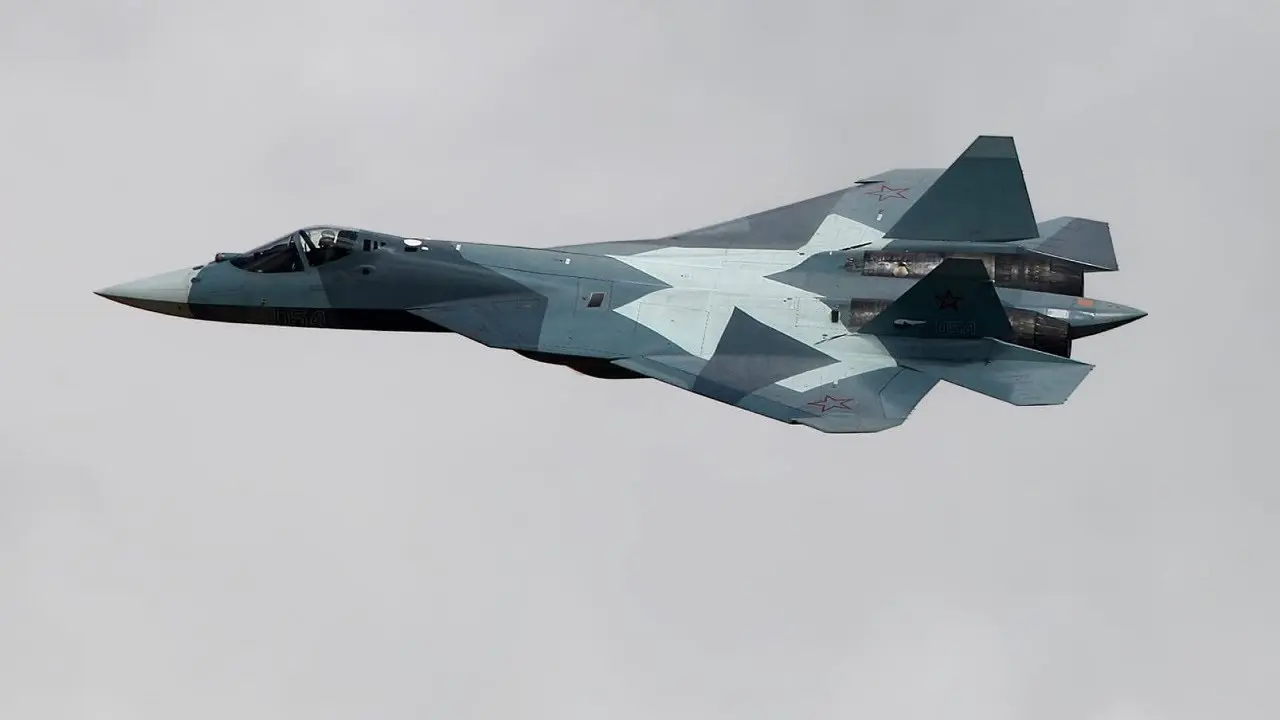
System-of-Systems Command Center - Flying Tactical Hub
Rather than interceptor, the upgraded Su-57 transforms into flying command centre coordinating multiple platforms, weapons systems, and sensor networks. The pilot manages multi-domain operations across air, space, ground, sea, and cyber domains. Integration with uncrewed remote carriers enables unprecedented coordination enabling true network-centric warfare.
)
)
)
)
)