What if the B-1B Lancer had vertical takeoff capability?

The B-1B Lancer is famous for its speed and payload, but what if it could take off vertically like a helicopter or an F-35B fighter? A vertical takeoff B-1B Lancer is a fascinating dream, but today’s technology makes it almost impossible for heavy bombers.
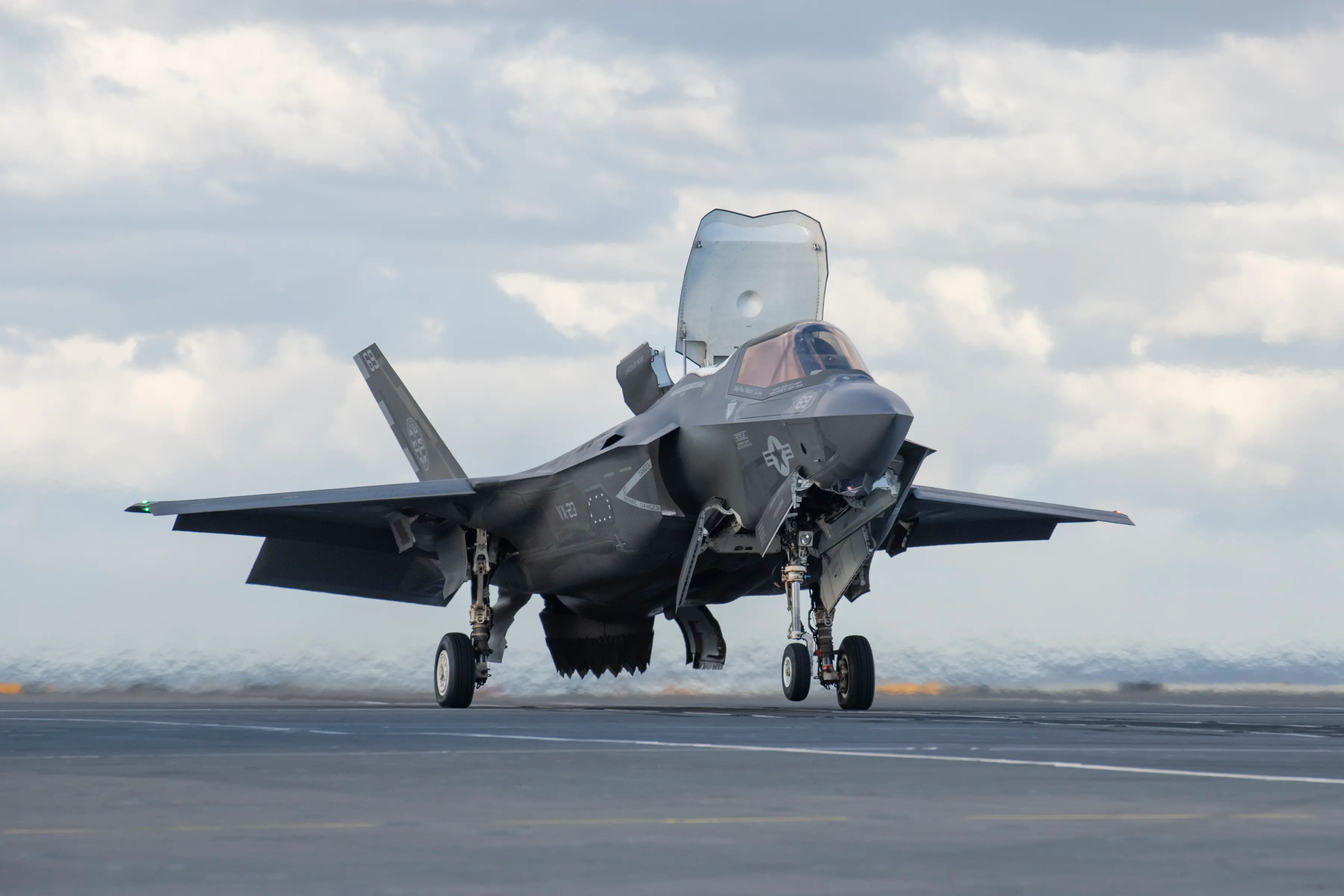
What Is Vertical Takeoff?
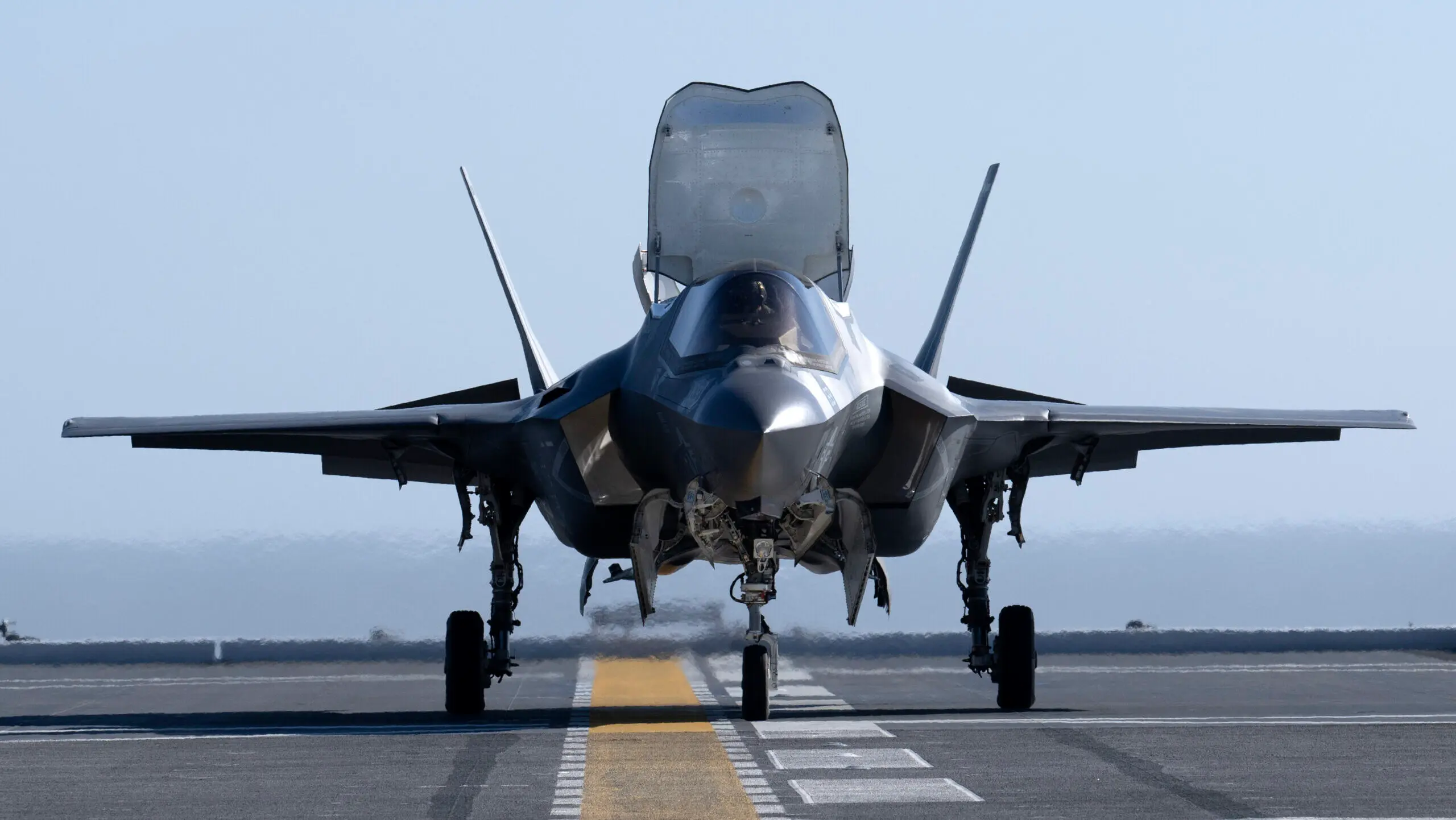
Vertical takeoff lets an aircraft rise straight up without a runway. Modern VTOL jets like the Harrier or F-35B use powerful engines, thrust vectoring, and sometimes extra lift fans. This means they can operate from small pads, ships, or damaged runways boosting flexibility in war zones.
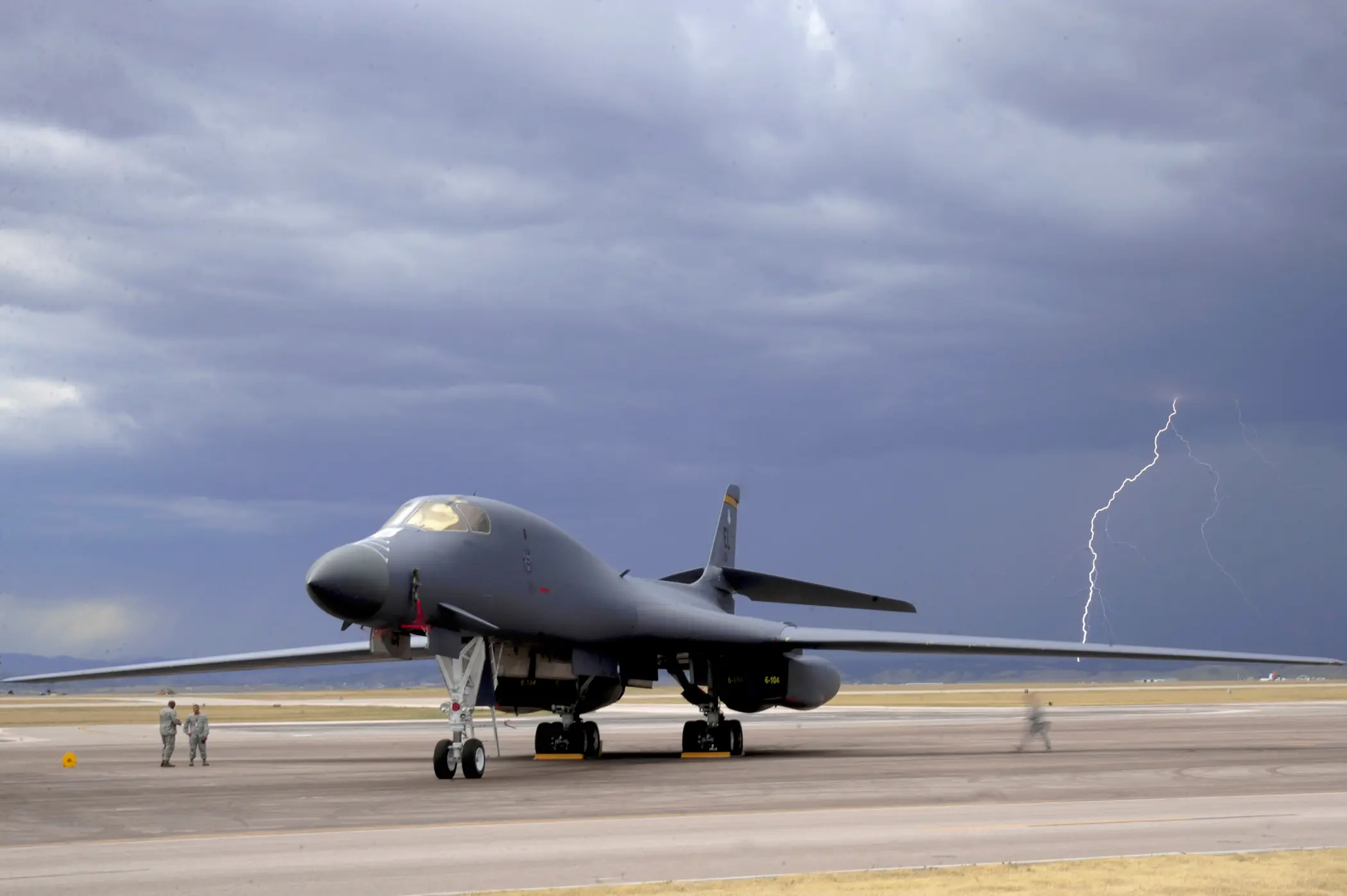
The B-1B Lancer - A Bomber Built for Speed
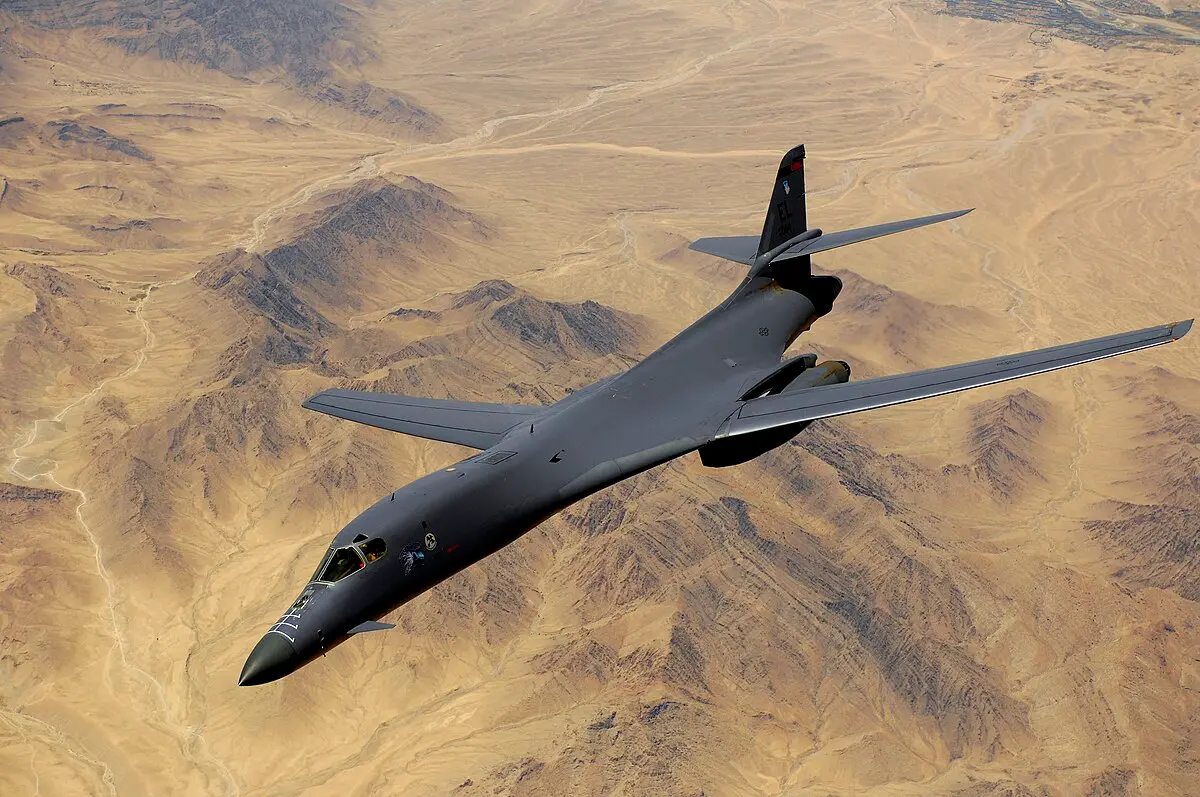
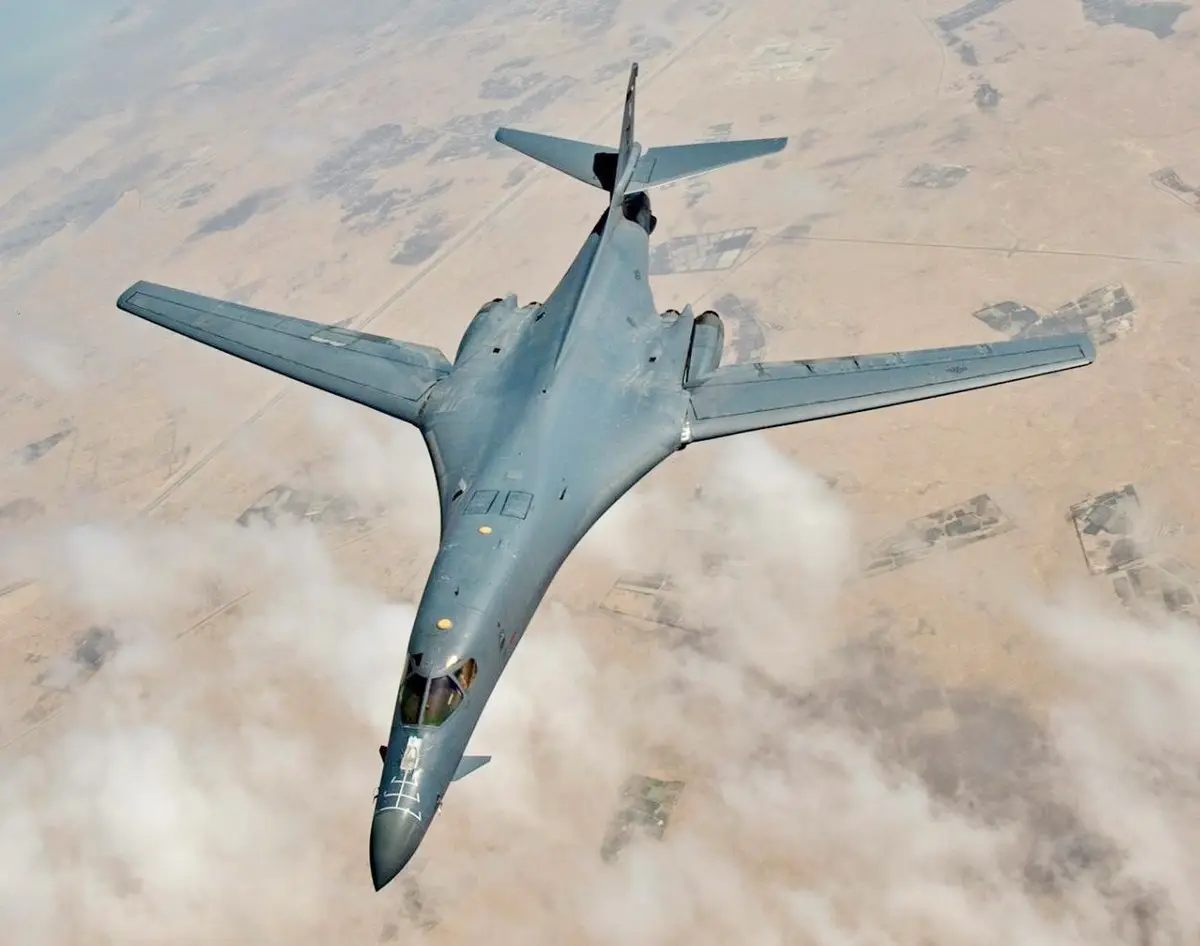
The B-1B weighs up to 216,000 kg at takeoff and uses four huge afterburning engines. Its variable-sweep wings and design help it reach Mach 1.25 while carrying up to 34,000 kg of bombs. It needs a long, strong runway for takeoff and landing, and is optimised for speed, range, and altitude not for hovering or short hops.
The Challenge: Why VTOL Doesn’t Fit Big Bombers
Offering vertical lift for something as big as the B-1B is nearly impossible with current technology. VTOL requires as much lift as the entire aircraft’s weight, needing many times more engine power and introducing weight penalties from extra fans or rotors. For a bomber of this size, the fuel, structural stress, and engine demands would be overwhelming.
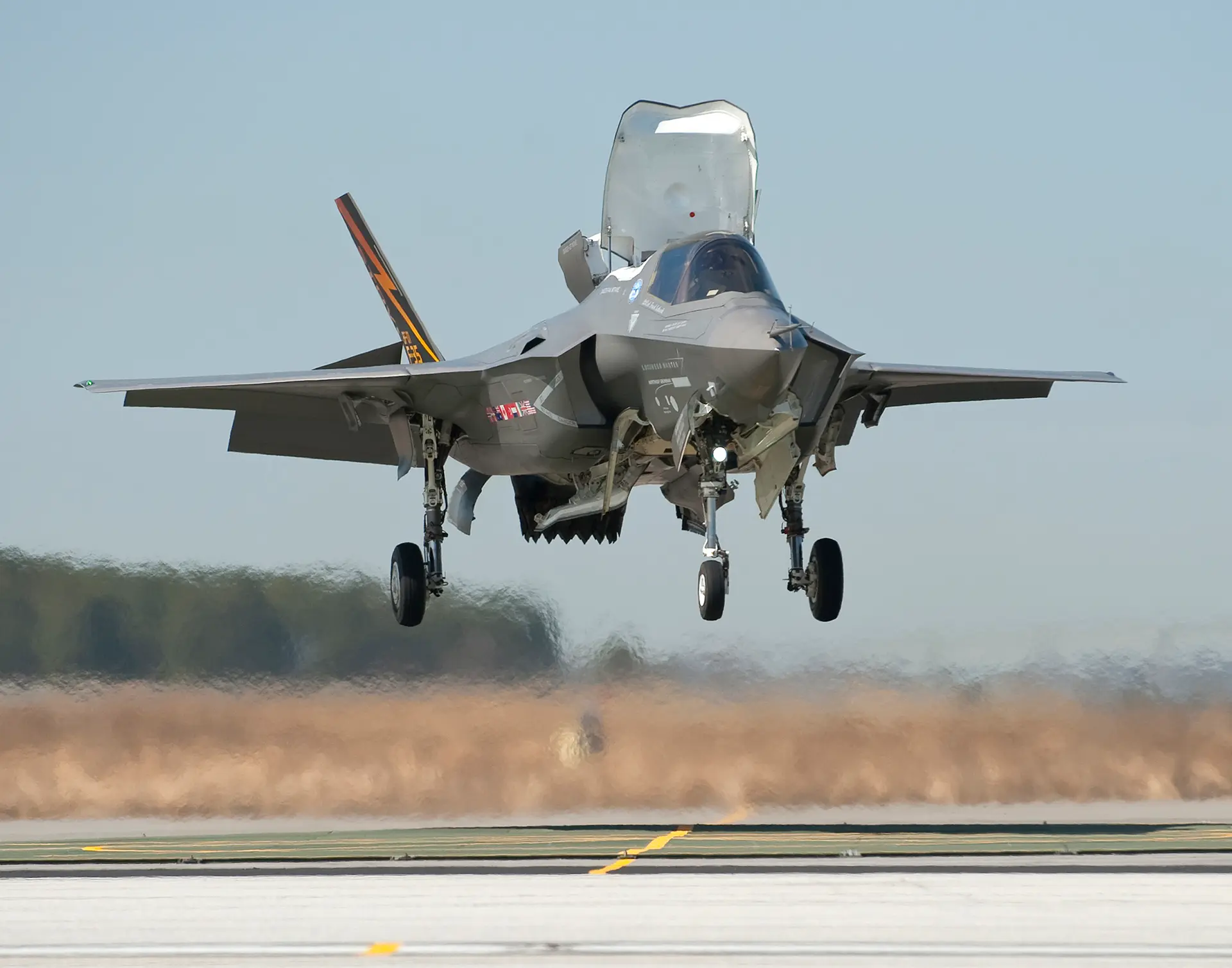
Trade-offs and Limitations in Aircraft Design
Adding VTOL capabilities leads to big sacrifices less room for bombs, less fuel, far heavier airframes, and reduced flight range or speed. Even smaller VTOL fighters have to give up capacity for lift fans or extra engines, as seen in the F-35B variant which carries less fuel and weapons compared to other F-35s. For the B-1B, these compromises would defeat its design purpose.
If It Were Possible
If a vertical takeoff B-1B existed, it could launch from forward bases, highways, or even ships avoiding threats to runways and improving survival after airfield attacks. It could operate more like a missile battery than a classic bomber, springing up amid surprise missions or disaster relief. Military planners would gain new flexibility against enemy strikes.
Why the Concept Isn’t Realistic Yet
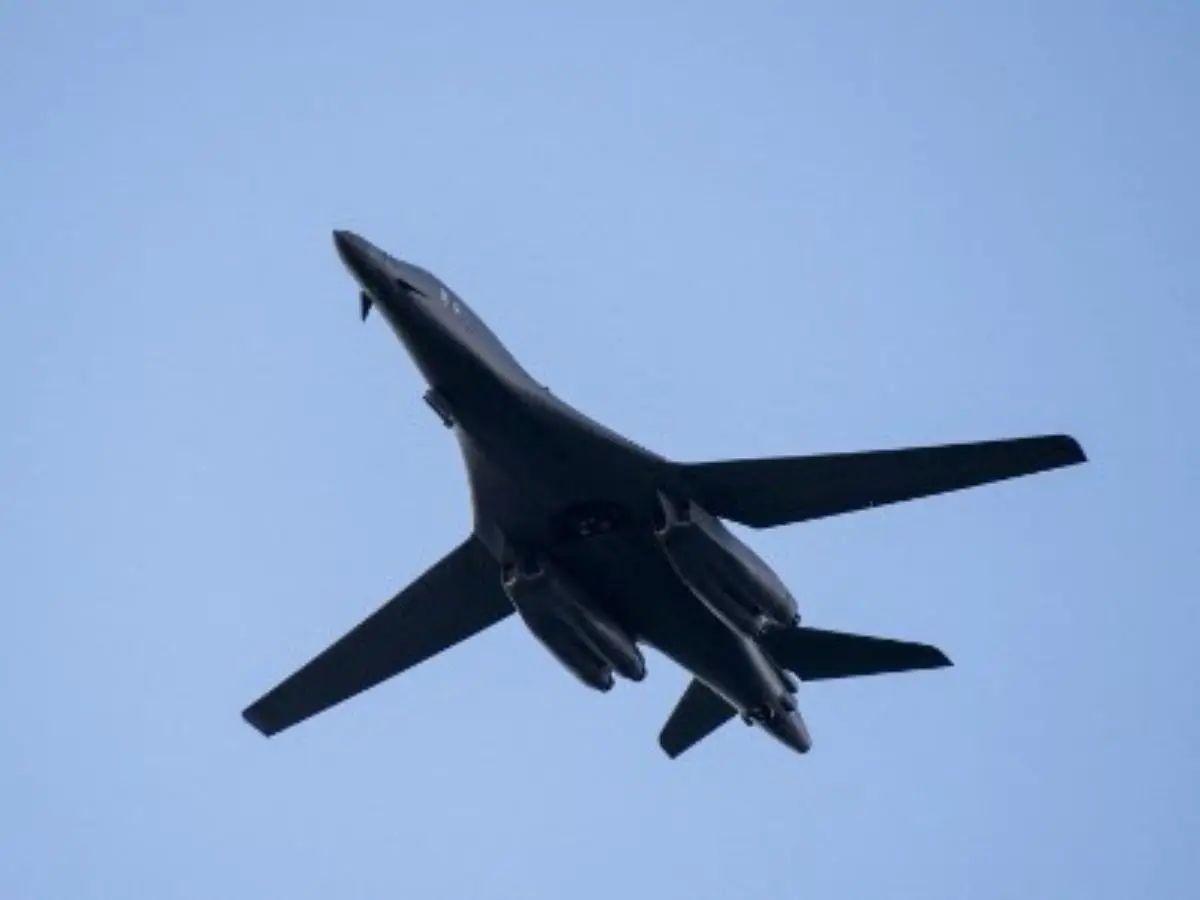
Currently, no engine or structural material can lift a strategic bomber vertically. The power demands would be ten times more than the B-1B’s current thrust. Even experimental proposals for VTOL bombers end up as unworkably heavy prototypes or remain paper concepts, as the technology is only “viable” for smaller aircraft, drones, or future electric systems.
The Future of Heavy VTOL Aircraft
Breakthroughs in advanced propulsion maybe electric lift fans or nuclear-powered engines could one day make vertical takeoff bombers a reality, but such aircraft would look very different from current designs. For now, the B-1B’s legacy remains as a runway-hungry supersonic bomber.
)
)
)
)
)