What if the B-1B Lancer became fully autonomous?

Imagine if the B-1B Lancer could fly itself without any onboard crew. A fully autonomous B-1B Lancer could change modern warfare, flying risky missions with AI-driven decisions and no pilots at risk. This move could mark the rise of robotic bombers on tomorrow’s digital battlefield.
The Basics of Autonomy
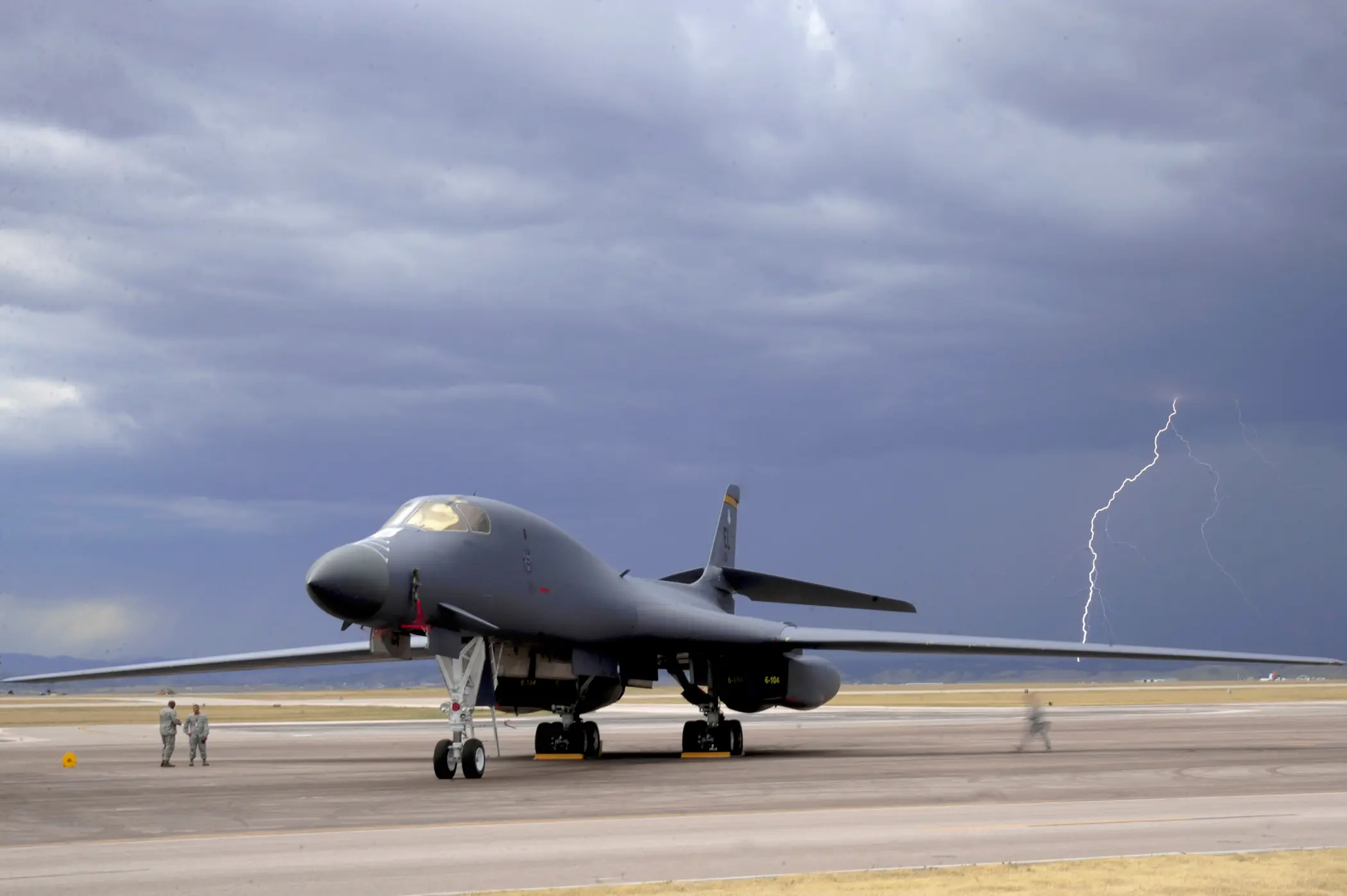
If the B-1B Lancer became fully autonomous, algorithms and on-board computers would do everything from take-off to landing. Flight paths, bomb targeting, defence actions, and mission changes would all run on advanced software. Instead of four crew members, only remote monitoring teams would be needed on the ground for supervision or approval of sensitive actions.
AI Flight Control and Combat Decisions
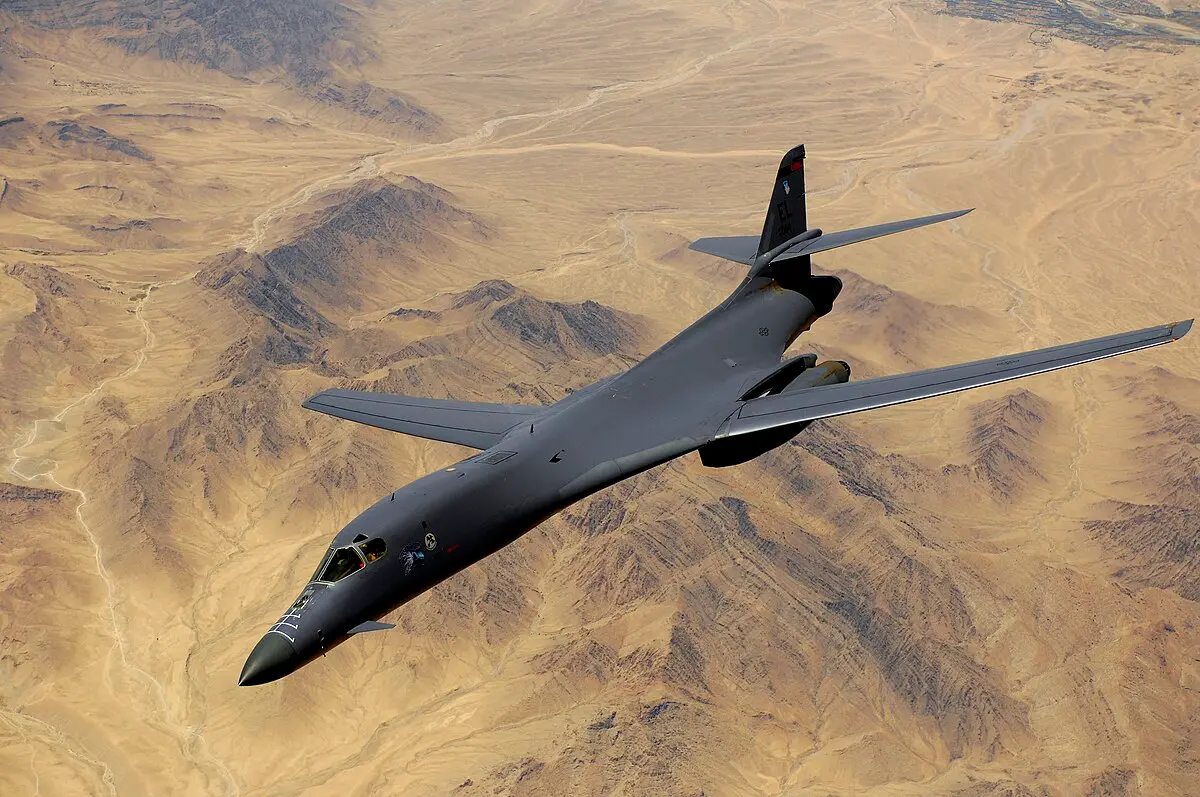
Modern AI could let the Lancer sense threats, avoid enemy air defences, adapt to sudden danger, and independently plan routes. It would use hundreds of data feeds radar, weather, satellite images, and real-time combat updates to adjust its actions instantly.
Force Multiplication and Risk Reduction
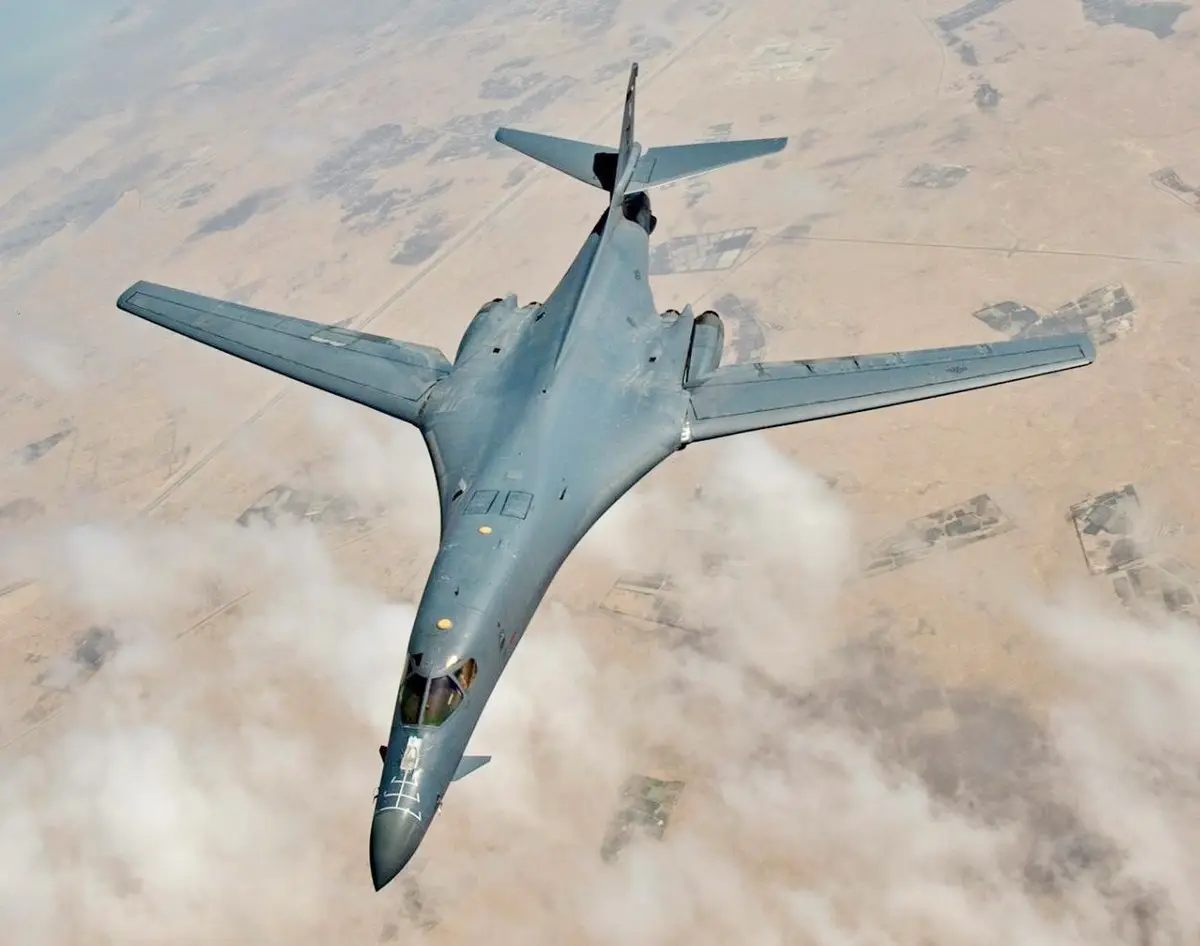
Without pilots aboard, the Air Force could send Lancers into riskier missions, like deep penetration into defended airspace or high-risk “first strike” scenarios. Autonomy would mean less worry about prisoner-of-war risks and more willingness to push hardware to its true limits. Fighting alongside autonomous drones, the B-1B could multiply the effectiveness of current air fleets.
Coordination with Human and Robotic Forces
A pilotless B-1B could talk directly to satellite relays, tankers, fighters, and other drones forming an AI-driven strike group. Joint planning and instant response to new targets would let the bomber act more like a node in a network than a lone plane, changing how missions unfold across vast areas. Real-time AI driven decision-making could keep up with modern “swarm” warfare and digital battlefields.
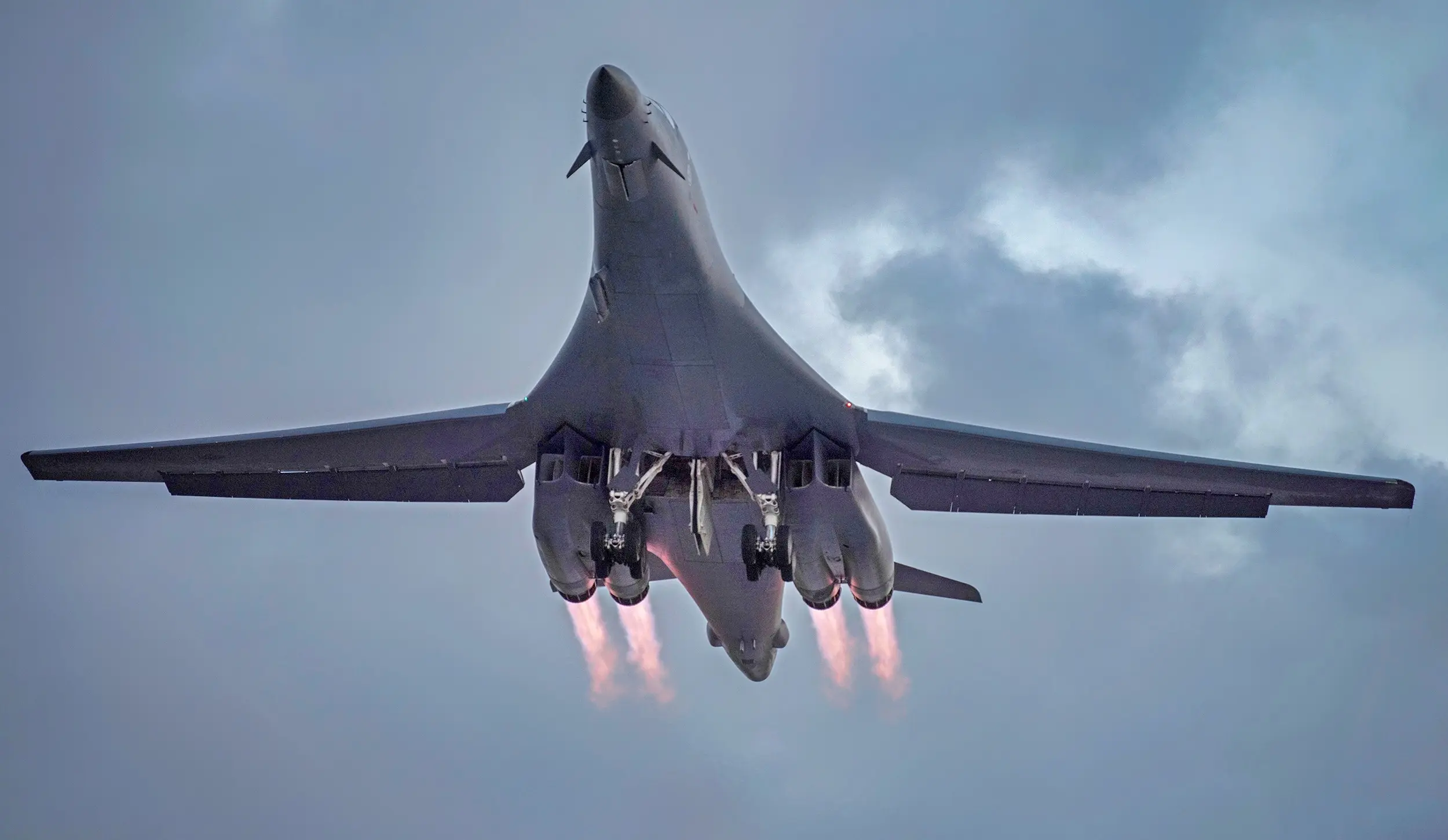
The Technology - Challenges and Upgrades Needed
Real autonomy for a bomber of this size would need secure, tamper-proof AI and ultra-reliable sensors. Technology like adaptive radar, electronic warfare suites, and next-gen propulsion would be critical. It would also require strict fail-safes, so if a sensor fails or an AI command seems risky, the bomber can abort or hand control back to humans instantly.
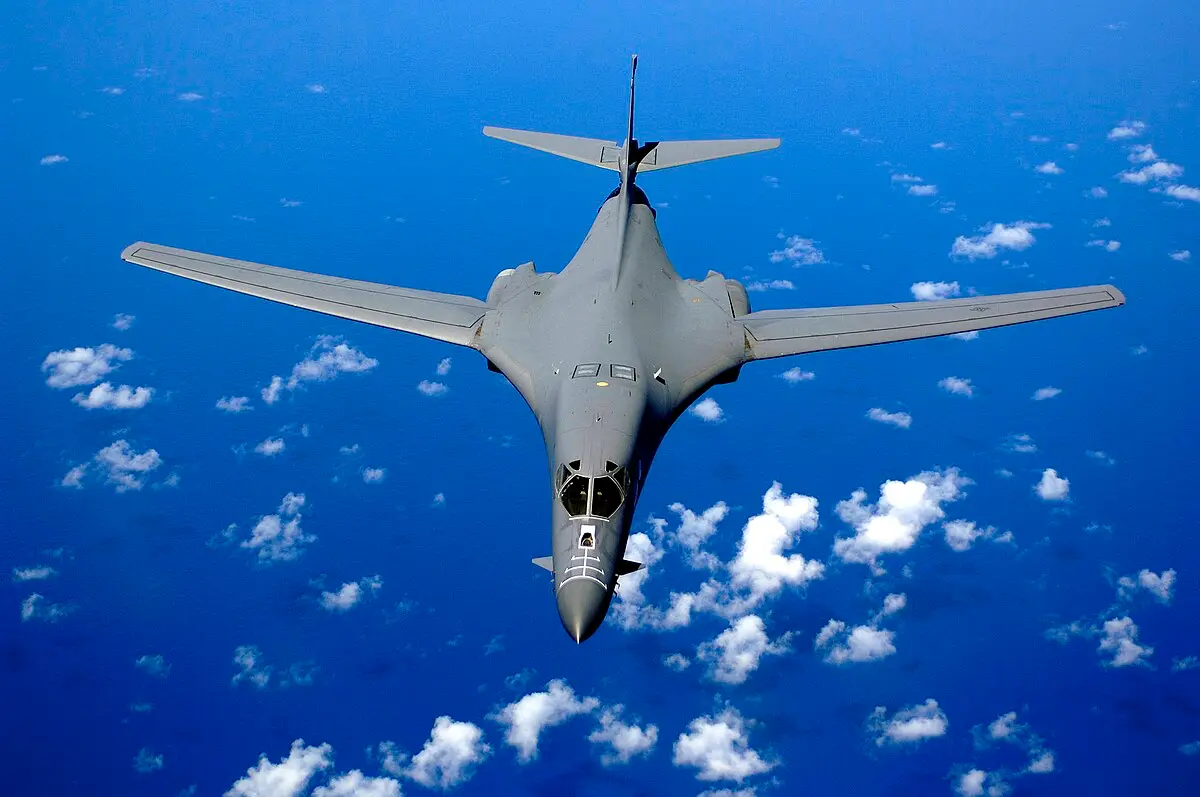
Cybersecurity and Ethical Questions
A fully autonomous B-1B would face cyber threats, needing robust data encryption and constant security updating. Decision systems would need ethical “guardrails” so bomb deployment or target changes stay under lawful, human-approved rules. Technology for true autonomy would have to meet tough international standards and build public trust.
The Future - What’s Next for Autonomous Bombers?
If technology and policy catch up, the autonomous B-1B could be a blueprint for future bombers like the B-21 Raider. AI-driven aircraft would handle extreme missions or patrols long after human pilots reach their limits. Air forces could field mixed fleets some with crew, some completely robotic giving commanders new strategies and options for future conflicts.
)
)
)
)
)