What If NASA’s James Webb Telescope found a galaxy older than the Universe?

What if NASA’s James Webb found a galaxy older than the universe itself? Webb is already uncovering records that push cosmic limits, leaving science with new puzzles about the Big Bang and the dawn of time. Know more below.
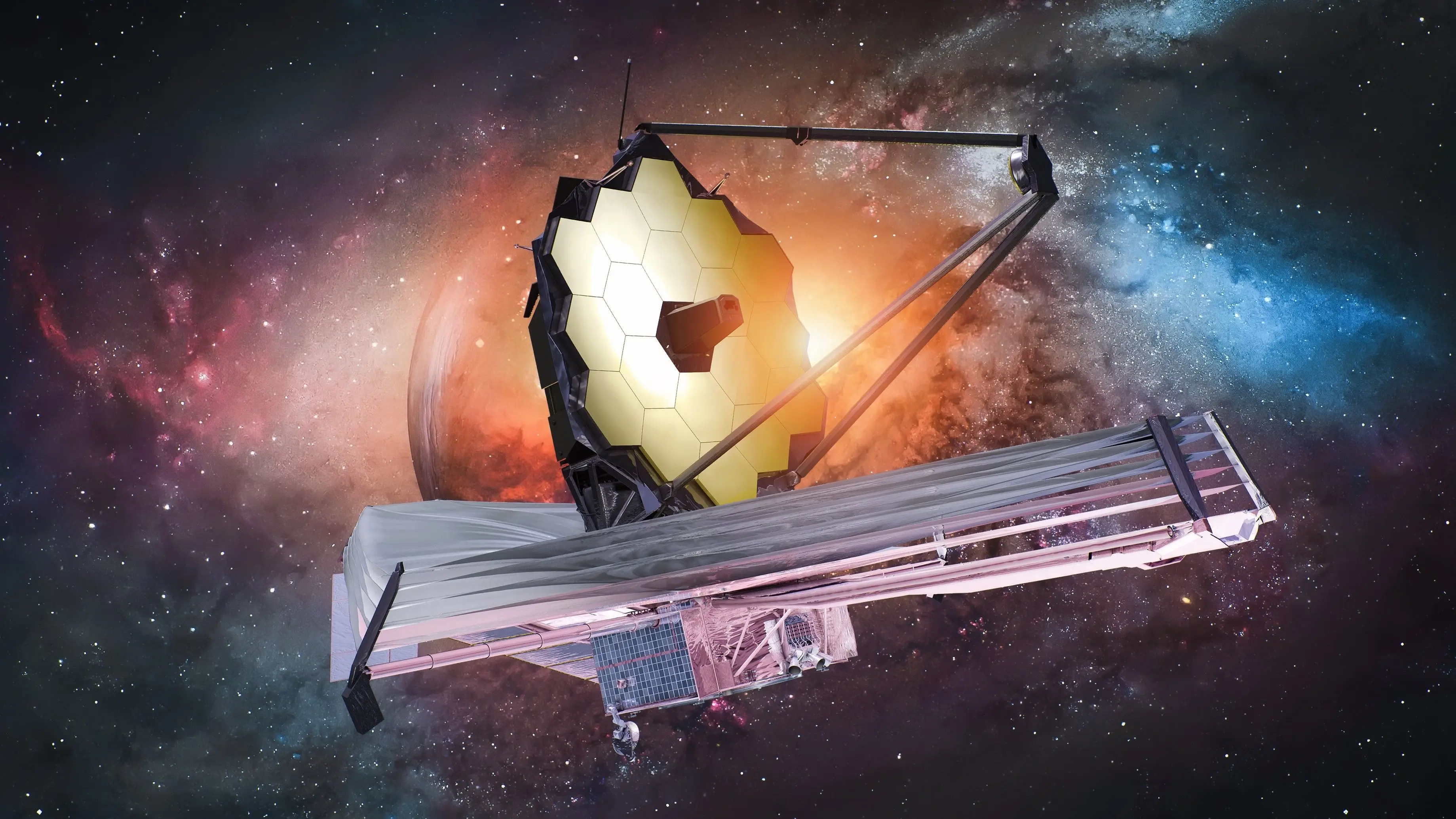
A telescope rewrites the cosmic record
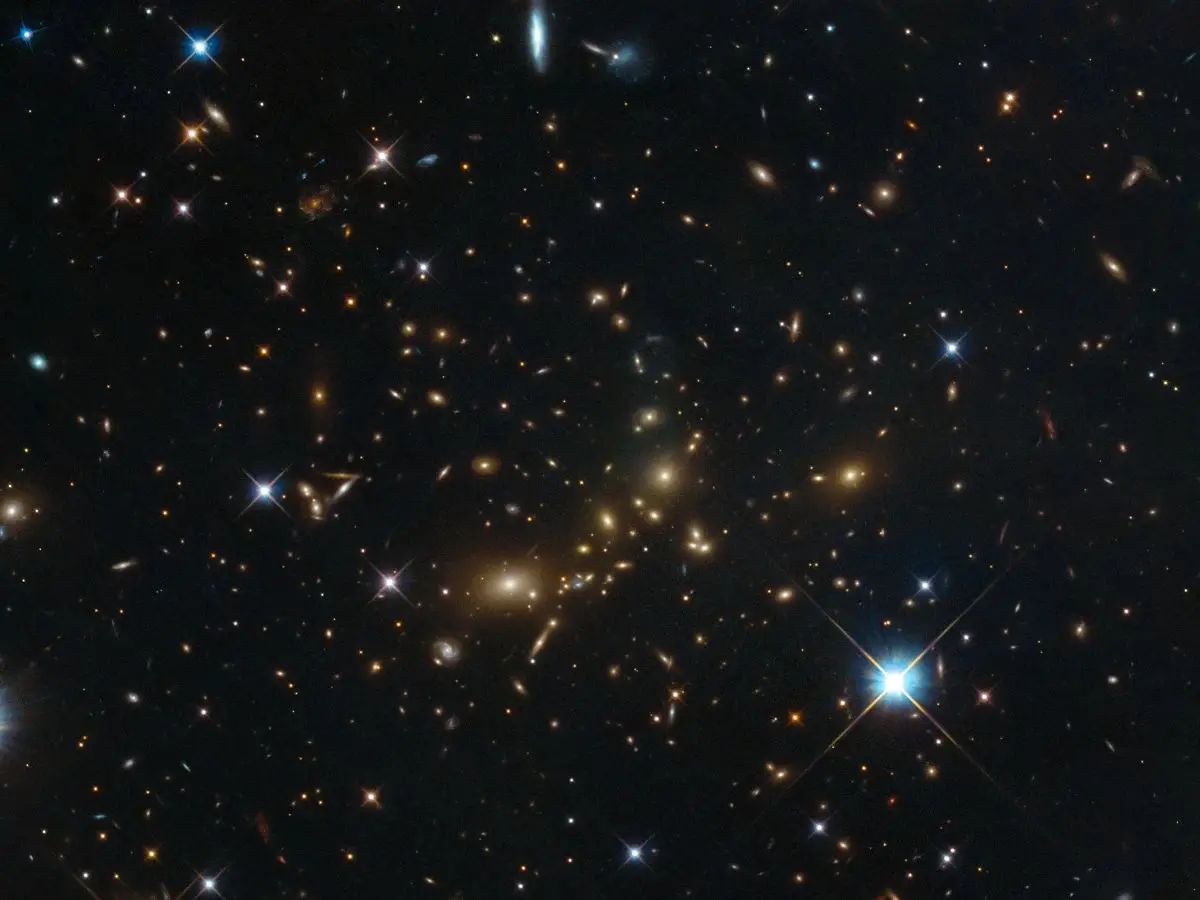
The James Webb Space Telescope has already captured galaxies like GLASS-z13 and MoM z14, which formed just 280-330 million years after the Big Bang far earlier and more mature than scientists expected. These discoveries have shocked astronomers and opened big questions about the start of the cosmos.
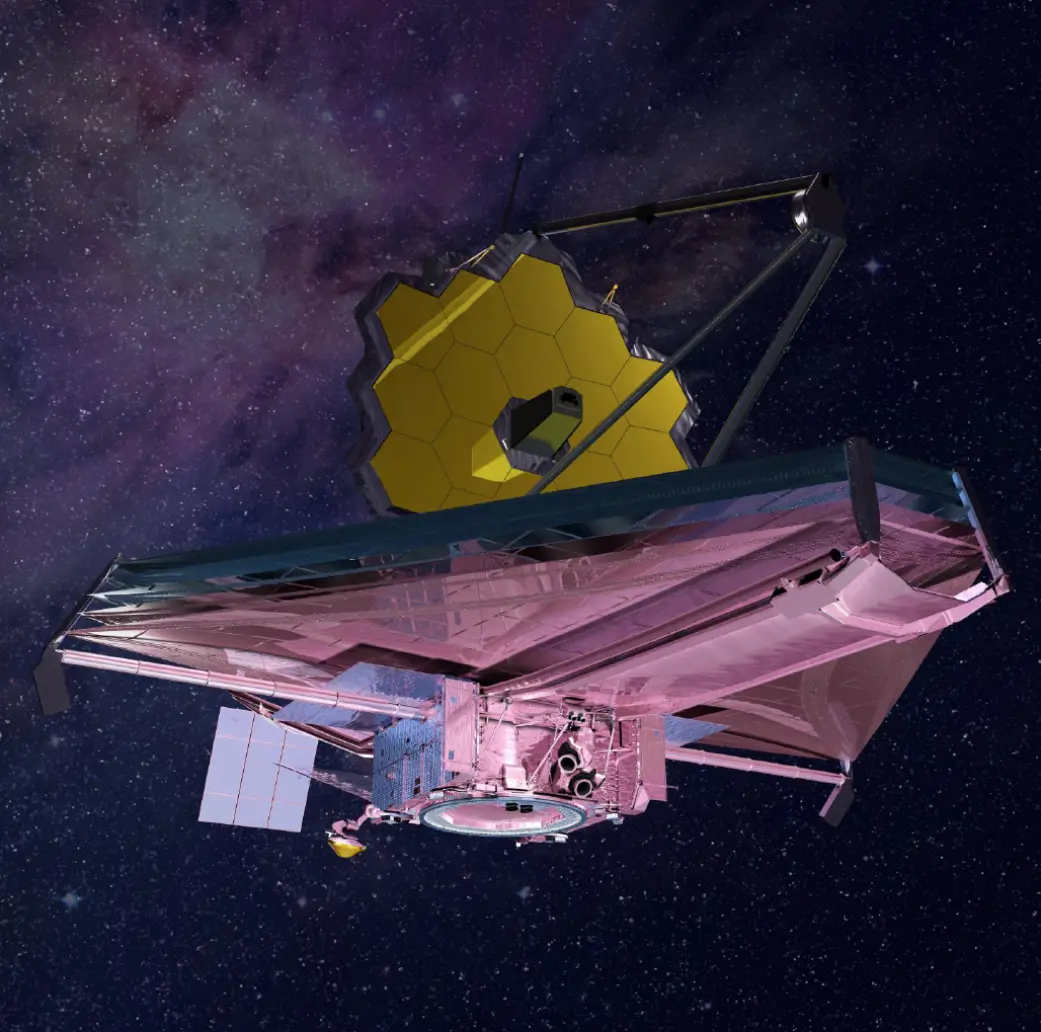
What does ‘older than the universe’ mean?
The universe is thought to be about 13.8 billion years old. If Webb saw a galaxy that seems even older, it would break the very rules of time, as galaxies are expected to form only after the universe itself began. Some studies, based on Webb’s deep data, even suggest galaxies had “stellar ages” older than current universe models predict.
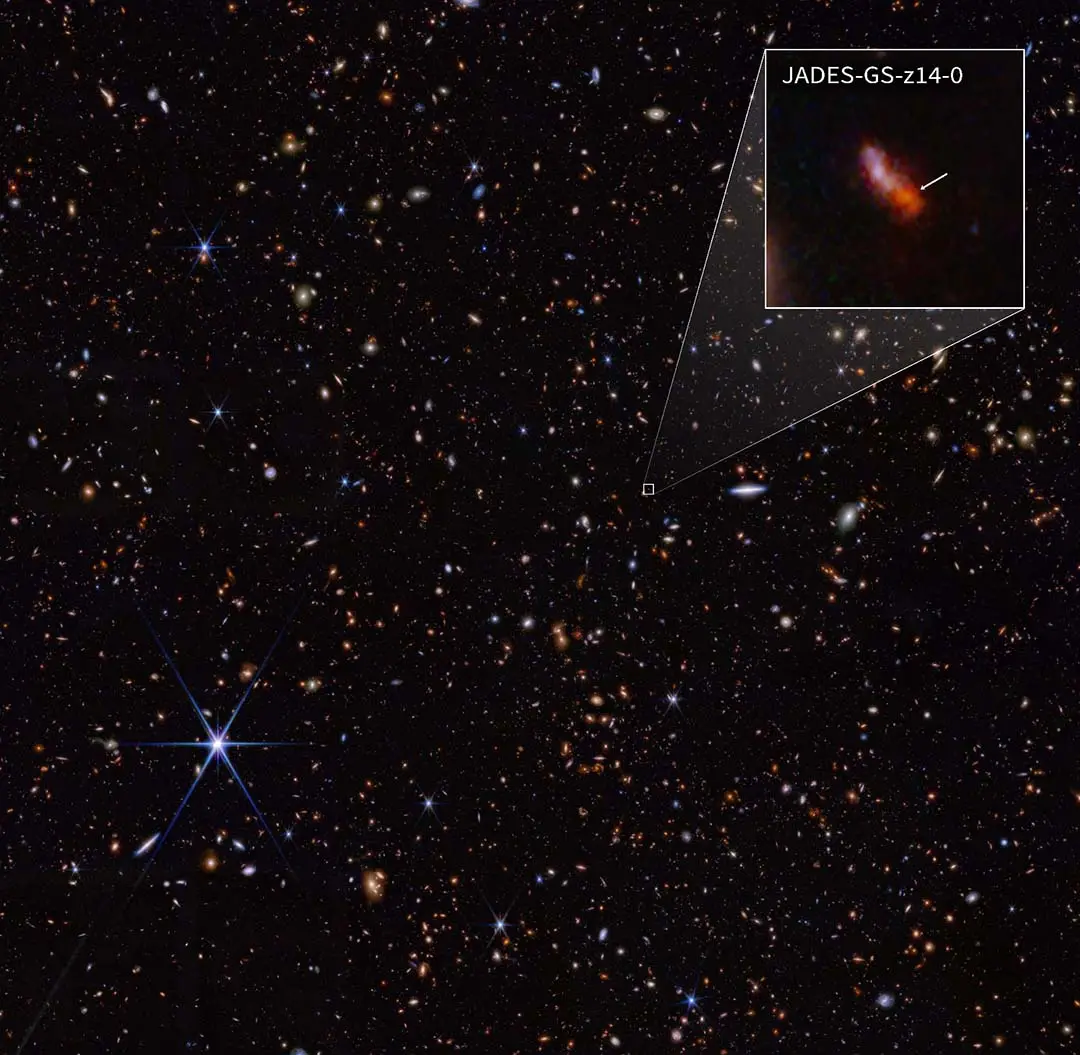
The power of Webb’s deep-field vision
Webb looks further and deeper into space than any previous telescope, using its large mirror and infrared sensors. Its images reach faint, stretched-out light from the very first generations of galaxies, letting astronomers ‘look back in time’ nearly 13.5 billion years.
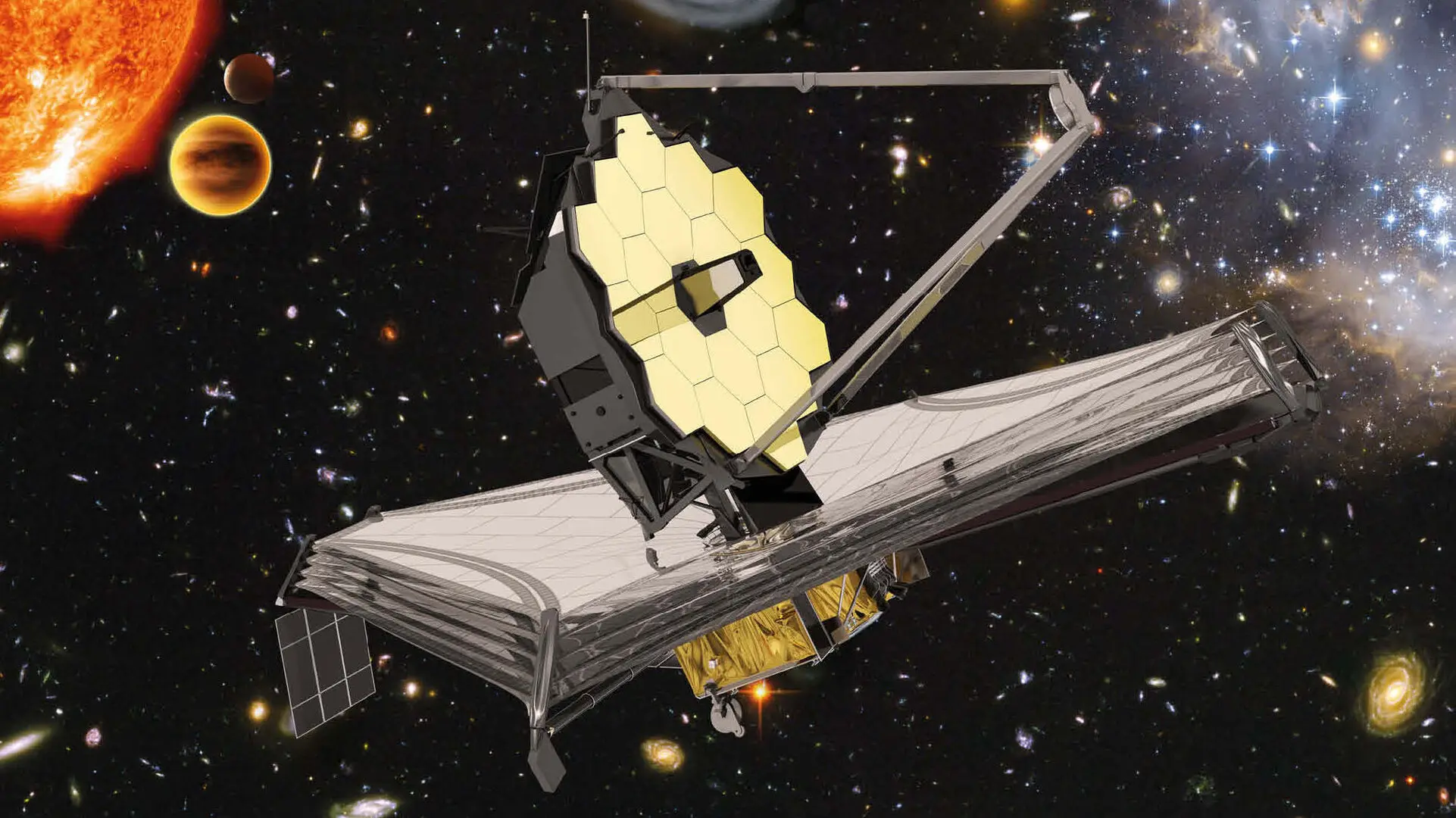
Redshift: the cosmic clock
By measuring ‘redshift’, scientists translate a galaxy’s distance into its age. Redshift is how light stretches as the universe expands, turning visible light into the infrared colours Webb can see. When Webb spots a higher redshift than theory predicts, it raises urgent new challenges for physics.
The riddle of mature, massive galaxies
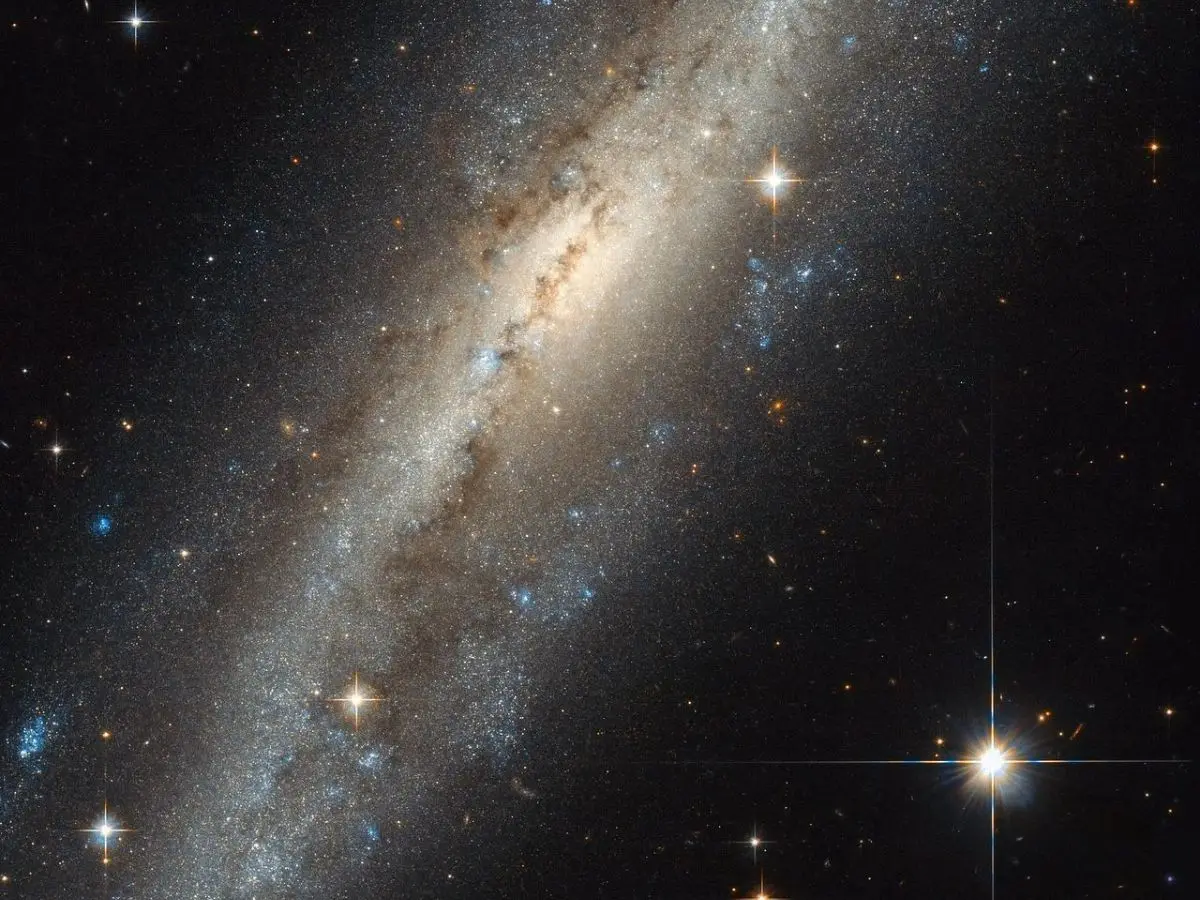
Some galaxies found by Webb, like JADES-GS-z14-0, are not only old, but also very large and filled with stars and oxygen, even when the universe should have been too young for such complexity. This surprises researchers and goes beyond what Big Bang-based models foresee.
Galaxy
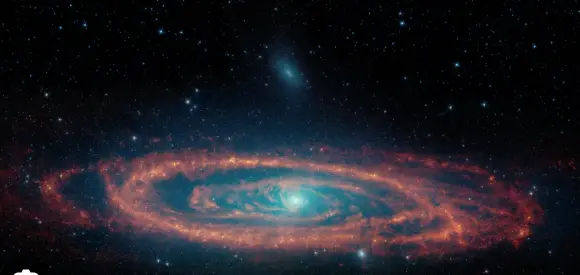
If a galaxy seems older than the universe, scientists consider everything from mistaken measurements to new physics, like dark matter, alternative expansion models, or even the need to rewrite the Big Bang theory. Some suggest we might not fully understand how early galaxies grew or how cosmic time works.
Why this ‘what if’ matters
If Webb does someday spot a galaxy with signs older than 13.8 billion years, it will force experts to re-examine cosmic history, the creation of stars, and the timeline of everything. For now, it keeps astronomers humble and curious about how little we truly know.
)
)
)
)
)