What if future jets had no buttons, only voice commands?

What if in future the fighter jets controlled without any buttons, pilots would use voice commands and advanced AI to manage systems. This could reduce workload, increase focus, and make flying safer.
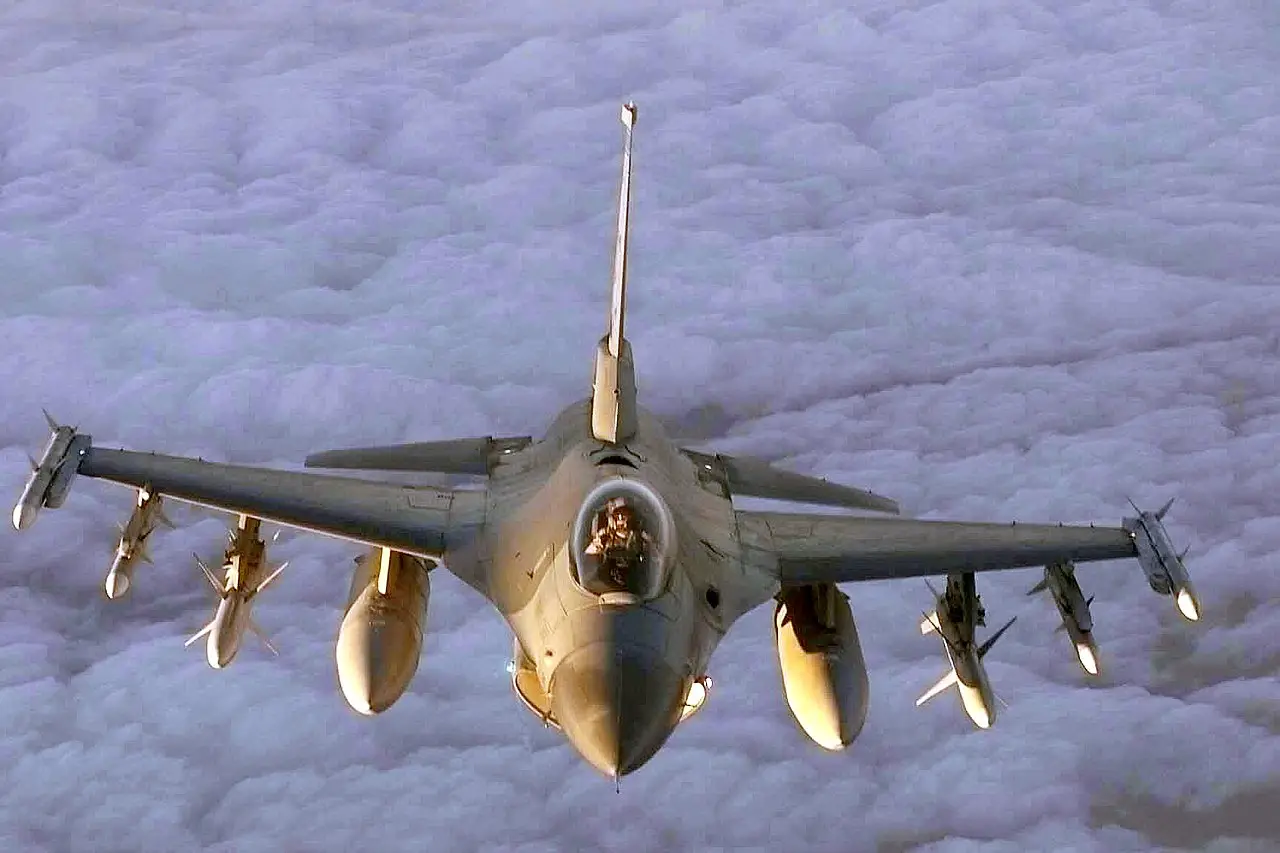
The cockpit trend
Modern fighter jets have complex cockpits filled with many buttons and screens. Managing all controls during combat is challenging for pilots.
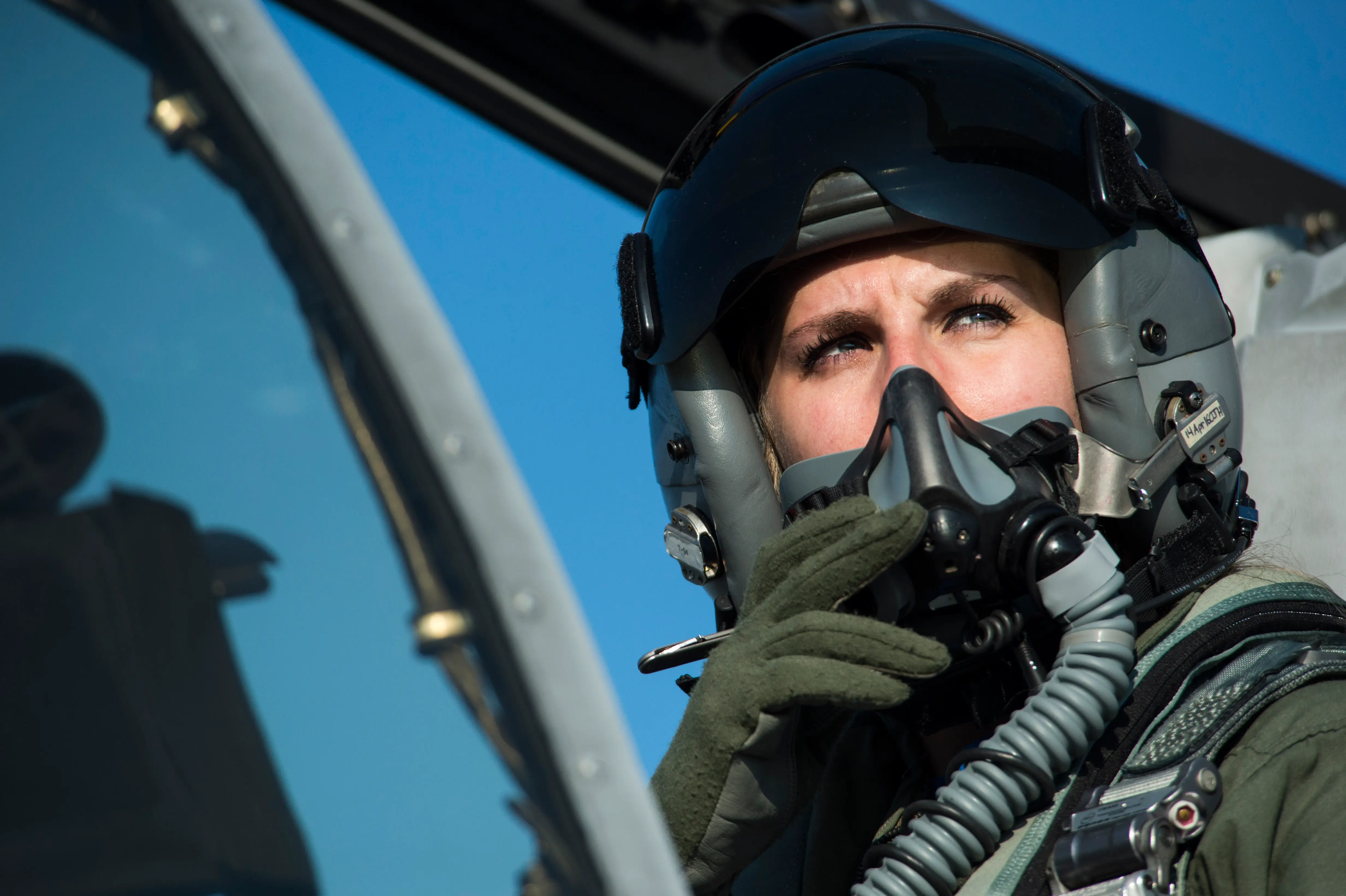
Enter voice commands
Using voice commands lets pilots control radios, navigation, and weapons without taking hands off throttle and stick. This reduces distraction and speeds reaction times.
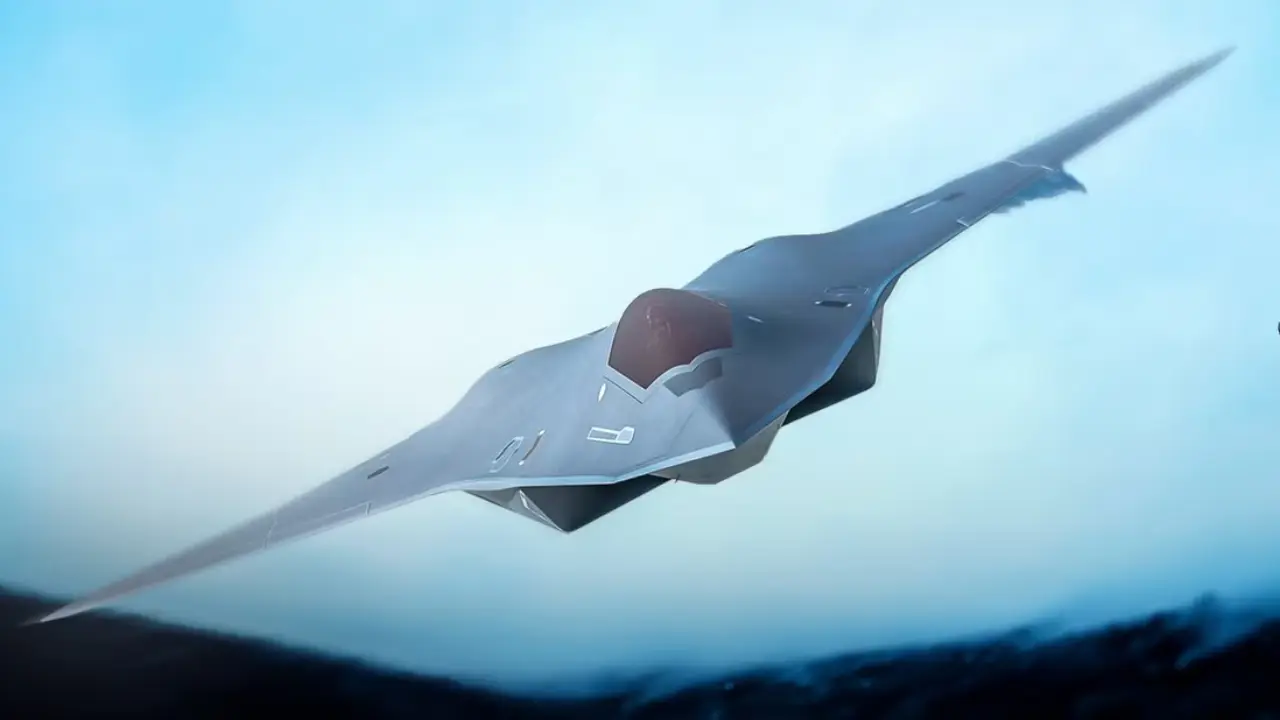
AI-powered voice assistants
AI can understand pilot orders, manage tasks, and suggest actions. Systems like the MiG-35’s 'Rita' voice assistant offer real-time advice during combat.
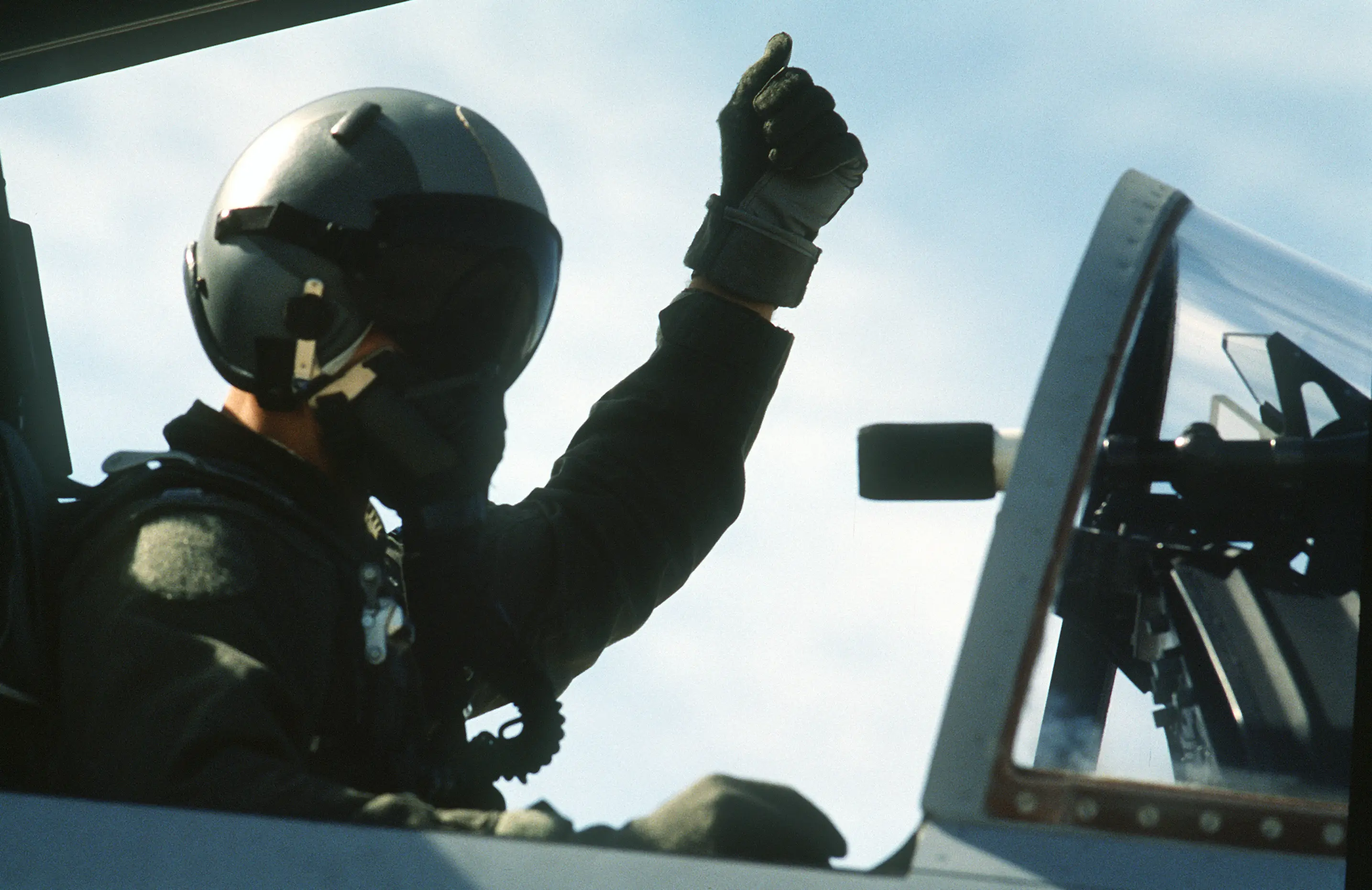
Hands-on-throttle-stick (HOTAS) remains
Despite voice tech, pilots keep using HOTAS controls to operate essential flight systems. Voice commands supplement, not replace, physical controls.
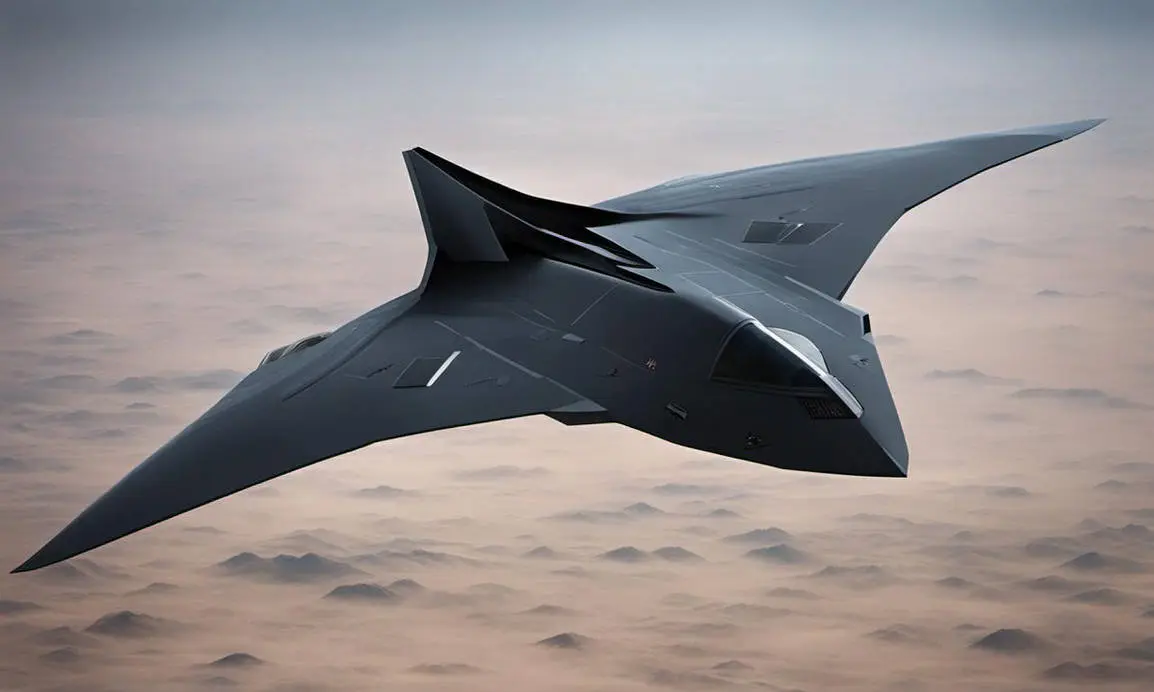
Advantages of voice control
Voice reduces pilot workload and cognitive strain, helps multitasking, and avoids errors caused by pressing wrong buttons in hectic situations.
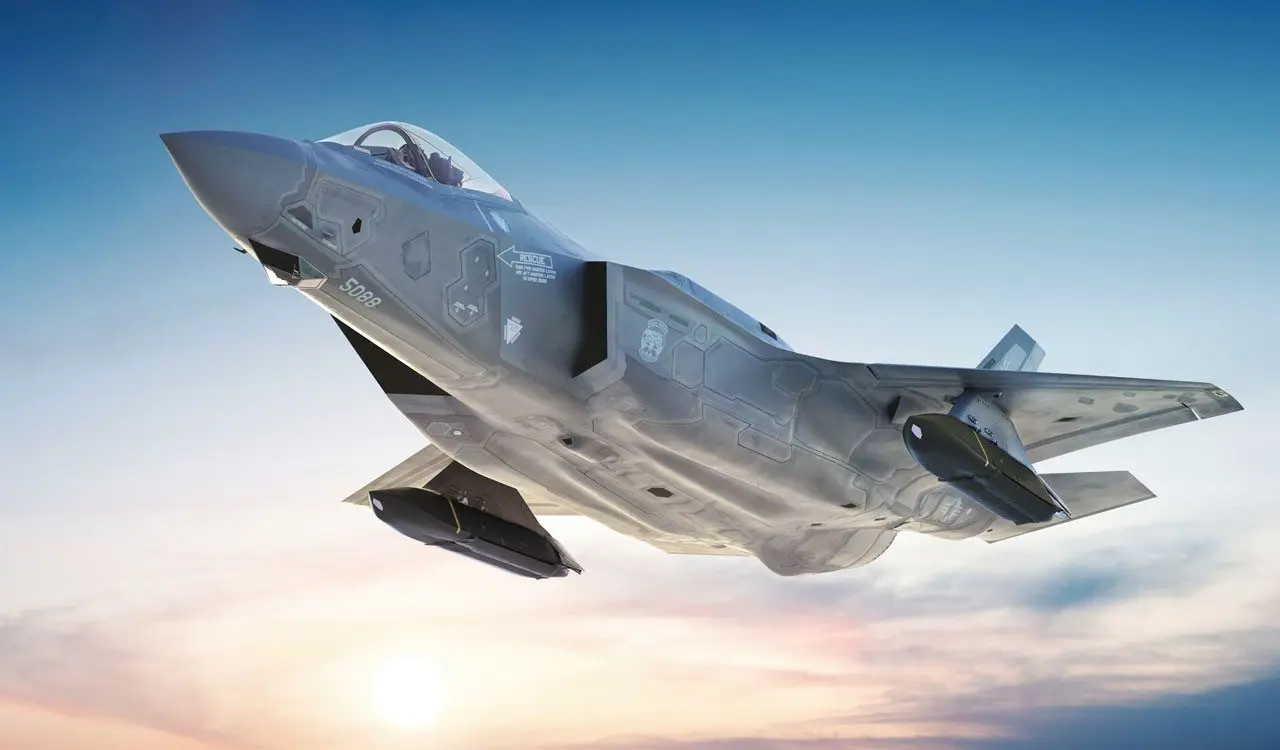
Future tech innovations
Cockpits of tomorrow may combine voice, gesture controls, eye tracking, and augmented reality displays. This multi-modal approach boosts situational awareness.
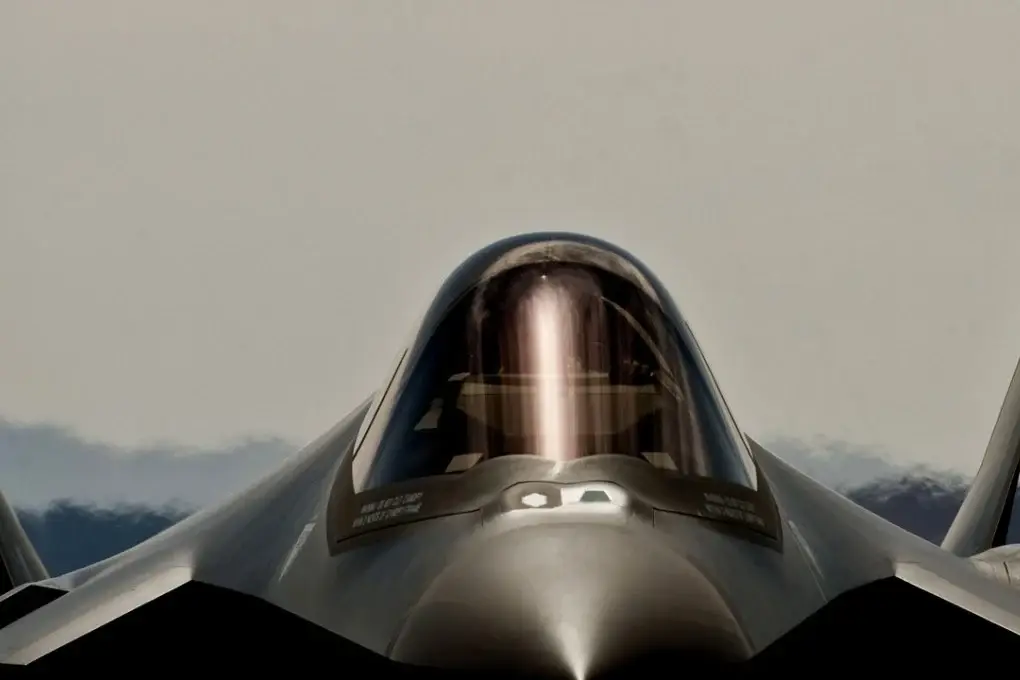
Combat?
Voice command systems are flight-tested and being integrated into new fighter jets like the CATS Warrior UCAV. Pilots and AI co-pilots working together may shape the future of aerial combat.
)
)
)
)
)