What if all fighter jets became fully autonomous by 2035?

Rising technology in artificial intelligence and robotics is already paving the way for fighter jets that can fly and fight on their own. Countries like China, Japan, the US, and India are investing heavily in this future. Autonomous fighter jets may become normal by 2035.
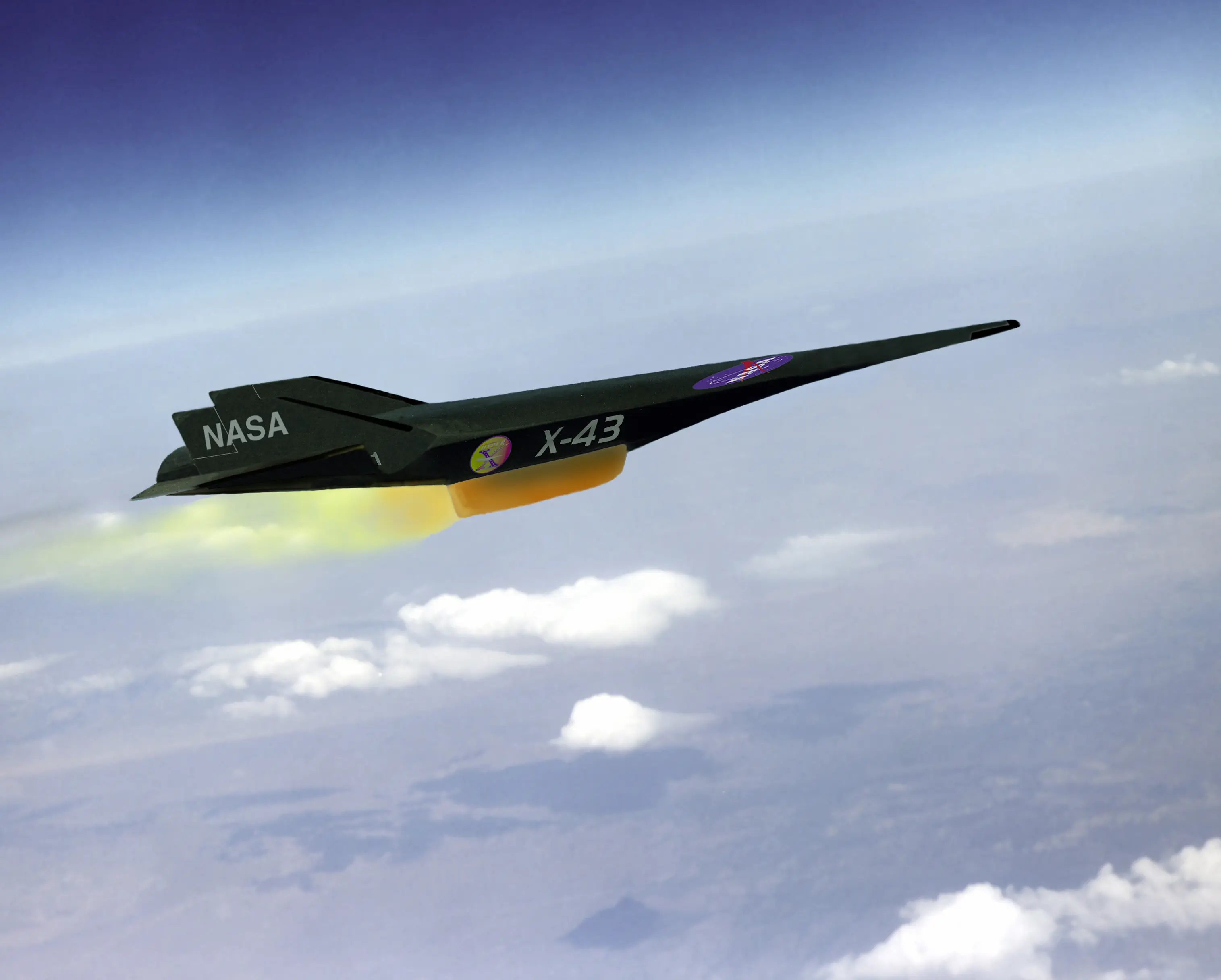
What Are Autonomous Fighter Jets?
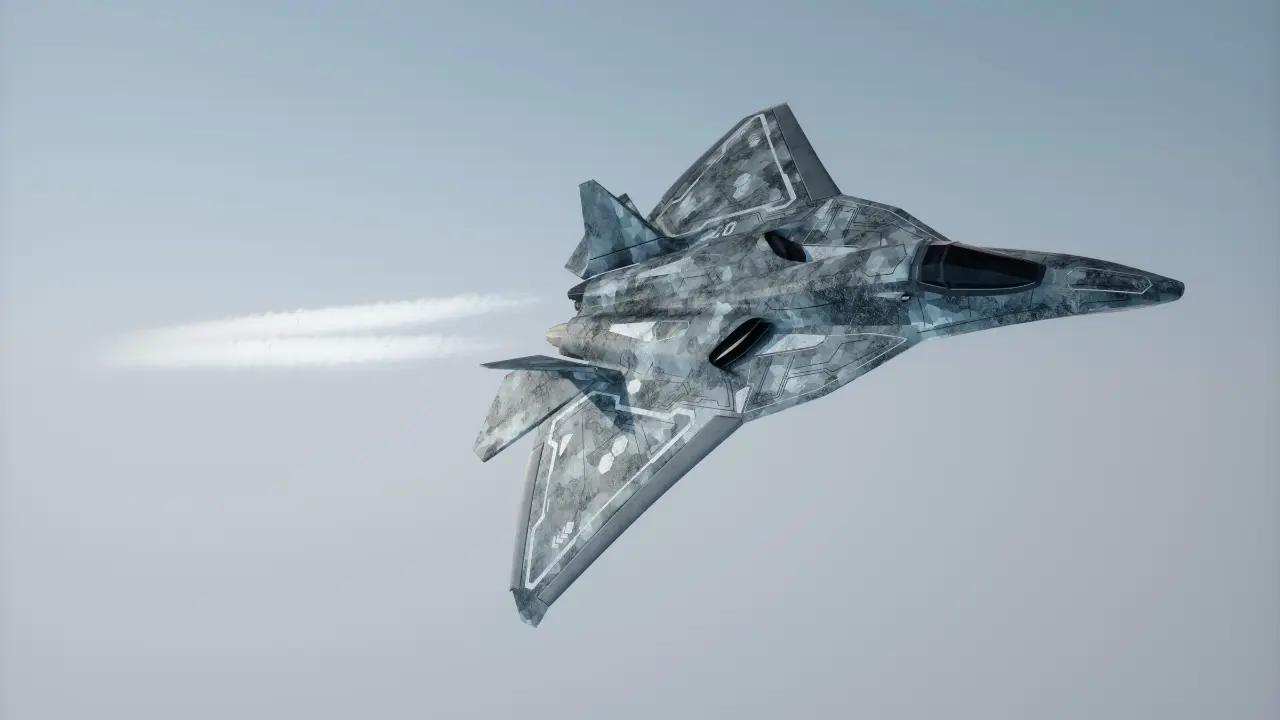
Autonomous fighter jets fly without a human pilot. They use AI systems, sensors, and advanced computers to make decisions during flight and combat. Japan plans to deploy unmanned fighters by 2035, aiming to counter regional threats. Such jets can perform high-speed manoeuvres, communicate with other aircraft, and make tactical moves independently.
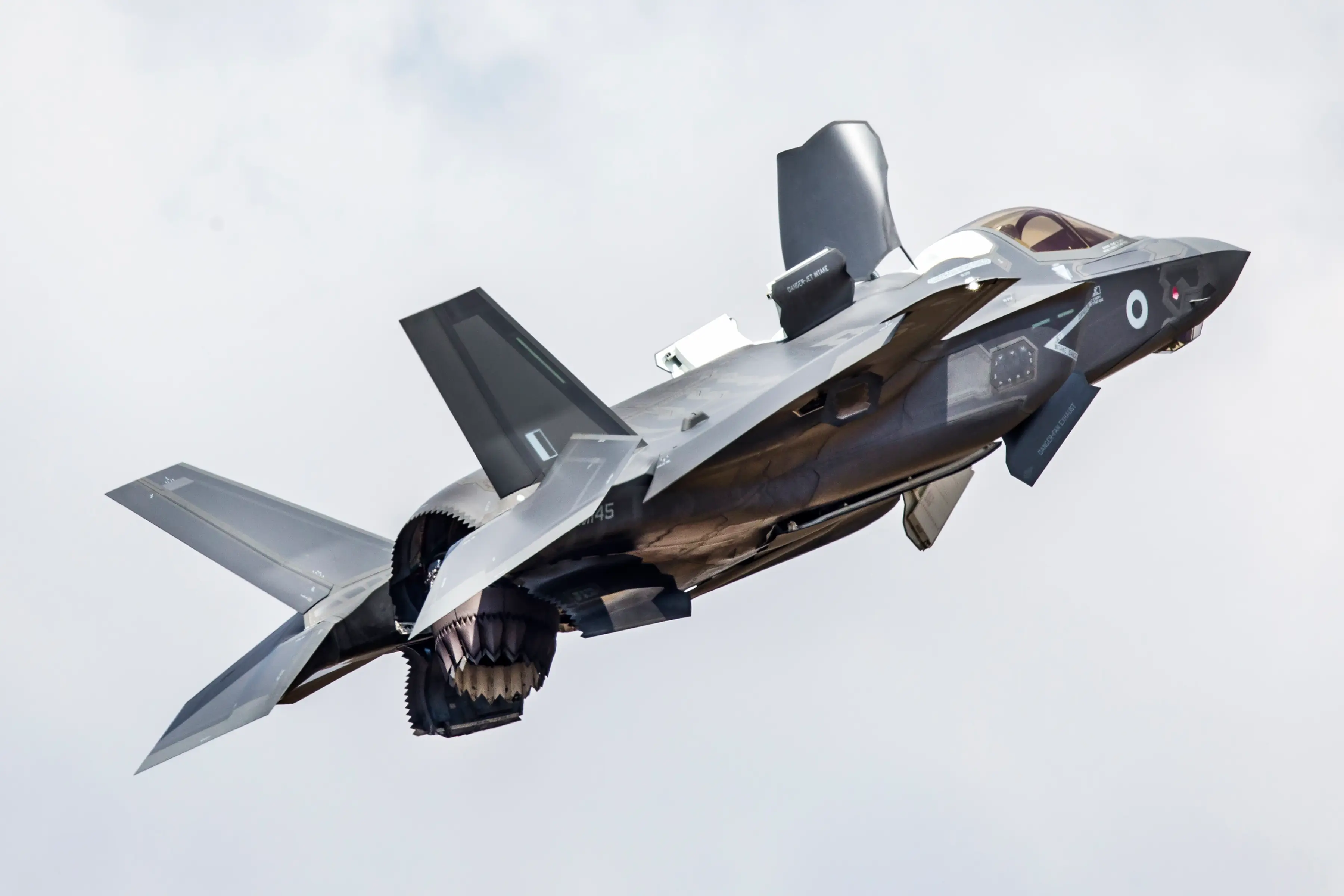
How Will Autonomy Change Air Combat?
With full autonomy, jets can react faster than human pilots. AI can analyse threats in real time and adjust flight paths or weapons instantly. Autonomous jets reduce the risk to pilots by taking on dangerous missions. They can also coordinate in swarms, working as a team to overwhelm enemies or scout ahead.
According to Honeywell Aerospace, autonomy is a force multiplier, helping military forces improve mission success while reducing human workload.
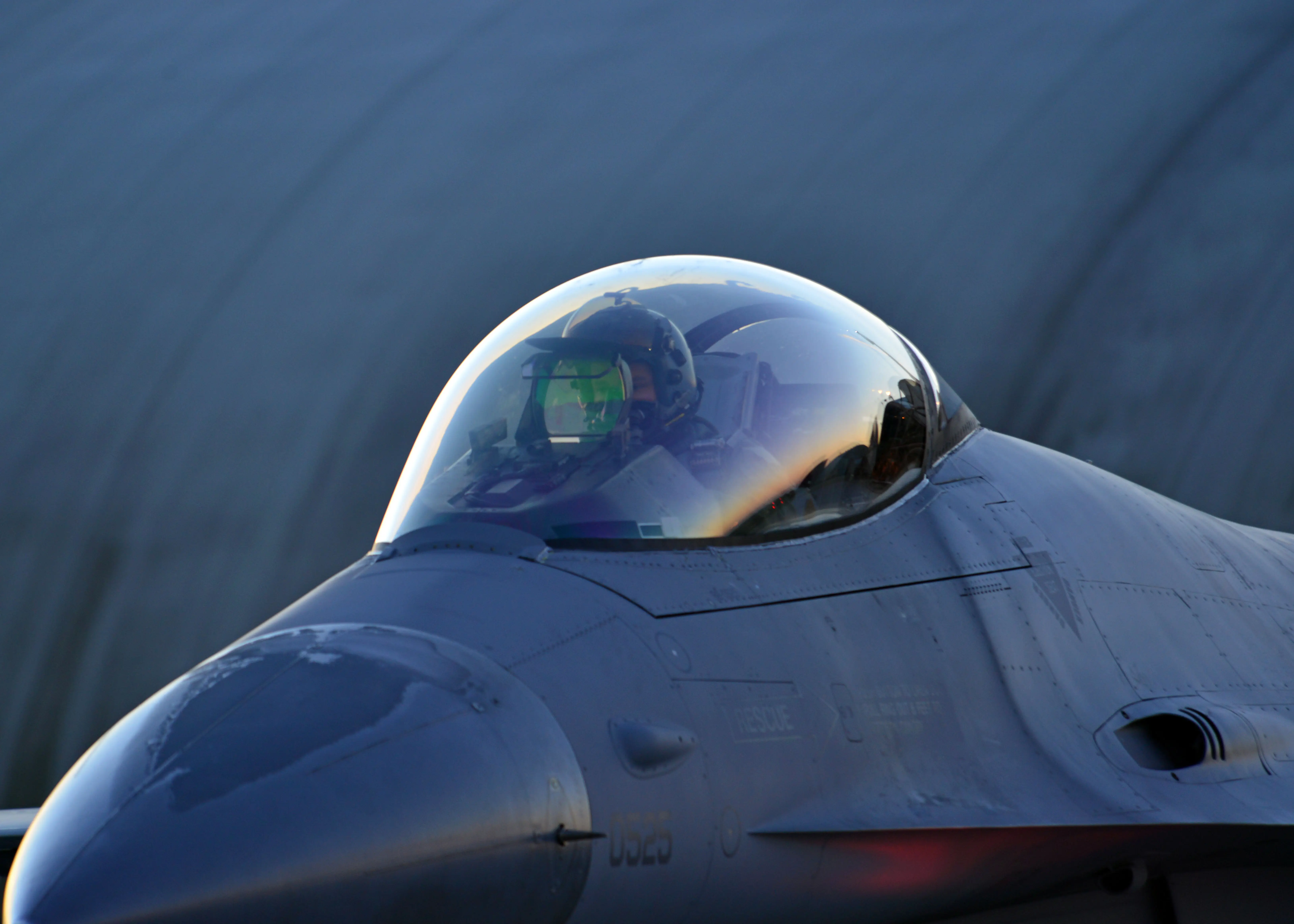
Key Technologies Powering Autonomous Jets
These jets rely on AI-powered flight control, sensor fusion, and encrypted communications. AI helps to interpret millions of data points from radars and sensors faster than humans. Advanced materials and engines, like those in India’s AMCA jet, support stealth and supersonic speed.
Japan invests over $24 million in AI and flight control technologies for its unmanned fighters.
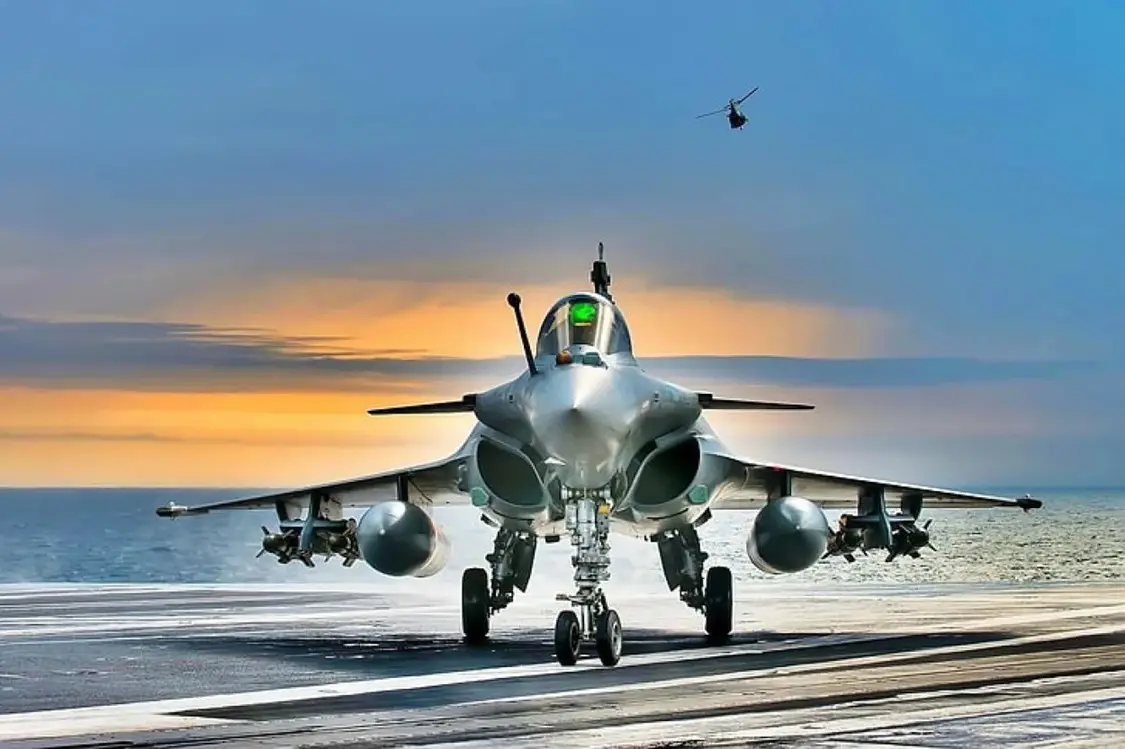
Impact on Military Strategy and Costs
Autonomous jets could lower pilot training costs and reduce human risk in war zones. They allow remote operations from safer places. Reports predict the autonomous aircraft market to reach $47 billion by 2035. However, introducing these jets will require new combat doctrines and thorough testing for safety and reliability.
Challenges and Limitations
Full autonomy faces challenges like cybersecurity risks, ethical concerns, and technical limits in AI decision-making. Human control might still be needed in complex situations. Experts believe remote-piloted and crew-optional systems will be common, balancing machine precision with human judgement.
Global Developments and Future Outlook
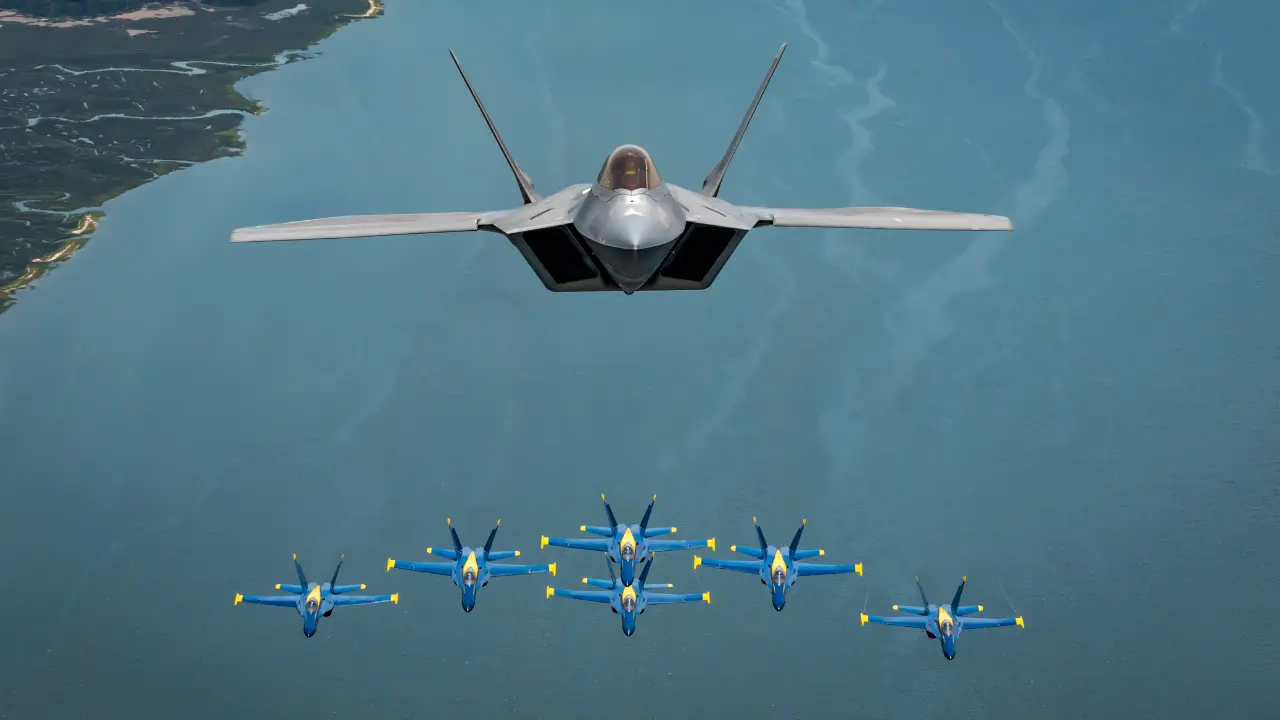
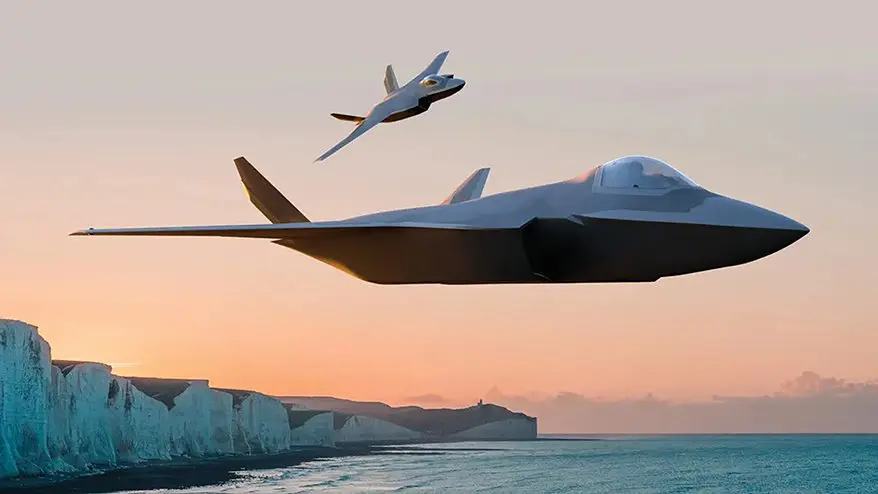
Countries like the US, Japan, India, and the UK are developing autonomous fighter programs such as the MQ-28 Ghost Bat and BAE Systems Tempest. By 2035, many jets in global air forces could be autonomous or remotely piloted, transforming air warfare.
America leads the autonomous jet market, expected to grow rapidly through 2030.
What Happens Next?
Fully autonomous fighter jets by 2035 could reshape war and air defence with faster response and lower risk. However, balancing AI capabilities with human oversight will be key. As technology advances, the skies will see smarter, self-flying jets alongside their human pilots.
)
)
)
)
)