What if 3I/ATLAS is not just a comet? Exploring the unexplained features

What if 3I/ATLAS is not just a comet? Why are its speed, path, and gases so unusual? Scientists are watching closely to understand this strange visitor from space.
What Makes 3I/ATLAS Different?
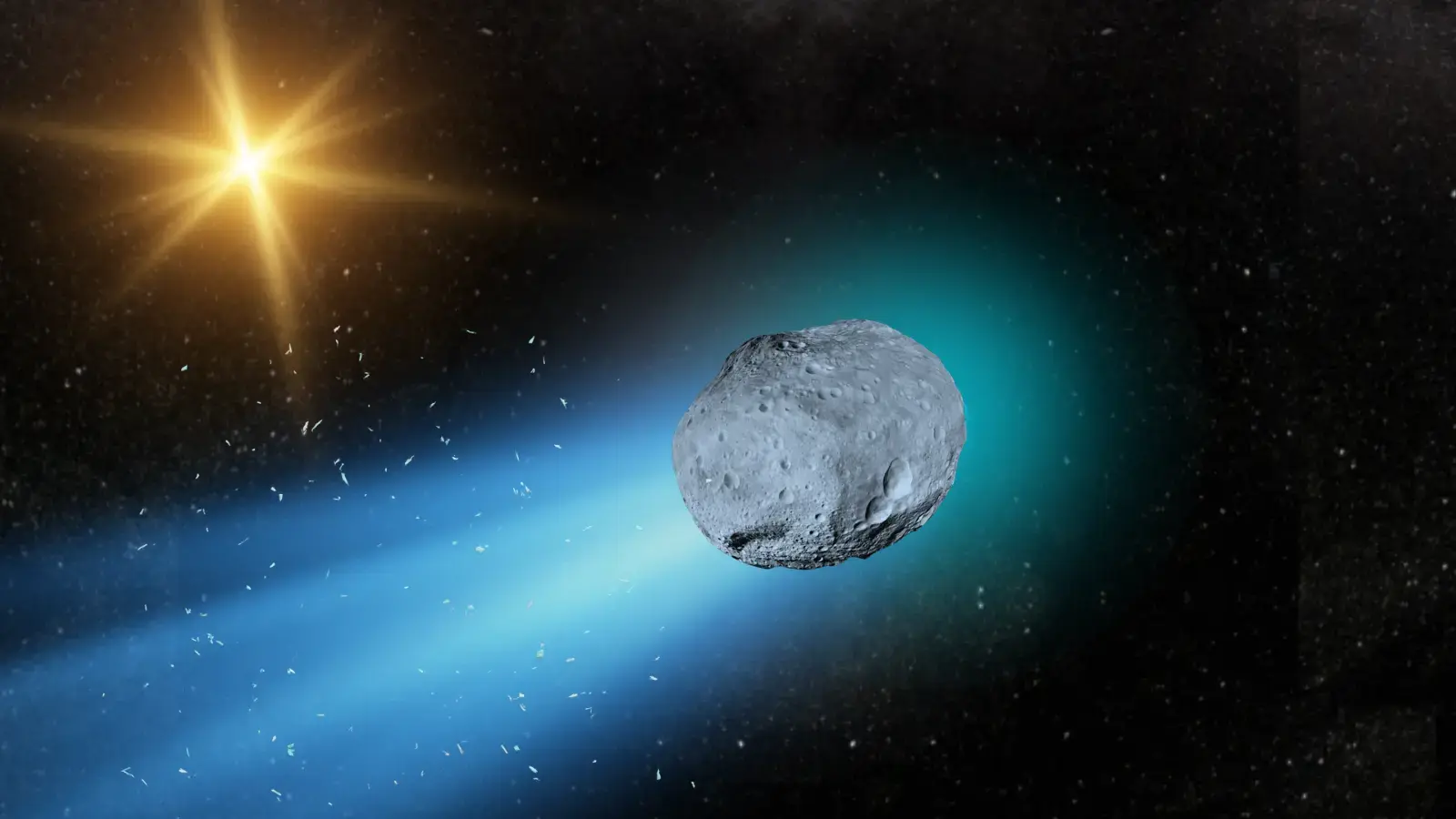
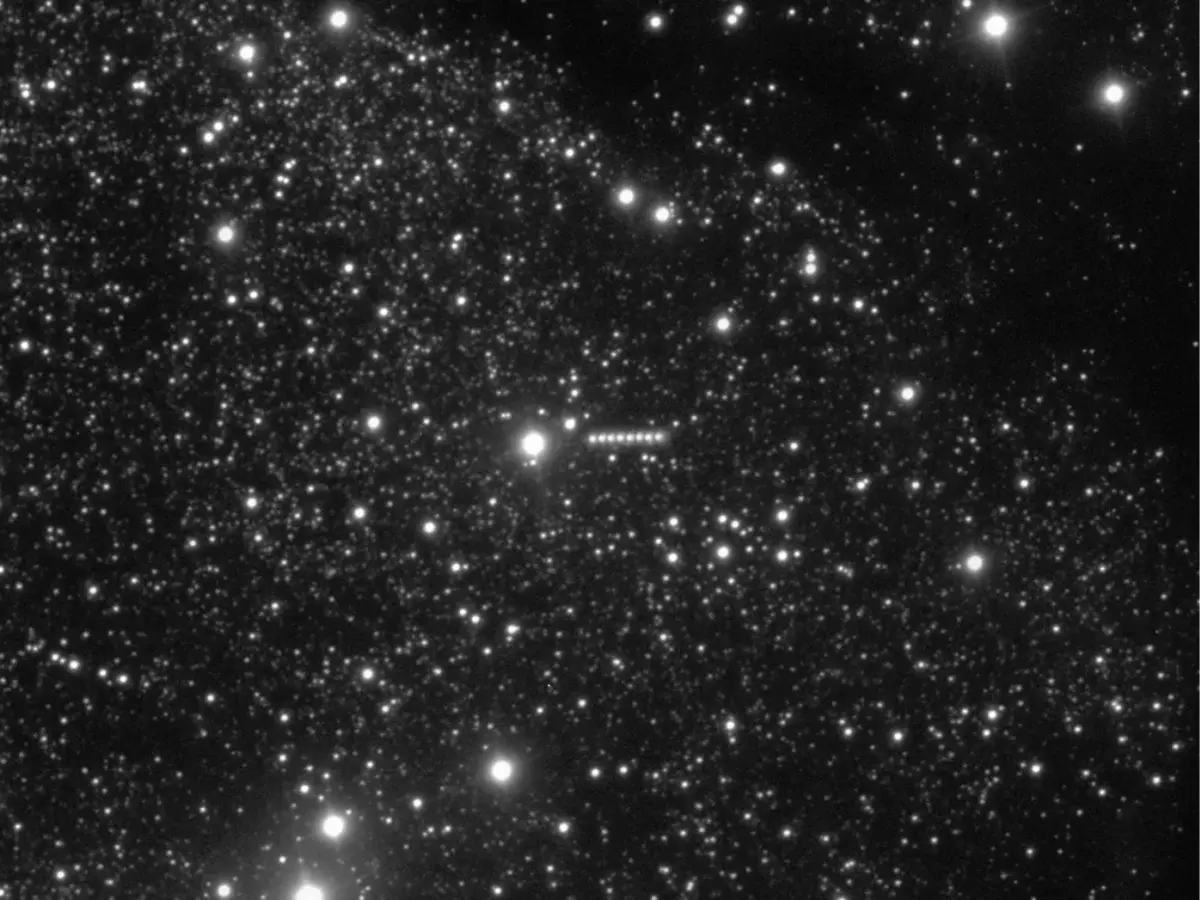
3I/ATLAS is a special visitor from outside the solar system. Discovered on July 1, 2025, it is the third known object to come from another star system. Unlike typical comets, 3I/ATLAS does not orbit the Sun in the usual way. Its unusual speed and path clearly show it is not from our solar system. Scientists are very interested in studying this rare object as it travels through space.
Brightening and Colour Changes
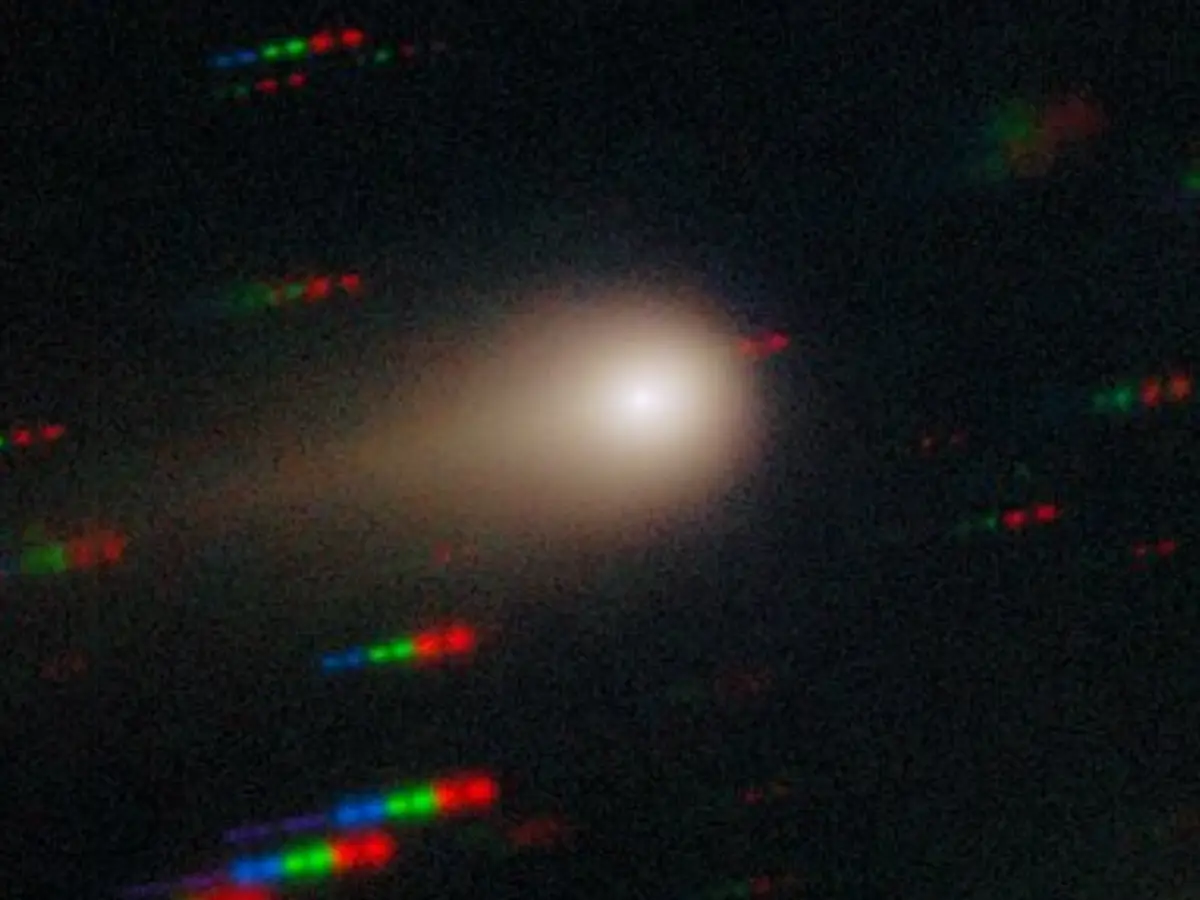
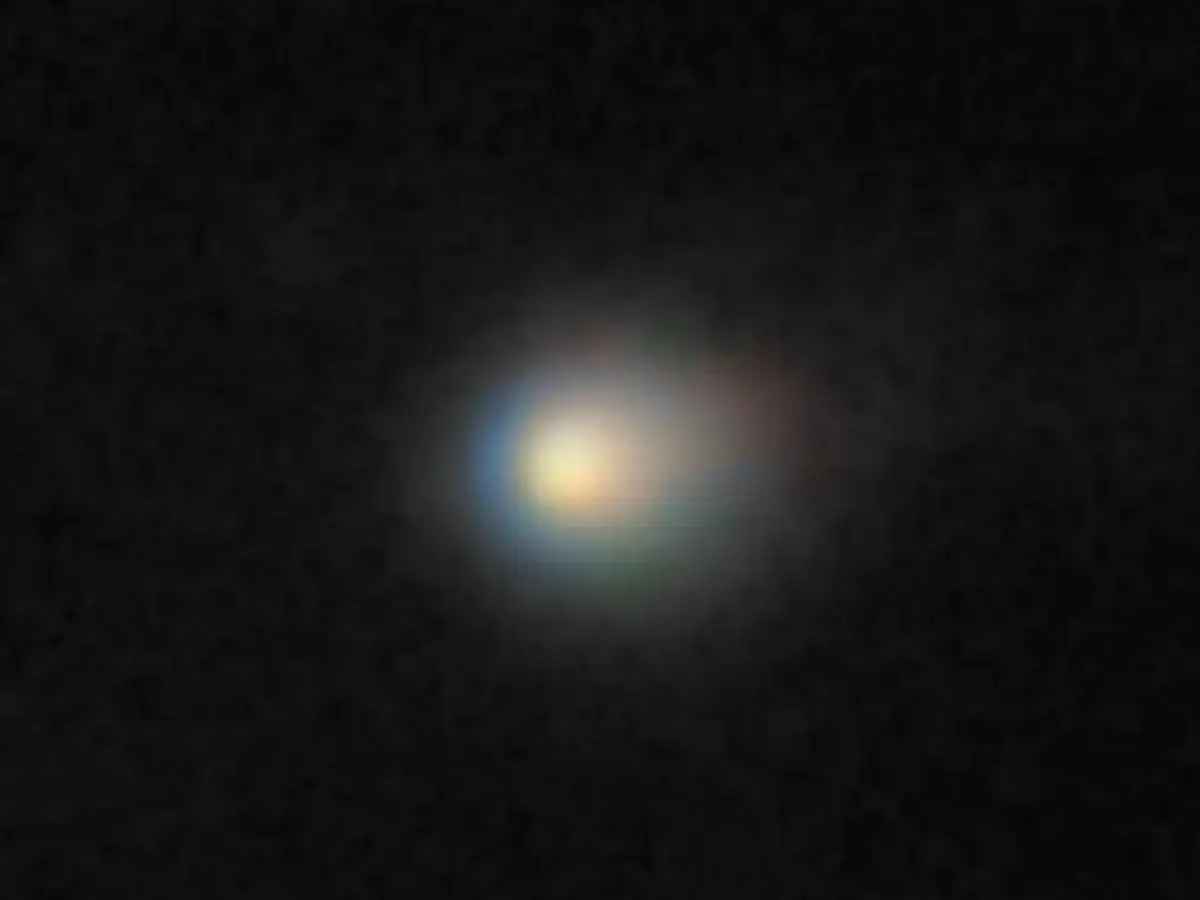
Around October 29, 2025, 3I/ATLAS became much brighter and turned blue near the Sun. This surprising change was captured by NASA’s spacecraft including STEREO-A, SOHO, and GOES-19. Unlike most comets that appear white or red, 3I/ATLAS’s bright blue glow is unusual. Scientists believe gases like cyanogen and ammonia released by the comet cause the blue light, but the exact reason is still being studied.
Odd Path and Speed
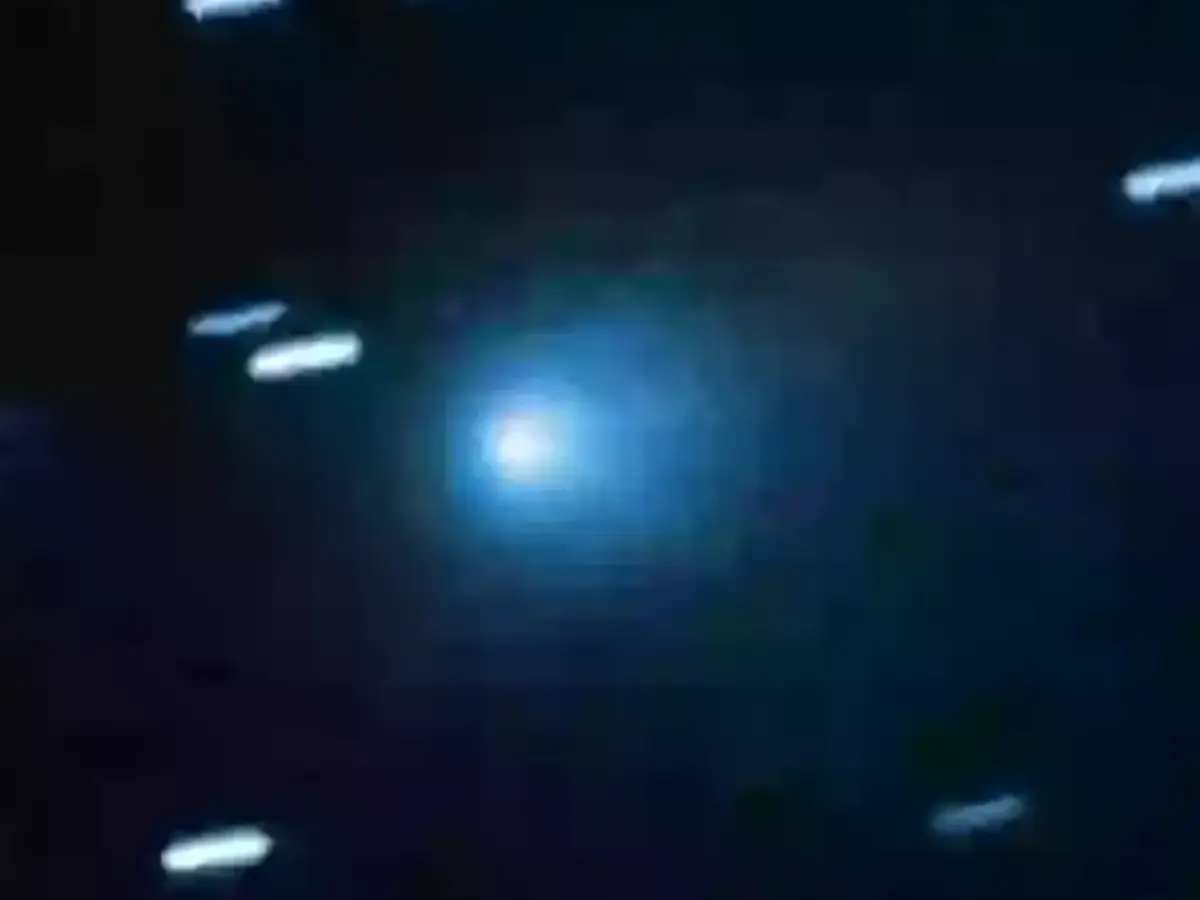
3I/ATLAS is moving very fast, about 58 kilometers per second, much faster than most comets from our solar system. It doesn’t follow a closed orbit but instead passes through the solar system only once before heading back to interstellar space. This speed and path help confirm it comes from outside our solar system.
Composition and Unusual Gases
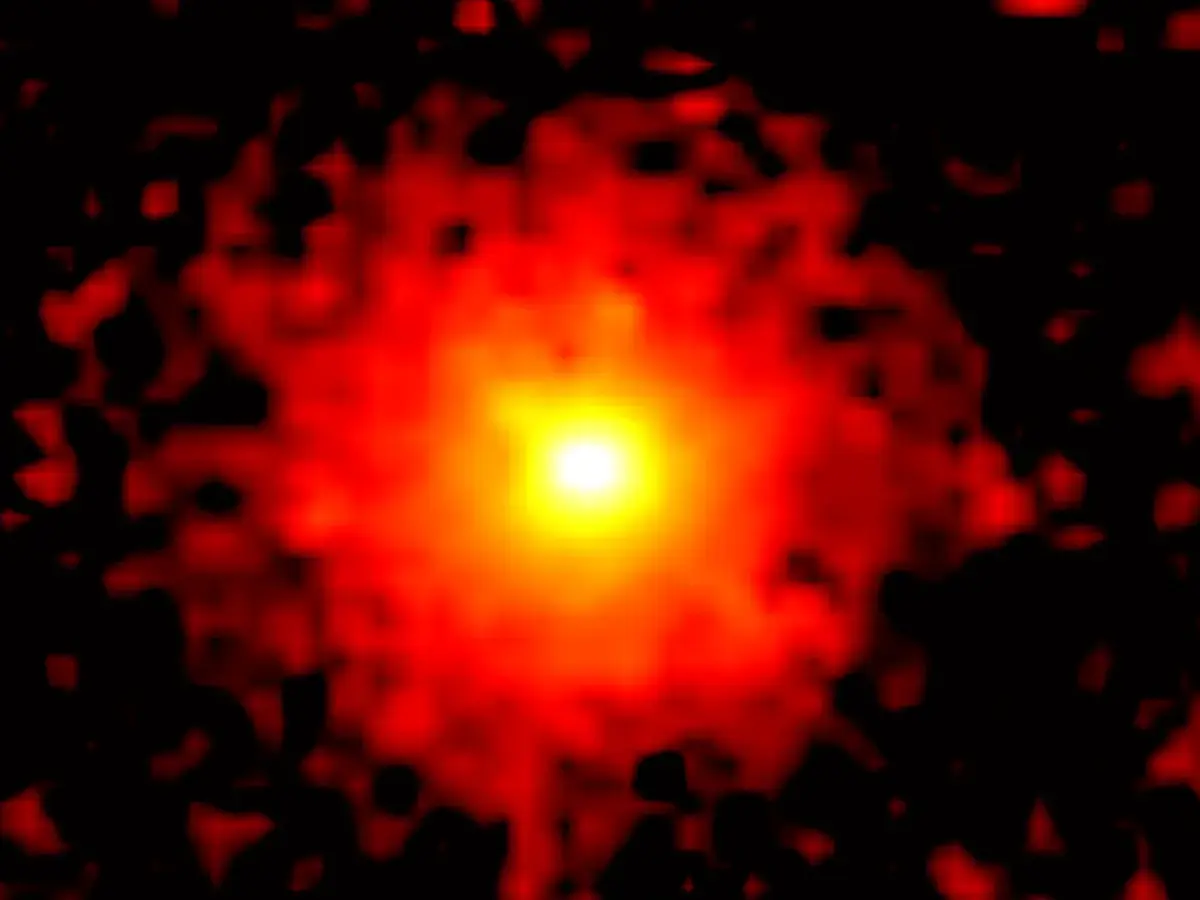
Studies have found 3I/ATLAS emits gases like carbon dioxide, cyanide, and atomic nickel. These elements are rarely found in solar system comets. The presence of such chemicals suggests the comet formed far from its original star, in a very cold environment. This makes it very valuable for understanding how other planetary systems form.
Theories About 3I/ATLAS
Some scientists have suggested 3I/ATLAS could be more than a natural comet. Harvard professor Avi Loeb has hinted it might be a probe from an alien civilisation. However, most experts believe it is a natural object with unusual features. The scientific community is still debating these ideas as more data is collected.
Observations by Space Telescopes
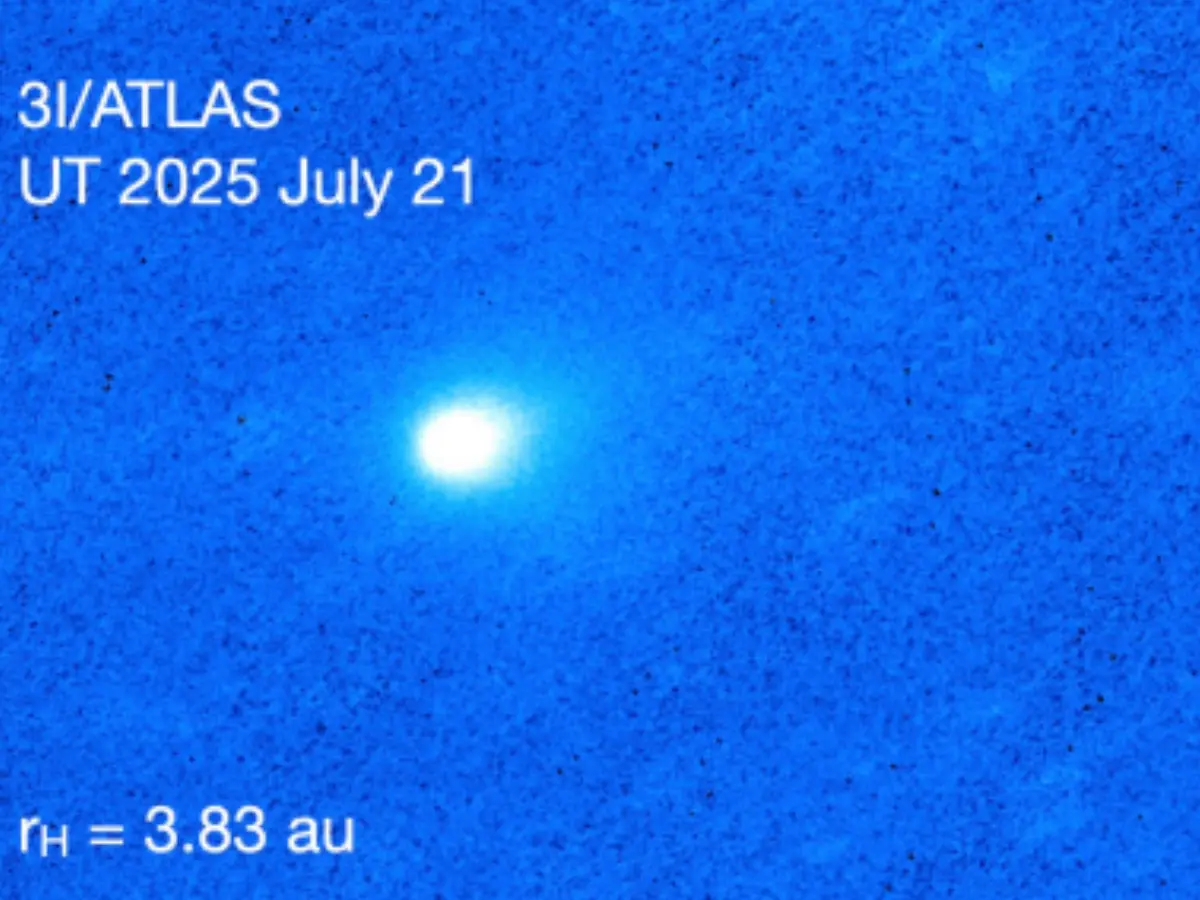
NASA’s Hubble Space Telescope and the James Webb Space Telescope have been watching 3I/ATLAS closely. These powerful telescopes study its surface, light spectrum, and behaviour near the Sun. Upcoming observations in December 2025 will provide more information and help solve some of the comet’s mysteries.
What Happens Next?
After passing close to the Sun and Earth in late 2025, 3I/ATLAS will continue its journey out of the solar system. It will not come back. Scientists will keep studying it to learn more about objects from other star systems. This comet offers a rare chance to understand materials that formed far beyond our solar system
)
)
)
)
)