What happens when a B-52 loses an engine at hour 30 of a mission? Here is what the crew actually does

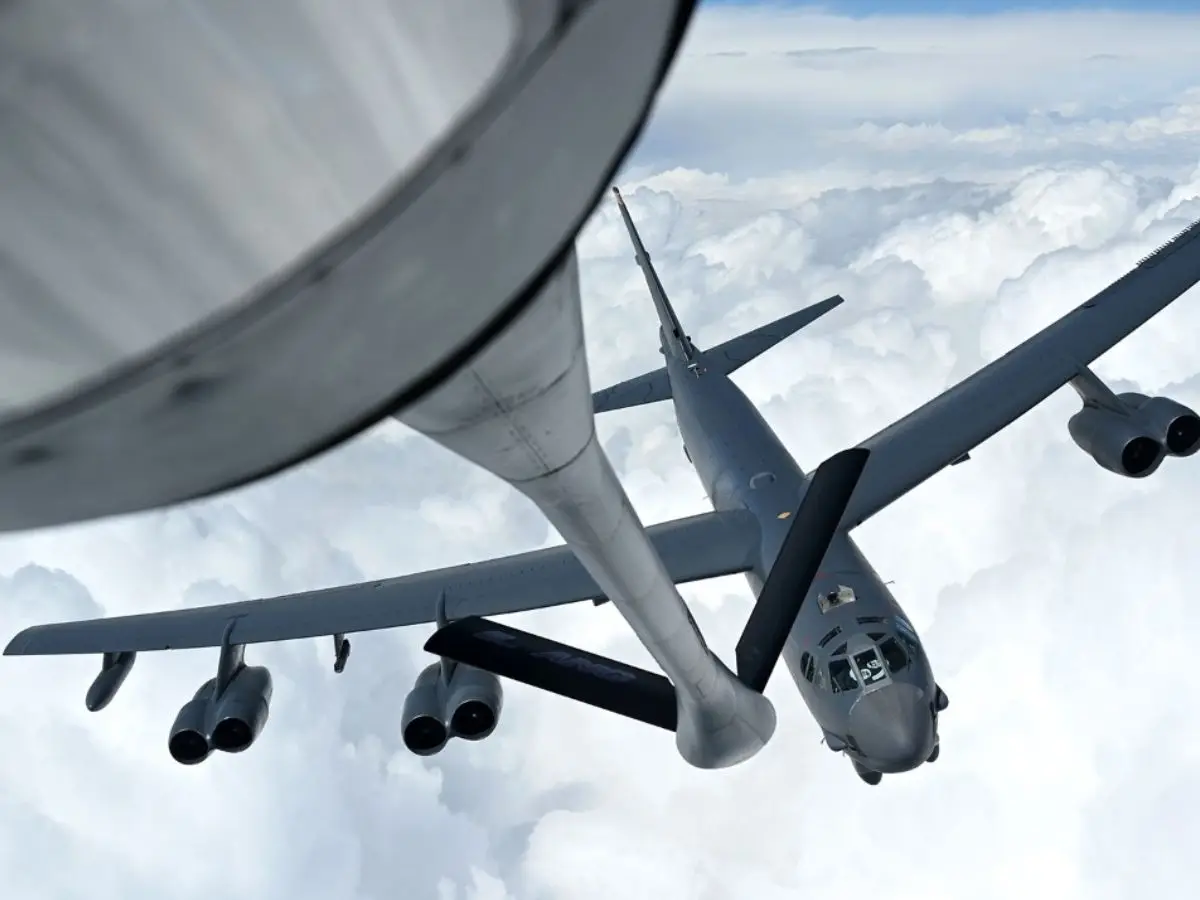
The B-52 has eight engines for a reason. But what happens when one — or two — fail deep into a 40-hour mission, thousands of miles from the nearest friendly base? The answer reveals why the eight-engine design was never a luxury. It was a survival calculation.
Eight Engines Is Not Excess
When Boeing designed the B-52 in the late 1940s, jet engines were far less reliable than they are today. Eight engines were specified not for power alone, but for redundancy — the mathematical insurance that losing one or two would not mean losing the aircraft. That philosophy still defines the B-52's operational logic seven decades later.
Can It Fly On Six?
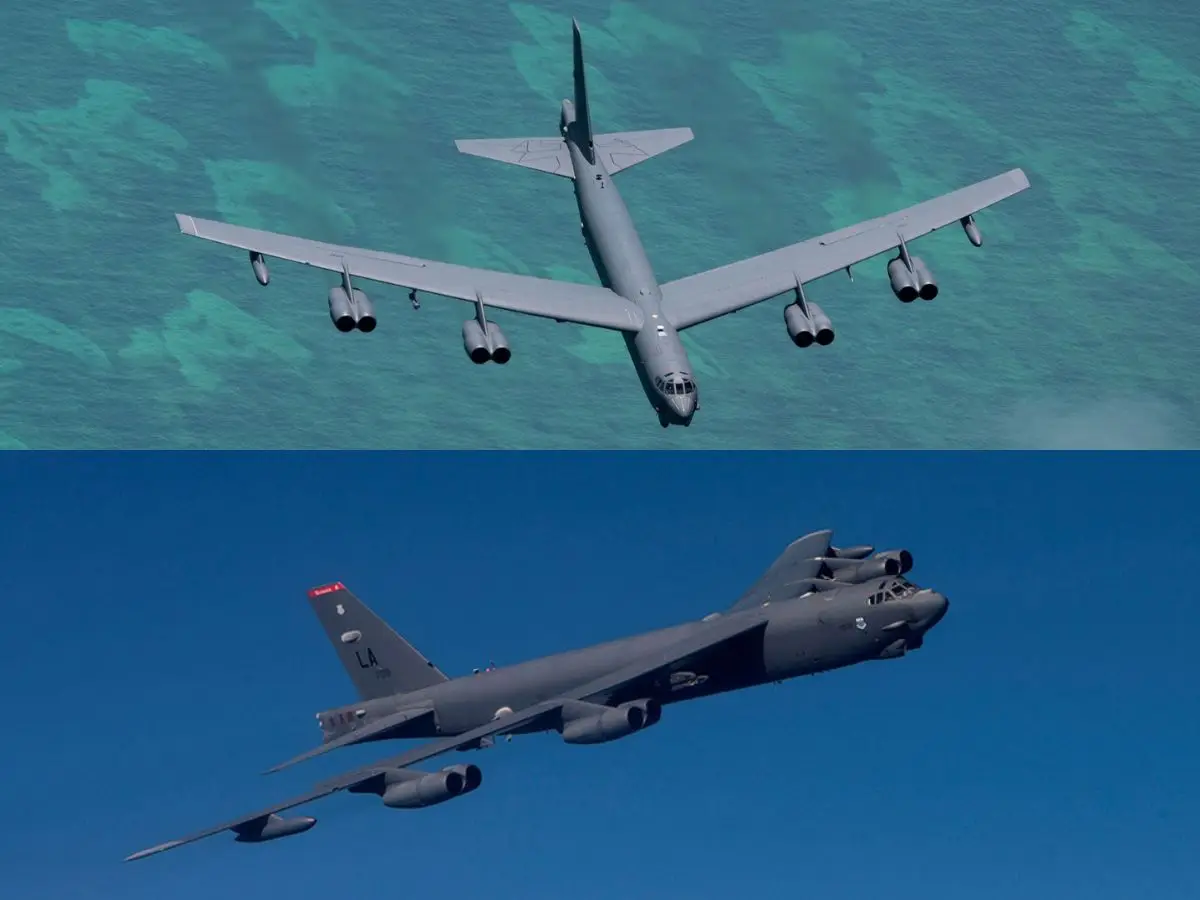
Yes. The B-52 can maintain controlled flight on as few as four engines under the right conditions — lower altitude, reduced payload, reduced airspeed. On six engines it can complete most missions with some degradation in performance. The aircraft's power margin was deliberately engineered to accommodate partial engine failure without forcing an immediate abort.

What The Crew Does In The First 60 Seconds
Engine failure triggers an immediate checklist response. The crew identifies which engine, verifies the failure is real and not an instrument error, shuts it down if confirmed, and adjusts thrust on remaining engines to compensate for the asymmetric pull. On a multi-engine aircraft, asymmetric thrust — more power on one side than the other — requires constant rudder correction that adds workload and fuel burn.
The Vietnam Losses That Proved The Math
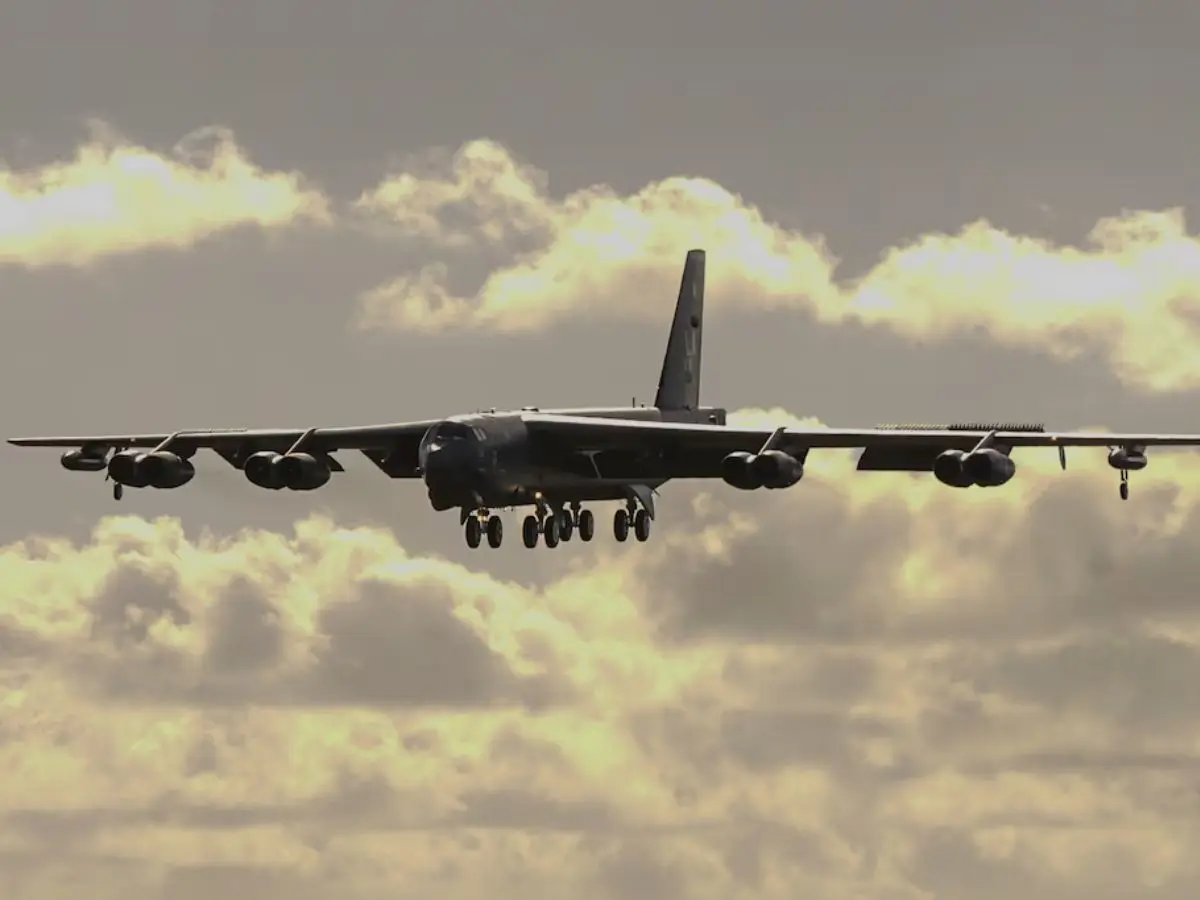
During the Vietnam War, 31 B-52s were lost to enemy fire — primarily Soviet-supplied SA-2 surface-to-air missiles. Several aircraft that were hit and lost one, two, or even three engines managed to limp back to base or at least clear hostile territory before the crew ejected. The multi-engine redundancy saved lives that a twin-engine design would not have.
The Decision At Hour 30
Losing an engine at hour 30 of a 40-hour mission creates a difficult calculation. Continue with reduced performance and increased fuel consumption? Divert to the nearest available base — which may be in a different country? Or abort the mission entirely? The answer depends on the mission priority, the remaining engine margin, and how far the aircraft is from any viable landing option.
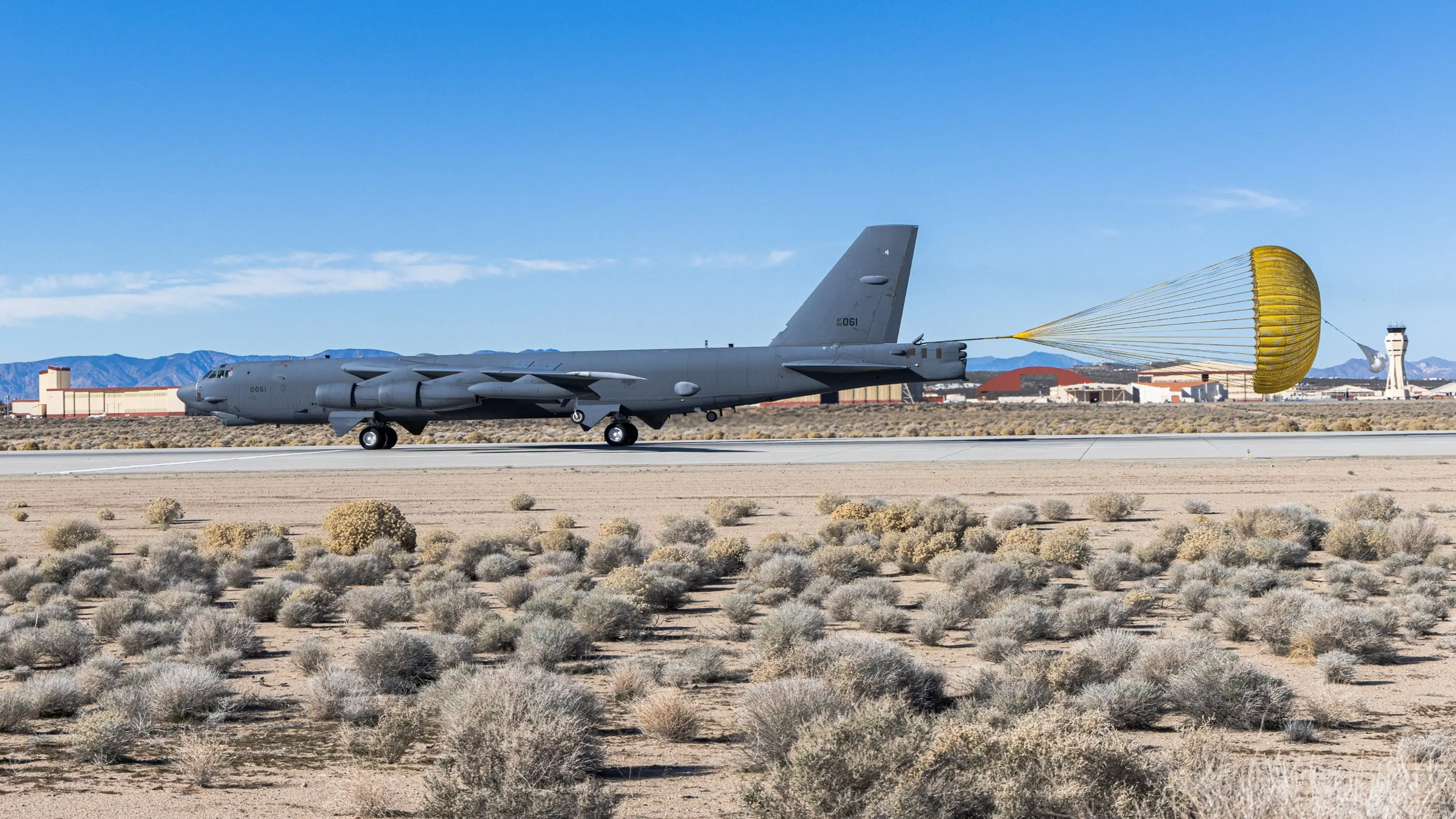
What Pilots Say About Flying On Six
B-52 pilots who have experienced in-flight engine failures describe the immediate effect as manageable but attention-demanding. The aircraft handles differently, burns fuel faster, and requires more active correction on the controls. Over a long mission, the cumulative fatigue of managing an asymmetric aircraft adds significantly to crew workload — on top of whatever mission task they were already performing.
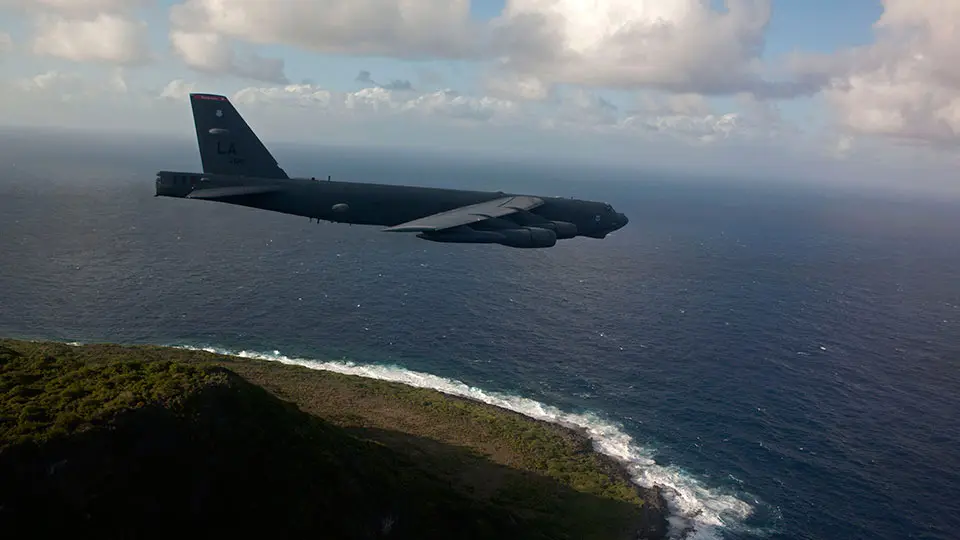
The Minimum Number To Land Safely
The official minimum for a safe landing is determined by weight, weather, and runway length. In practice, crews have landed B-52s with as few as four functioning engines. It requires a longer runway, a lighter aircraft, and a great deal of skill. The fact that this has happened and the aircraft survived is a testament to both the design margin and the training of the crews who have had to use it.
)
)
)
)
)