What happens to a country’s gold when governments change?

When governments change, a country’s gold stays with the state, not rulers. If held abroad, access depends on global recognition and sanctions. Gold can be frozen, trapped, or moved.
Who Really Owns the Gold?
Gold reserves legally belong to the nation’s Central Bank, not the ruling political party or president. This distinction is critical; even if a dictator falls or a government is ousted, the gold remains the property of the state, guarded by independent financial institutions.
The Foreign Vault Safety or Trap?
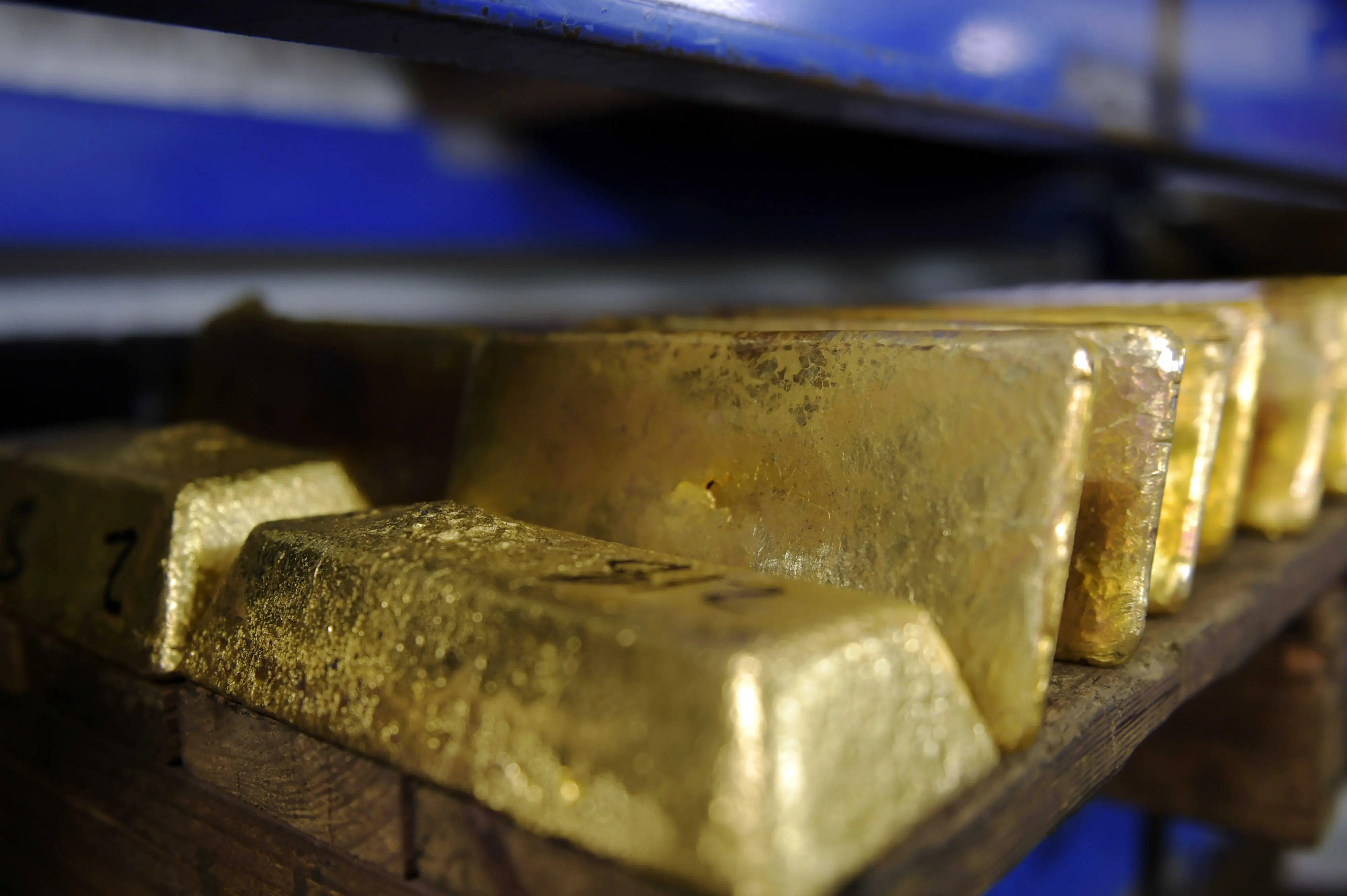
Most countries store their gold in foreign hubs like the Bank of England or the Federal Reserve in New York for safety and easy trading. However, during a coup or revolution, this "safety" can turn into a trap, as the new regime cannot physically access the metal.
The 'Freeze' Switch: Afghanistan's Frozen Billions
When the Taliban took over Afghanistan in 2021, the US froze $7 billion of the country’s assets, including gold held at the NY Federal Reserve. This proves that possessing the presidential palace does not grant access to the national treasure if the global community does not recognise the new leaders.
Venezuela’s Gold in London
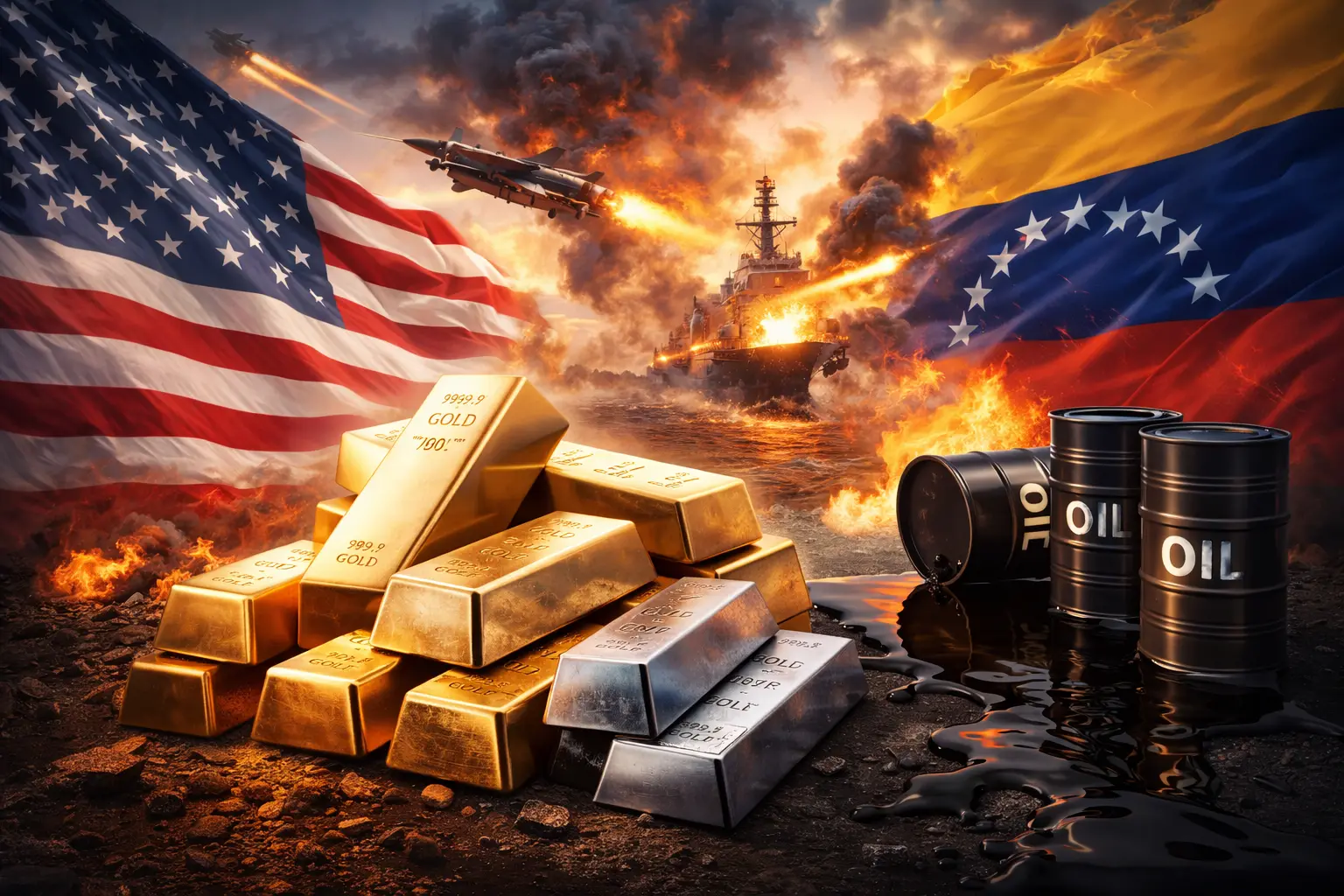
Who gets the gold when two presidents claim power? In 2019, the Bank of England refused to release $1 billion in gold to Nicolas Maduro, recognising opposition leader Juan Guaidó instead. This sparked a massive legal battle, leaving the gold stuck in a London vault while the political crisis raged.
The Flight Risk Dictators and 'Portable' Wealth
Before a regime falls, leaders often try to liquidate reserves. In 2011, reports suggested Muammar Gaddafi sold 20 per cent of Libya's gold reserves to pay mercenaries just before his collapse. Unlike digital money, physical gold can be flown out, making it a prime target for fleeing autocrats.
Many nations are now moving gold back home
Many nations are now moving gold back home. In 2024, India moved 100 metric tonnes of gold from the UK to domestic vaults, ensuring that in a crisis, their assets remain physically under their own sovereign control.
Surviving the Chaos
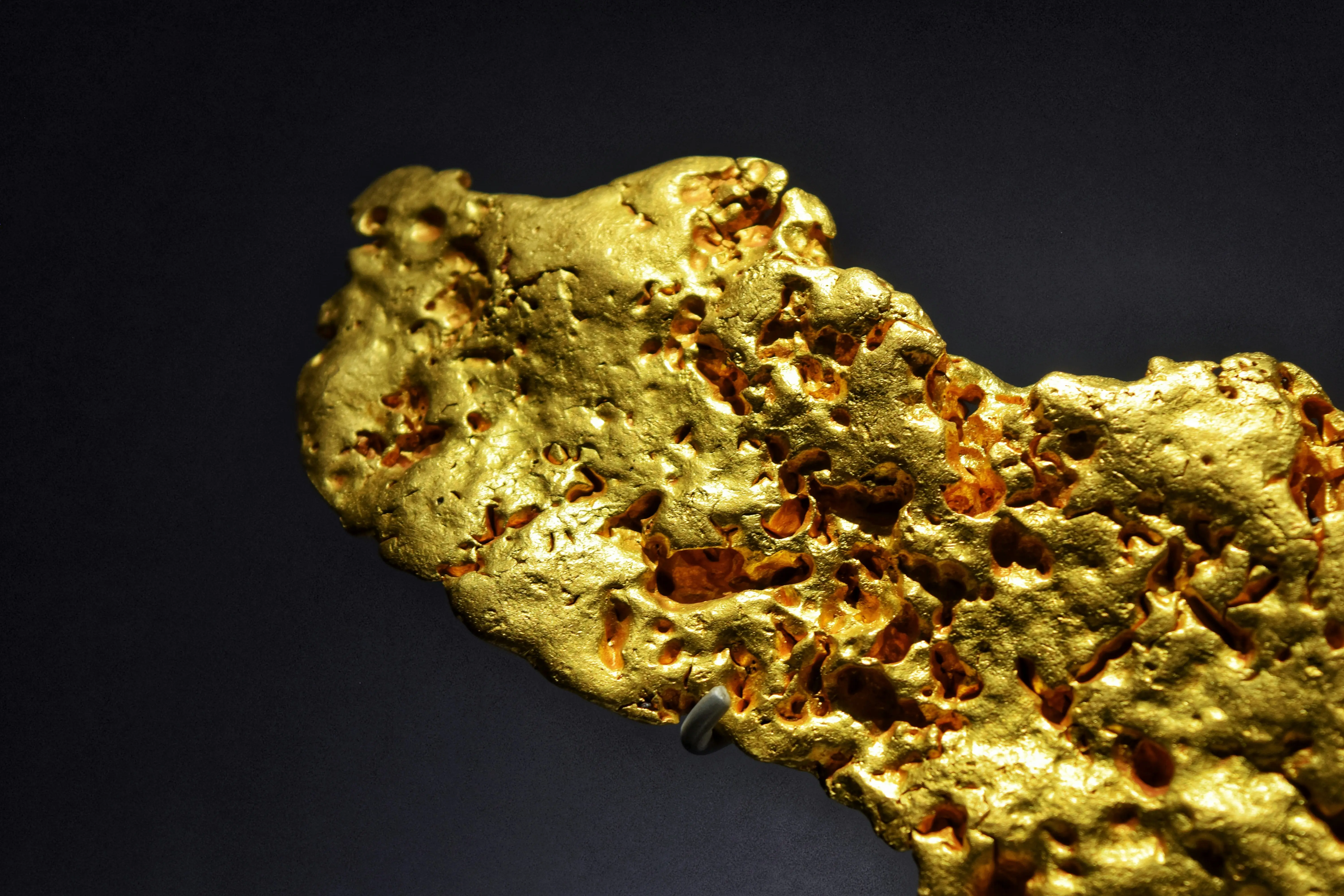
Ultimately, gold is the only asset that survives the death of a currency or government. While a collapsed regime’s paper money becomes worthless, the national gold reserve remains valuable, providing the "seed capital" for the next government to rebuild the economy. If they can access it.
)
)
)
)
)