What happened when a fugitive self-proclaimed godman created his own country? The bizarre tale of Kailasa!

The fugitive self-proclaimed godman and spiritual leader resurfaced in the most unexpected way: by declaring the creation of his own ‘nation’, a self-proclaimed country he called the United States of Kailasa.
From Indian Ashrams to International Headlines
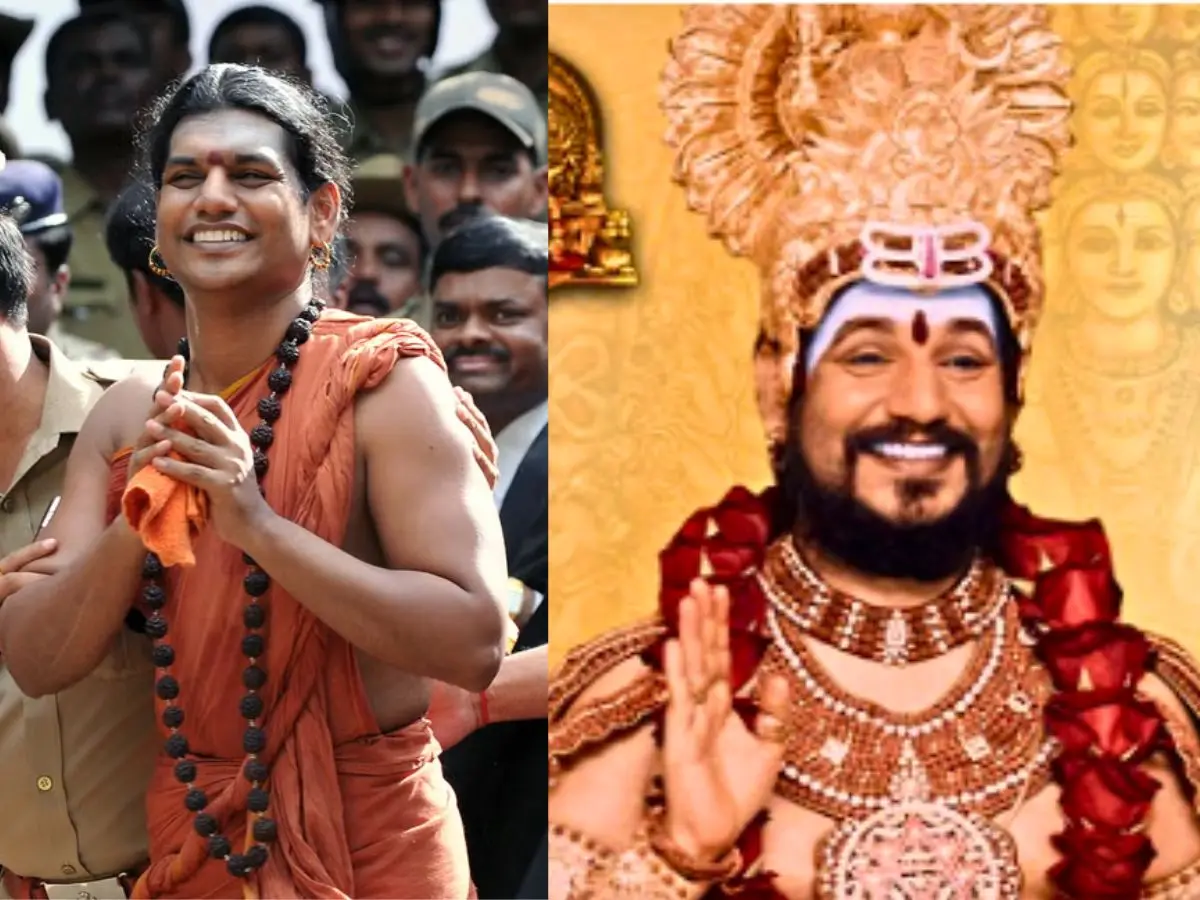
In 2019, Nithyananda, a controversial self-styled Hindu guru facing serious criminal charges in India, disappeared from the public eye. Nithyananda ran several ashrams in the country. His sudden flight followed accusations ranging from sexual assault to abduction. In November 2019, Gujarat police were investigating allegations of the kidnapping of a child in his ashram, when he absconded. Yet rather than lie low, the fugitive self-proclaimed godman and spiritual leader resurfaced in the most unexpected way: by declaring the creation of his own ‘nation’, a self-proclaimed country he called the United States of Kailasa.
The Birth of ‘Kailasa’
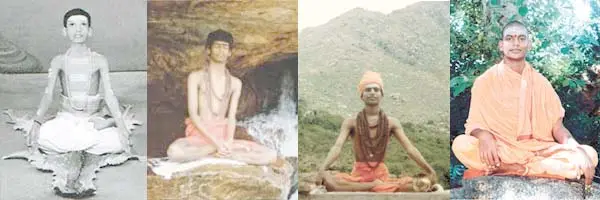
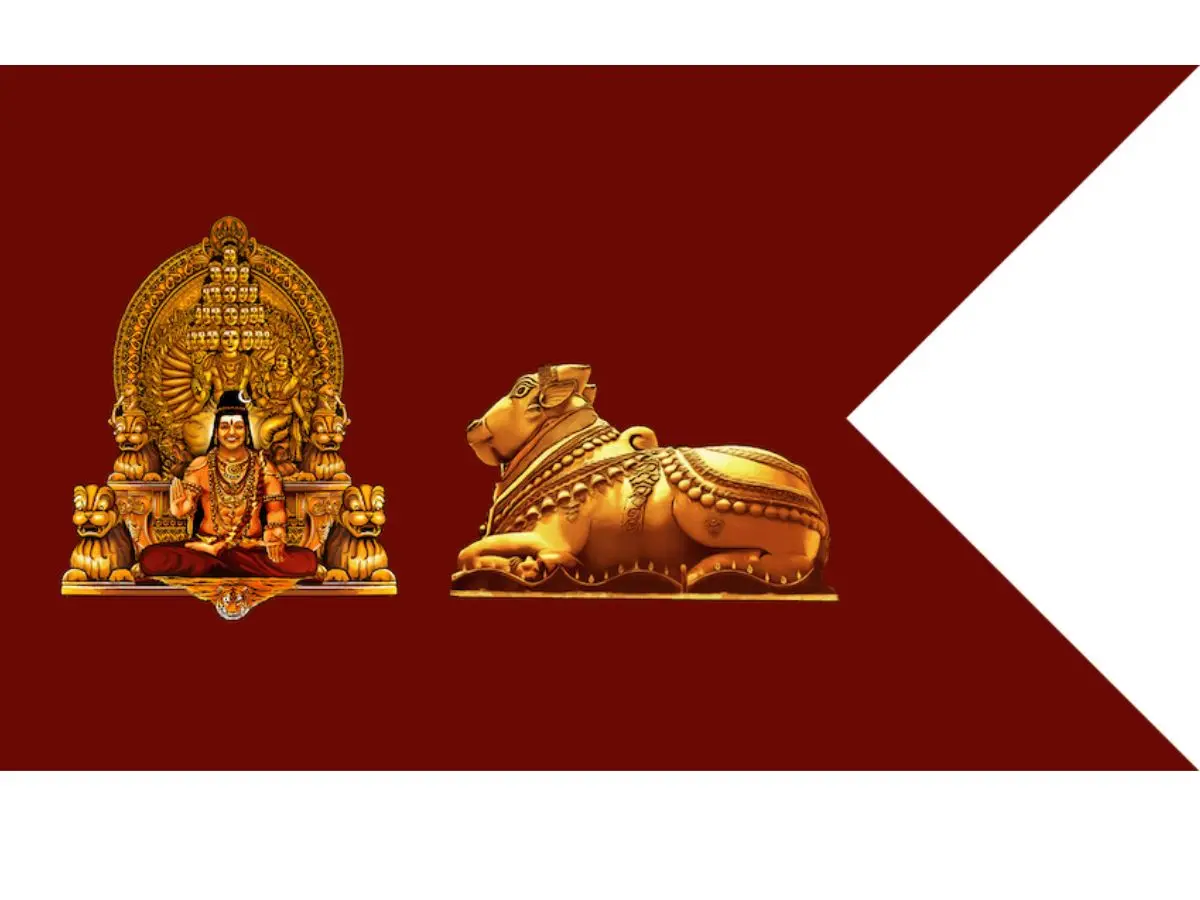
According to Nithyananda, ‘Kailasa’ was established as a 'Hindu sovereign nation' dedicated to preserving and promoting what he described as ancient Sanatana Hindu traditions. Originally named Arunachalam Rajasekaran, he founded his first ashram in Bengaluru before expanding his influence internationally, making extraordinary claims of having supernatural abilities ranging from curing blindness to altering the timing of sunrise. The so-called nation claims to have its own government, complete with ministries for education, culture and technology, its own central bank, constitution, and even a national flag. Despite these trappings of statehood, Kailasa lacks any internationally recognised territory, its 'location' rumoured to be an island off the coast of Ecuador, a claim Ecuador has officially denied.
A Conman’s Escape and New Throne
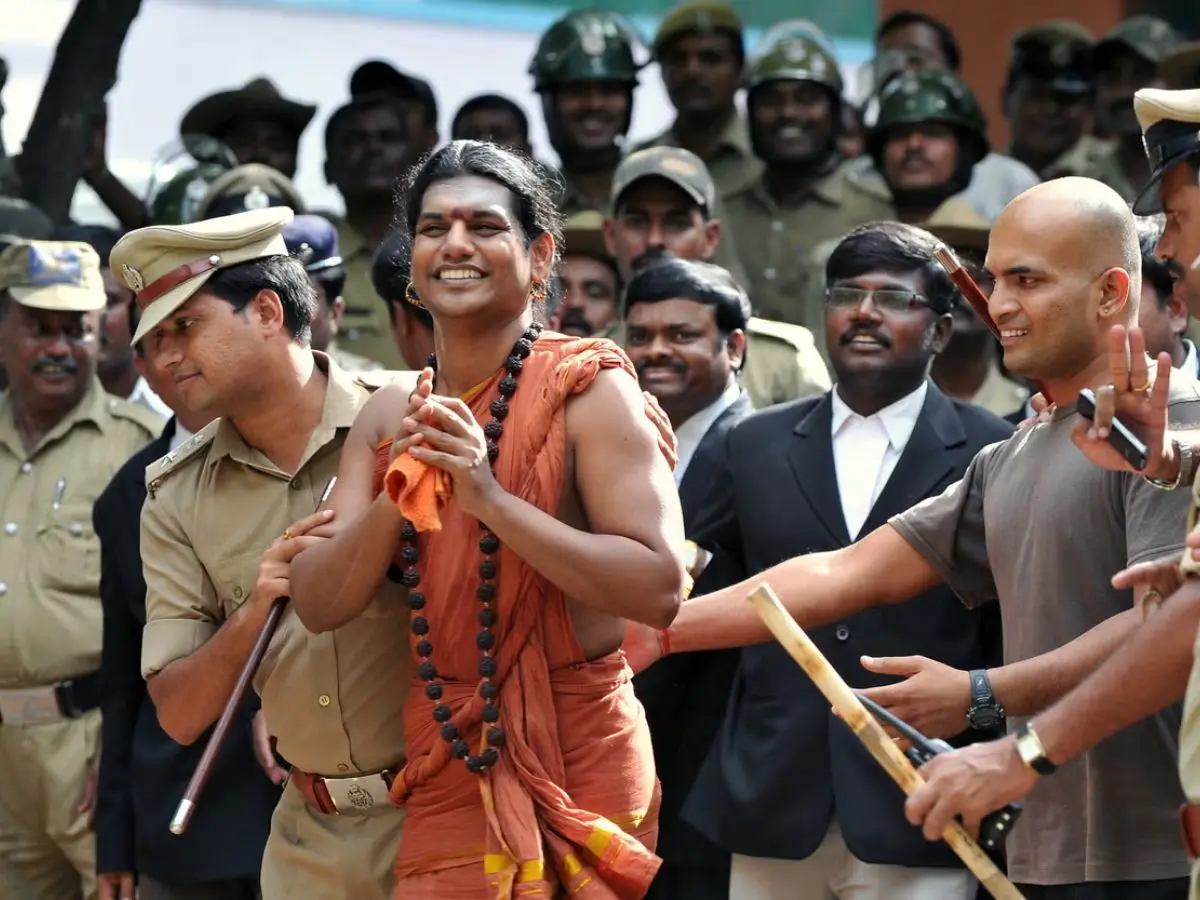
Nithyananda’s escape from India remains shrouded in mystery. Facing non-bailable warrants and an Interpol Blue Corner notice, he fled just ahead of tightening legal action. Reports suggest he used international connections and sympathetic followers to secure travel and protection. While Indian authorities continue to pursue his extradition, Nithyananda has kept a steady online presence, delivering sermons and running promotional campaigns for Kailasa’s supposed humanitarian and spiritual missions.
Controversies and Global Stunts
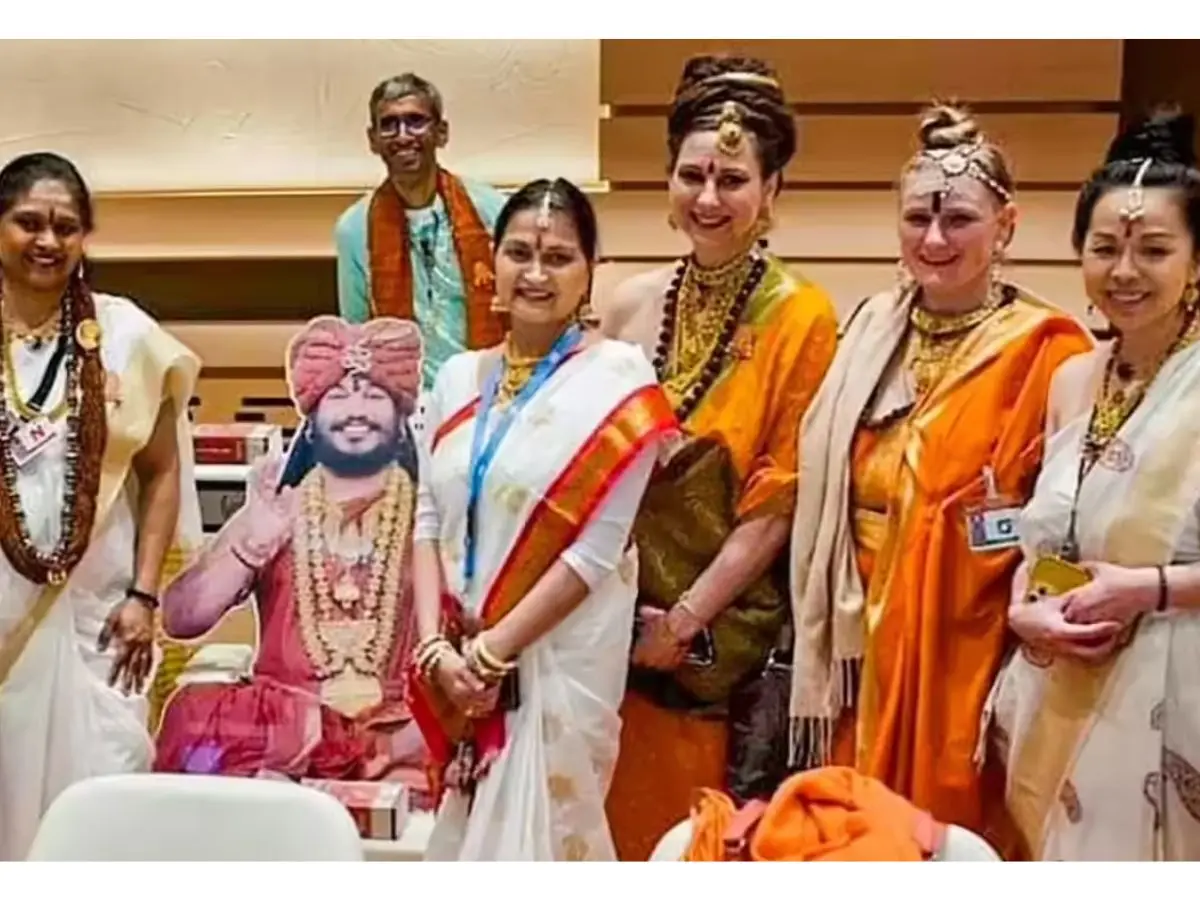
Since its declaration, Kailasa has made headlines for bizarre diplomatic moves. Recent events in Bolivia exposed the group's questionable activities, with the authorities arresting about 20 Kailasa associates who were found 'land trafficking' indigenous communities. These followers were later deported back to their respected countries of citizenship. Representatives claiming to act on behalf of Kailasa have also appeared at United Nations events and signed so-called ‘treaties’ with small American towns, agreements those towns later dismissed as meaningless. Critics argue these gestures are aimed at creating a veneer of legitimacy for a project built largely on deception. Meanwhile, former followers have spoken out about financial exploitation, coercion and intimidation within Nithyananda’s organisations.
Imaginary Features and Grand Claims
Despite lacking land or citizens in the conventional sense, Kailasa presents itself as a global movement. It issues ‘passports’, offers ‘e-citizenship’ and sells noble titles through its websites. Its leadership claims to run universities and conduct medical outreach, though evidence remains scant. The project’s digital sophistication, including professional websites, social media campaigns and branded events, contrasts sharply with its phantom status on the world stage.
The Downfall and Lingering Fascination
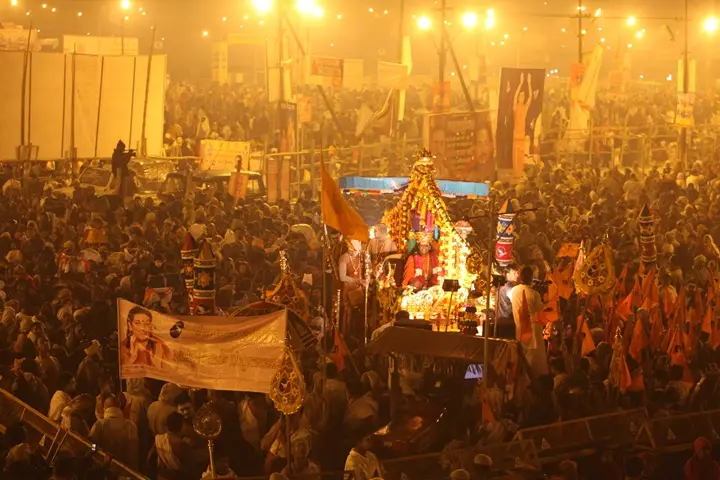
While Kailasa is widely regarded as a sham, it reflects how digital tools and charismatic leadership can construct an illusion of nationhood. Attempts to gain UN recognition have failed, and the movement’s credibility continues to erode under media scrutiny and legal pressure. Yet, the very existence of Kailasa fascinates observers, highlighting how modern publicity can blur lines between reality and performance.
A Country Built on Illusion
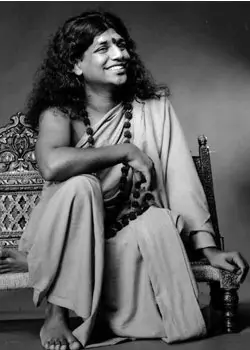
In the end, the 'Kailasa' of Swami Nithyananda, who styles himself as 'His Divine Holiness, the Supreme Pontiff of Hinduism', stands less as the leader of a nation and more as the architect of a spectacle: a digital monument to his own audacity. What began as an escape from justice evolved into one of the world’s most bizarre assertions of sovereignty, a self-fashioned kingdom without territory, born of scandal, sustained by myth, and seemingly destined to remain an illusion.
)
)
)
)
)