What effects will IAAF's controversial rule regulating testosterone levels for women athletes have?

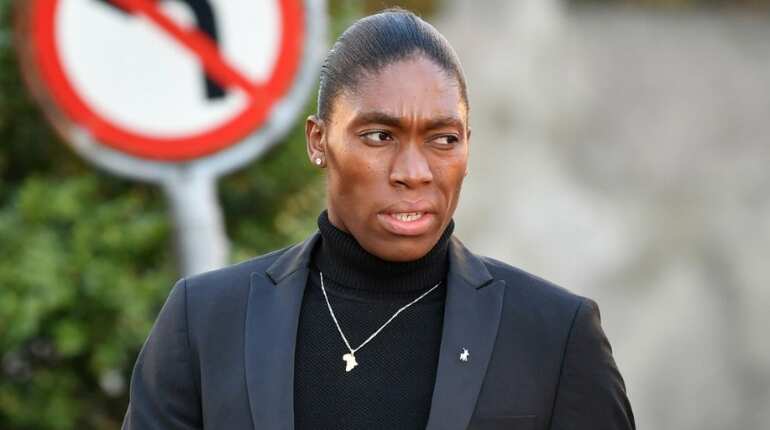
Semenya's legal challenge to IAAF
After two-time Olympic 800 metres champion Caster Semenya lost her legal challenge, the IAAF's controversial rule regulating testosterone levels for women athletes will come into effect on May 8.
She had challenged the measures, introduced by the IAAF, that will force women with higher than normal male hormone levels -- so-called 'hyperandrogenic' athletes -- to artificially lower the amount of testosterone in their bodies if they are to continue competing.
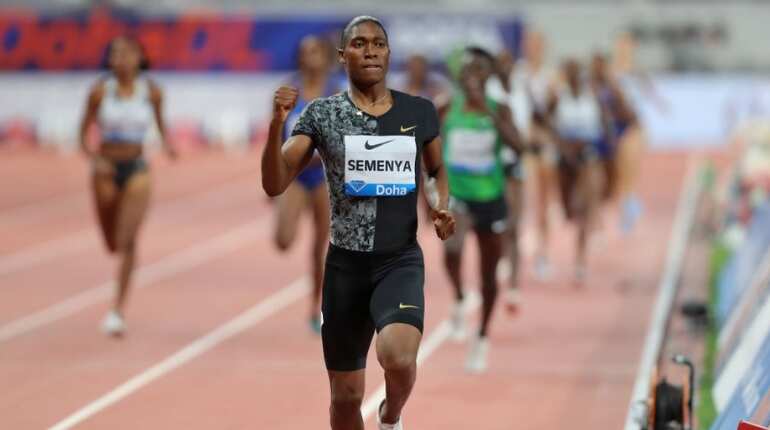
Season almost over for athletes concerned by ruling
The rule introduced by the International Association of Athletics Federations compels female runners in certain categories to cap their testosterone levels at five nanomoles per litre (nmol/L) of blood for fully six months before competing.
The IAAF has made an exception for the world championships in Doha that start on September 27, with athletes who adhere to the rule from May 8 allowed to take part.
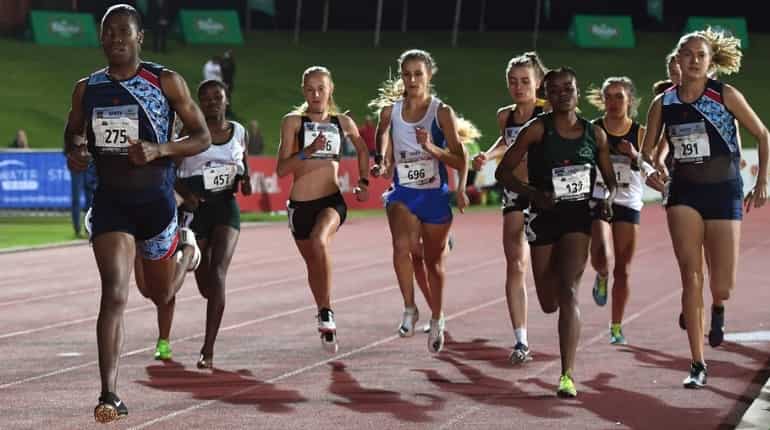
The new rules apply to all international competitions
But athletes who have not anticipated this week's verdict from the Lausanne-based Court of Arbitration for Sport (CAS) will arrive in Doha without the benefit of any official warm-up races.
The IAAF told AFP that the exception made for the world championships "does not apply to any of the other international competitions", thus ruling out this season's Diamond League meetings after Friday's opener in Doha.
The new rules apply to all international competitions -- Olympics, Diamond League meetings, IAAF World Challenge events, and other less significant competitions. National championships are excluded.

Athletes with 'differences of sexual development' under scanning
The rule targets athletes with one of the seven "differences of sexual development" (DSD) listed by the IAAF. Intersex athletes are not concerned, only those with the X or Y chromosome.
It governs female athletes with levels of testosterone of five nanomoles per litre (nmol/L) of blood or higher, with the IAAF saying they benefit from increased bone and muscle strength similar to men who have gone through puberty.
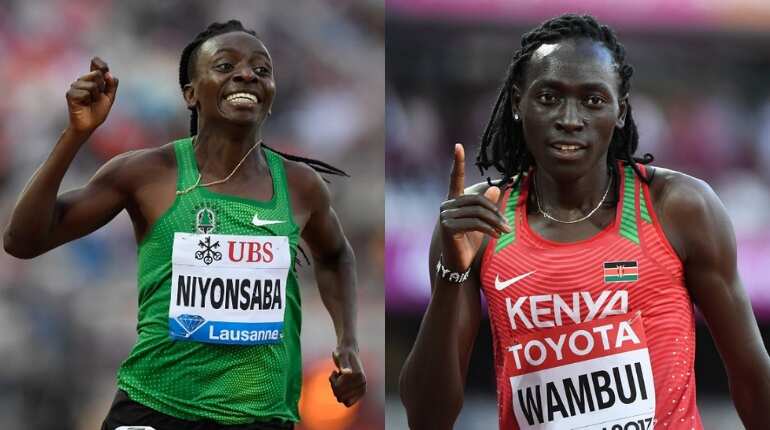
Niyonsaba and Wambui also affected
Semenya is unlikely to be the only athlete affected.
The two athletes who finished behind her in the Rio Olympics 800m, Francine Niyonsaba of Burundi and Kenya's Margaret Wambui, have in the past also faced questions about their testosterone levels.
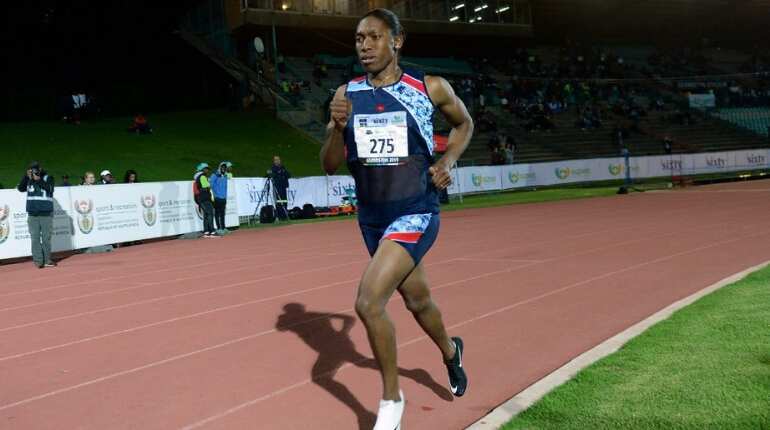
'Physical appearance' will lead to testing
The new rule applies to distances from 400m to a mile, and includes the heptathlon, which concludes with an 800m race.
The IAAF is counting on athletes who think they may be concerned to contact the federation's medical experts.
The IAAF's medical team have the right to investigate an athlete based on "good faith for reasonable reasons based on information from reliable sources" -- in other words, from the athlete's physical appearance.
"Reliable sources" can be the athlete herself, a federation, but also anti-doping samples.
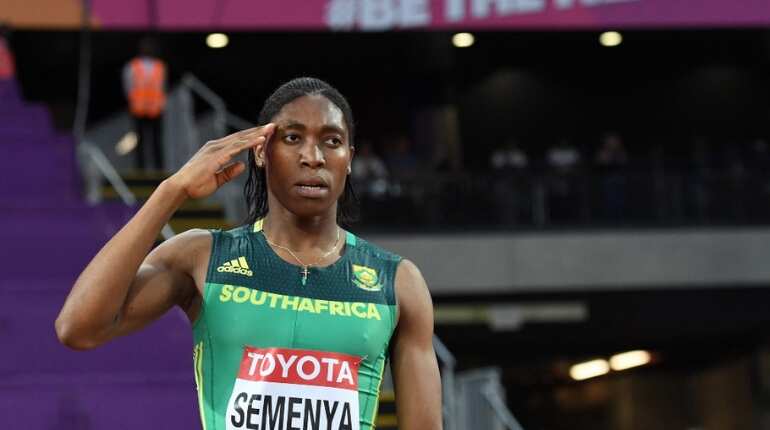
Semenya to re-appeal
Semenya is contemplating whether to lodge an appeal in the Swiss courts within 30 days.
"We are looking at all the options," one of Semenya's lawyers, Gregory Nott, told AFP.
"Perhaps other athletes are going to appeal, we cannot exclude other new cases," CAS general secretary Matthieu Reeb said on Wednesday.
)
)
)
)
)