What does ‘Mohareb’ mean in Islamic Law? Why is Iran using it against protesters

The legal term Mohareb refers to 'enmity against God' in Iran. Authorities use this charge to issue severe penalties, including execution, against protesters accused of threatening state security.
Defining the term Mohareb
Mohareb is a Persian term derived from the Arabic word for war, meaning 'one who wages war'. In the context of Islamic law, it specifically refers to individuals who are accused of waging war against God.
The legal basis of Moharebe
Under Iran's Islamic Penal Code, Moharebe involves the use of weapons to create fear and breach public security. It is considered one of the most serious crimes against the state and religion.
Penalties under Iranian law
Conviction as a Mohareb often carries the harshest penalties available in the Iranian judiciary. These can include execution, crucifixion, amputation of the right hand and left foot, or long-term exile.
Application against protesters
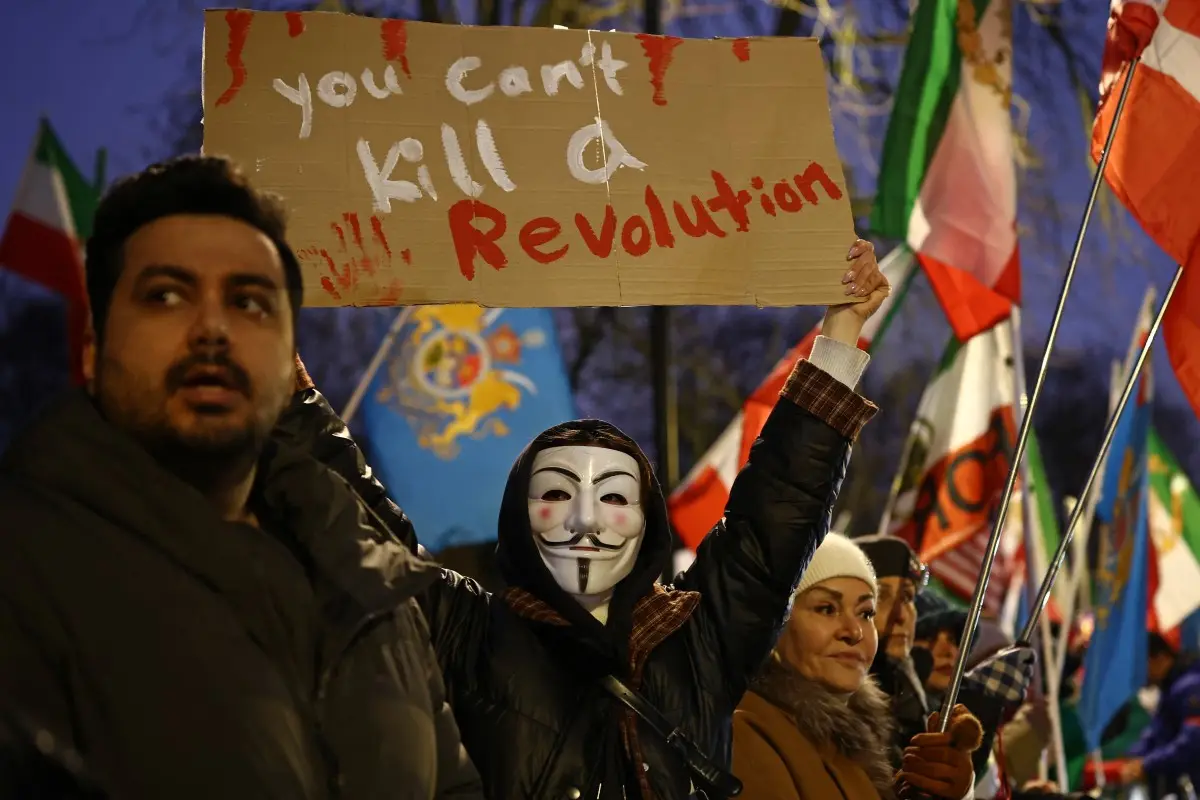
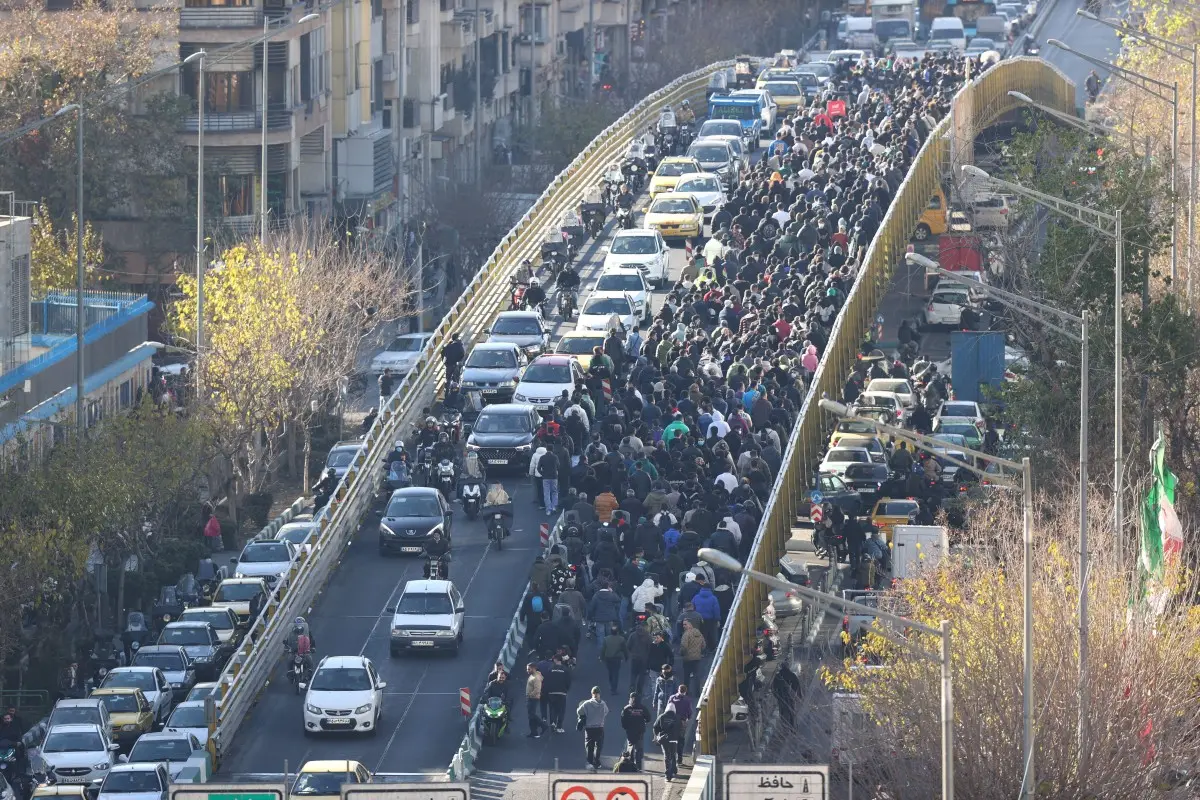
During the 2022 protests, Iranian authorities began using this charge against individuals accused of attacking security forces. It allowed the state to fast-track trials and issue severe sentences as a deterrent.
The role of Revolutionary Courts
Moharebe cases are typically tried in Iran’s Revolutionary Courts rather than standard criminal courts. These specialized courts were established to protect the Islamic system and often hold closed-door sessions.
Interpretation by the judiciary
The judiciary has interpreted acts like "blocking a road" or "arson" as Moharebe if they are done with a weapon to cause public terror. However, legal experts note that the judiciary often broadens this to include any act that challenges the state's security.
Criticisms from legal experts
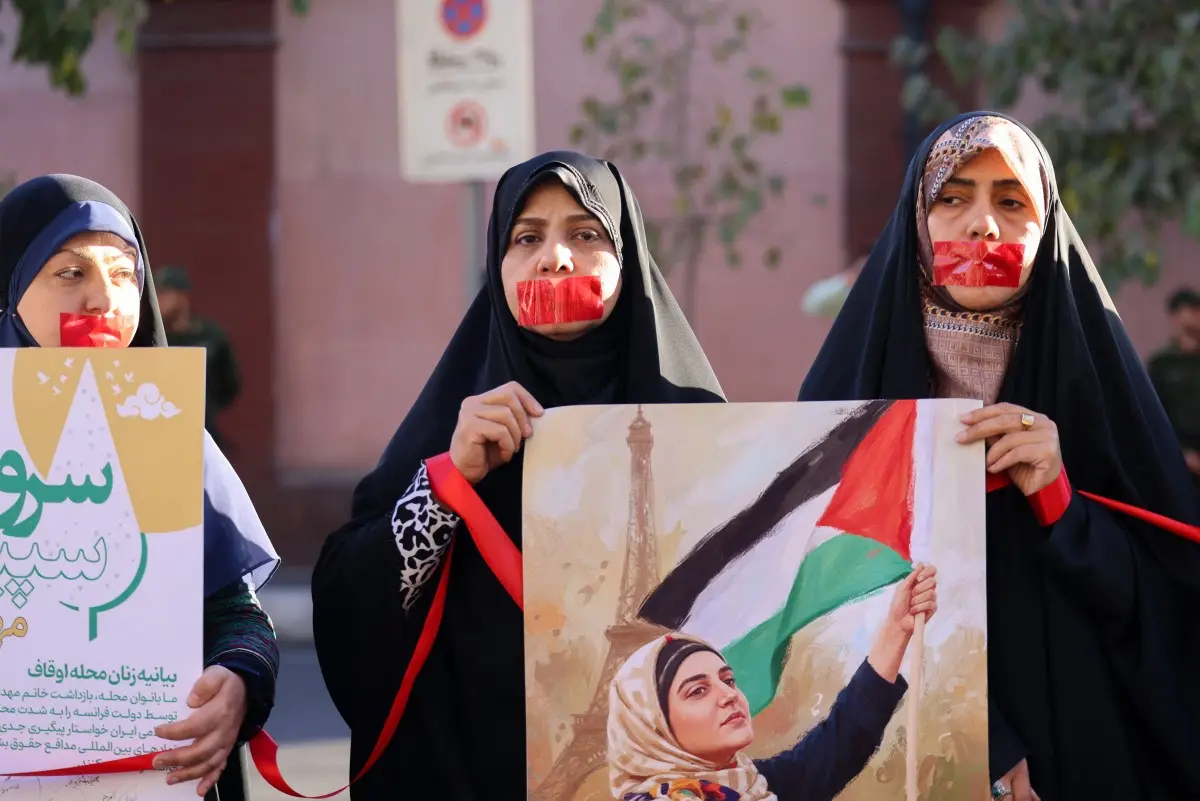
Many international legal experts and human rights groups argue the charge is vaguely defined. They claim it is used to silence political dissent rather than to prosecute genuine criminal violence.
The first protest executions
In late 2022, Iran carried out the first executions of protesters convicted of Moharebe. This included the hanging of Mohsen Shekari, who was accused of blocking a street and wounding a security guard.

Requirement of a weapon
To technically qualify as Moharebe, the defendant must have brandished a weapon, whether a firearm or a blade. However, defense lawyers often argue that no intent to cause public terror was present.

International reaction
The use of the Mohareb charge has drawn significant condemnation from the United Nations and various governments. They have called for Iran to abolish the death penalty for protesters and ensure fair trial standards.
)
)
)
)
)