What do fighter jet pilots go through during an emergency ejection?

Emergency ejections subject pilots to 20 Gs of crushing force and 600 mph windblast. Using solid-propellant rockets and automated parachutes, systems like the Martin-Baker Mk16 violently launch aviators from failing jets in just two seconds.
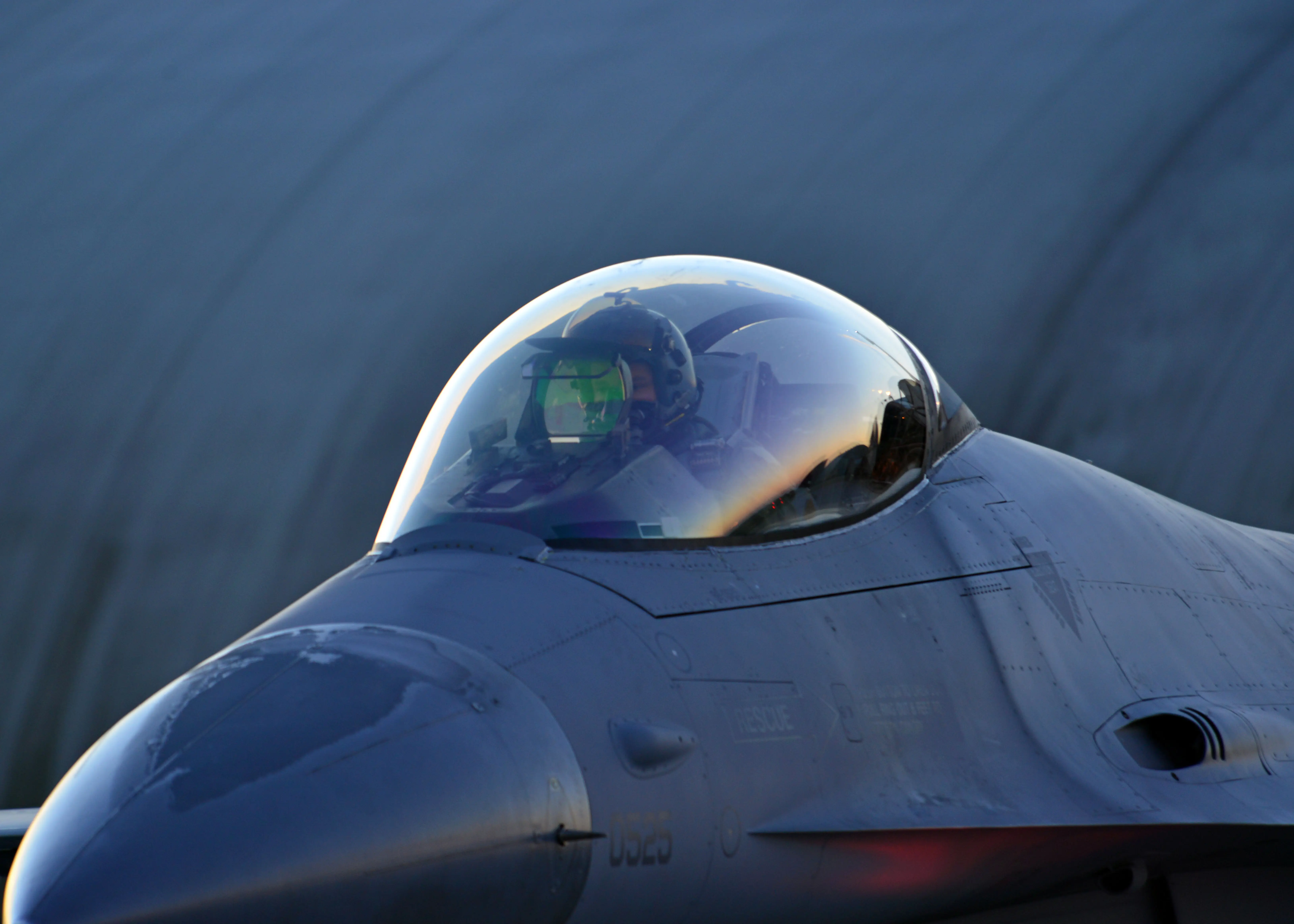
Shattering the Canopy
To clear an escape path, explosive primer cords instantly shatter the heavy acrylic canopy. If the aircraft is a two-seater, an automated sequencer fires the rear seat first with a fraction-of-a-second delay, preventing a fatal mid-air collision.
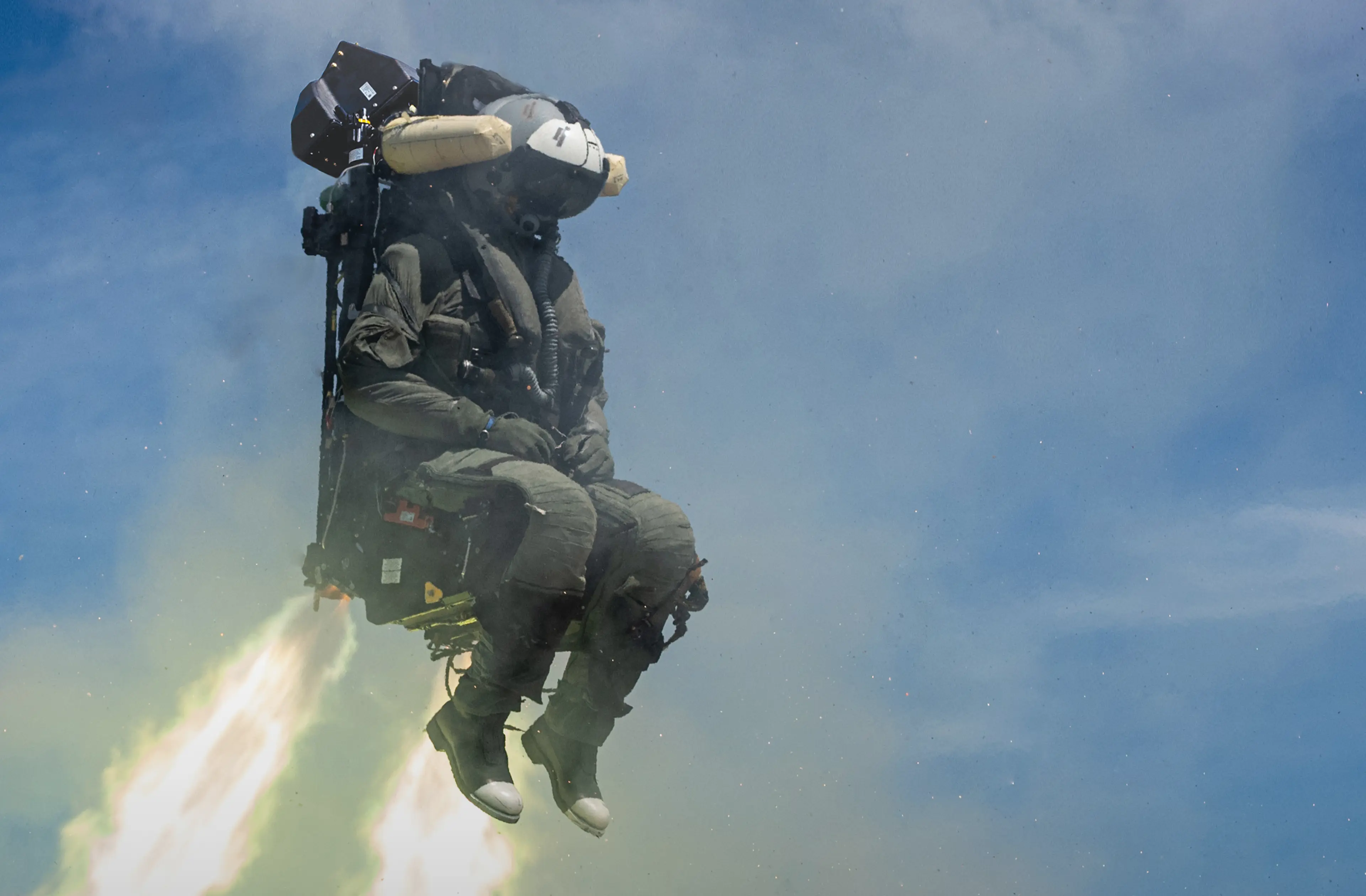
The 20-G Rocket Launch
Pulling the ejection handle ignites a solid-propellant rocket motor located beneath the seat. This violent blast accelerates the pilot upward, subjecting their body to an extreme crushing force of up to 20 Gs for a fraction of a second.
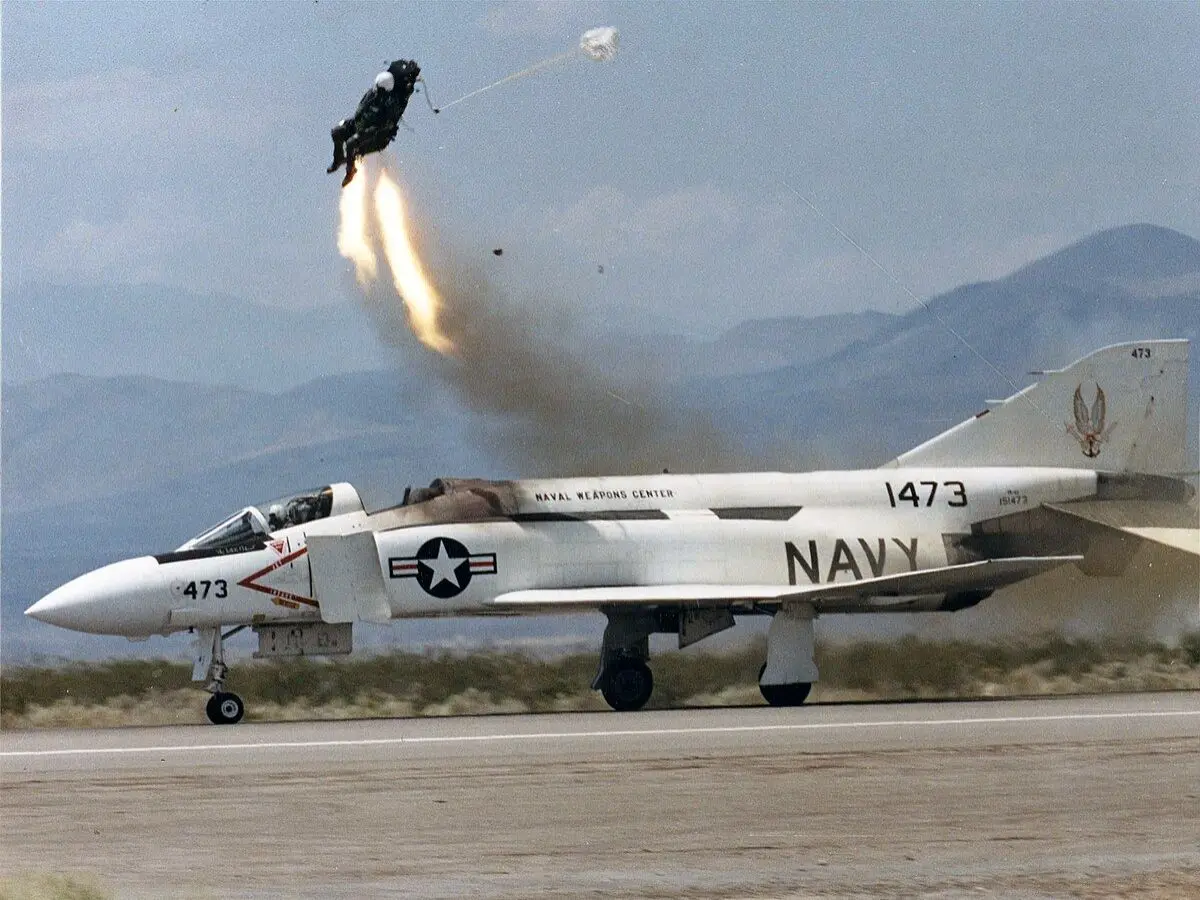
A Concrete Wall of Air
Ejecting at speeds exceeding 600 miles per hour forces the pilot into a devastating wall of kinetic air pressure. To prevent catastrophic limb flailing and joint dislocation, automated tethers instantly snap the aviator’s arms and legs flush against the seat.
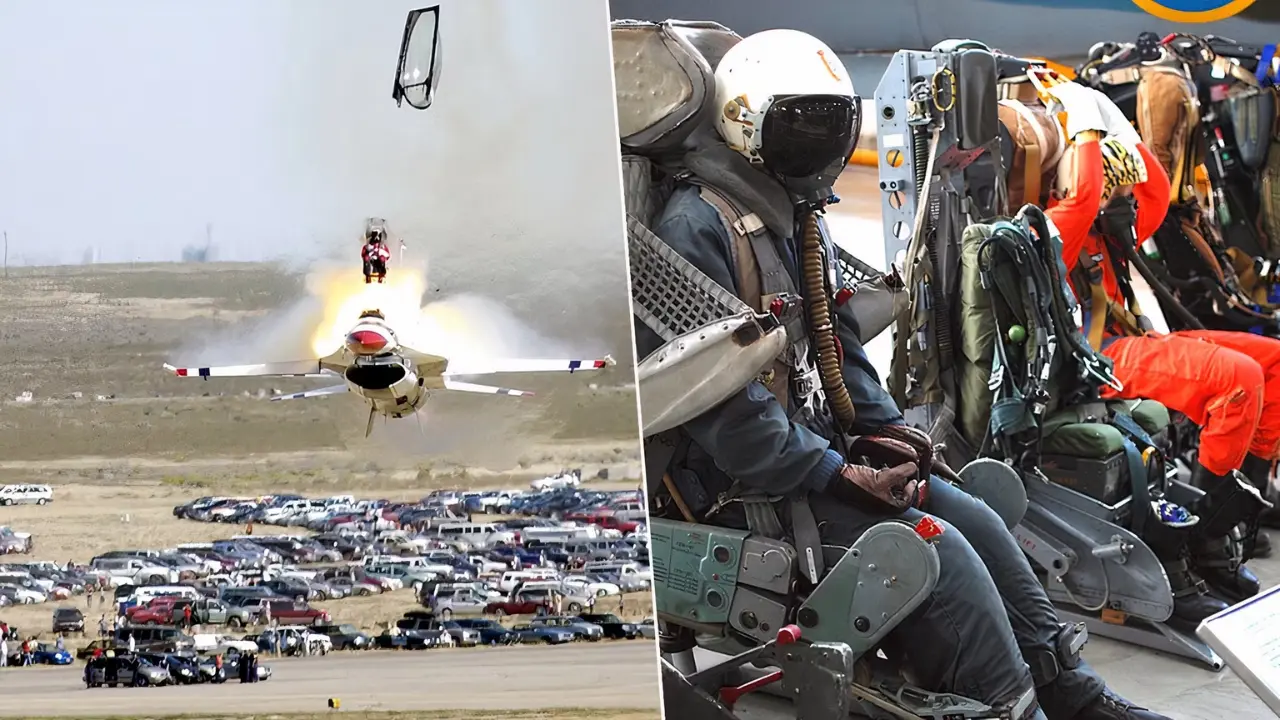
The Threat of Blacking Out
The massive G-forces drain blood from the brain, frequently causing pilots to temporarily lose consciousness. Consequently, modern ejection systems like the Martin-Baker Mk16 are fully automated, executing the entire parachute deployment sequence without requiring any input from the incapacitated aviator.
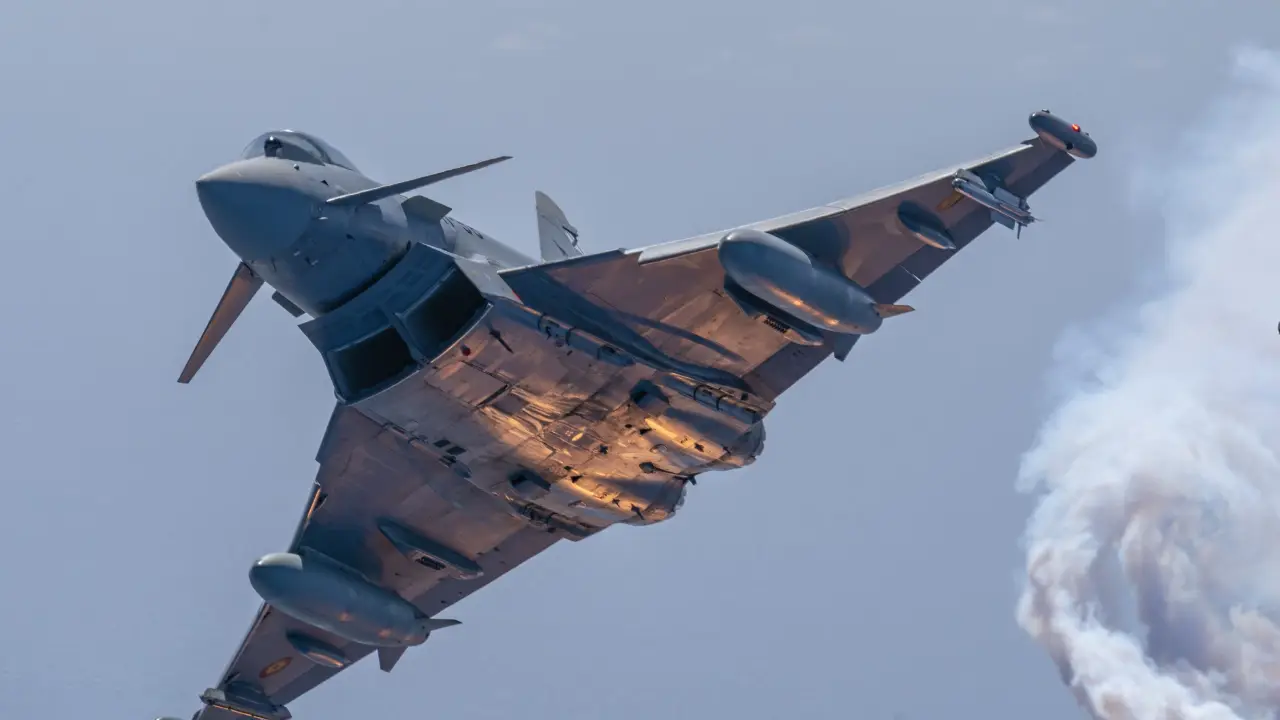
Smart Altitude Sensors
The hardware utilises built-in environmental sensors to continuously calculate dynamic airspeed and altitude. If the ejection occurs in the thin air of the stratosphere, the seat delays main parachute deployment and enters a controlled freefall until reaching a breathable altitude.
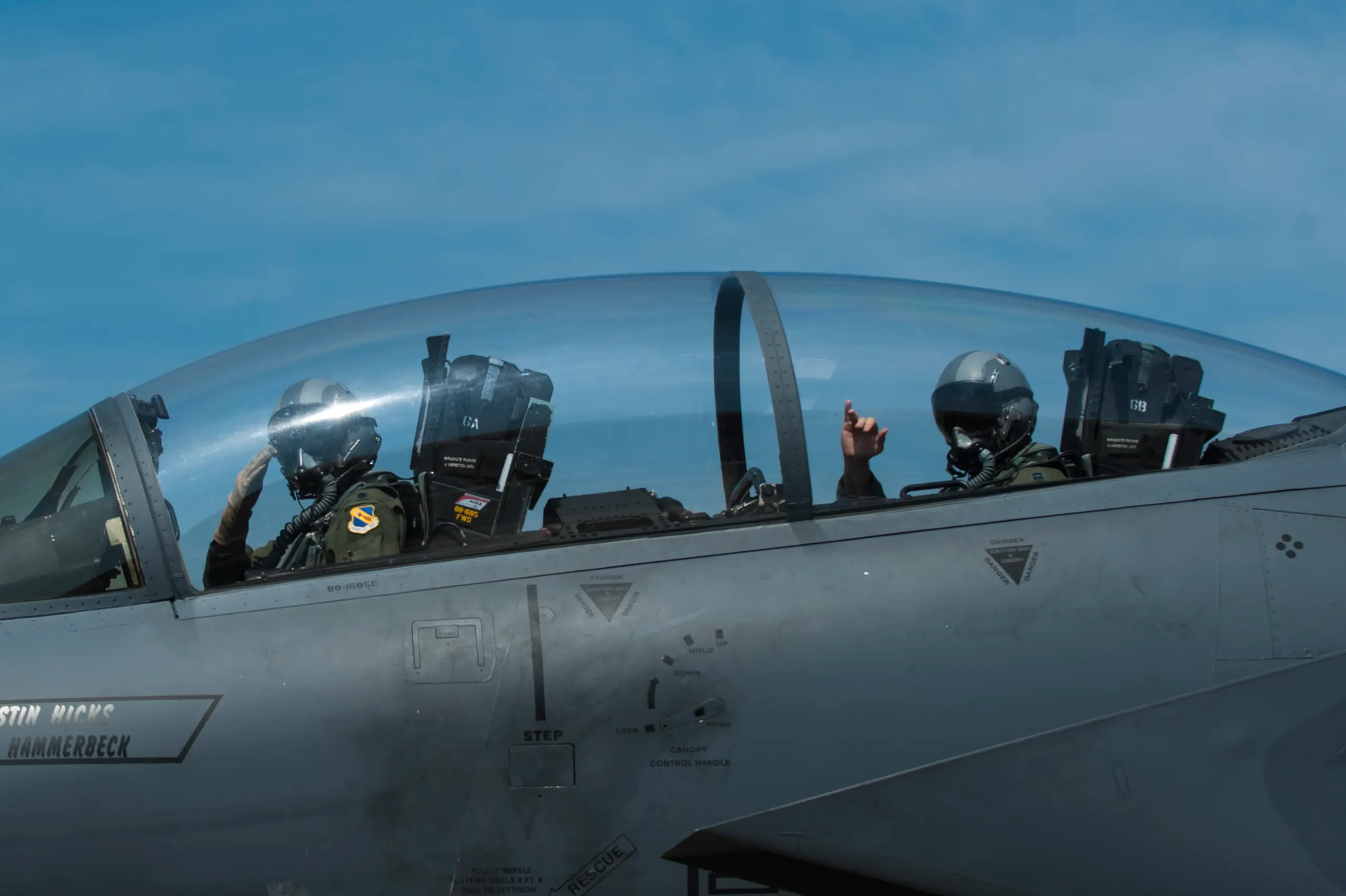
Separation and Stabilisation
A small drogue chute fires first to stop the heavy metal seat from violently tumbling through the sky. Below 10,000 feet, explosive bolts sever the connection to the pilot, actively pushing the 90-kilogramme seat away so the main recovery canopy can inflate safely.
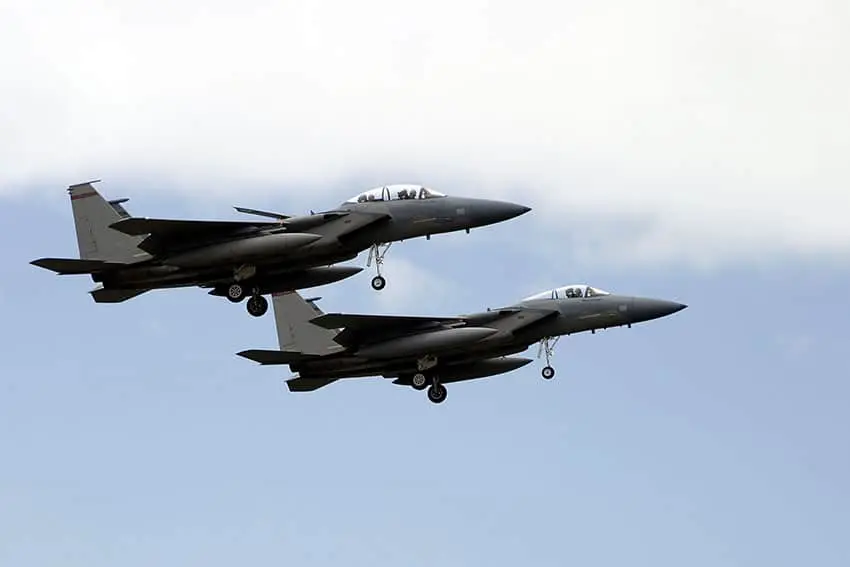
The Automated Rescue Beacon
As the pilot drifts down, a heavy survival kit containing a life raft and medical supplies drops below them on a lanyard to absorb the ground impact force. An integrated locator beacon simultaneously broadcasts encrypted GPS distress signals, triggering an immediate combat search and rescue mission.
)
)
)
)
)