What can go wrong when a fighter jet attempts a high-alpha turn at low altitude?

High-alpha turns at low altitude are extremely dangerous. Aircraft nose points up at extreme angle, reducing lift. Hard turns increase stall speed by 19-41 per cent. Recovery at 200 feet requires lowering nose toward ground. Pilots have only 2-3 seconds to recover.
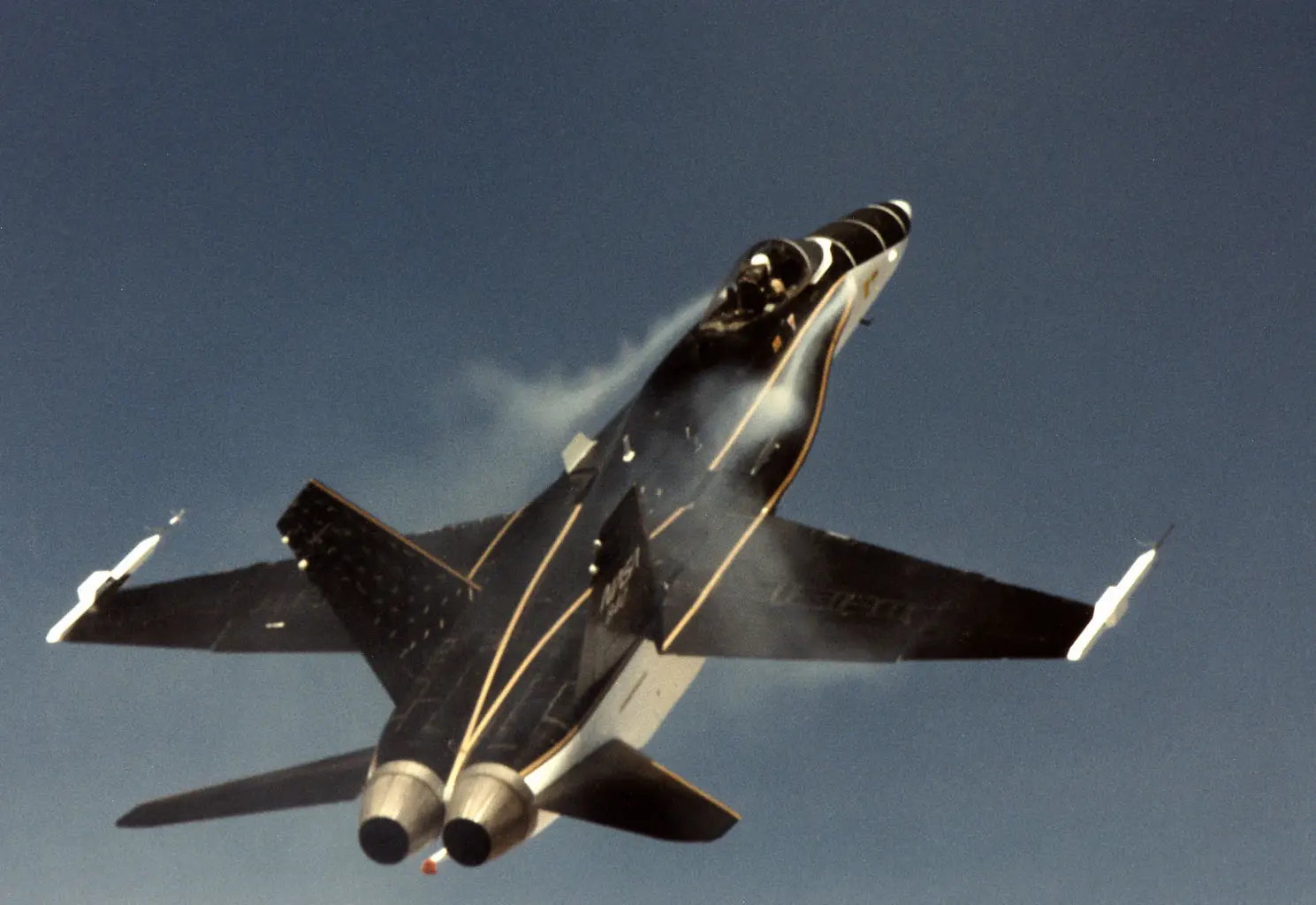
What Is A High-Alpha Turn?
A high-alpha turn is when the aircraft's nose points sharply upward during a turn. Alpha refers to the angle of attack, which is the angle between the wing and the airflow direction. At low altitude during aerobatic display, pilots perform dramatic high-alpha turns. The nose rises steeply. The wings bank hard. The aircraft appears to turn almost on the spot. This manoeuvre looks spectacular but requires extreme skill and altitude. What looks simple from the ground requires precise control. Even small mistakes become catastrophic at 200 feet above ground.
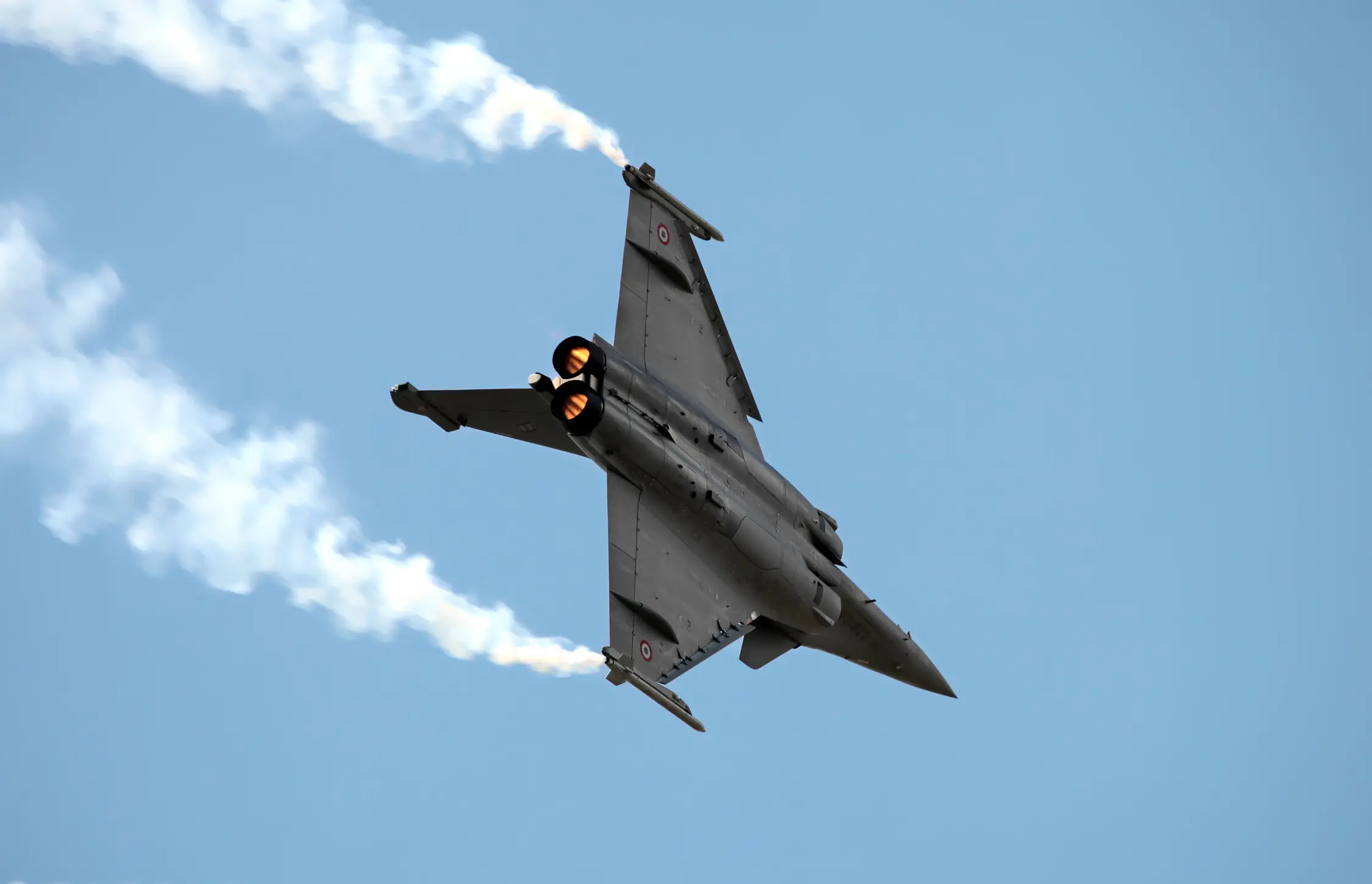
Why High-Alpha Turns Reduce Lift
As the angle of attack increases, the wings produce more lift initially. But beyond a critical angle, the airflow separates from the wing surface. This is called a stall. When stalling happens, lift drops suddenly. The aircraft cannot maintain altitude. With no lift, the aircraft starts descending. The harder the turn at high angle of attack, the worse this problem becomes. At low altitude, descending means heading toward ground. The pilot must recover quickly, which requires lowering the nose. But lowering the nose at low altitude means diving even closer to ground.
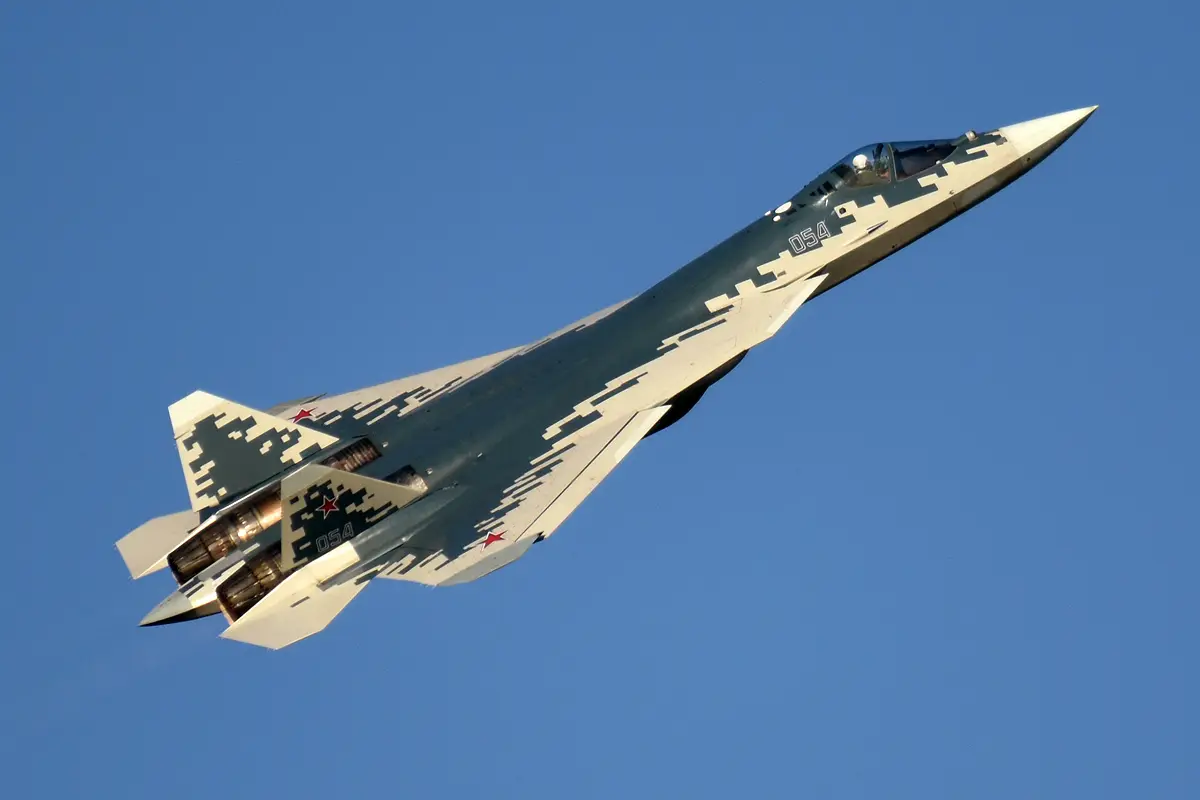
The Turn Rate Increases Stall Speed
During level flight, the aircraft has a certain stall speed. A 45-degree bank turn increases stall speed by 19 percent. A 2-G manoeuvre increases stall speed by 41 percent. This means the aircraft must fly faster to avoid stalling during hard turns. At 200 feet altitude during a demonstration, the aircraft is flying relatively slowly to show agility. Flying slower during a high-angle manoeuvre pushes the aircraft closer to stalling. The pilot walks a razor-thin edge between spectacular manoeuvring and loss of control. One mistake and the aircraft stalls.
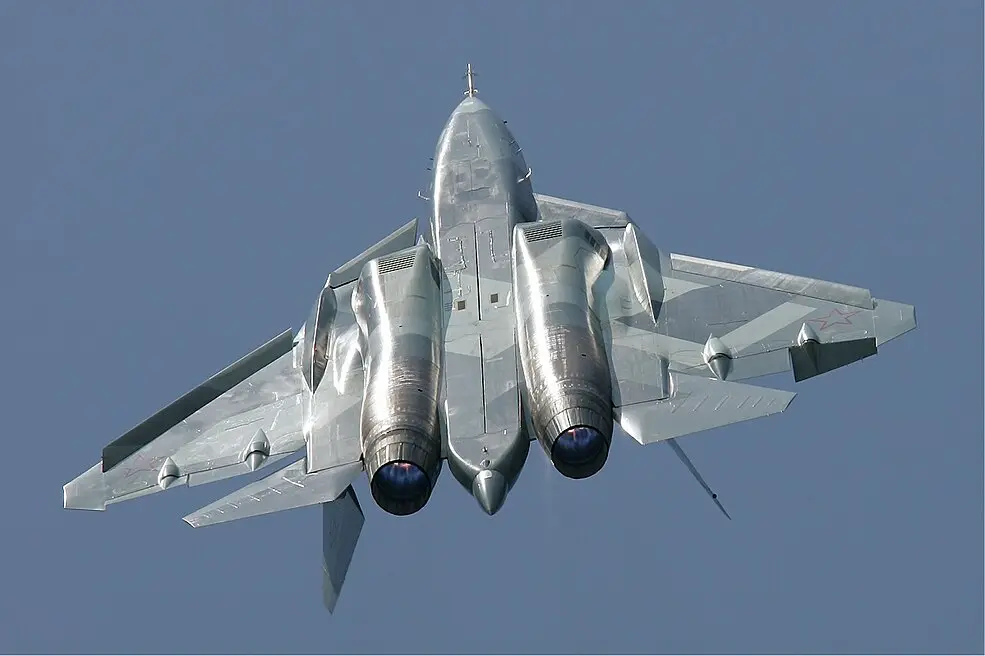
Spatial Disorientation From Negative-G Forces
During a negative-G manoeuvre, the aircraft experiences forces opposite to normal gravity. The pilot feels weightless or experiences blood rushing upward. This can cause temporary confusion about which direction is up. Some pilots experience spatial disorientation where they cannot tell if the aircraft is climbing or diving. At high G-forces, pilots can experience temporary blackouts lasting seconds. During negative-G turns, the pilot is fighting both the aircraft forces and their own body's confusion. This is why these manoeuvres are so dangerous at low altitude. There is no margin for confusion.
The Recovery Window Is Only Seconds
Once a stall happens at 200 feet altitude, recovery must happen immediately. The recovery procedure is simple: lower the nose and add power. Lowering the nose increases airspeed and breaks the stall. But lowering the nose at 200 feet means descending toward the ground at 400 metres per second. The pilot has only 2 to 3 seconds from stall beginning to ground impact. One second to recognise the stall. One second to react. One second to recover. This is why low-altitude high-alpha manoeuvres are considered the most dangerous. The margin for error is zero.
Hot Desert Air Reduces Lift Further
Fighter jets perform at airshows often in hot locations. Hot air is less dense than cool air. At the same altitude, hot air provides less lift than cool air. The wings must work harder to generate the same lift in hot air. During a high-alpha turn in hot desert conditions, the aircraft is closer to stalling. The already thin margin between controlled flight and stall becomes even thinner. At Dubai where airshows occur, temperatures exceed 45 degrees Celsius. The hot desert air significantly reduces aircraft lift production.
Safety Systems And Future Protection
Modern fighter jets like Tejas have quadruplex fly-by-wire systems that prevent dangerous departures from controlled flight. These systems monitor angle of attack constantly. If the pilot tries to push beyond safe limits, the computer prevents it. The computer can refuse certain pilot inputs that would cause loss of control. This protection works at altitude. At low altitude during demonstrations, the computers sometimes allow aggressive manoeuvres for display purposes. Pilots disable some protections for aerobatic flight. Future systems may maintain full protection even during displays, potentially limiting spectacular manoeuvres but improving safety.
)
)
)
)
)