What Cambodia can learn from a country that fought and won without fighter jets

Yet history offers an unexpected lesson: a small nation that resisted and, in its way, forced the enemy to withdrew forces, all without owning fighter jets.
A modern backdrop of air power imbalance
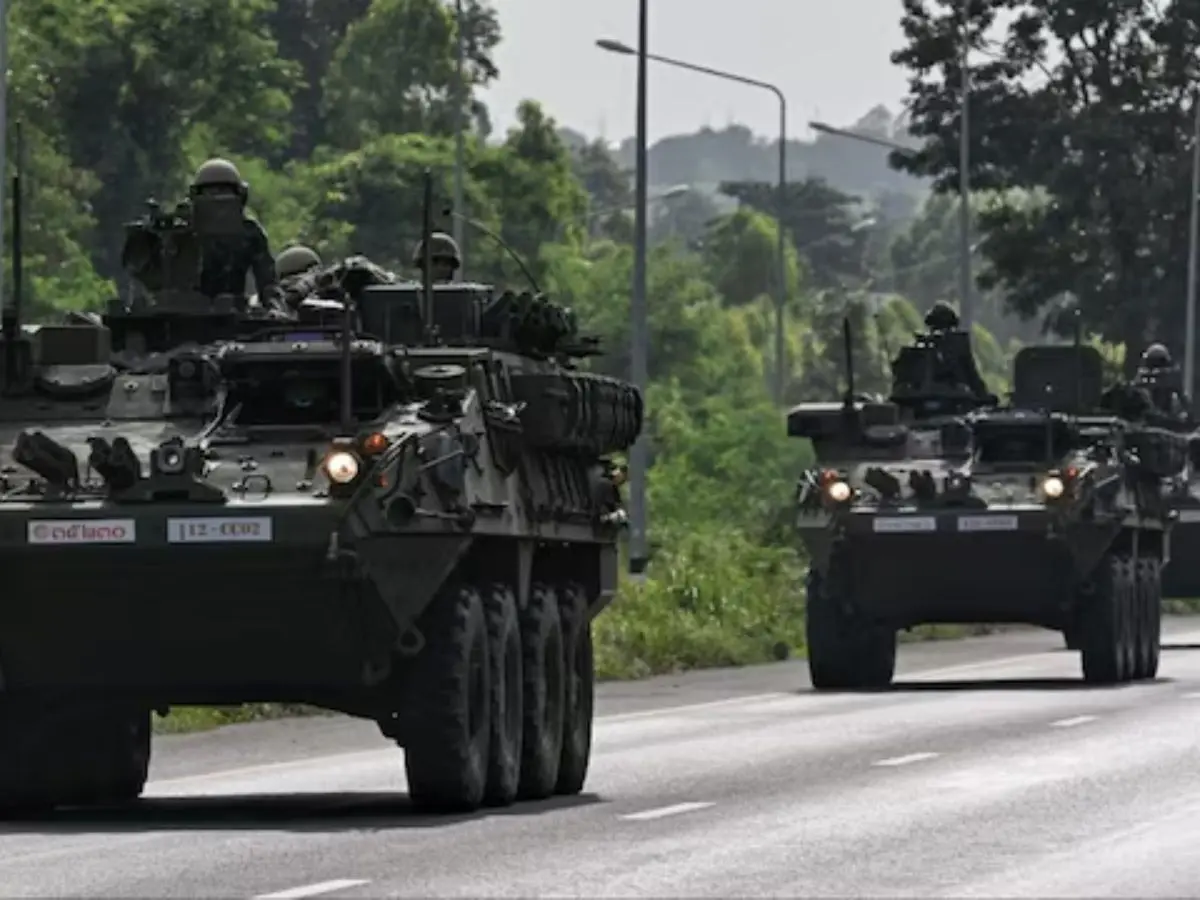
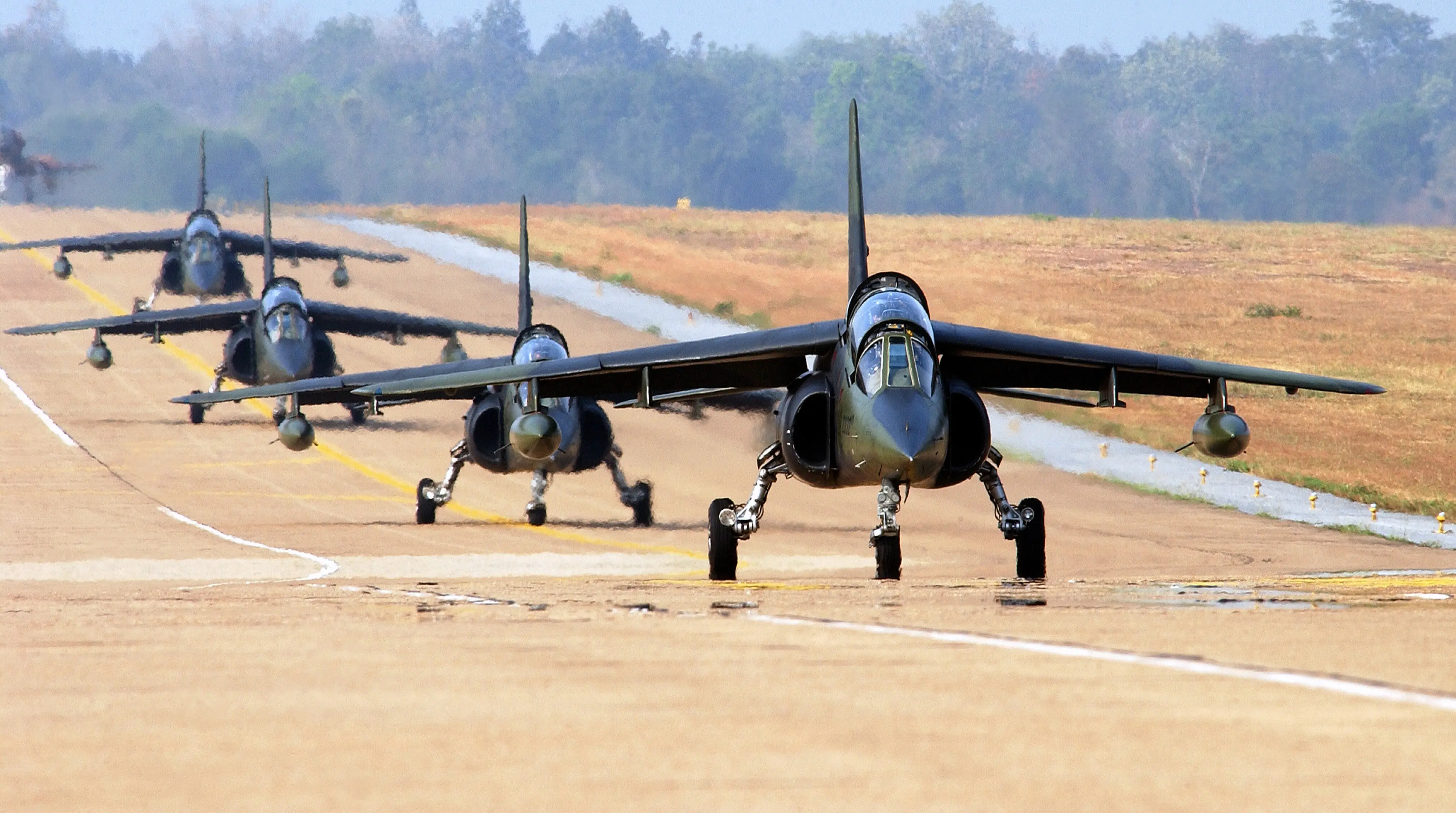
Recent border tensions where Thailand’s F‑16s flew unchallenged against Cambodia have laid bare Asia’s widening air superiority gap. While Thailand maintains a modest fleet, Cambodia remains one of the few countries in the region without a single operational fighter jet. In a landscape dominated by giants like China and India modernising their fleets, Cambodia’s position seems precarious. Yet history offers an unexpected lesson: a small nation that resisted and, in its way, forced the enemy to withdrew forces, all without owning fighter jets. North Vietnam’s defiance against overwhelming American air power during the Vietnam War remains a powerful testament to strategic ingenuity, resilience, and unconventional tactics.
The shadow of American air supremacy
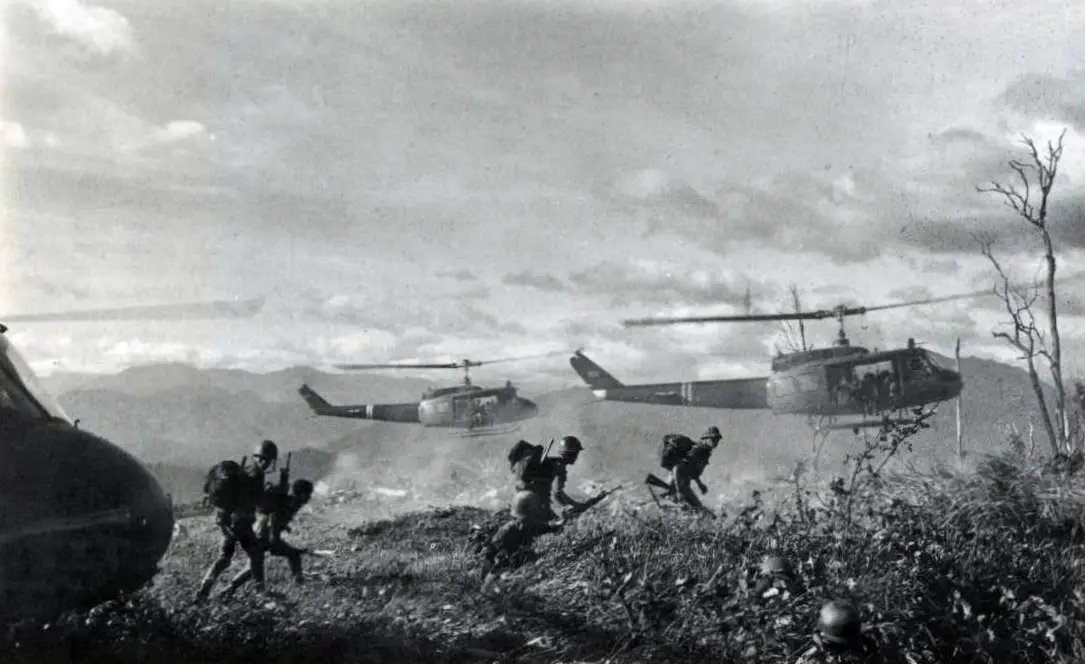
During the Vietnam War, the United States unleashed one of history’s most intense bombing campaigns. From 1965 to 1973, Operation Rolling Thunder and later raids saw vast numbers of B‑52 bombers and fighter jets targeting North Vietnamese supply routes, cities, and suspected guerrilla positions. American air superiority was overwhelming on paper, with thousands of aircraft flying sorties over Vietnam.
Guerrilla warfare and asymmetric strategy
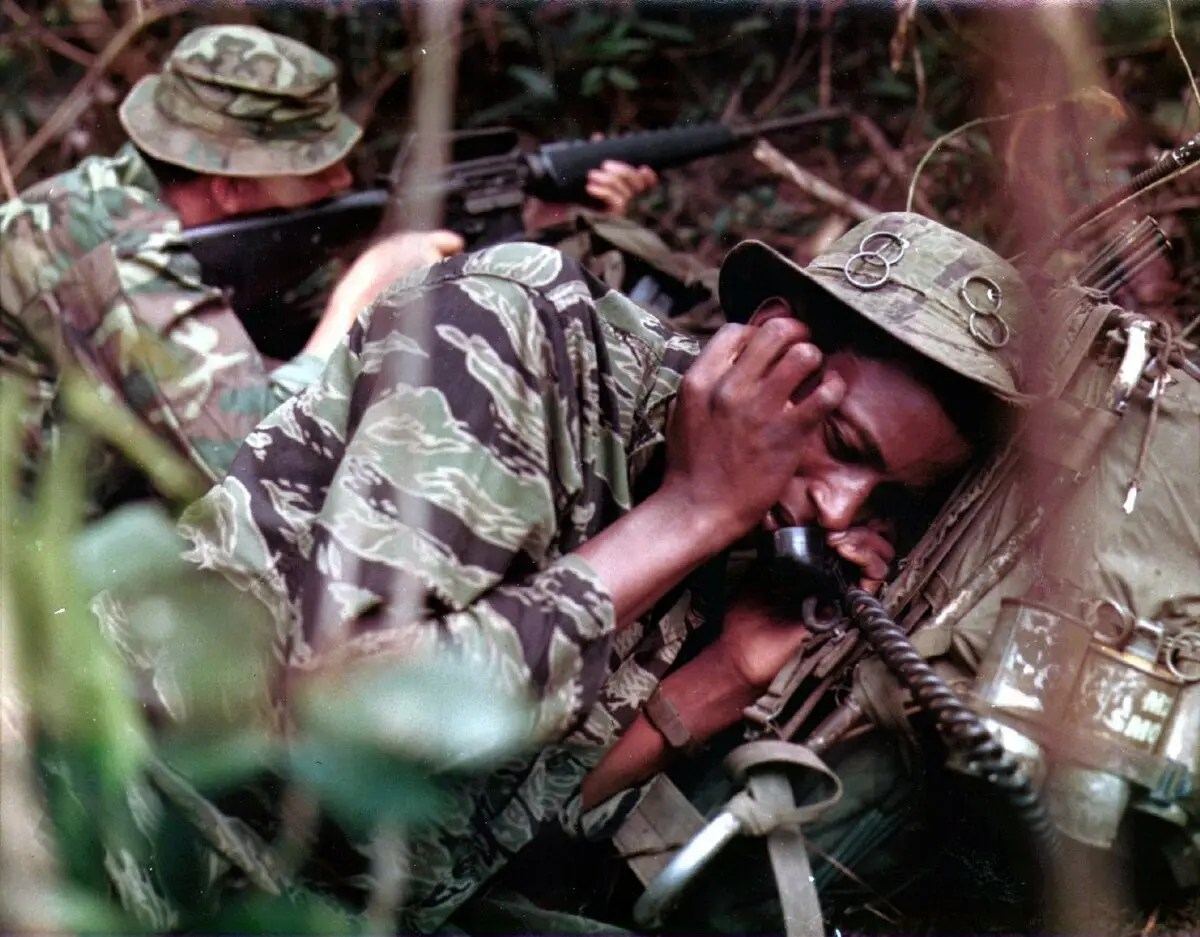
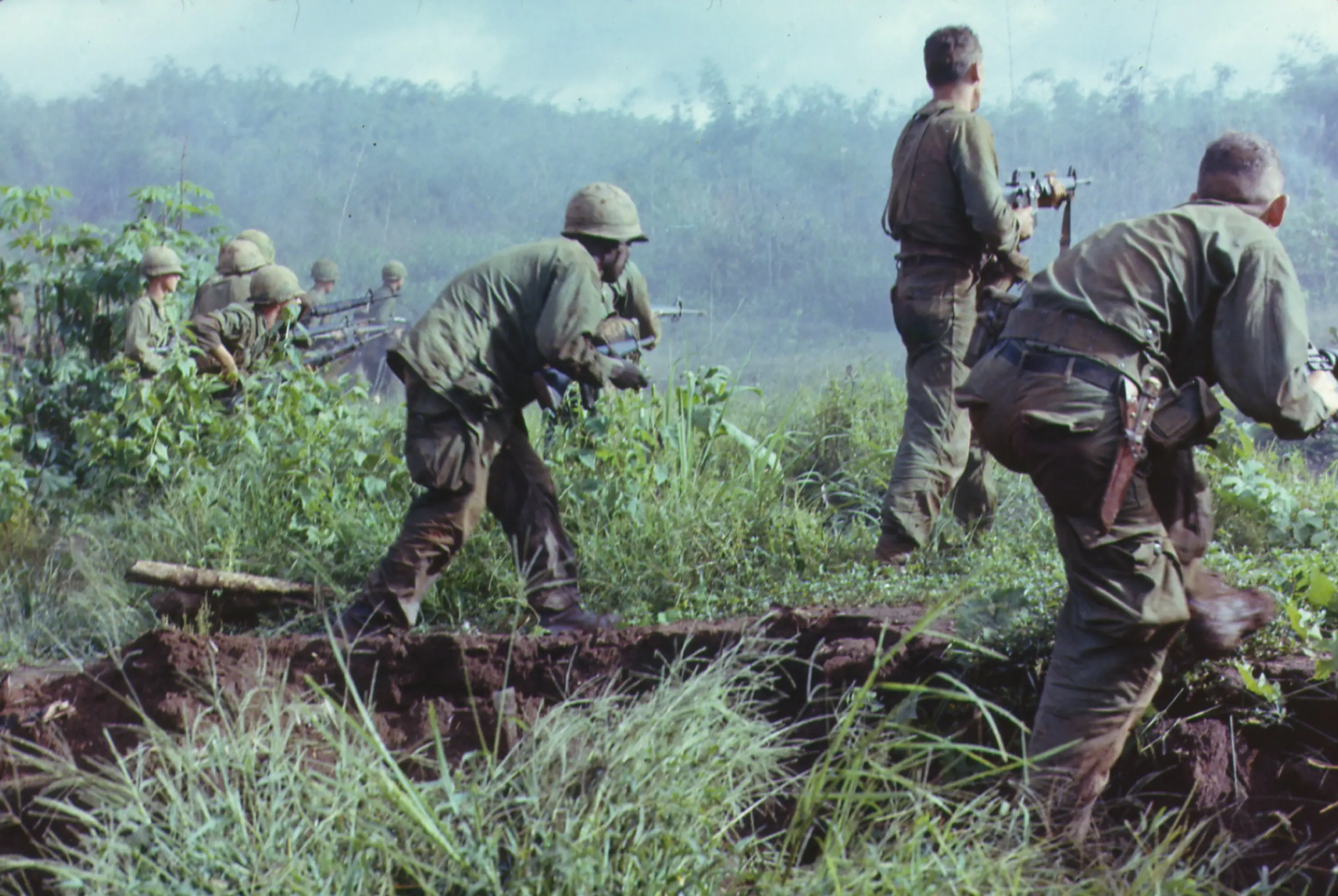
Yet North Vietnam and the Viet Cong ultimately forced a US withdrawal, not by matching America plane for plane, but through guerrilla warfare, vast tunnel systems, and agile ground units. Despite heavy military and financial backing for South Vietnam, the US pulled out its troops in 1973 under the Paris Peace Accords. This retreat was driven by high casualties, mounting domestic opposition, spiralling costs, and stalled progress on the battlefield. Rather than invest in costly air fleets, the North Vietnamese exploited their terrain, local support, and the power to strike when least expected.
Cambodia’s current vulnerability
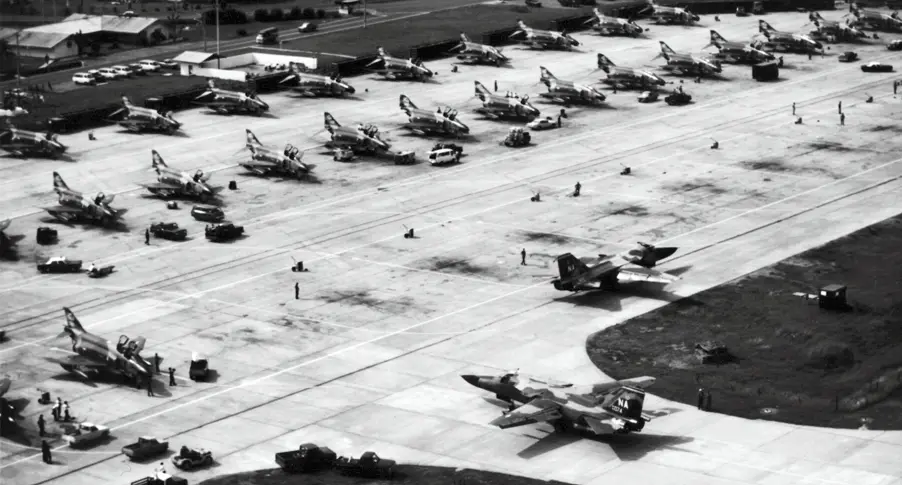
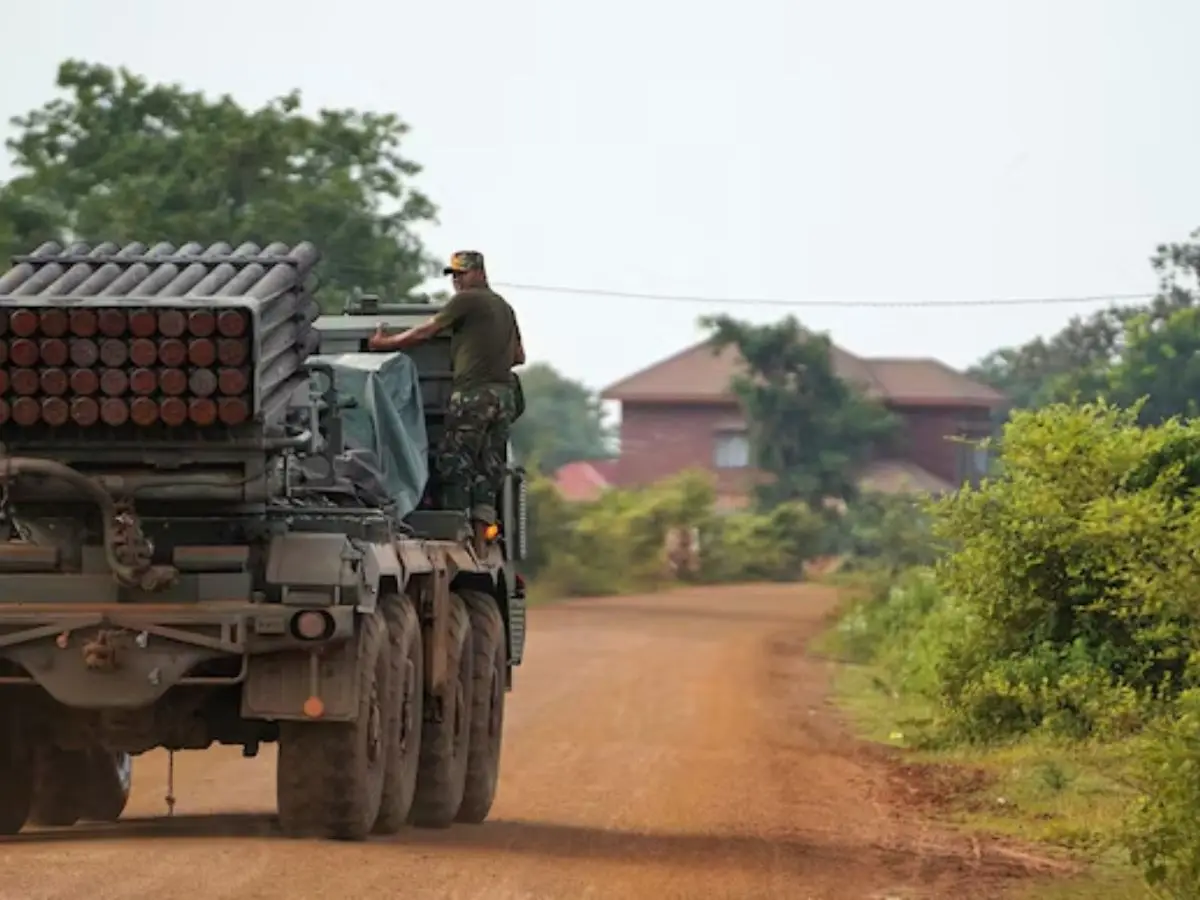
Today, Cambodia faces its own asymmetry: no fighter jets against Thailand’s established air force. Its air force is limited to transport planes and helicopters, with roughly 1,500 personnel. It has 10 transport planes and 10 helicopters and the most notable aircraft in its fleet include 16 multi-role helicopters, with six Soviet-era Mi-17s and 10 Chinese Z-9s. Recent border clashes have highlighted this gap, and in a region where China’s arsenal and India’s modernisation shape strategic calculations, Cambodia risks being left behind. Yet history shows that military strength is not only measured in aircraft numbers.
The power of adaptation
Vietnam’s victory illustrates that a smaller nation can blunt a stronger power’s advantage by refusing to fight on its terms. For Cambodia, this might mean investing in modern ground‑based air defences, mobility, and resilience, rather than pursuing an expensive air force it cannot afford.
Limits and lessons
Of course, guerrilla tactics came at immense human cost in Vietnam, and Cambodia’s context differs today. But the principle remains: offsetting a lack of fighter jets through unconventional strategy and national resilience.
Beyond fighter jet counts
Cambodia may never match Thailand or regional powers plane for plane. Yet, as Vietnam’s history shows, it is not always the side with the most aircraft that shapes the outcome, but the side that adapts its strategy to the reality on the ground and refuses to fight by the enemy’s rules.
)
)
)
)
)