What are the key differences between high-altitude drones vs low-altitude drones

High-altitude drones (HALE) operate above 60,000 ft for strategic surveillance, acting as "pseudo-satellites" with endurance measured in days or weeks. In contrast, low-altitude drones fly "nap-of-the-earth" for tactical support, are relatively cheap and expendable.
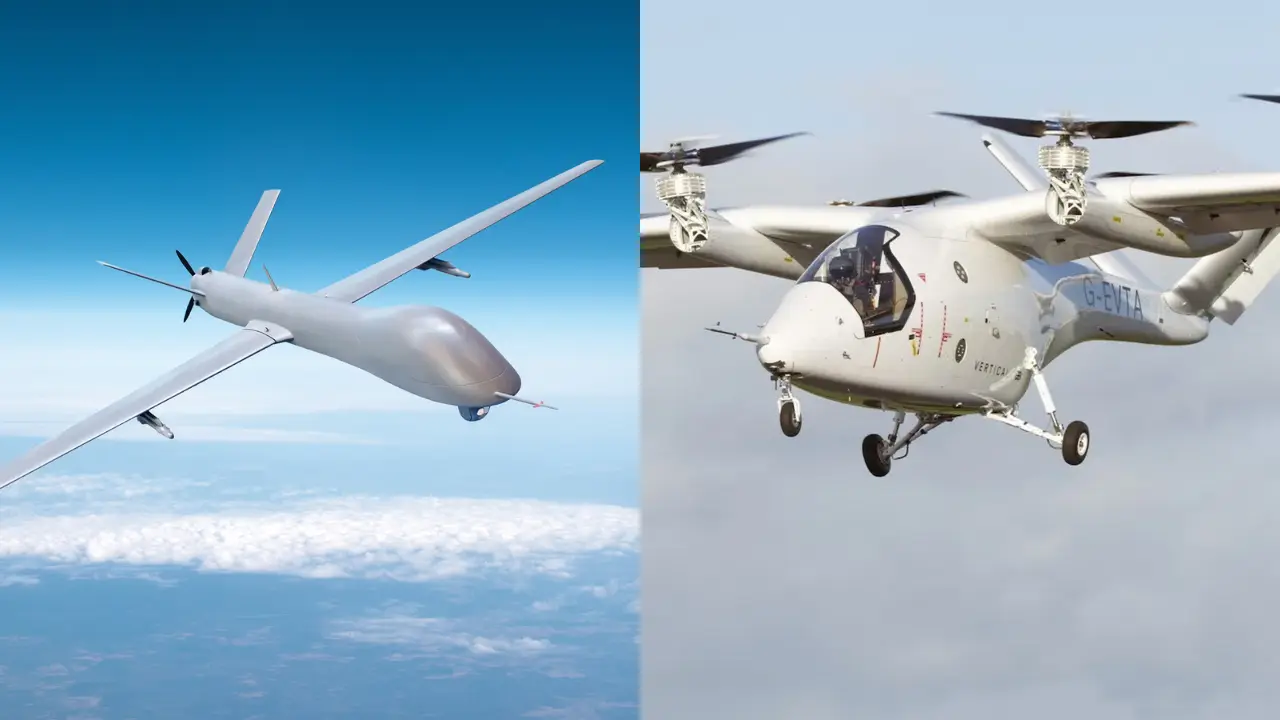
The Altitude Divide Stratosphere vs Treetops
High-altitude drones (HALE) like the Global Hawk fly above 60,000 ft, well above commercial traffic. NASA defines this airspace as the domain of strategic assets, while low-altitude drones operate "nap-of-the-earth," often below 3,000 ft to support ground troops.
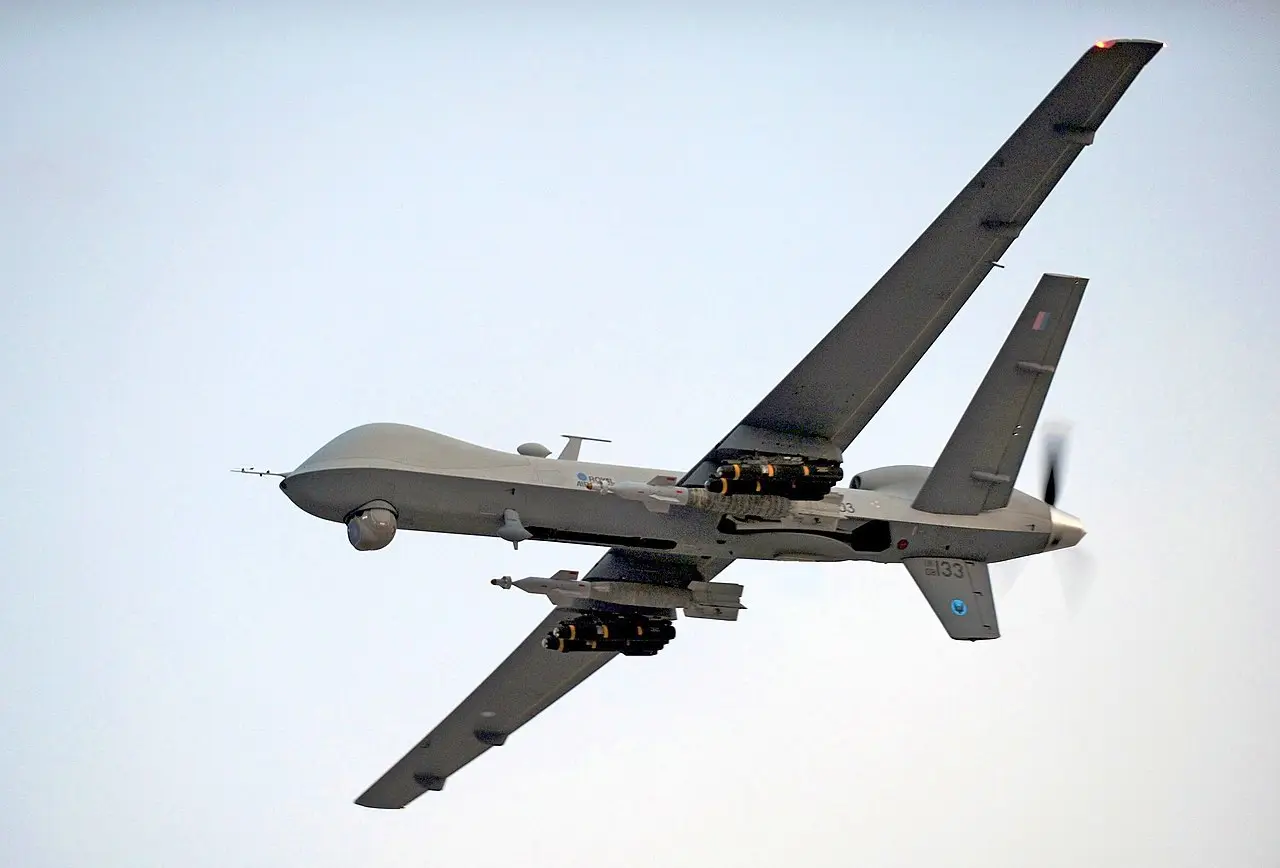
Mission Profile Strategic Spies vs Tactical Scouts
High-altitude systems cover vast areas for theatre-wide intelligence, acting as "eyes in the sky" for generals. The US Air Force notes that low-altitude drones differ by providing immediate, local battlefield views for squad-level tactical decisions.
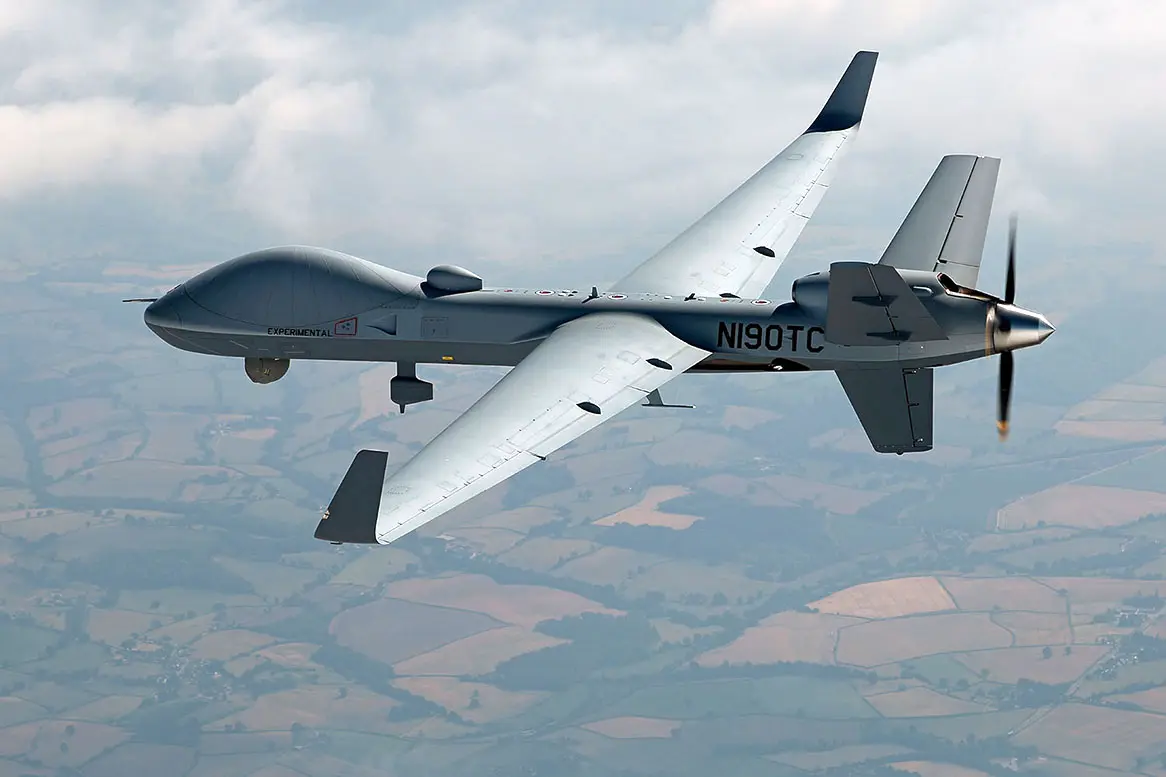
Endurance Capabilities Days vs Minutes
HALE drones are designed for persistence; solar variants like Airbus’ Zephyr can fly for weeks at a time. In contrast, Defense News reports that low-altitude tactical drones typically have limited battery lives, measured in minutes or a few hours.
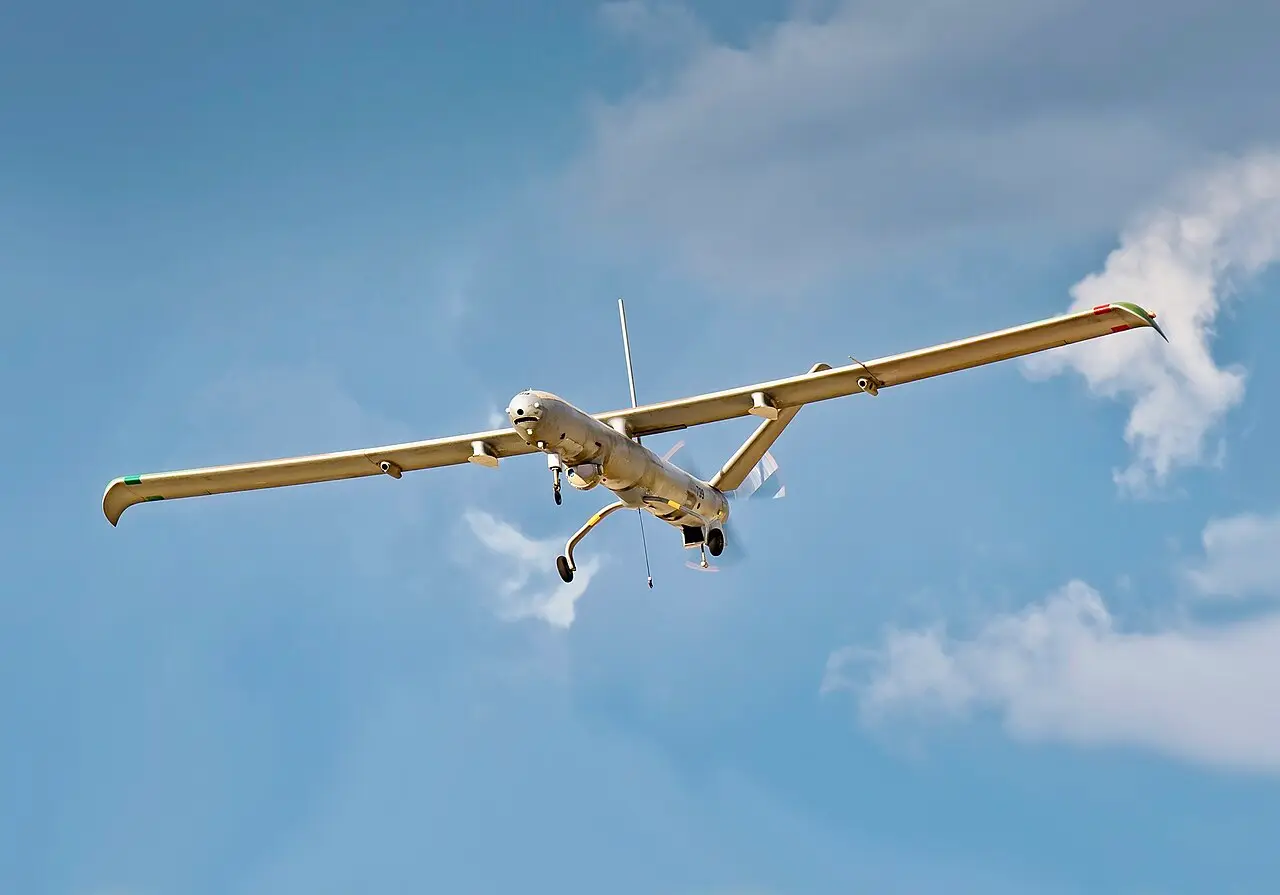
Cost and Value Millions vs Expendable
A single Global Hawk costs over $100 million, making it a precious strategic asset protected at all costs. AeroVironment highlights that low-altitude systems like the Switchblade are relatively cheap and "expendable," designed to be lost in combat if necessary.
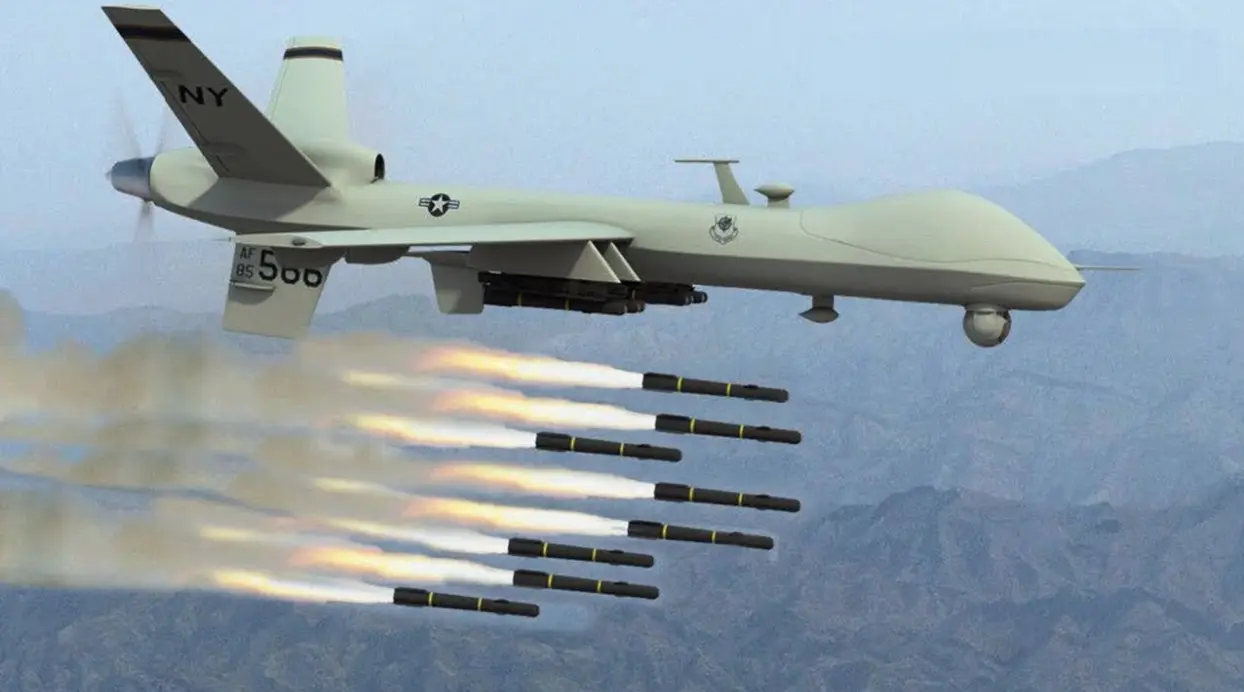
Vulnerability Factors Missiles vs Small Arms
High flyers are immune to guns but vulnerable to advanced surface-to-air missiles (SAMs). The Royal United Services Institute (RUSI) explains that low-altitude drones face threats from small arms but use "ground clutter" to hide from long-range radar.
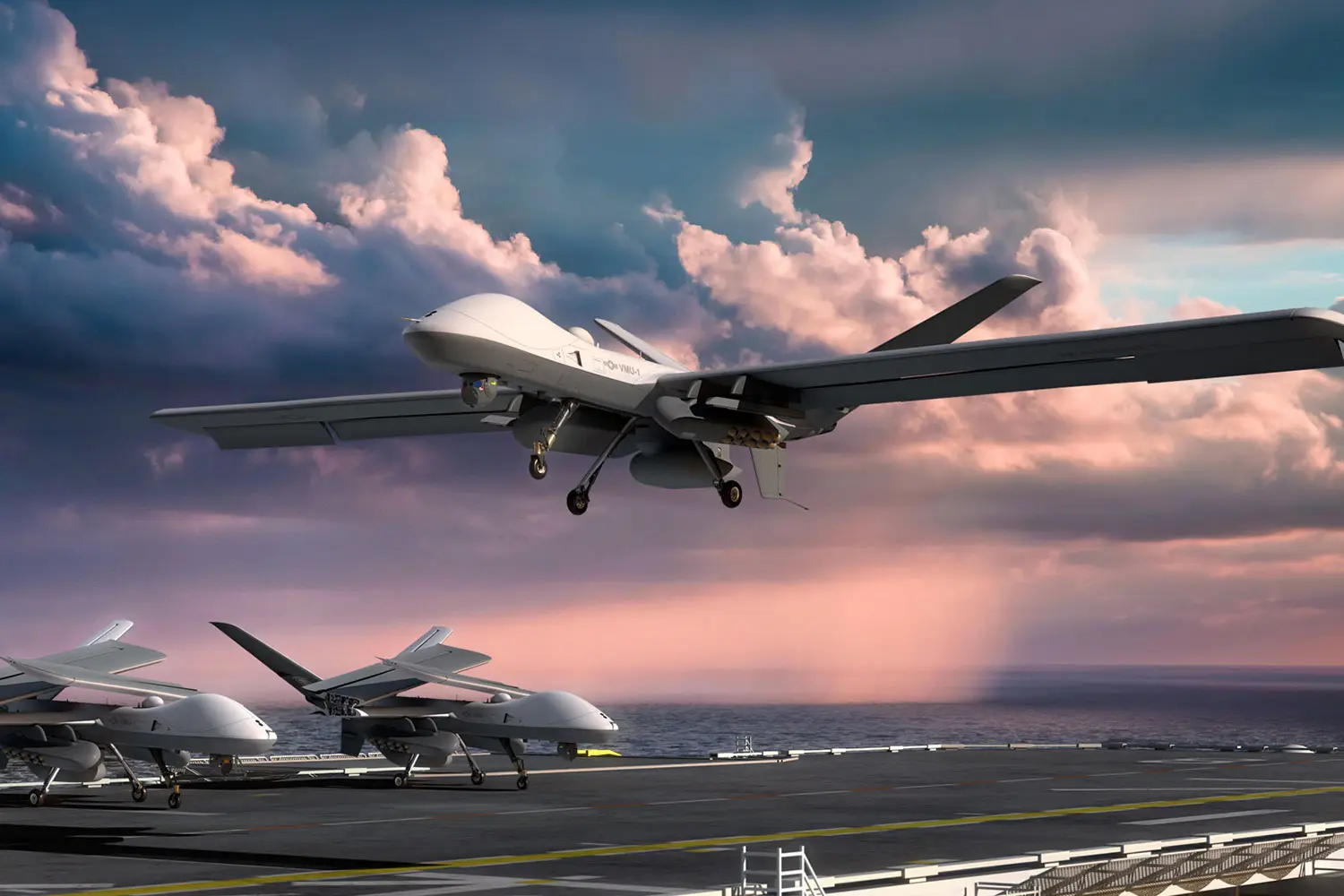
Payload Differences Heavy Suites vs Single Sensors
High-altitude platforms carry massive, multi-spectral sensor suites weighing thousands of pounds for deep reconnaissance. Janes reports that low-altitude drones are limited to light payloads, often carrying just a single camera or a small explosive warhead.
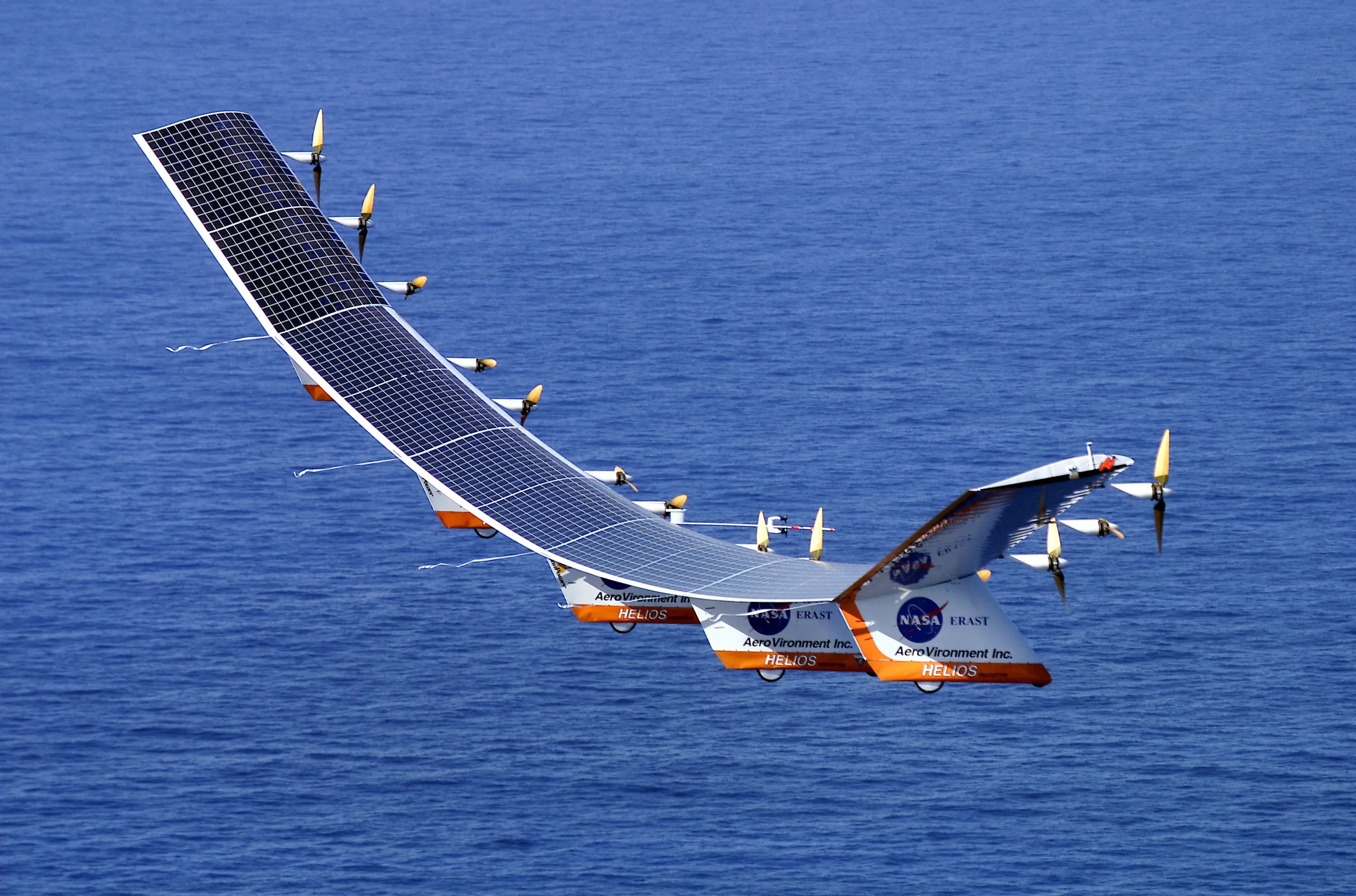
The 'Pseudo-Satellite' Role Replacing Space Assets
High-altitude drones often act as "pseudo-satellites" to relay communications over a wide area. The European Space Agency notes they offer satellite-like coverage and connectivity without the immense cost and scheduling of a rocket launch.
)
)
)
)
)