What are tariffs and why are they called a financial weapon?

Tariffs are increasingly used as a tool of leverage in trade negotiations. Countries may impose or threaten tariffs to extract concessions in trade talks, as seen during the US–China trade war or the US–India tariff disputes under the Trump administration.
A Financial Weapon
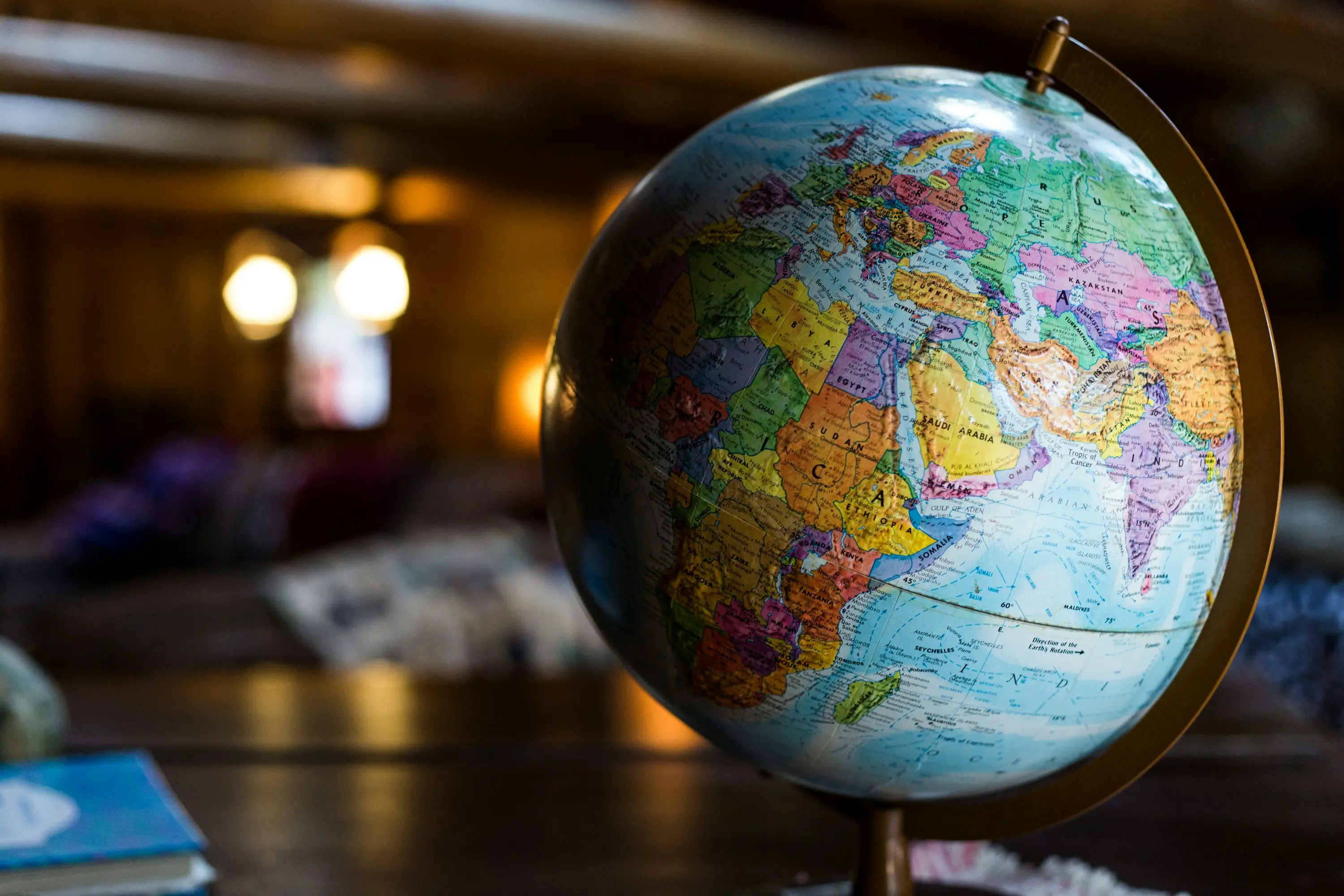
Tariffs are a fundamental tool in global trade policy. They are primarily used to generate revenue and protect domestic industries, but in recent years, tariffs have also been used as instruments of strategic pressure. This has led many analysts to refer to tariffs as a "financial weapon". Here is a breakdown of what tariffs are and why they are seen as a powerful tool in economic diplomacy.
What Are Tariffs?
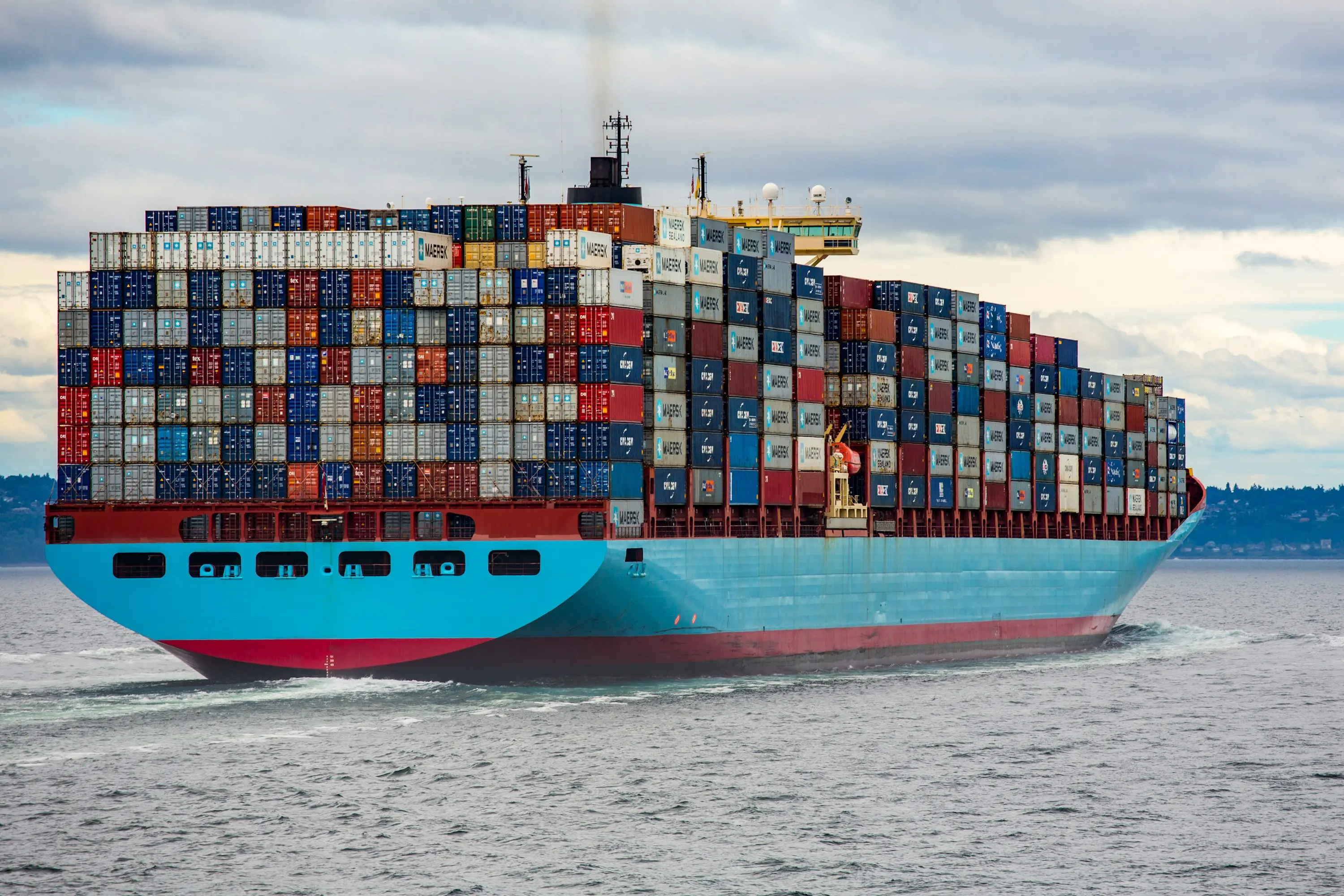
Tariffs are taxes imposed by a government on imported goods. They are usually calculated as a percentage of the value of the goods being brought into a country. Tariffs make imported products more expensive, thereby encouraging consumers to buy domestic alternatives.
Types of Tariffs
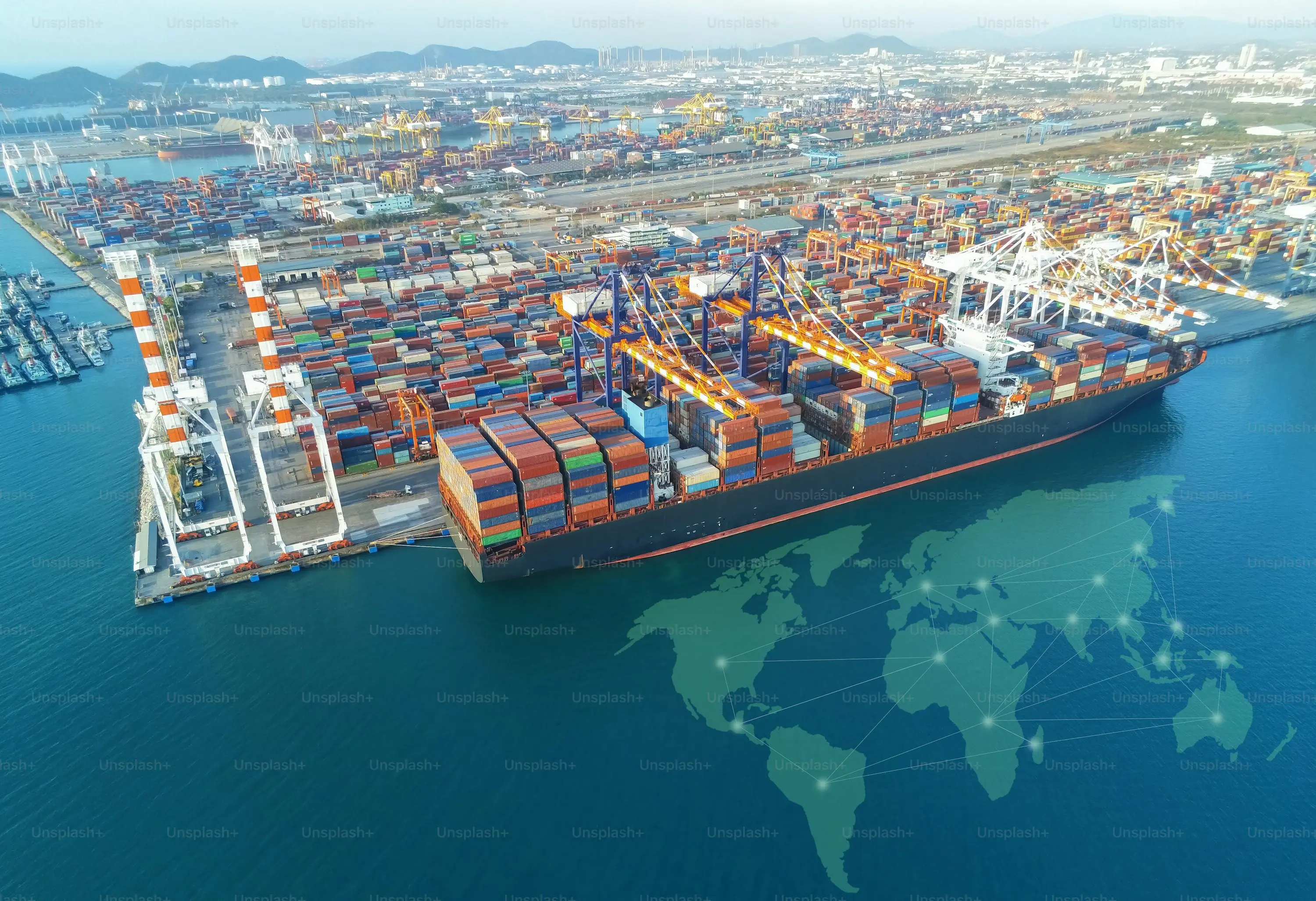
Tariffs can be broadly categorised into ad valorem and specific tariffs. Ad valorem tariffs are based on a percentage of the product’s value, while specific tariffs are fixed amounts per unit (e.g., Rs 10 per kilogram). Countries may also apply tariff-rate quotas, where lower duties apply up to a certain volume of imports.
Why Governments Use Tariffs
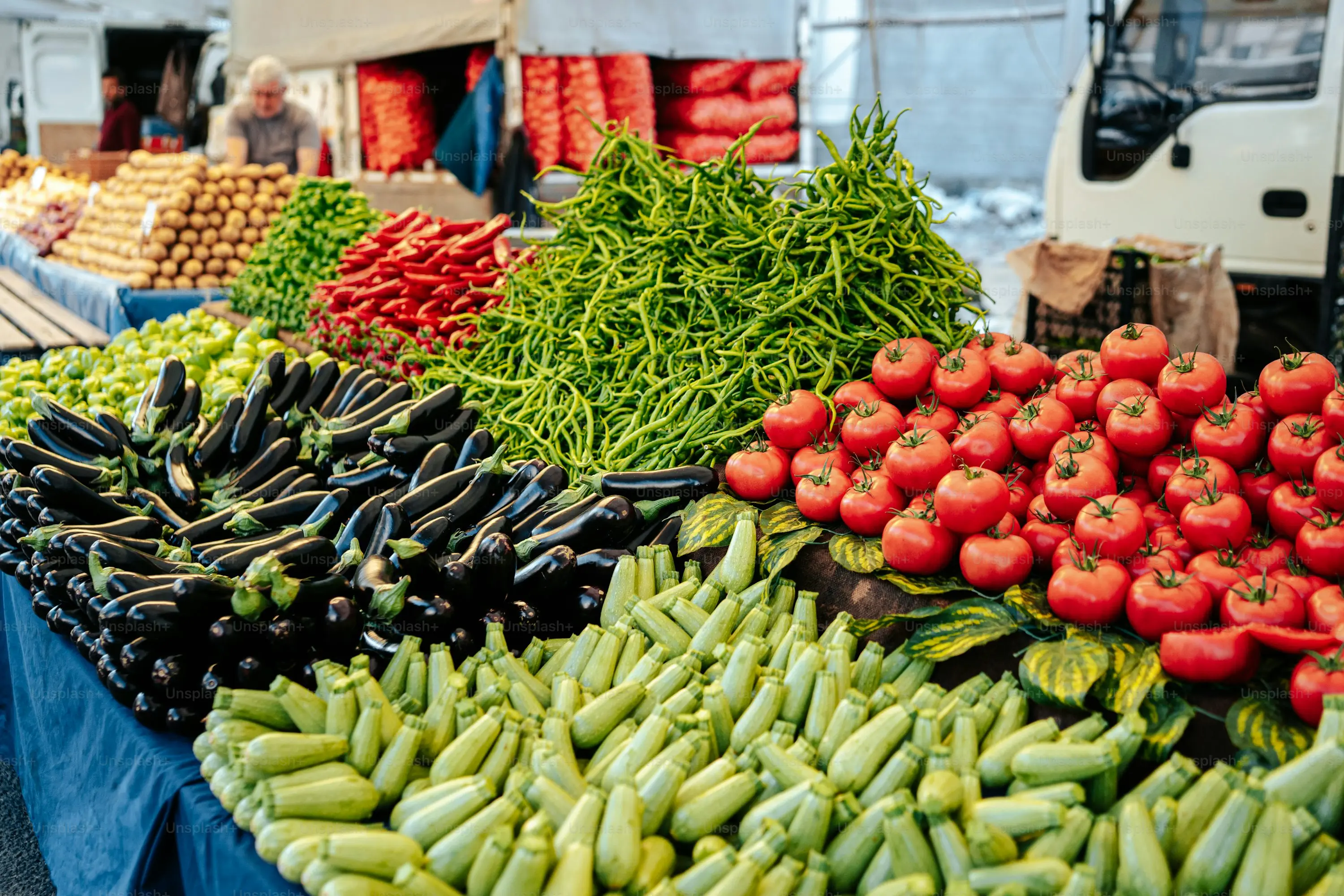
Tariffs serve multiple purposes, including protecting domestic industries and generating revenue. They can shield emerging sectors from foreign competition, help reduce trade deficits, or act as a source of income for governments, especially in developing countries with limited tax bases.
Tariffs as a Policy Tool in Trade Disputes
Tariffs are increasingly used as a tool of leverage in trade negotiations. Countries may impose or threaten tariffs to extract concessions in trade talks, as seen during the US–China trade war or the US–India tariff disputes under the Trump administration.
Impact on the Target Country
High tariffs can damage exporters in the country facing the duty. By reducing demand for foreign goods, tariffs can hurt manufacturers and workers in exporting countries, thereby exerting economic pressure without military or diplomatic action.
Domestic Costs and Inflation Risks
While tariffs can protect domestic producers, they often raise prices for consumers. Higher import duties increase the cost of inputs and finished goods, contributing to inflation and limiting purchasing power. This trade-off is central to debates around tariff policy.

Why Tariffs Are Called a Financial Weapon
Tariffs can be used strategically to influence the economic behaviour of other nations. They can affect trade balances, disrupt supply chains, and apply financial pressure without resorting to sanctions or direct conflict. This makes them a preferred tool in economic statecraft and trade diplomacy.
)
)
)
)
)