What are 'critical minerals' & why every country is racing for them

Critical minerals are essential to clean energy, electronics, defence, and heavy industries. Ever since Trump came into power, the discussion related to it has increased after he made access to these minerals a priority. Let's try to understand why these minerals are currently in demand.
What are critical minerals?
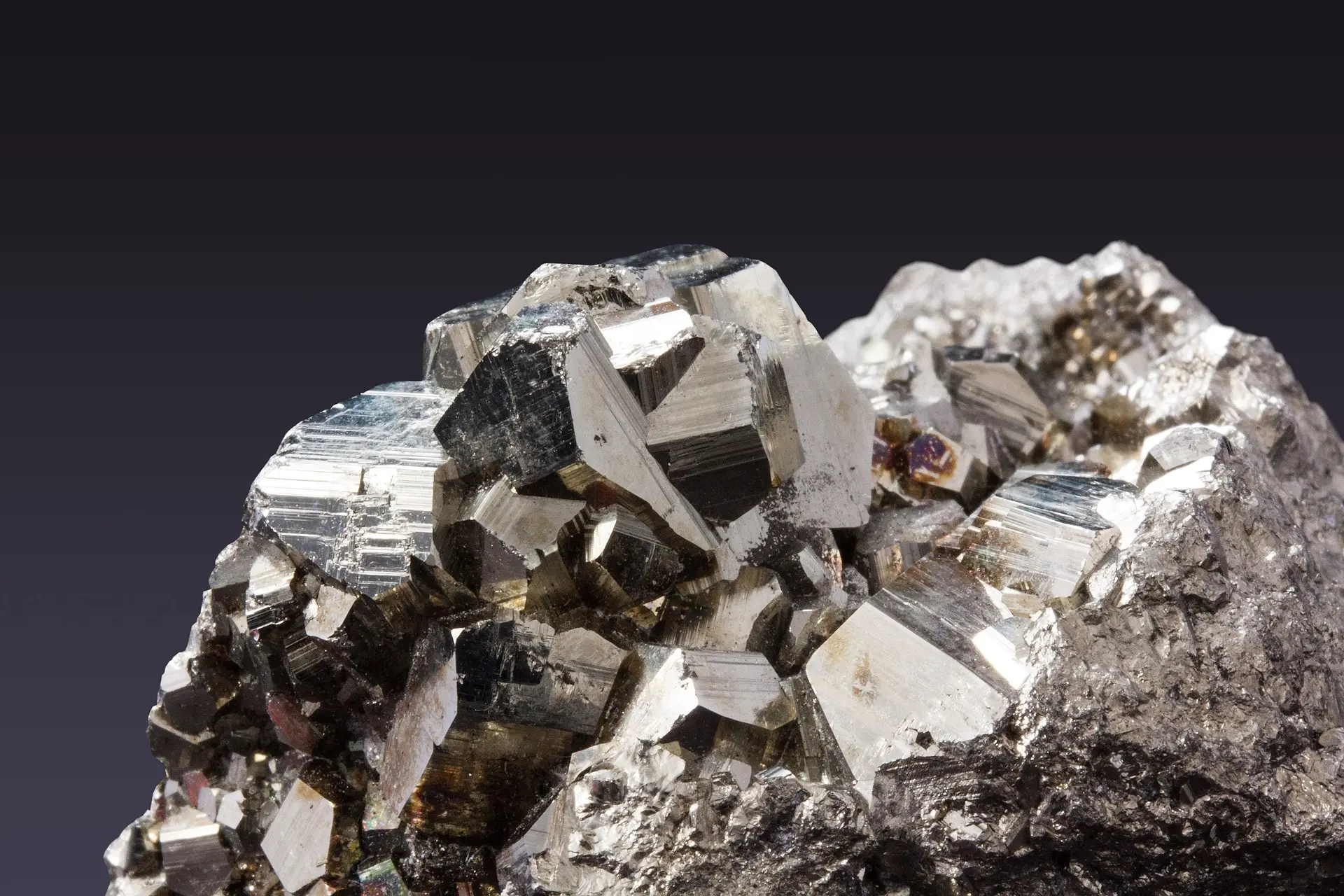
Critical minerals are natural resources, such as lithium, cobalt, graphite, and rare earth elements, that are essential for modern technology, economic development, and national security. They are critical because they are vital for clean energy technologies (EVs, wind turbines) and high-tech defence applications.
Minerals and Uses
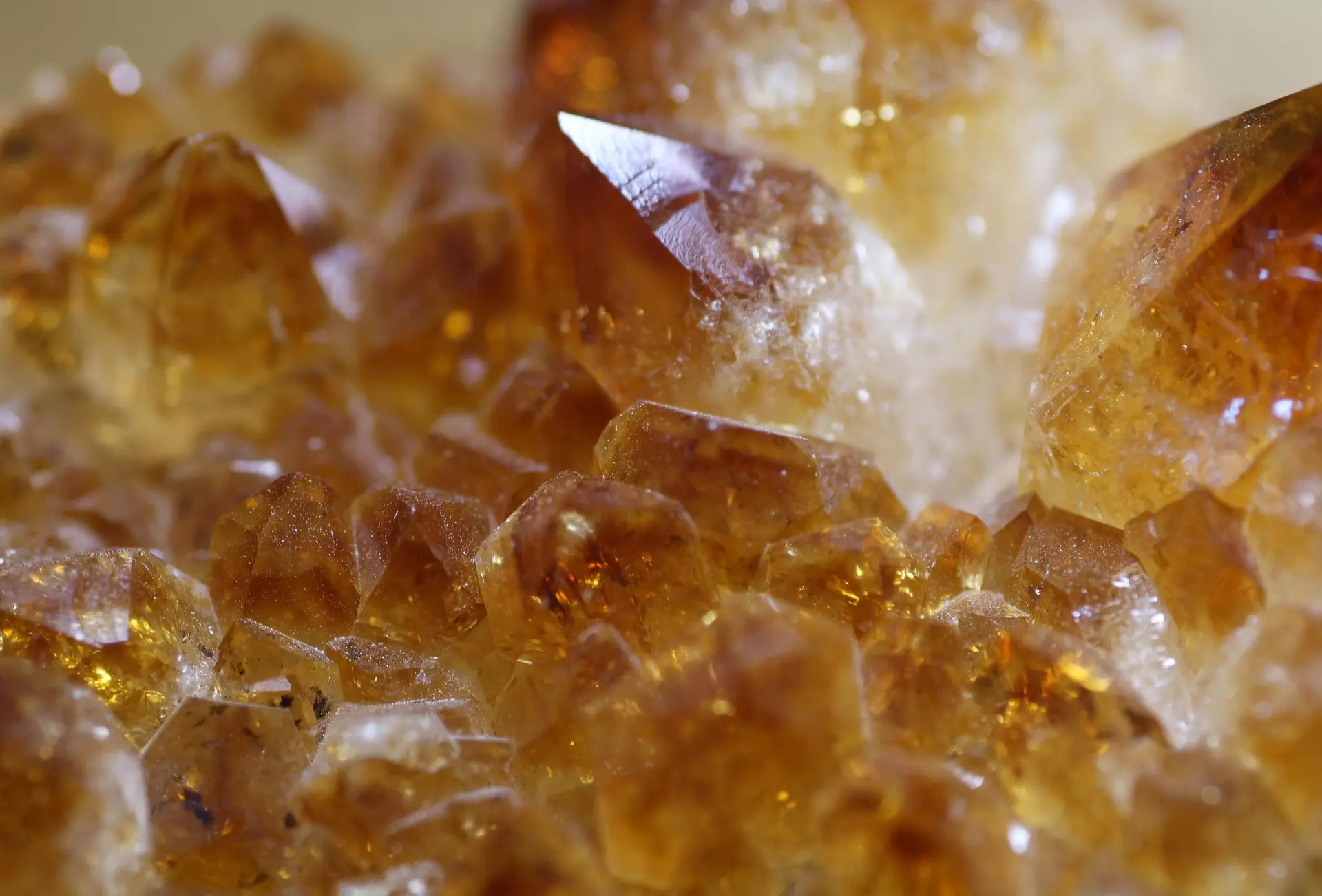
Cobalt - Portable batteries and high-strength alloys, often used for wind turbines
Copper - It is used in energy infrastructure and construction
Lithium - It is used in energy storage
Graphite - Utilised in fuel cells, batteries, lubricants and nuclear power
What are rare earth elements?
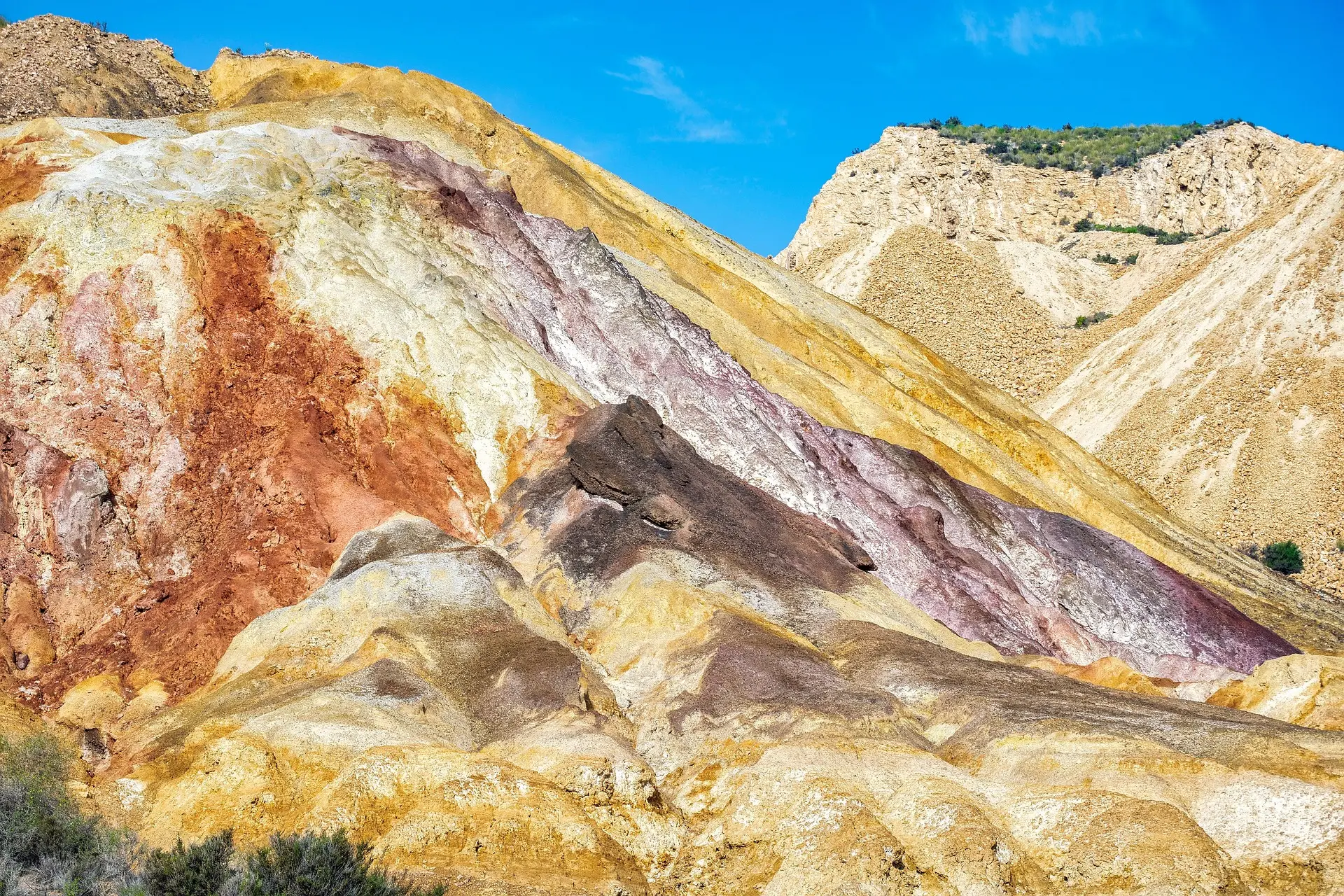
Rare earth elements (REEs) are a group of 17 chemically similar silvery-white soft heavy metals, comprising the 15 lanthanides on the periodic table plus scandium and yttrium. Despite their name, they are not actually rare in the Earth's crust but are rarely found in concentrated, economically exploitable deposits. For example, neodymium is found at 20 parts per million in the Earth's crust; in comparison, copper is at 27. They are crucial for high-tech, green energy, and defence technologies.
Why do countries need critical minerals?
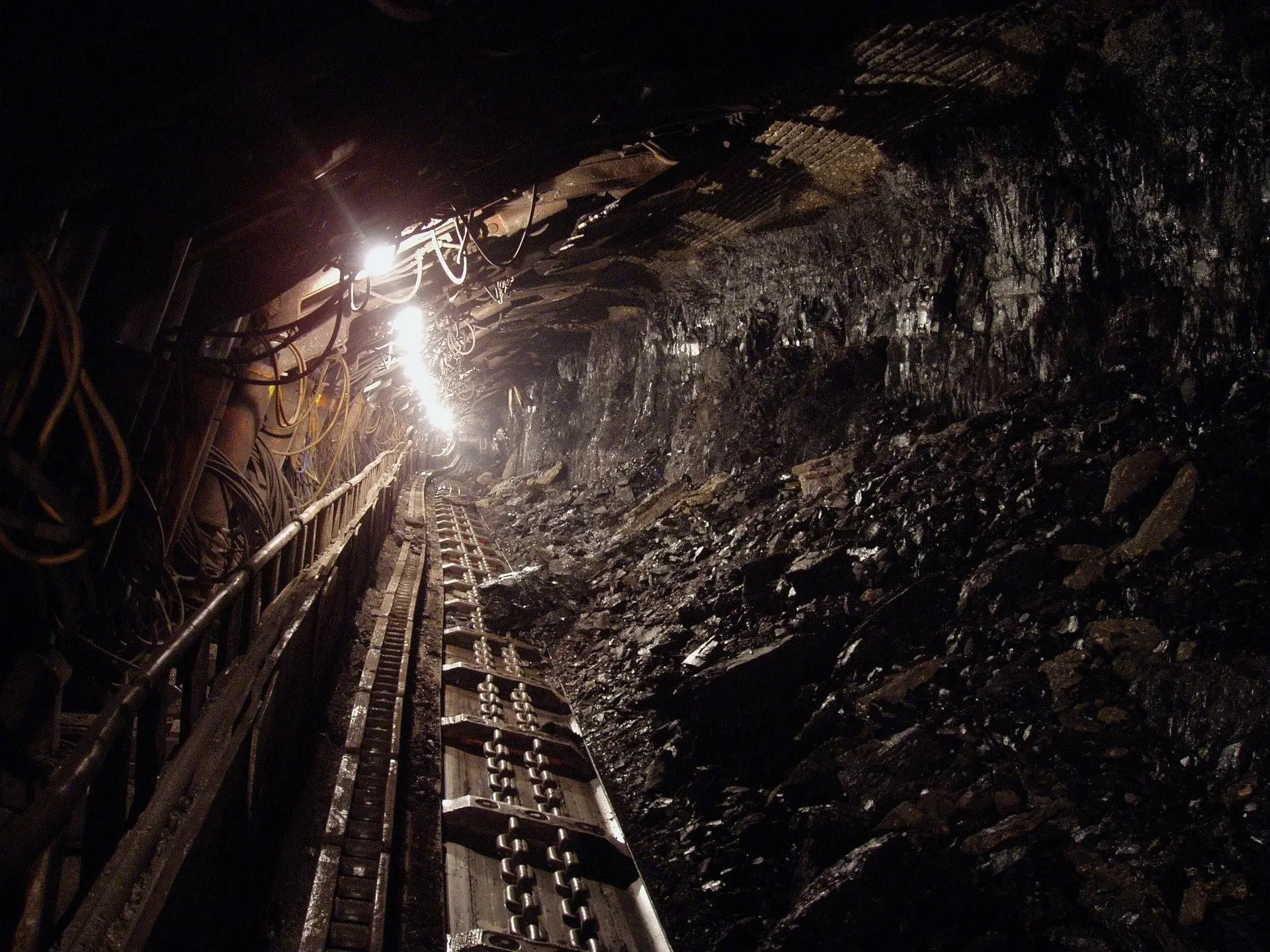
As the world moves towards advanced technologies, including AI and high-tech defence systems, the importance of critical minerals, essential to these technologies, has attracted the attention of both developed and developing nations. While many countries possess some amount of critical mineral resources, these reserves are often insufficient to meet growing technological demands. As a result, several nations rely on international supply chains to bridge the gap, while others are investing in extracting raw ores through surface or underground mining, followed by energy-intensive and often centralised refining processes.
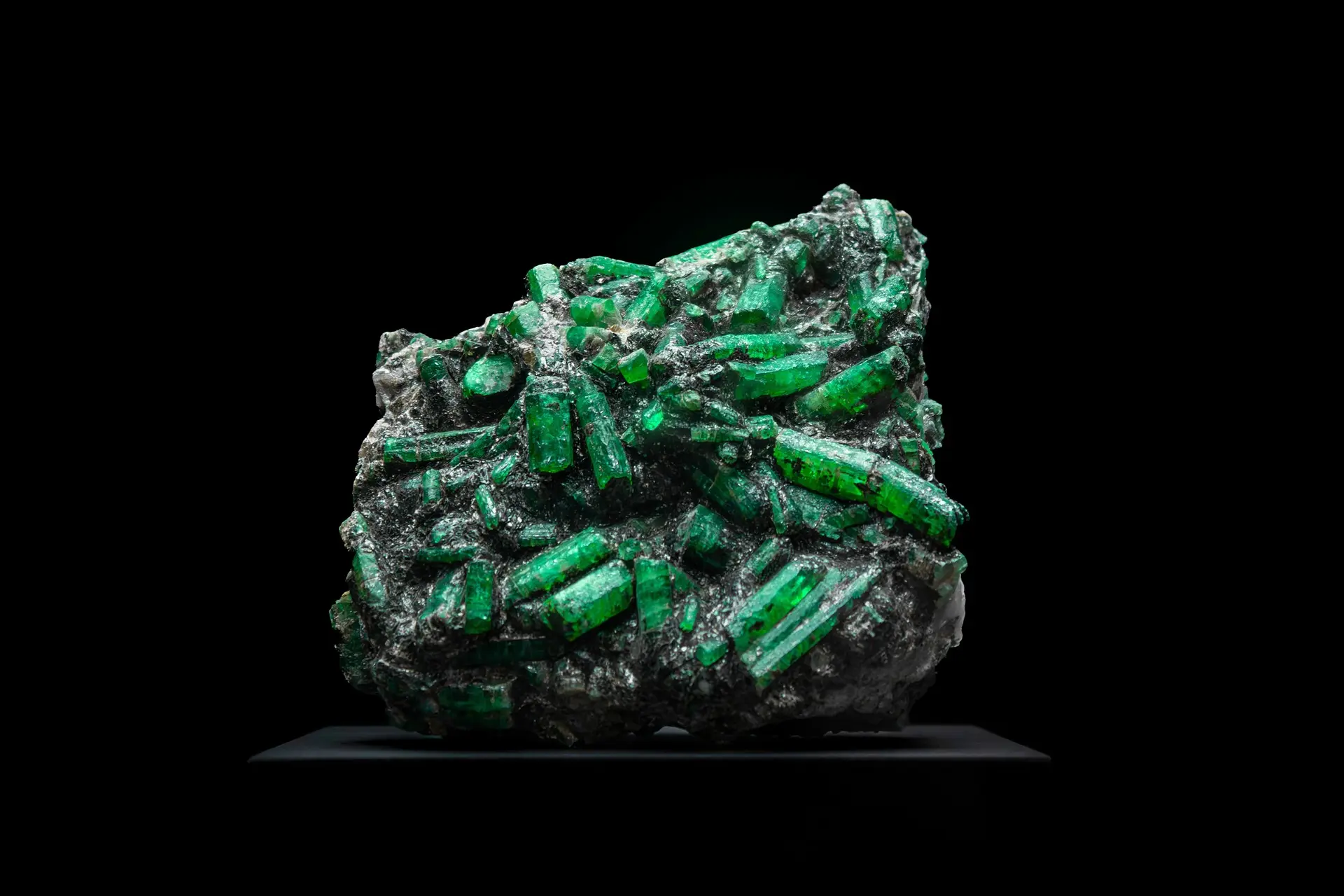
Who is dominating critical minerals?
China dominates the global critical minerals market, controlling nearly 60-90 per cent of the production and processing for key materials like rare earths, graphite, and cobalt. This control, often described as a near-monopoly, extends to refining capacity for 19 of 20 analysed minerals, making it a primary player in the supply chain for clean energy and defence. It also produces large amounts of graphite, tungsten, vanadium, and rare metals used in electronics and defence. Its strategic hold on mine-to-market supply chains is unmatched.
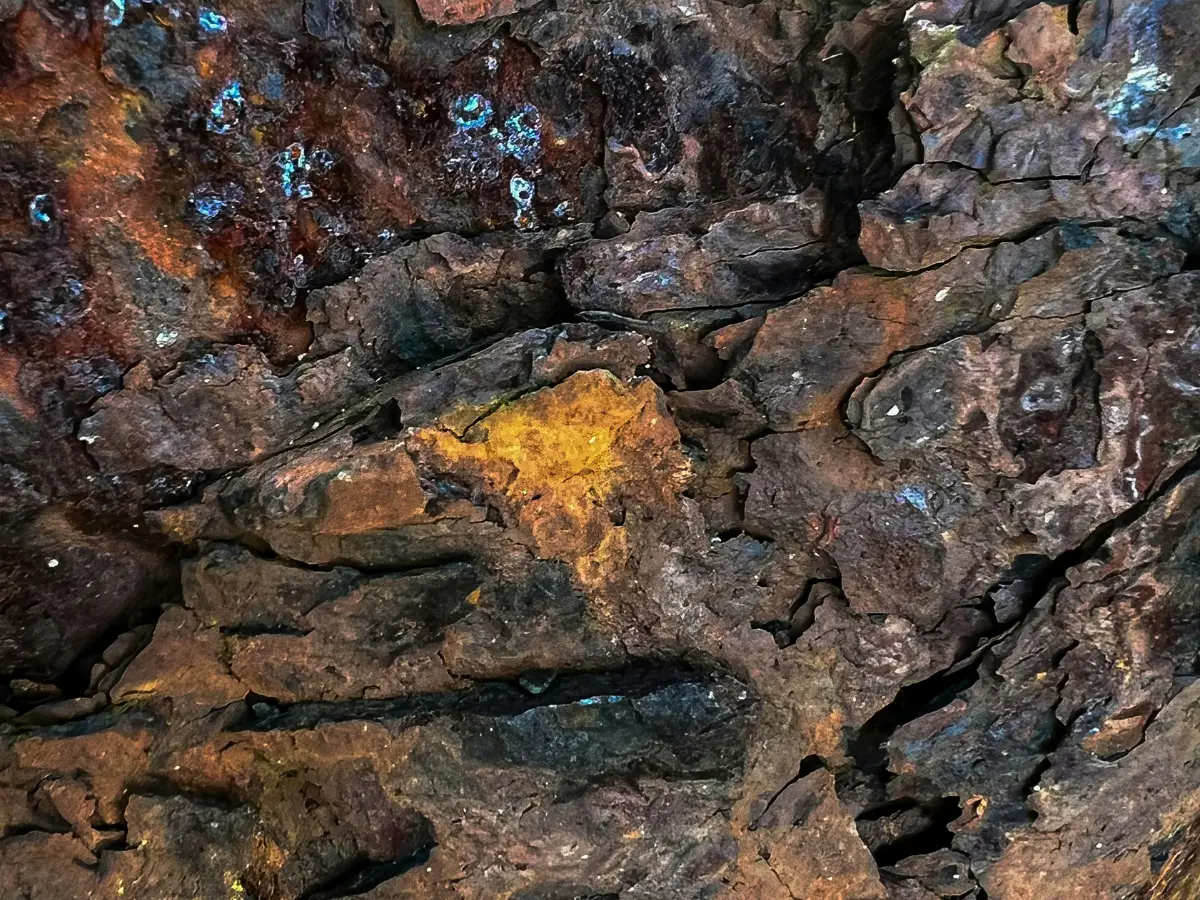
Uses of critical minerals in different sectors
Critical minerals are essential to clean energy, electronics, defence, and heavy industries, driving demand that is expected to triple by 2040. Clean energy systems rely on lithium, nickel, cobalt, graphite, rare earths, copper, and platinum-group metals for batteries, grids, wind turbines, and hydrogen fuel cells. Consumer electronics use over 30 minerals per smartphone, from lithium and cobalt in batteries to rare earths, gallium, and silicon in chips and displays. Ethical sourcing concerns, especially around cobalt, are accelerating recycling efforts, with companies like Apple committing to 100% recycled cobalt. Defence sectors depend heavily on rare earths, speciality alloys, and advanced minerals for engines, radars, and munitions.
)
)
)
)
)