'We need answers': How lawmakers are reacting to the stunning May 22 UFO video release

The May 22 UAP data dump has sparked outrage and demands for accountability in Washington as lawmakers push for even greater transparency.
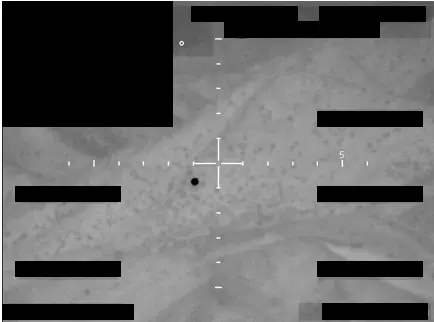
Washington Wants Answers
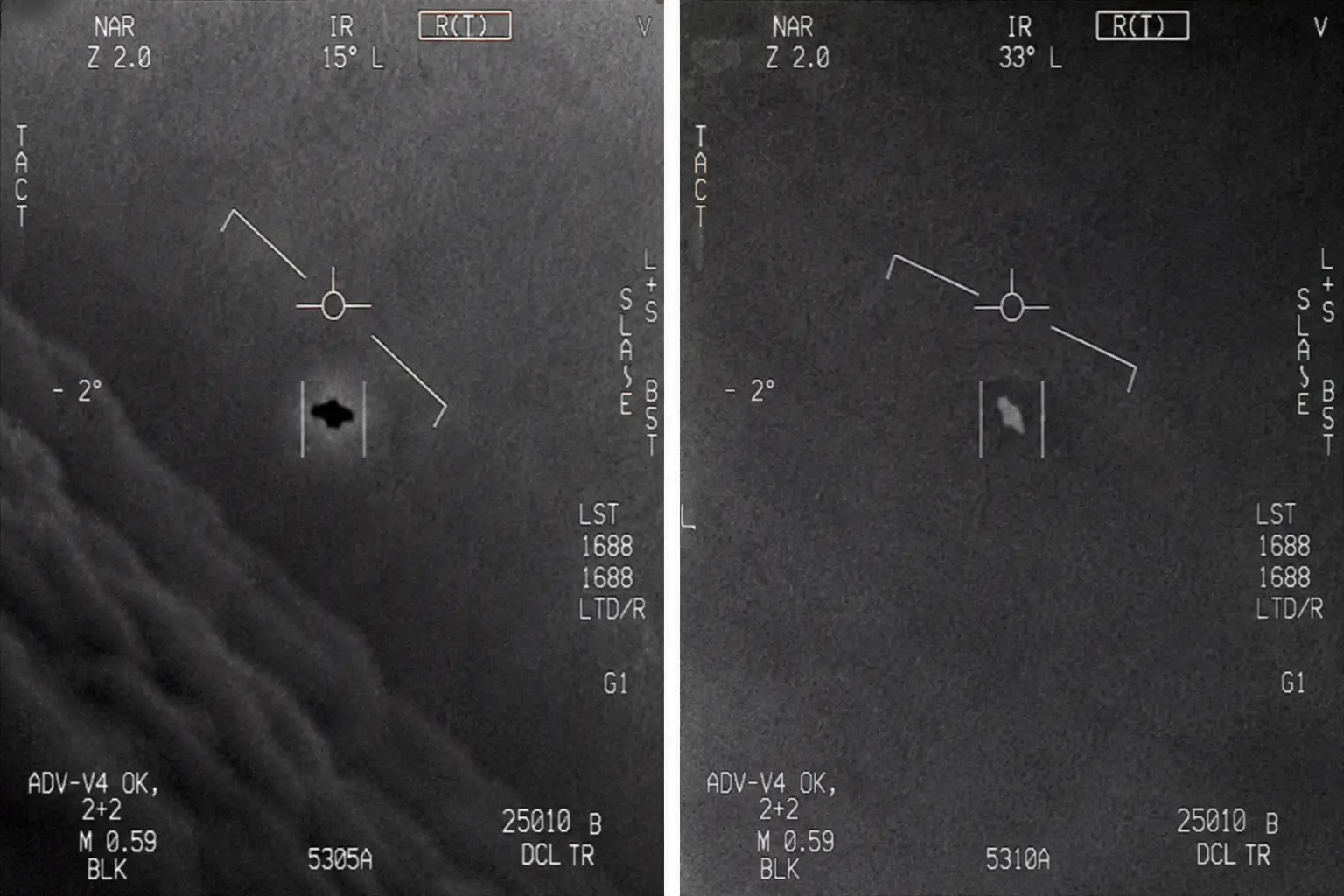
The release of 51 new UAP videos has sent shockwaves through Capitol Hill. Lawmakers, confronted with undeniable visual evidence of airspace incursions, are demanding answers from the Pentagon and intelligence community.
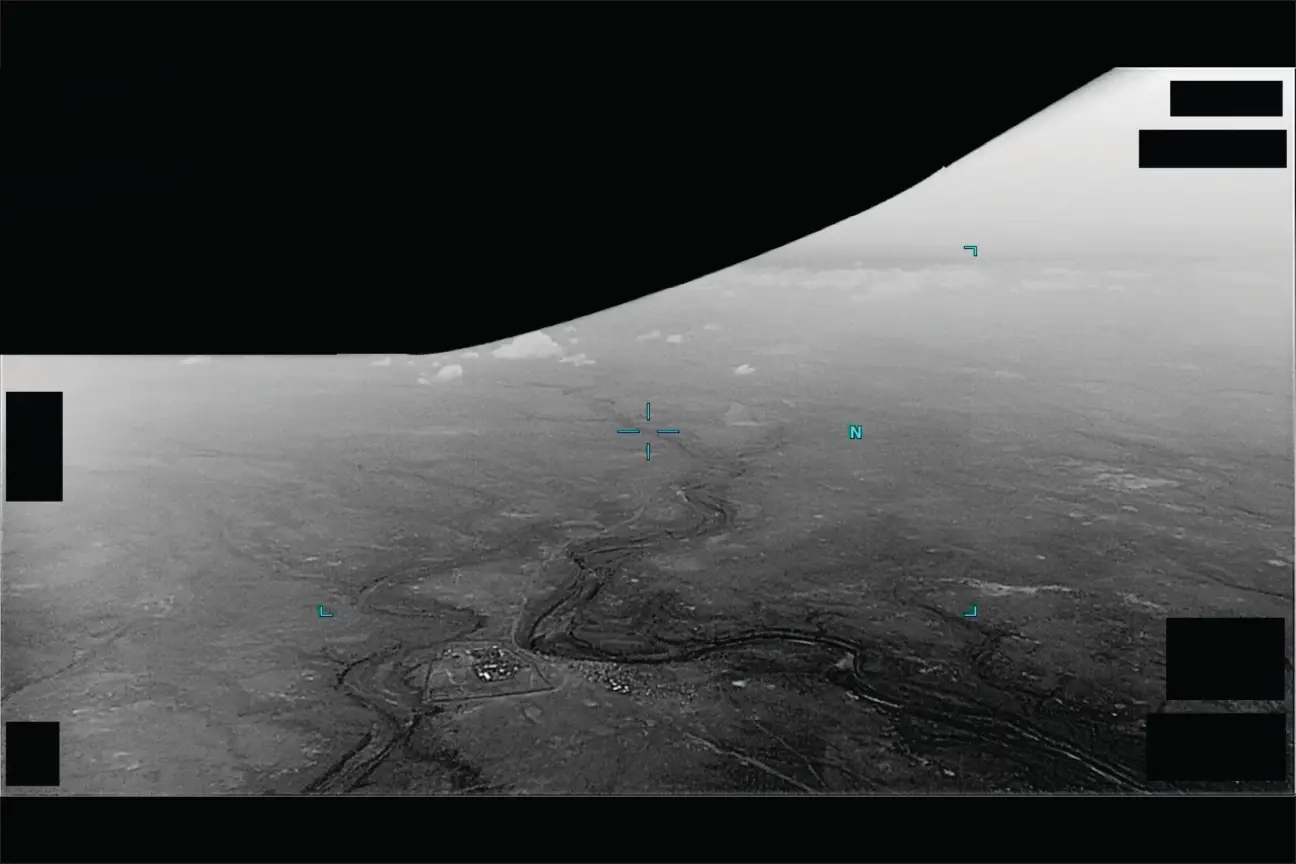
Bipartisan Frustration
The UAP issue has created a rare moment of bipartisan unity. Politicians across the aisle are expressing deep frustration over decades of perceived stonewalling and the military's inability to secure domestic skies.
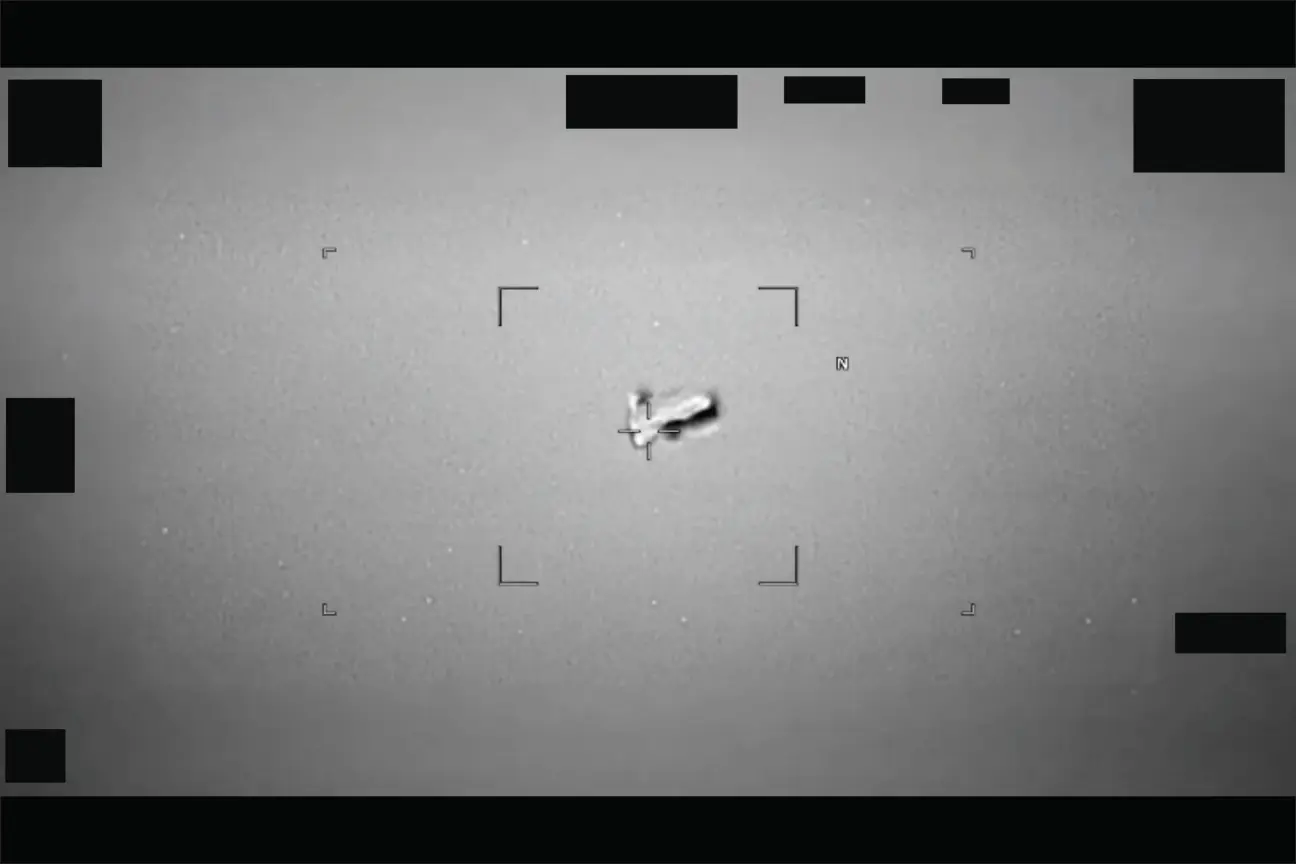
Closed-Door Briefings
Following the public release on May 22, several defense committees immediately scheduled closed-door, classified briefings to view the unredacted telemetry data and hear directly from the pilots involved in the intercepts.

The Defense Department's Defense
Military officials are defending their approach, citing the PURSUE initiative as proof of their commitment to transparency, while emphasizing that identifying these objects takes time and careful scientific analysis.
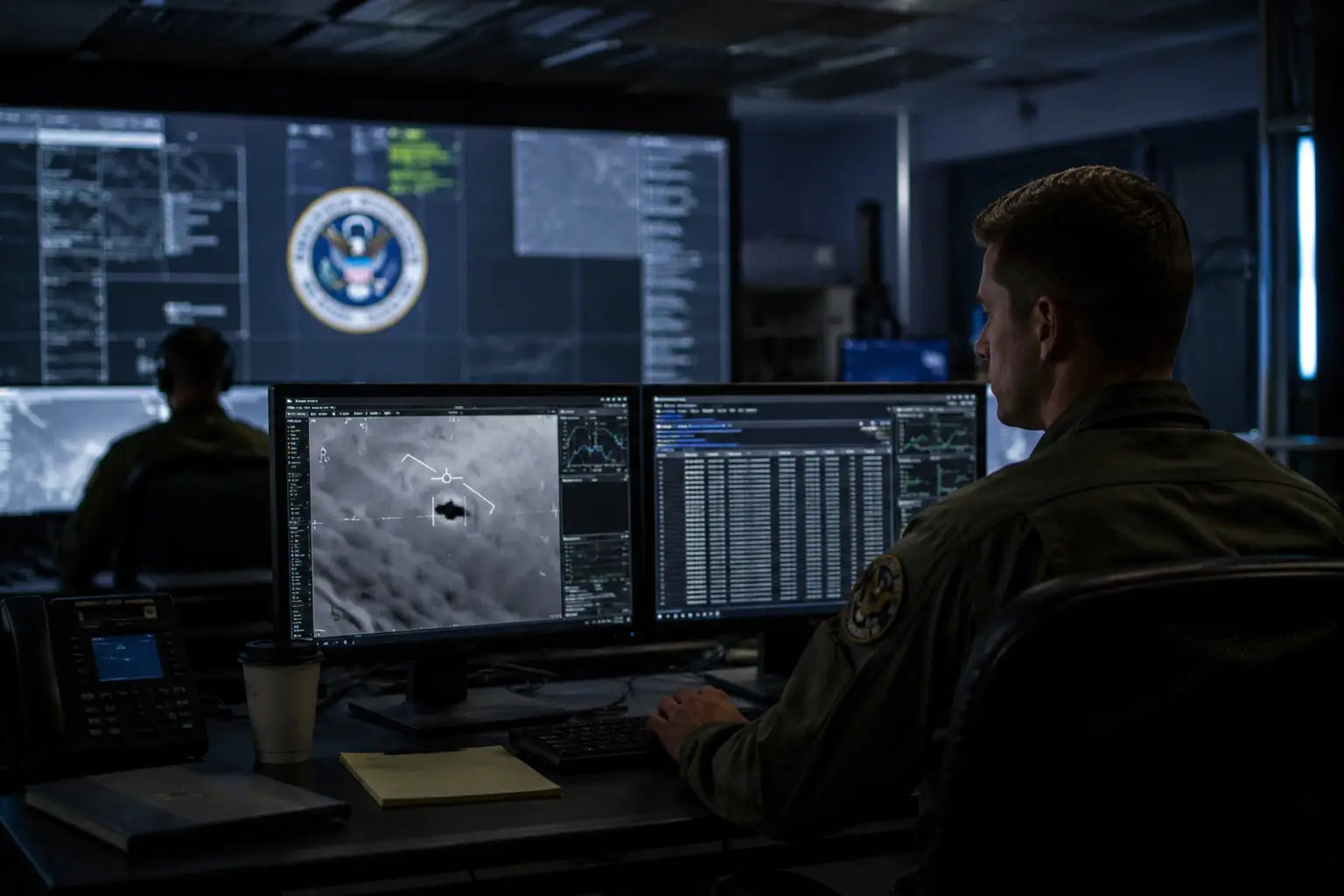
Funding for UAP Tracking
The renewed focus is leading to massive funding shifts. Congress is actively drafting legislation to allocate billions of dollars towards specialized sensor networks and AI databases designed solely to track UAPs.

Whistleblowers Step Forward
Emboldened by the official releases, a new wave of military whistleblowers is stepping forward, offering closed-session testimony regarding historic crash retrievals and reverse-engineering programs.
What Congress Will Do Next
Lawmakers are threatening to use subpoena power to force deeply classified Special Access Programs out of the shadows, promising that the May 22 release is only the beginning of congressional oversight on UAPs.
)
)
)
)
)