Want to fly Rafale or Sukhoi? Follow these 7 Indian Air Force fitness norms to become a fighter jet pilot

Authored By Abhinav Yadav
Published: May 10, 2025, 11:28 IST | Updated: May 10, 2025, 11:28 IST
To fly in the Indian Air Force, you need more than brains you need a warrior’s body. Pilots undergo some of the toughest physical tests to handle extreme G-forces, altitude shifts, and combat pressure. Here are 7 fitness secrets of IAF pilots.
1 / 14
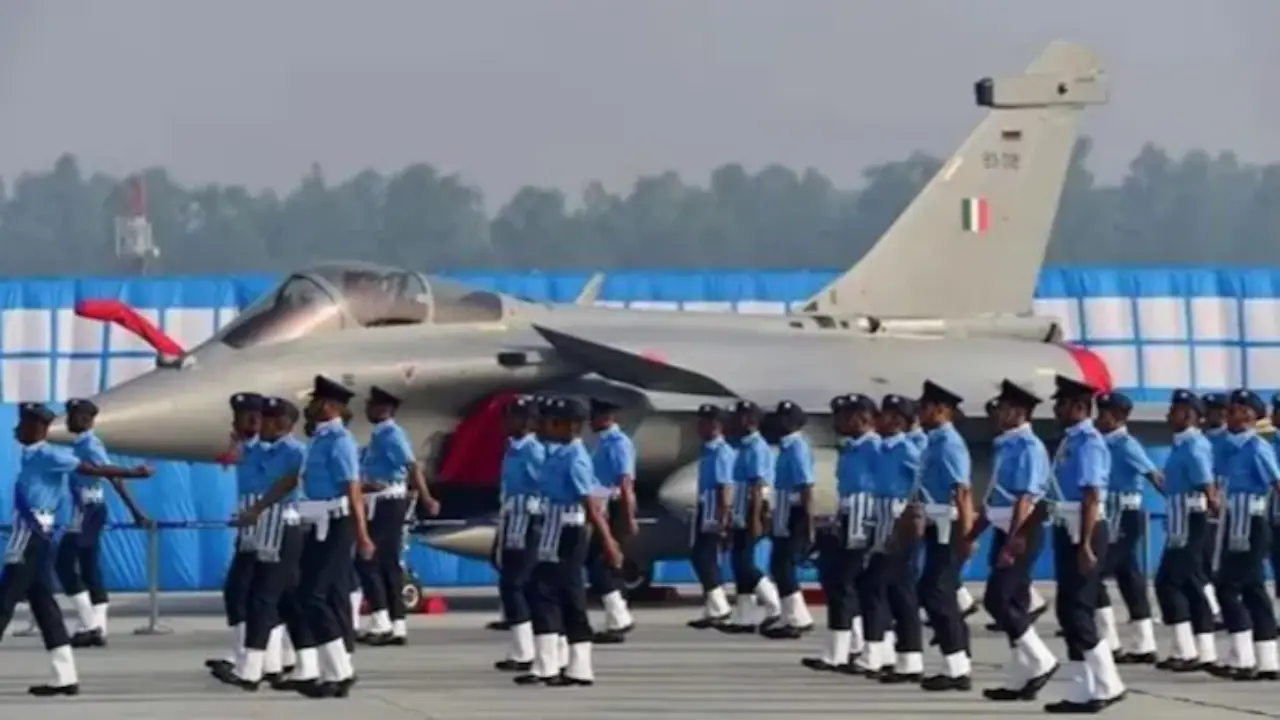
Fly with Indian Air Force
To fly with the Indian Air Force, you need more than brains, you need a warrior’s body. Pilots undergo some of the toughest physical tests to handle extreme G-forces, altitude shifts and combat pressure. Here are 7 fitness secrets of IAF pilots.
2 / 14
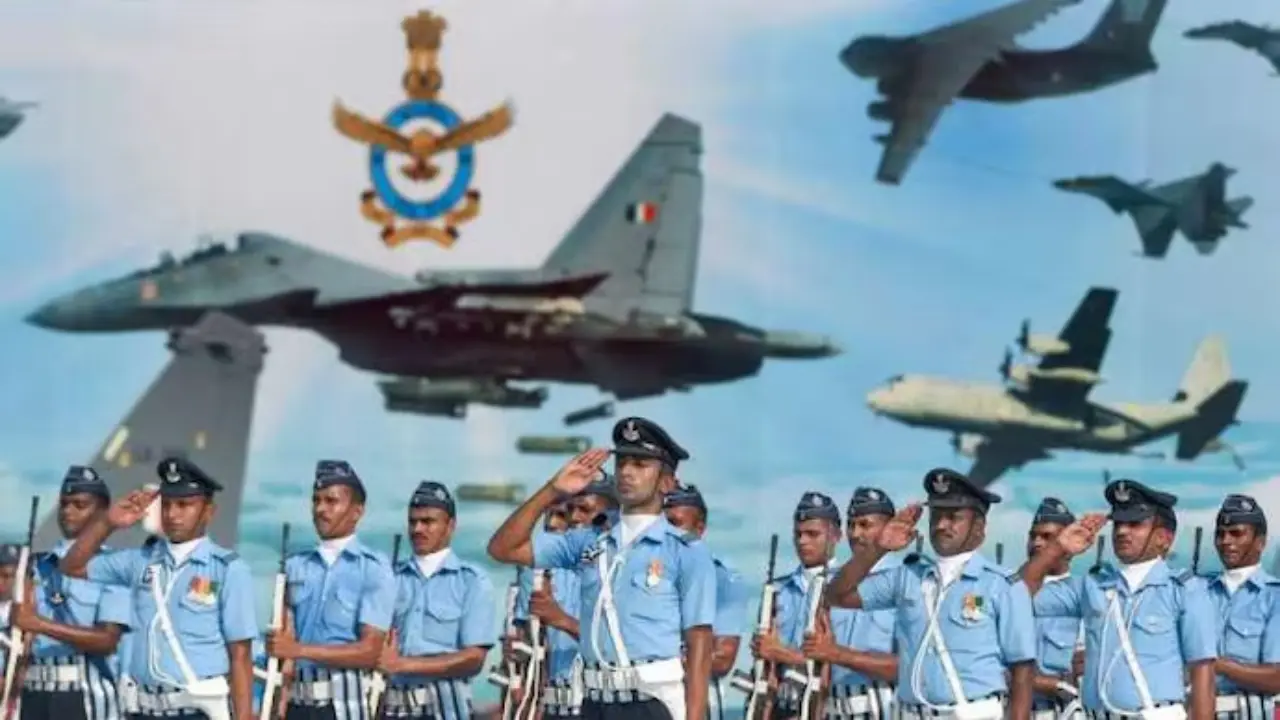
Running
IAF pilots must run 4 km in under 15 minutes. This isn't just cardio it builds lung power and stamina. In fighter jets, pilots face rapid oxygen drops and massive G-forces. This endurance training helps them stay conscious and sharp at high speeds.
3 / 14
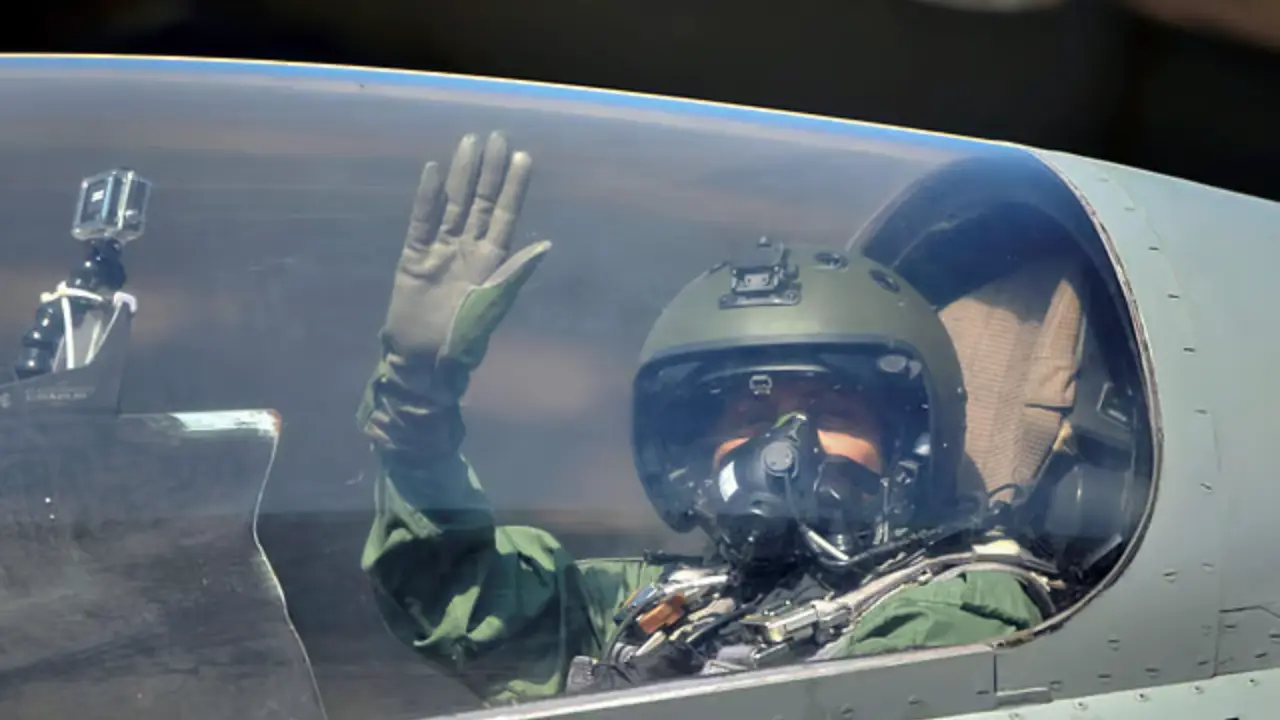
Workout
Push-ups, chin-ups, and rope climbs are part of the IAF's strength routine, because a pilot must control heavy controls, pull against G-forces, and even survive emergencies like ejections. Every rep trains the muscles that matter in the cockpit during combat
4 / 14
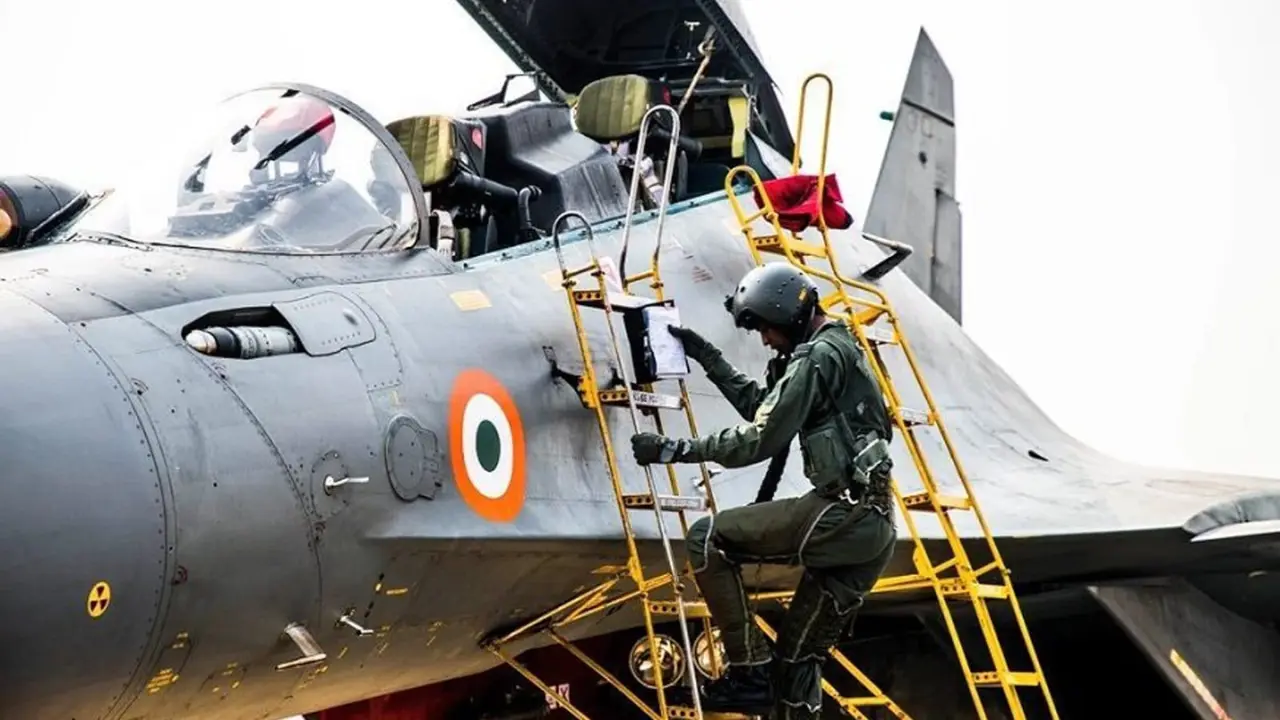
Core Strength
Pilots rely on core strength for flight control. Exercises like planks and Hindu squats help them stay stable during air flips, dives and rolls. A strong core keeps internal organs from shifting too much during tight turns.
5 / 14
Vision
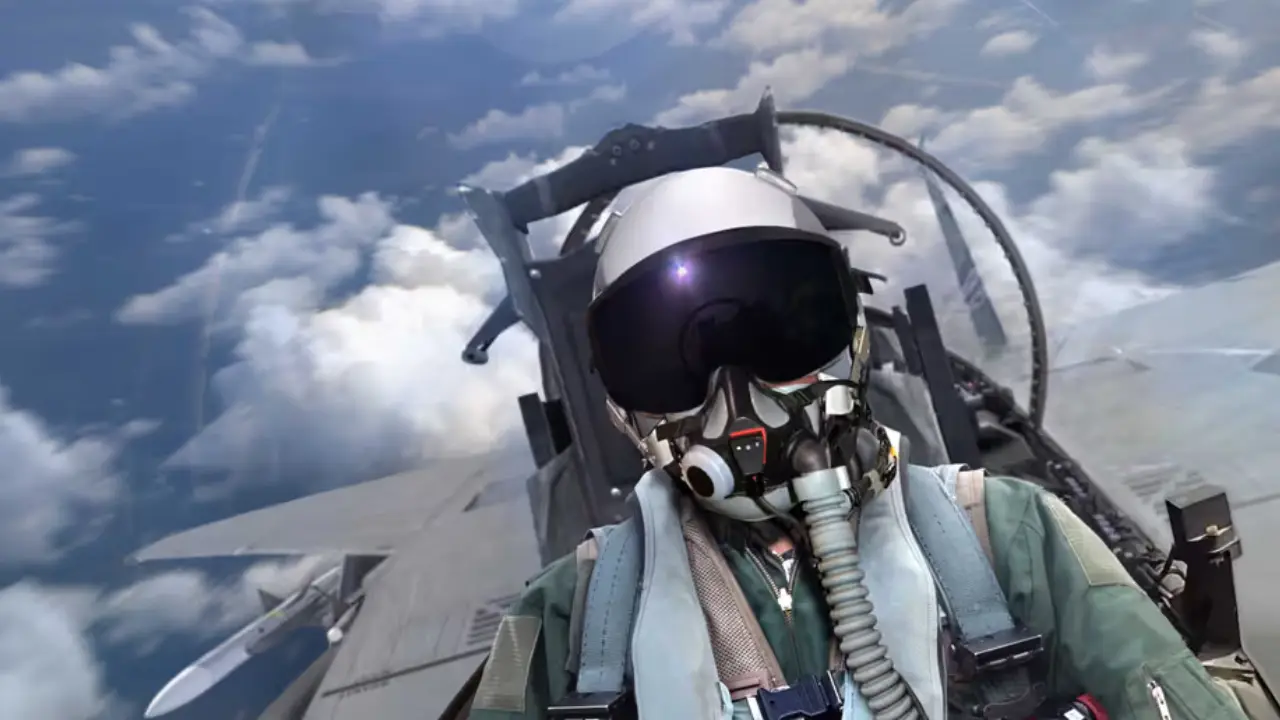
IAF pilots need perfect 6/6 vision, normal colour detection and flawless inner ear balance. One small error in eyesight or vestibular control and you're grounded. These tests are so strict, most people can't pass them on the first try.
6 / 14
Swimming
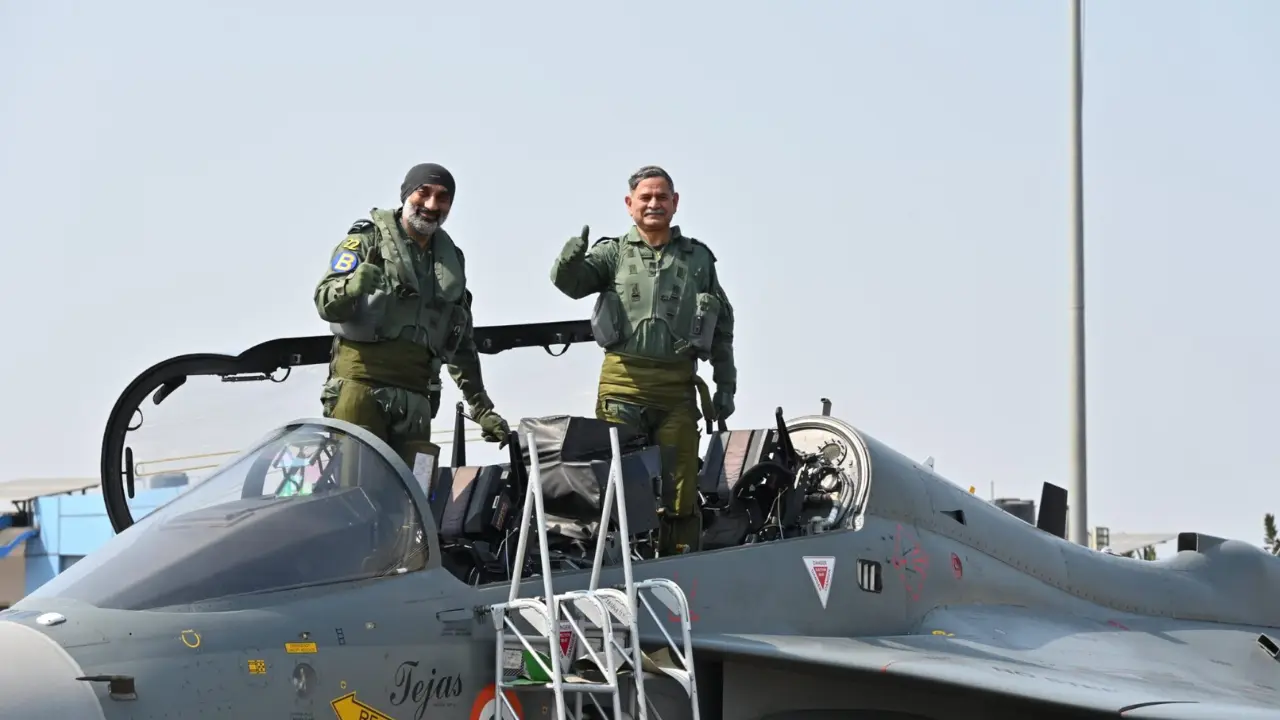
Every IAF pilot must swim at least 25 metres. Why? In case of an ejection over sea or river, swimming could be their only way to survive. It's not just about flying it’s about being ready for anything that comes after landing too.
7 / 14
G-Force Drills
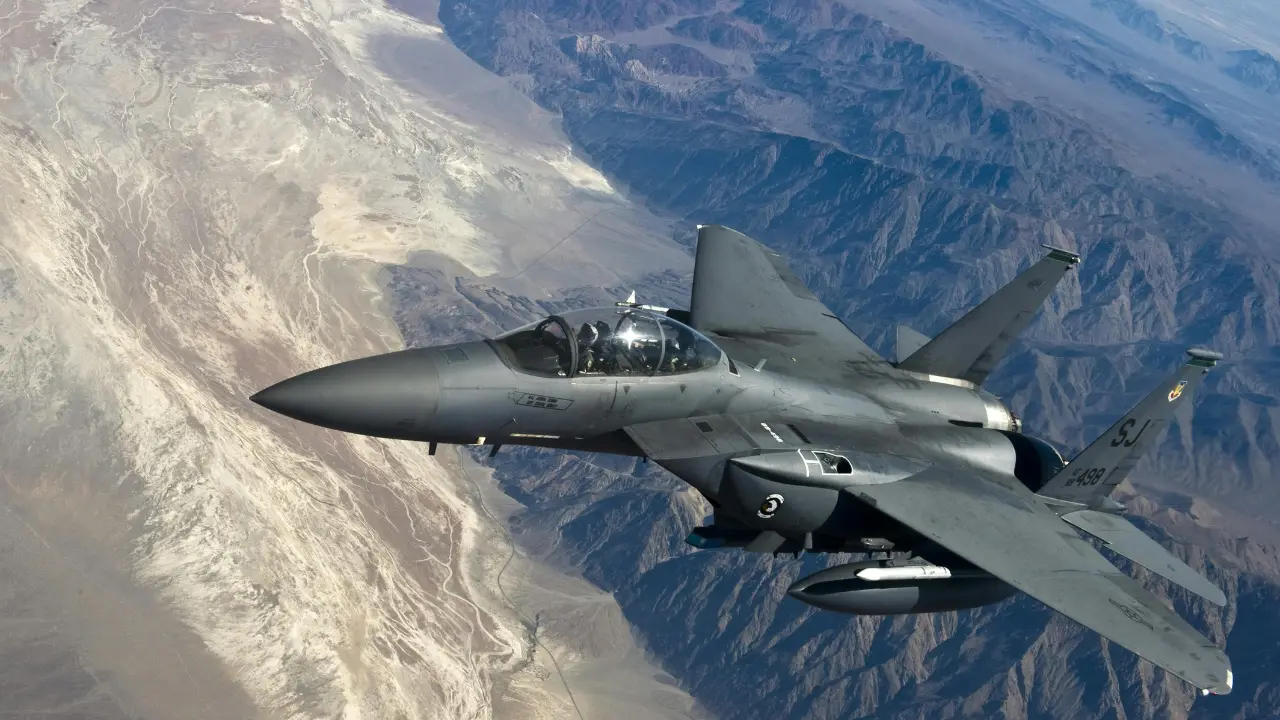
Pilots go through mental health checks, G-force drills and decision-making simulators. These test their reflexes and stress response. One panic attack mid-air can cost lives. That’s why the IAF makes sure only the sharpest minds fly combat jets.
8 / 14
Fly with Indian Air Force
To fly with the Indian Air Force, you need more than brains, you need a warrior’s body. Pilots undergo some of the toughest physical tests to handle extreme G-forces, altitude shifts and combat pressure. Here are 7 fitness secrets of IAF pilots.
9 / 14
Running
IAF pilots must run 4 km in under 15 minutes. This isn't just cardio it builds lung power and stamina. In fighter jets, pilots face rapid oxygen drops and massive G-forces. This endurance training helps them stay conscious and sharp at high speeds.
10 / 14
Workout
Push-ups, chin-ups, and rope climbs are part of the IAF's strength routine, because a pilot must control heavy controls, pull against G-forces, and even survive emergencies like ejections. Every rep trains the muscles that matter in the cockpit during combat
11 / 14
Core Strength
Pilots rely on core strength for flight control. Exercises like planks and Hindu squats help them stay stable during air flips, dives and rolls. A strong core keeps internal organs from shifting too much during tight turns.
12 / 14
Vision
IAF pilots need perfect 6/6 vision, normal colour detection and flawless inner ear balance. One small error in eyesight or vestibular control and you're grounded. These tests are so strict, most people can't pass them on the first try.
13 / 14
Swimming
Every IAF pilot must swim at least 25 metres. Why? In case of an ejection over sea or river, swimming could be their only way to survive. It's not just about flying it’s about being ready for anything that comes after landing too.
14 / 14
G-Force Drills
Pilots go through mental health checks, G-force drills and decision-making simulators. These test their reflexes and stress response. One panic attack mid-air can cost lives. That’s why the IAF makes sure only the sharpest minds fly combat jets.
)
)
)
)
)