iPhone 18 Pro vs iPhone 17 Pro: Is it worth the upgrade?

Compare the 17 Pro and upcoming iPhone 18 Pro to decide your upgrade. The 17 Pro features a 3nm A19 chip, while the 18 Pro introduces a 2nm A20 Pro processor, variable aperture camera, and a smaller Dynamic Island.
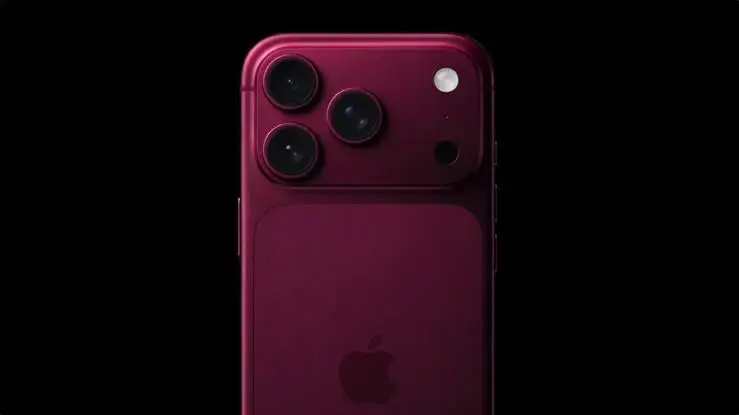
The Premium Upgrade Dilemma
The iPhone 17 Pro currently dominates Apple's premium smartphone lineup. However, with the iPhone 18 Pro expected to launch globally on September 8, 2026, buyers face a difficult upgrade choice.
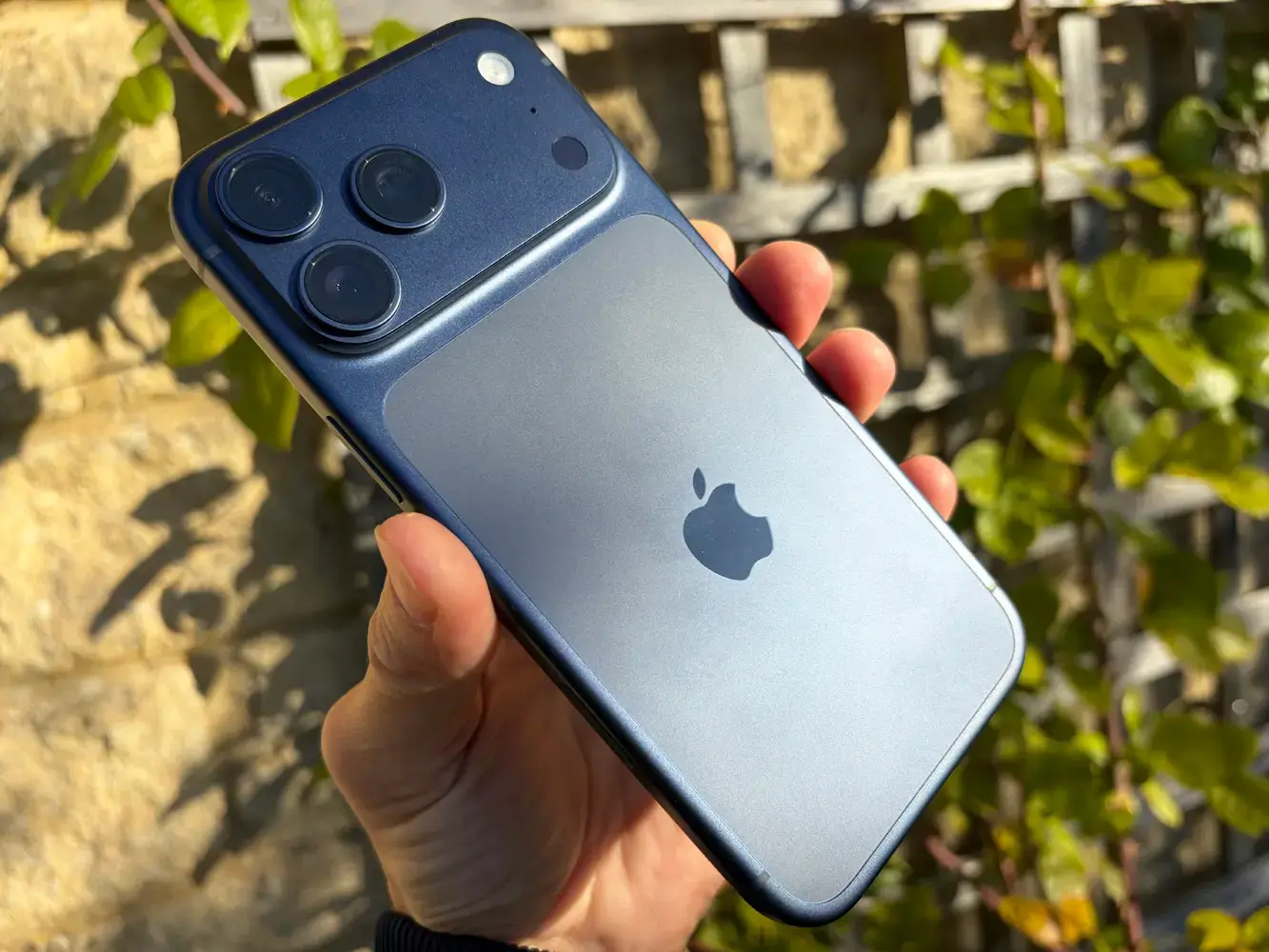
A Leap to 2-Nanometre Power
The iPhone 17 Pro relies on the highly capable 3nm A19 Pro chipset. In contrast, the upcoming iPhone 18 Pro will debut the revolutionary A20 Pro chip, utilising TSMC's 2nm process for a 15 per cent speed boost.
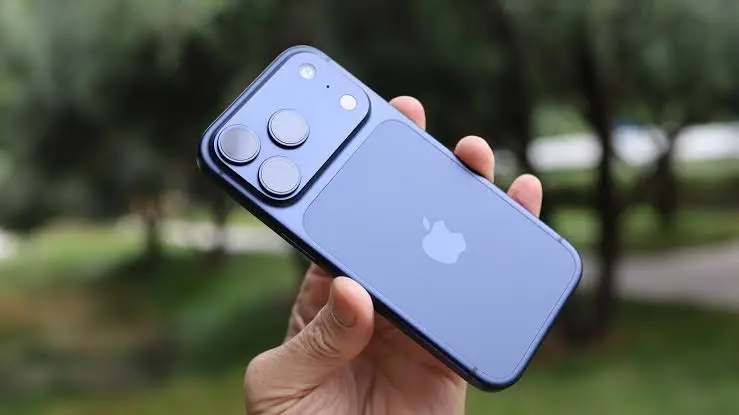
The Variable Aperture Camera
While the iPhone 17 Pro features a fixed triple 48-megapixel camera system, its successor promises a massive optical upgrade. The iPhone 18 Pro will reportedly introduce a mechanical variable aperture, allowing physical depth of field control similar to a DSLR.
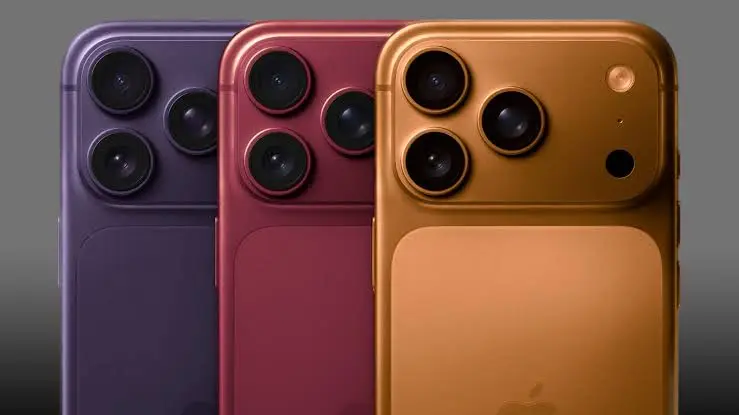
Shrinking the Dynamic Island
Apple is finally altering the display design introduced years ago. By moving critical Face ID components beneath the screen, the iPhone 18 Pro will feature a 35 per cent smaller Dynamic Island than the iPhone 17 Pro.
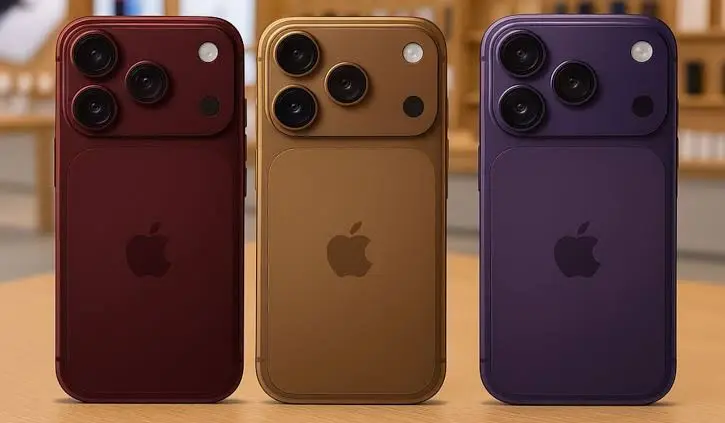
Ditching Third-Party Modems
The current iPhone 17 Pro connects to networks using a standard Qualcomm Snapdragon X80 modem. The iPhone 18 Pro is tipped to debut Apple's proprietary C2 modem, unlocking true satellite internet access and superior power efficiency.
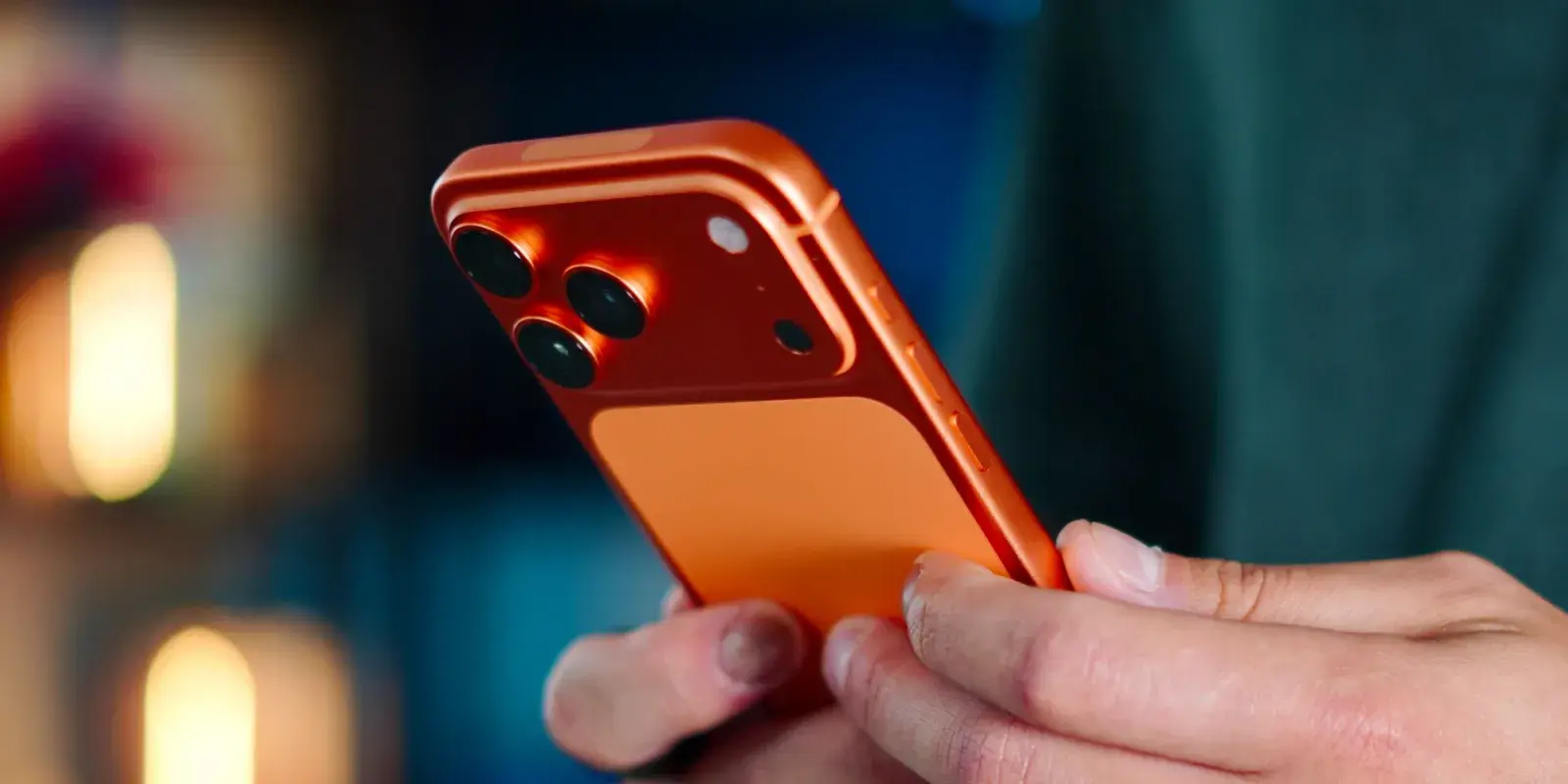
Battery and Thermal Cooling
Both smartphones pack 12GB of RAM to handle demanding Apple Intelligence features. However, the iPhone 18 Pro pairs this memory with a larger battery and an upgraded graphene thermal cooling system.
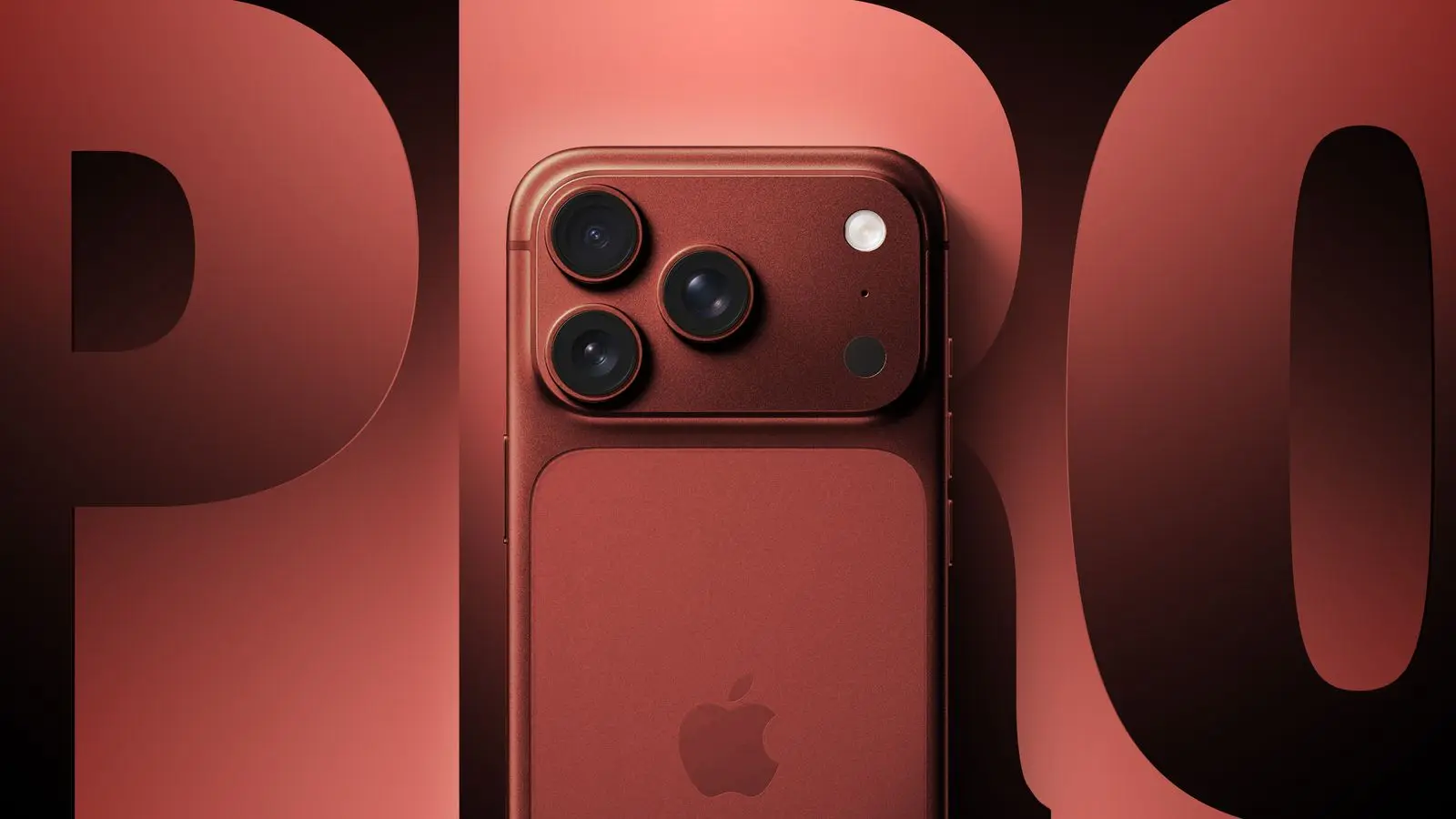
The Final Verdict
Starting at an expected USD 1,299, the iPhone 18 Pro offers a costly but powerful technological leap. If you demand a 2nm processor and mechanical camera aperture, it is worth the wait, but the iPhone 17 Pro remains an exceptionally capable alternative today.
)
)
)
)
)