Voyager 1 vs Voyager 2: Who truly explored the solar system first and farther?

Together, they have redefined humanity’s understanding of the cosmos, proving that exploration is not just about who arrives first, but also about the depth and breadth of knowledge collected along the way.
Launch and Trajectory
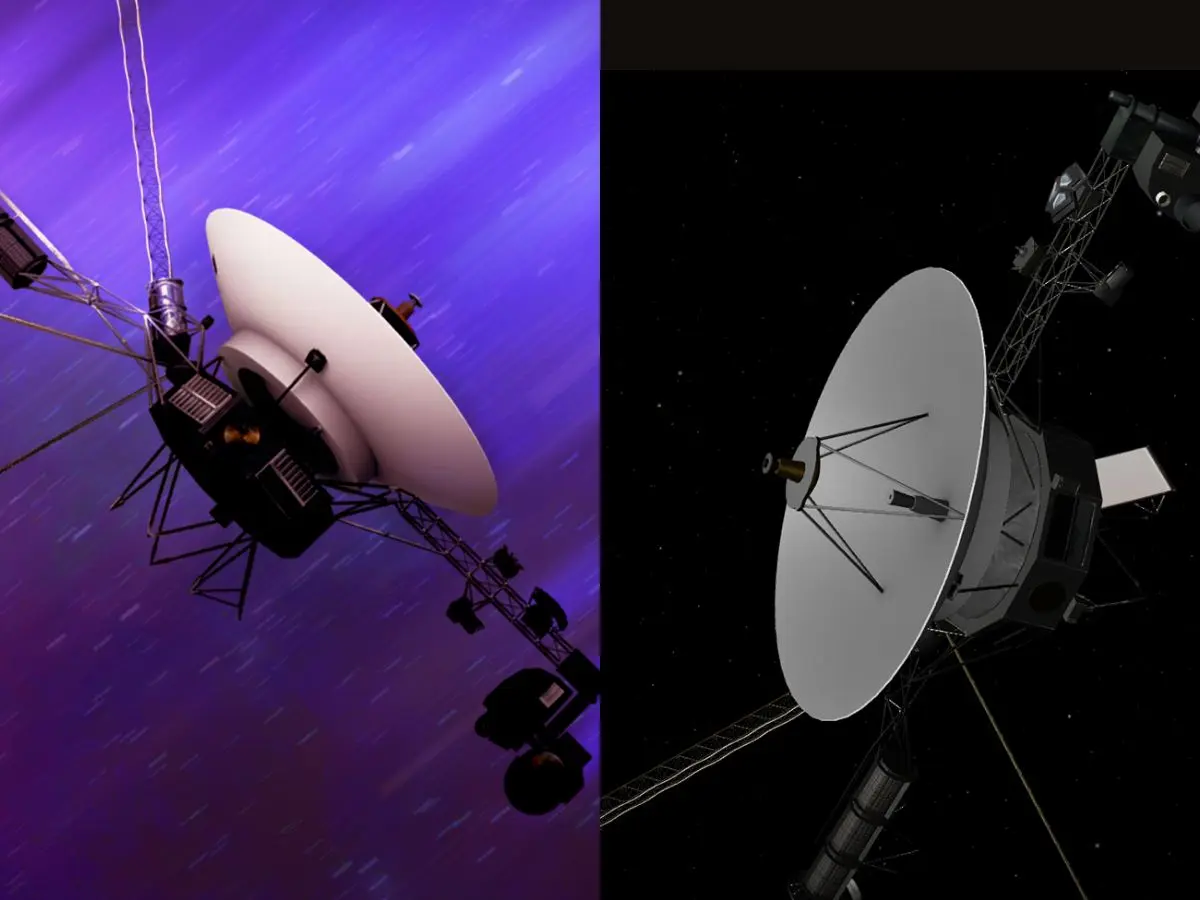
Voyager 2 was launched first on August 20, 1977, followed by Voyager 1 on September 5, 1977. Despite its later launch, Voyager 1 was placed on a faster trajectory, allowing it to reach Jupiter and Saturn ahead of its twin. Voyager 2, however, was carefully routed to take advantage of a rare planetary alignment that would enable it to visit all four outer planets, Jupiter, Saturn, Uranus, and Neptune, over a decade-long planetary tour. This strategic planning meant that while Voyager 1 reached the outer planets first, Voyager 2 achieved a broader survey of the Solar System.
Jupiter and Saturn Encounters
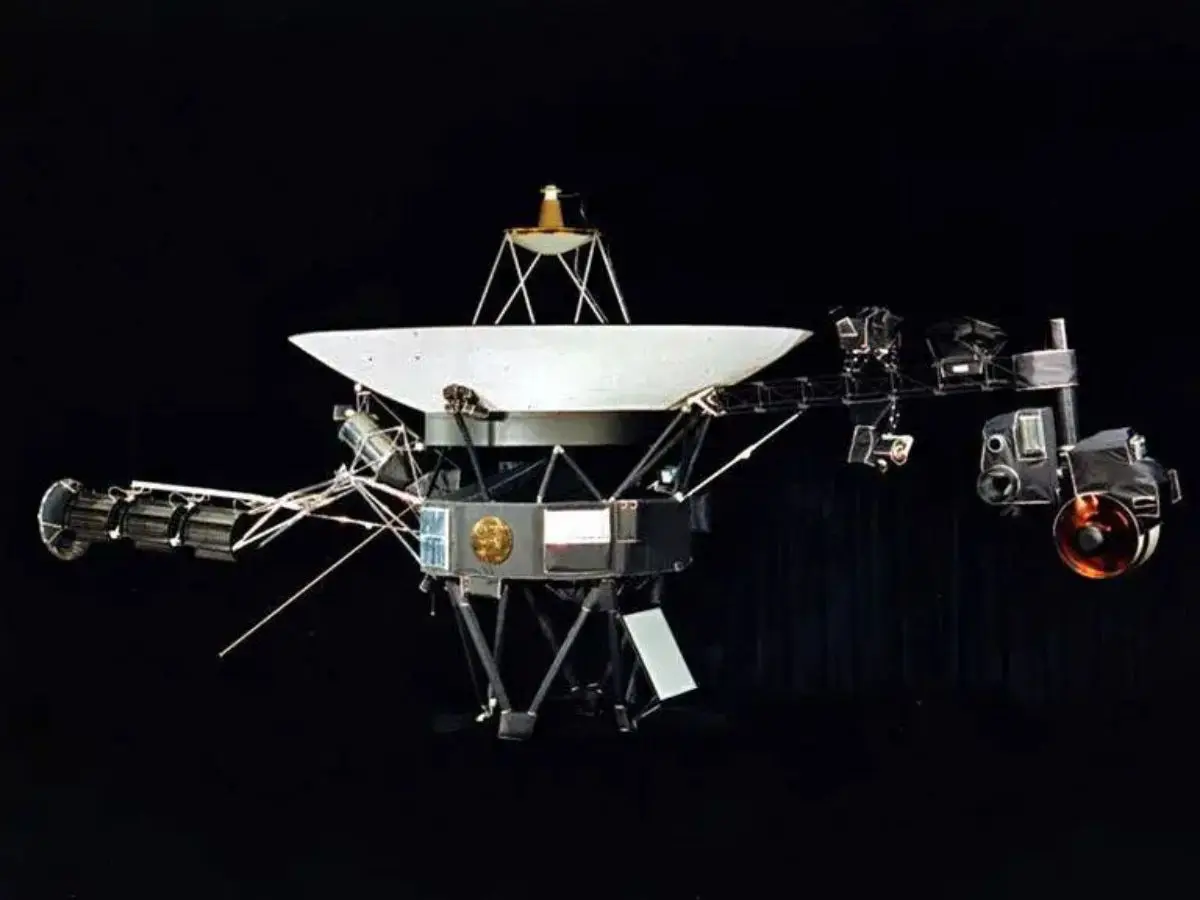
Voyager 1 reached Jupiter on March 5, 1979 and Saturn on November 12, 1980. It provided detailed images of Jupiter’s Great Red Spot, discovered active volcanoes on Io, and mapped Saturn’s intricate rings. Voyager 2 followed closely, capturing complementary data, but its extended mission allowed it to survey Uranus and Neptune as well. Together, the two spacecraft provided a comprehensive understanding of the gas giants, yet Voyager 1’s speed gave it the distinction of being 'first' to these critical planetary encounters.
Uranus and Neptune: Voyager 2’s Unique Legacy
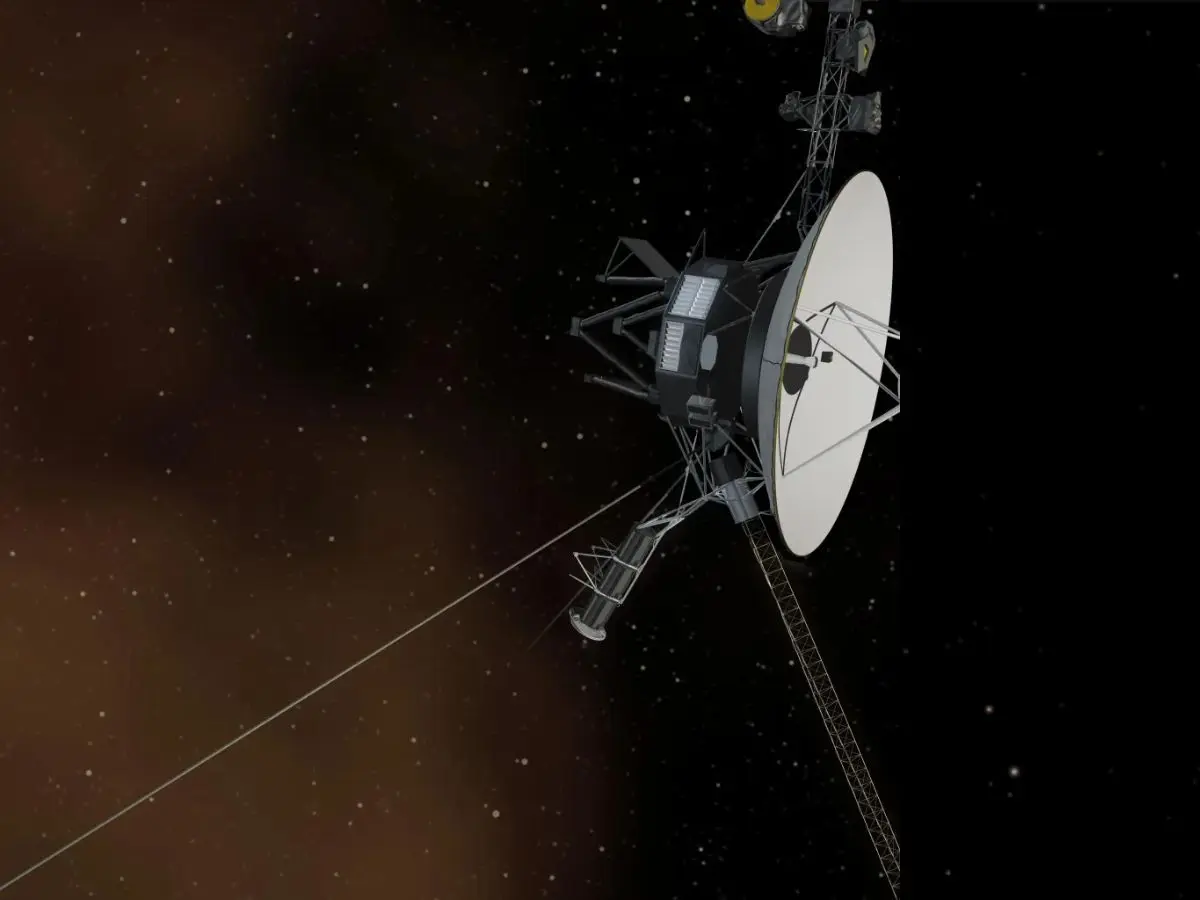
Voyager 2 remains the only spacecraft to have visited Uranus and Neptune. Its flyby of Uranus in January 1986 revealed a tilted magnetic field, 10 new moons, and a previously unknown ring system. The Neptune encounter in August 1989 unveiled supersonic winds, the Great Dark Spot, and active geysers on Triton, Neptune’s largest moon. These discoveries reshaped our understanding of ice giants and their satellites, offering insights that Voyager 1 never had the opportunity to capture.
The Golden Record
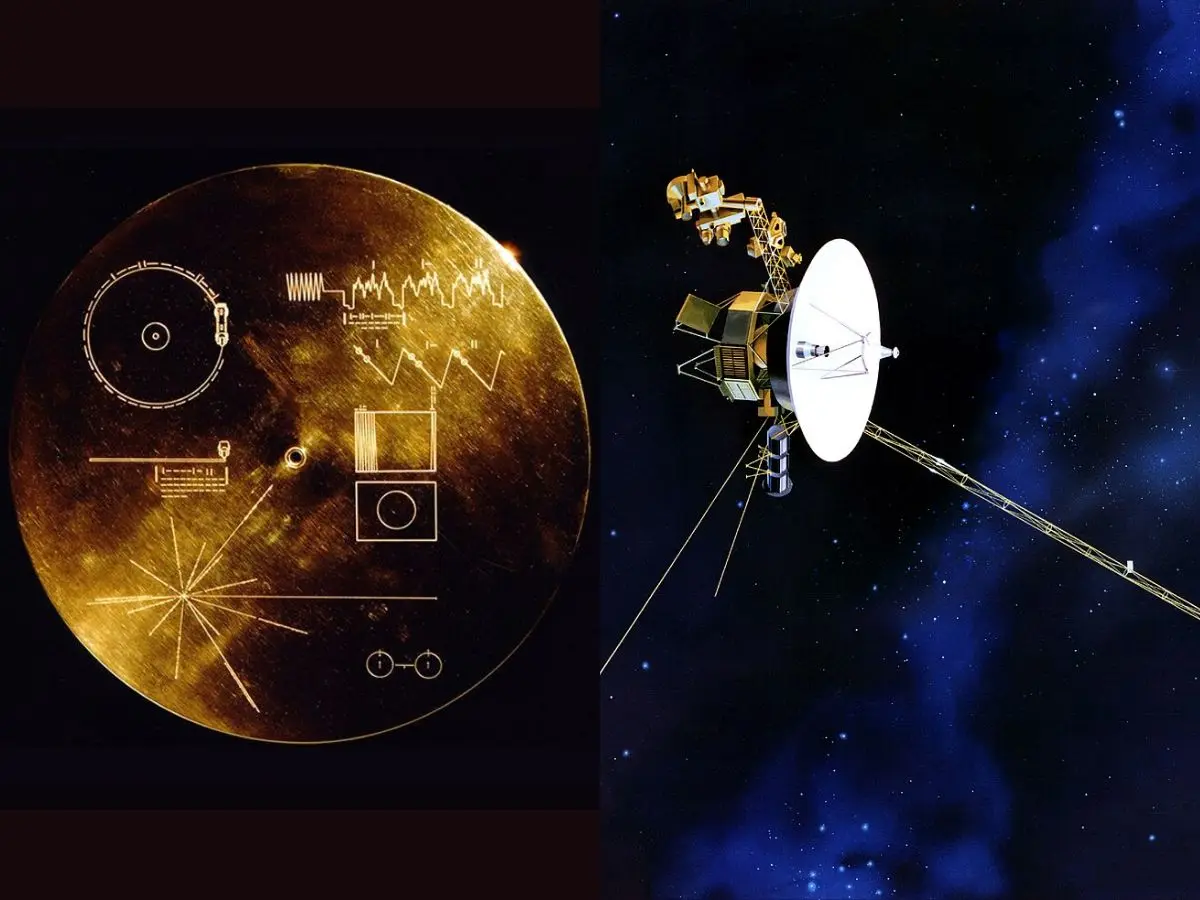
Both spacecraft carry identical Golden Records, containing sounds, images, and greetings intended as a message to extraterrestrial intelligence. Notably, Voyager 2 technically left Earth first, meaning the first Golden Record to depart is aboard Voyager 2. This symbolic role complements its scientific achievements, giving it a unique place in both human history and space exploration.
Engineering and Longevity
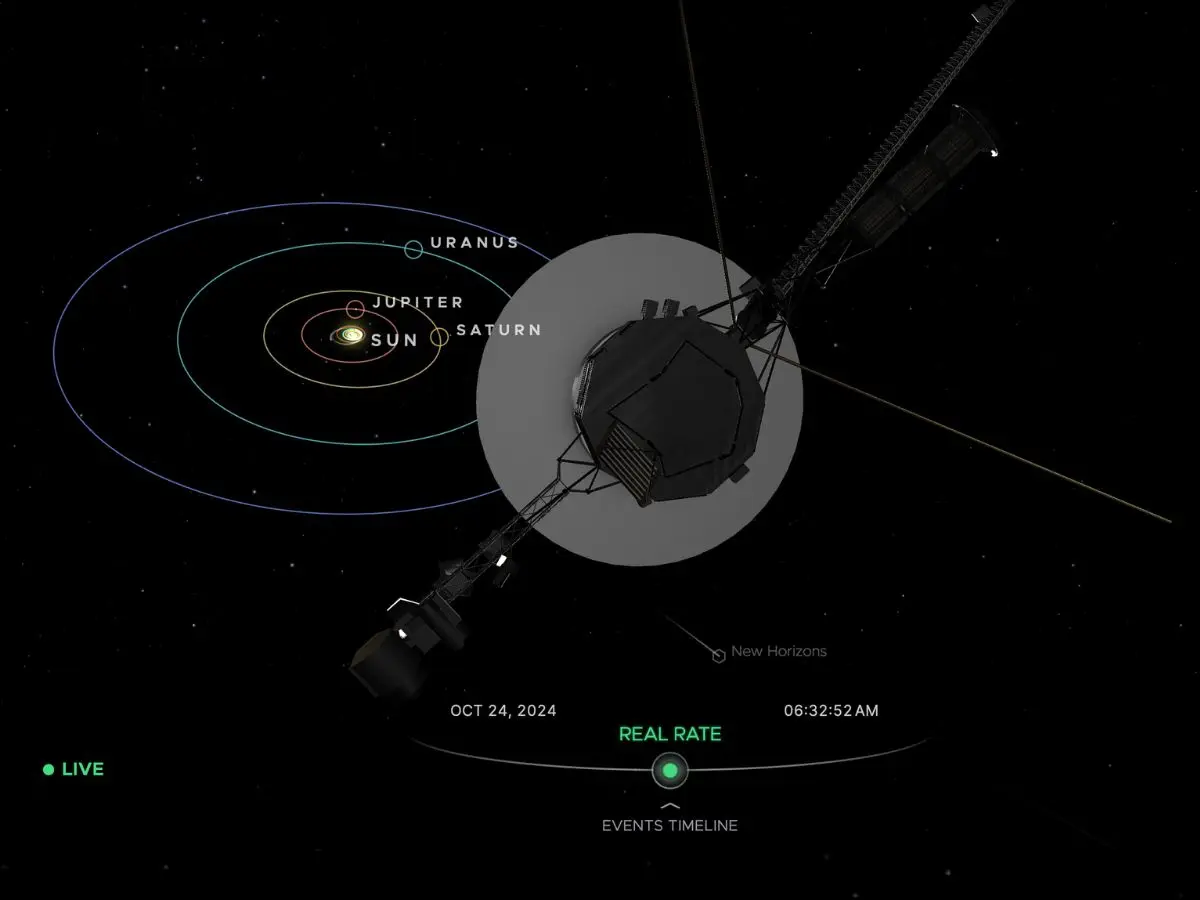
Voyager 2’s success is a testament to meticulous engineering. Its systems were built to last decades in extreme conditions, from radiation belts near Jupiter to the icy reaches of Neptune. Both Voyagers have survived failures and anomalies, but Voyager 2’s extended planetary tour required additional manoeuvres and mission adjustments, demonstrating remarkable operational resilience.
Current Distances as of August 2025
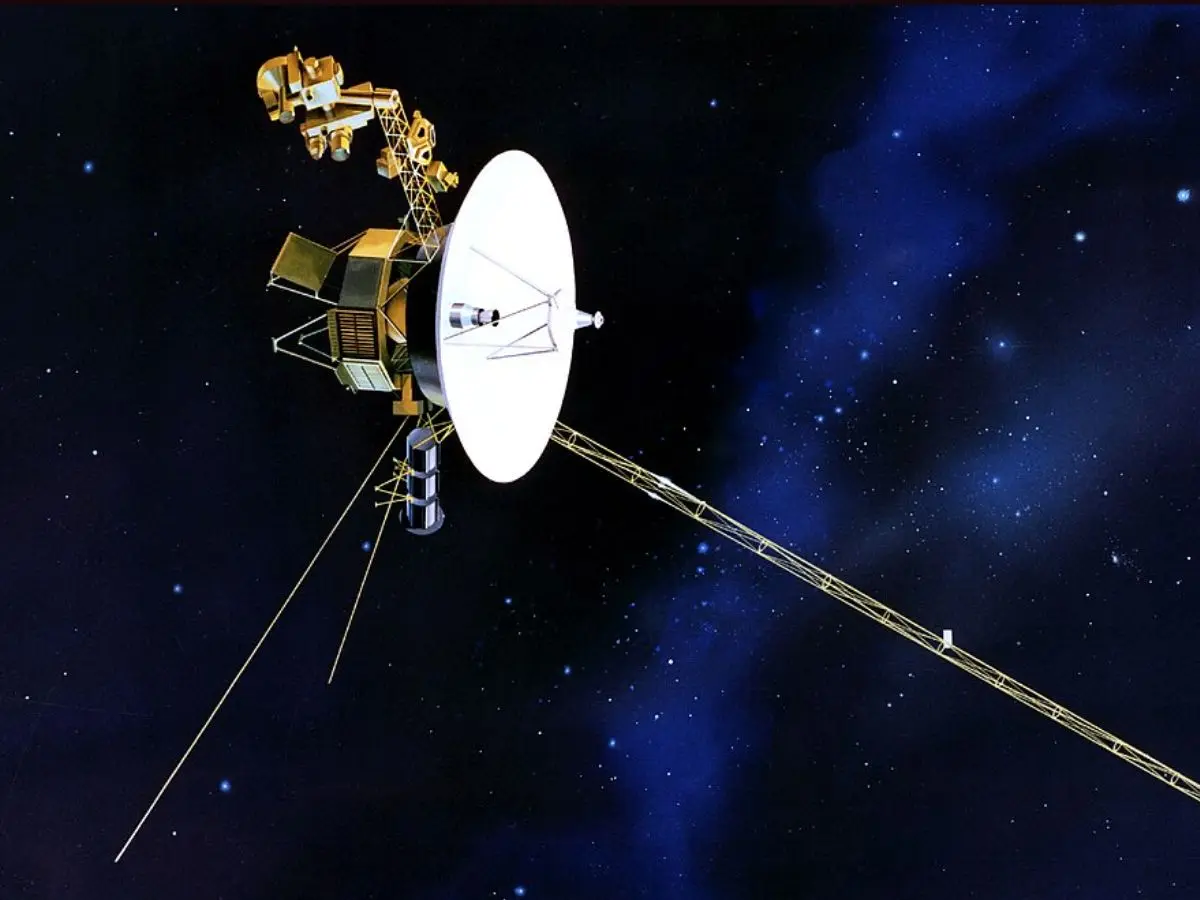
As of August 2025, Voyager 1 is approximately 167.88 astronomical units (AU) from Earth, equating to about 25.11 billion kilometres. Light from Voyager 1 takes approximately 23 hours and 16 minutes to reach Earth.
Voyager 2, currently located about 140.07 AU from Earth, is approximately 20.95 billion kilometres away. Despite being farther from Earth than Voyager 1, Voyager 2 continues to transmit valuable scientific data about the interstellar medium.
Conclusion: Complementary Achievements
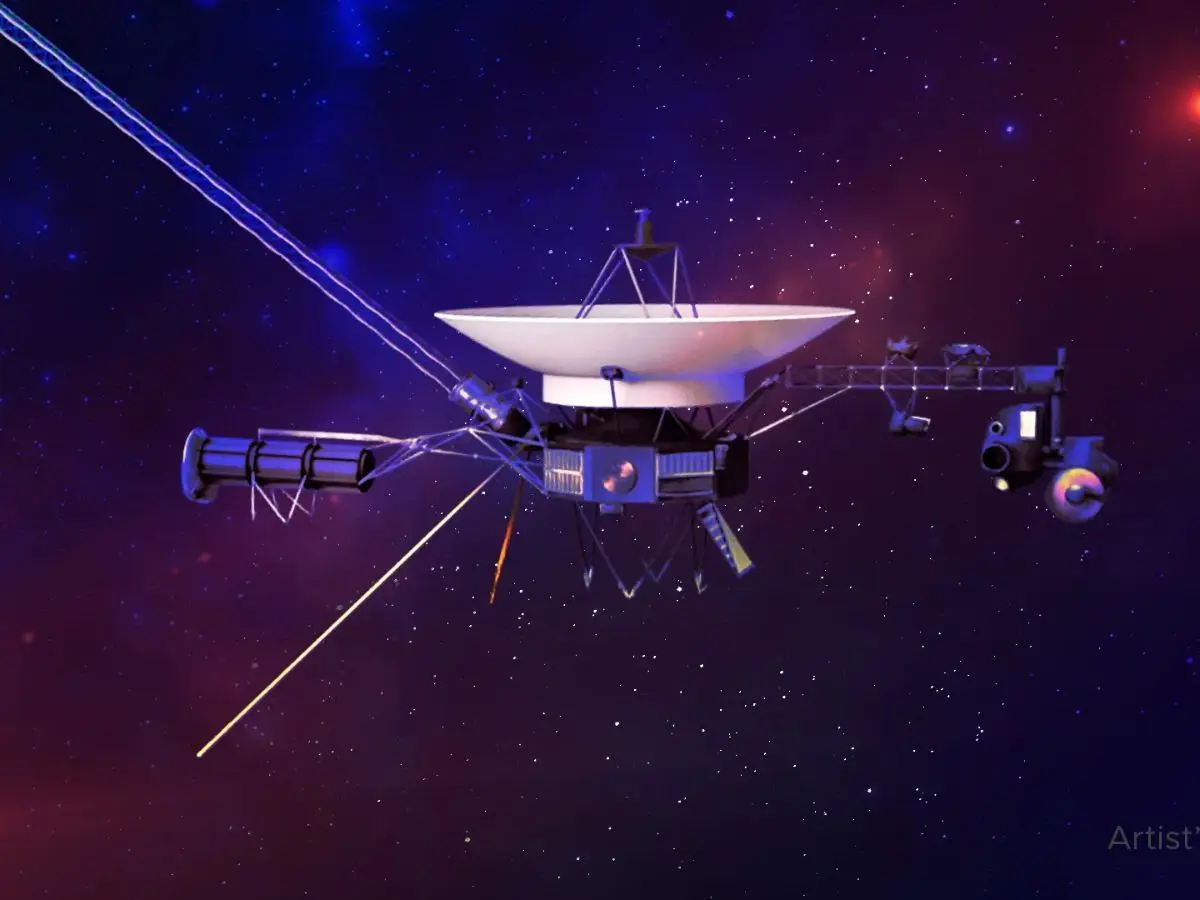
Voyager 1 led the way in speed and early planetary encounters, while Voyager 2 provided a broader survey of the outer Solar System and continues to return invaluable interstellar data. Together, they have redefined humanity’s understanding of the cosmos, proving that exploration is not just about who arrives first, but also about the depth and breadth of knowledge collected along the way.
)
)
)
)
)