Versatility factor: What makes the B-52 bomber one of the most adaptable aircraft ever built?

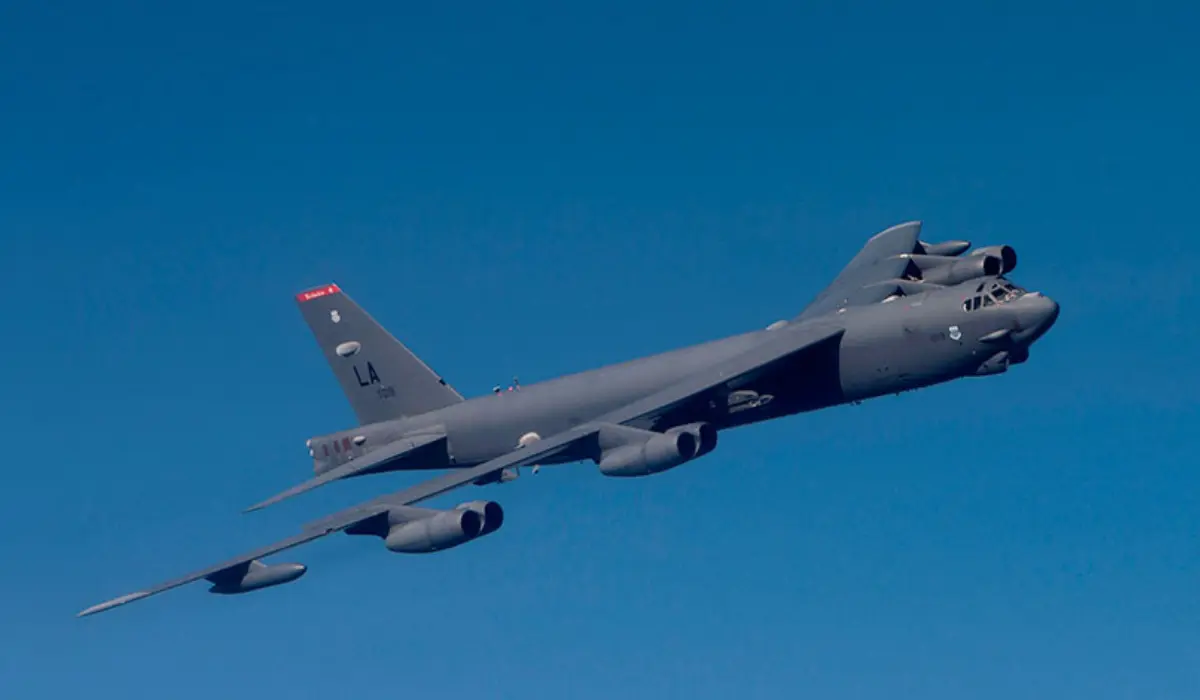
The B-52 bomber is exceptionally adaptable due to its 70,000-pound payload and flexible airframe. Upgraded under a USD 48.6 billion programme with Rolls-Royce engines and AESA radar, the B-52J will fly for an unprecedented 100 years.

The Changing Mission
Designed in the 1950s as a high-altitude nuclear penetrator, the Boeing B-52 Stratofortress has seamlessly evolved into a modern maritime guardian and close air support platform. Its rugged structural architecture allows military planners to continuously redesign its operational purpose without building a brand-new aircraft.

A 70,000-Pound Magazine
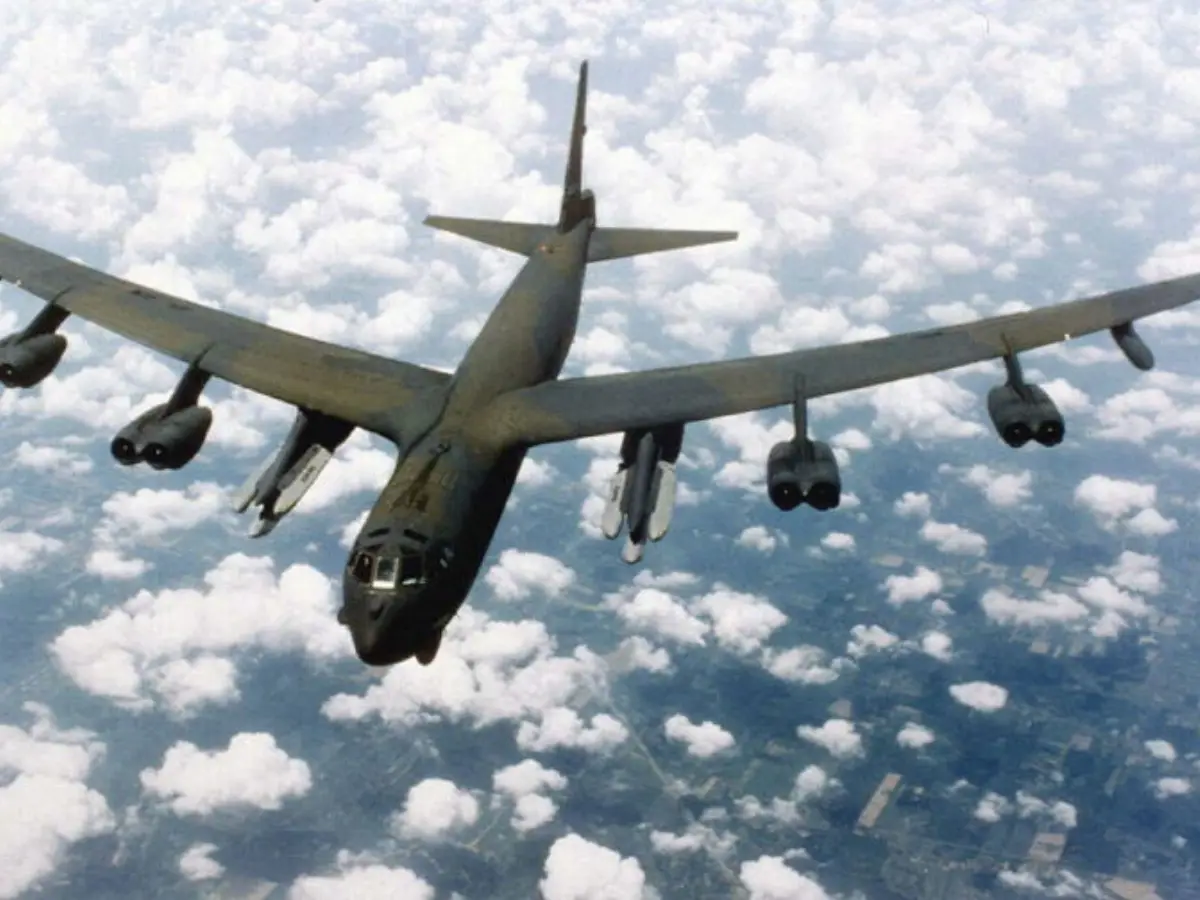
The core of the bomber's adaptability is its massive 70,000-pound payload capacity distributed across internal bays and heavy wing pylons. The aircraft can effortlessly switch from carrying precision-guided conventional bombs to deploying naval mines or launching long-range nuclear cruise missiles.
The Standoff Evolution
As modern surface-to-air missile threats became highly lethal, the B-52 successfully transitioned into an airborne standoff missile truck. By lingering thousands of miles away in safe international airspace, it can launch advanced stealth cruise missiles and digital hypersonic weapons.
The USD 48.6 Billion Upgrade
To lock in this operational flexibility, the Pentagon is executing a massive USD 48.6 billion modernization programme. Redesignated as the B-52J, the heavily modified heavy bomber features entirely new digital backbones and secure satellite communication networks.
Fighter-Grade AESA Radar
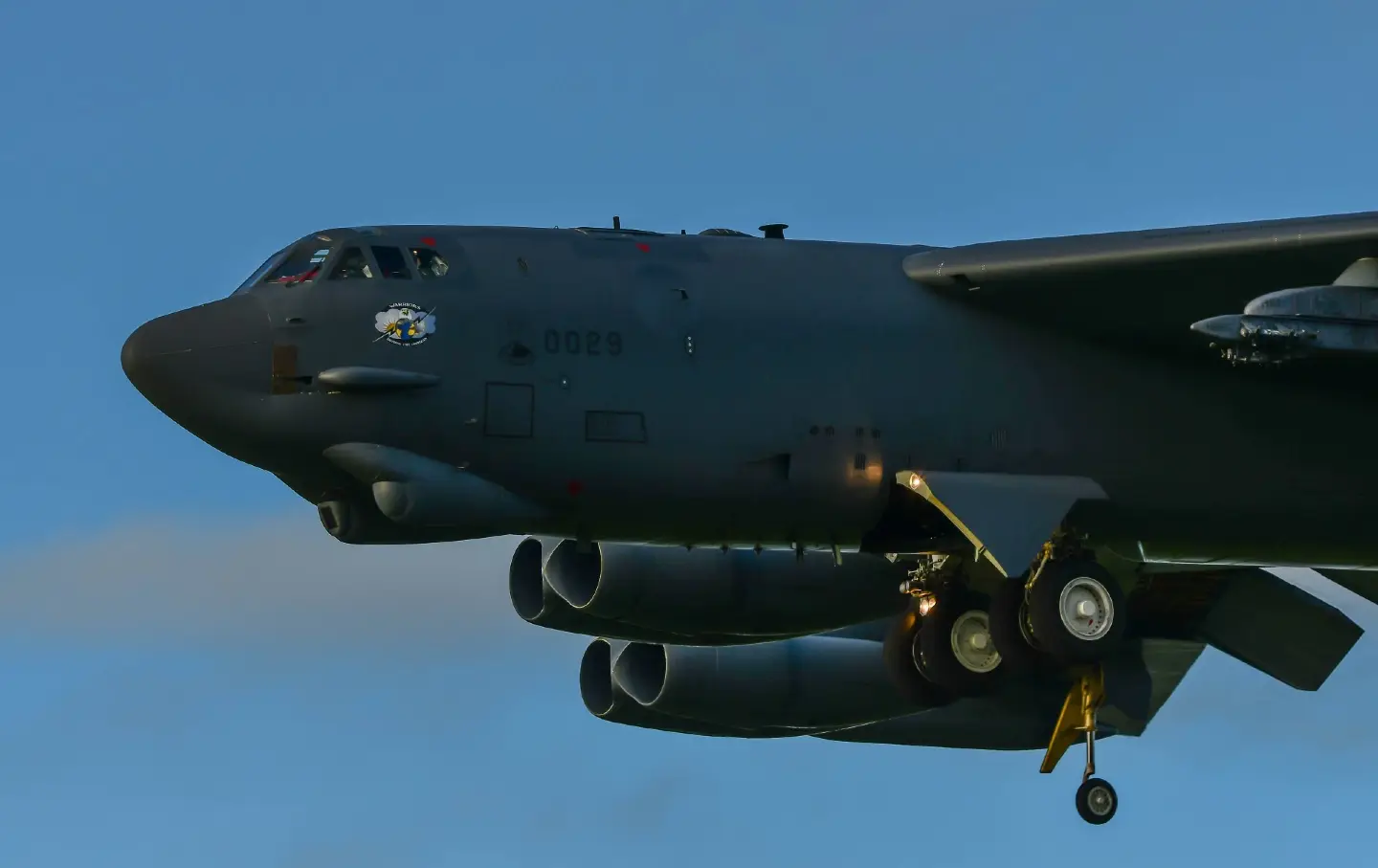
The upcoming J-model replaces obsolete mechanical tracking systems with the advanced AN/APQ-188 Active Electronically Scanned Array (AESA) radar. This powerful fighter-derived sensor grants the vintage airframe high-resolution ground mapping and robust electronic warfare capabilities.

Rolls-Royce F130 Power
The B-52J replaces its inefficient Cold War-era powerplants with eight modern Rolls-Royce F130 turbofans. This engine replacement program slashes fuel consumption by roughly 30 per cent, drastically increasing the bomber's unrefuelled global reach and mission endurance.
Outliving the Future
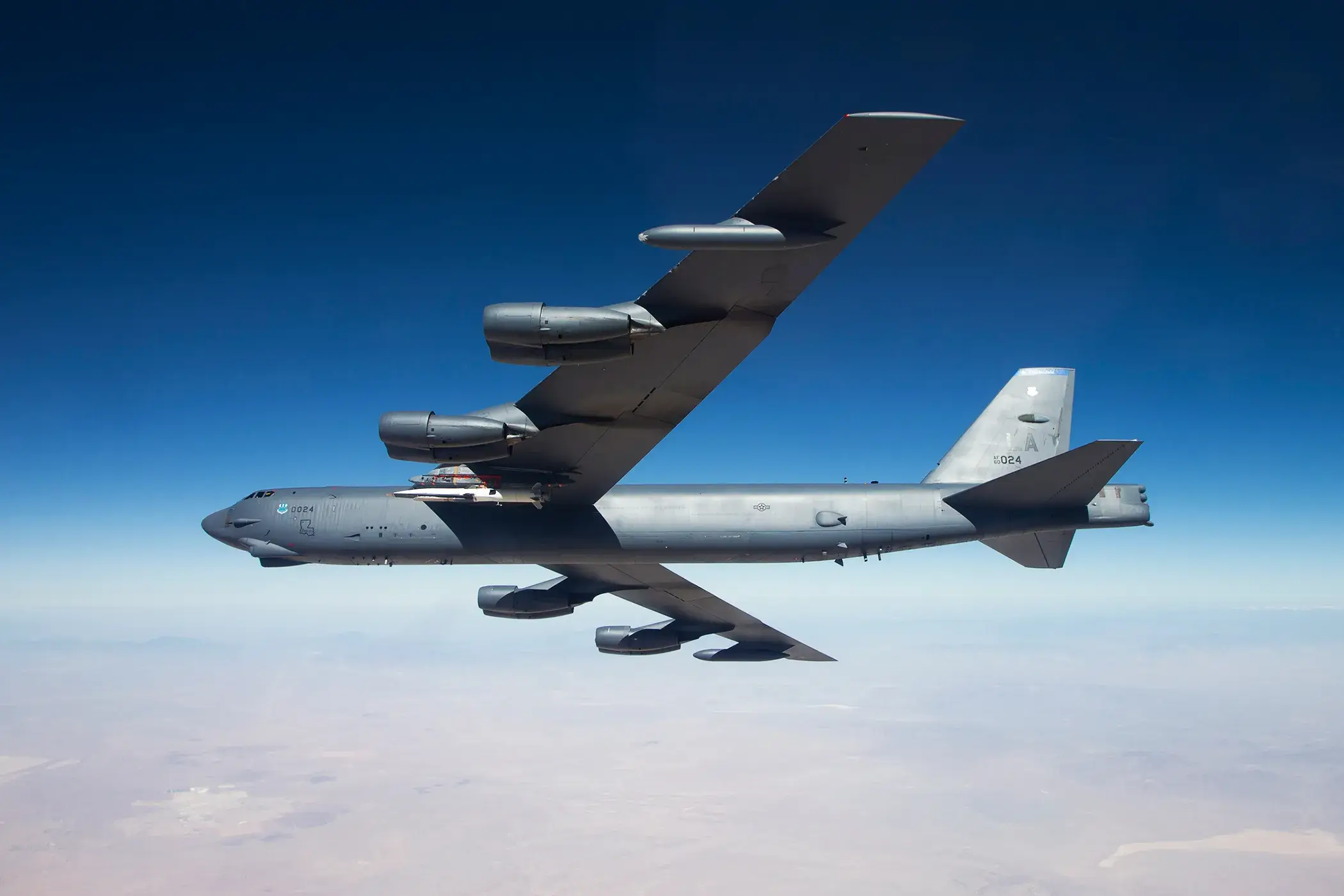
The Stratofortress has systematically outlived highly specialised aircraft like the B-1 Lancer and B-2 Spirit due to its sheer structural simplicity. Working closely alongside the upcoming B-21 Raider, this legendary airframe is officially on track to achieve 100 years of active military service.
)
)
)
)
)