USS Abraham Lincoln and ‘foul line’: Why is crossing it a serious risk during flight operations?

In an environment already described as one of the most dangerous workplaces, crossing this line without clearance is not a minor breach but a direct exposure to operational risk.
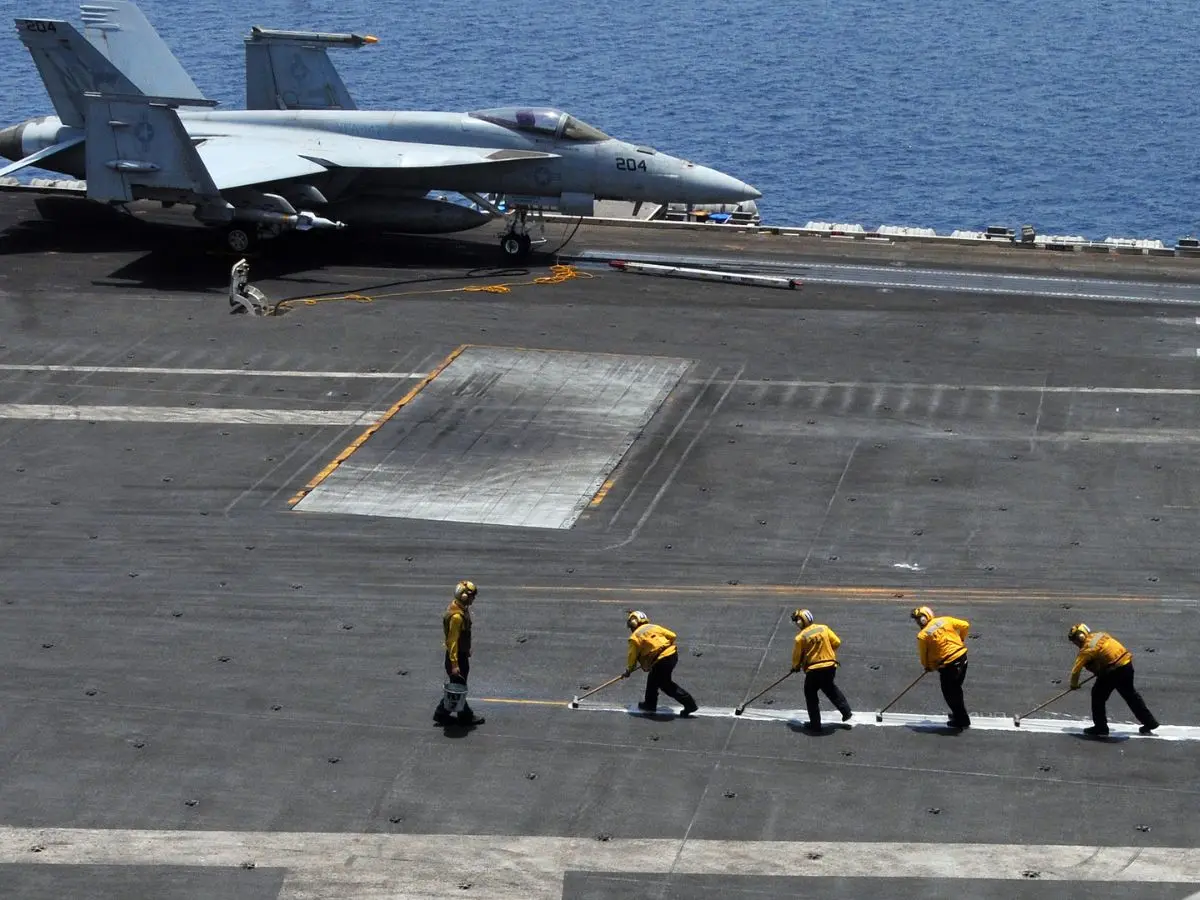
Introduction: A Line That Cannot Be Ignored
On the flight deck of USS Abraham Lincoln, safety is defined by strict visual and procedural boundaries. Among them, the foul line stands out as a critical marker separating active landing areas from relatively safer zones. In an environment already described as one of the most dangerous workplaces, crossing this line without clearance is not a minor breach but a direct exposure to operational risk.
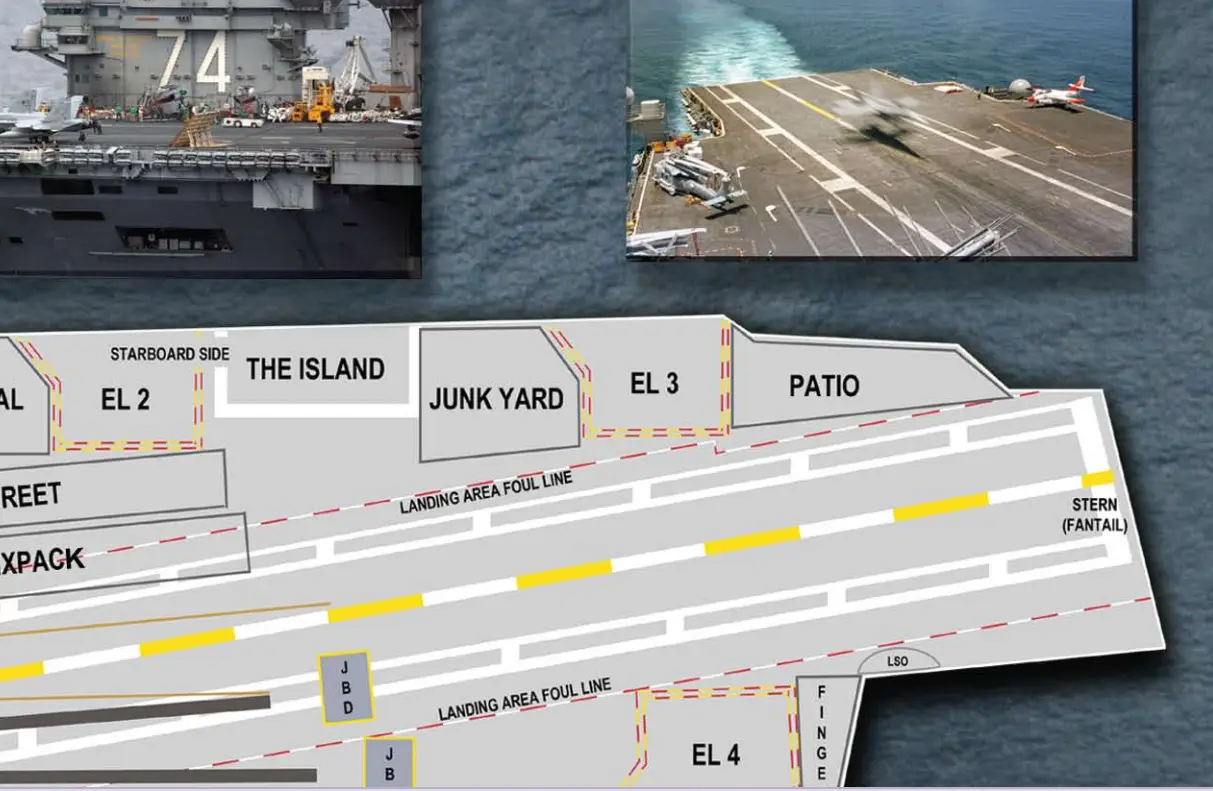
What Is the Foul Line?
The foul line is an alternating red and white striped marking that runs along the flight deck. It separates the active landing area from the rest of the deck, effectively acting as a safety boundary. Aircraft operating within this zone are either landing, decelerating, or preparing for movement, making it a high-risk area at all times.
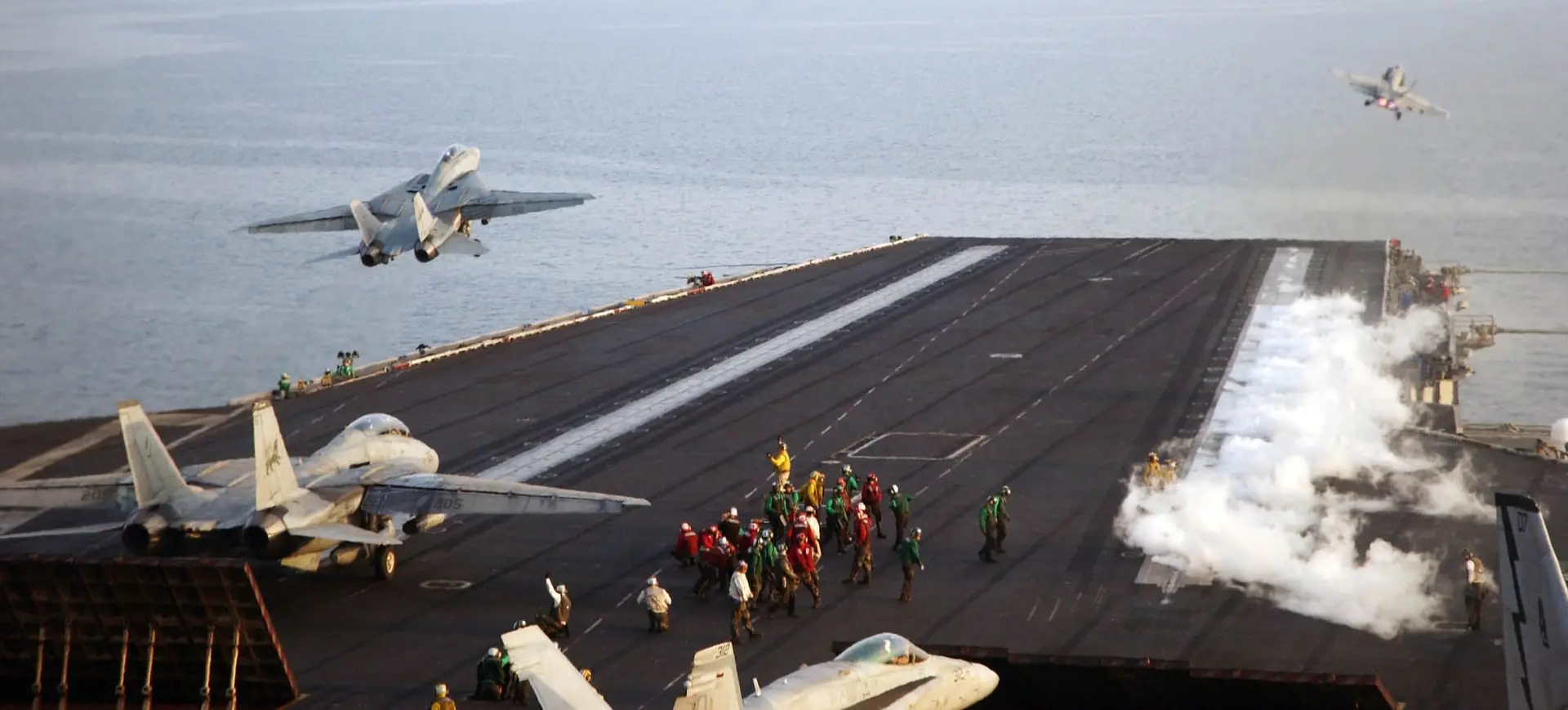
Restricted Access During Operations
The landing area must be completely clear of all people, equipment, and parked aircraft for an incoming jet to touch down safely. Even then, personnel must obtain explicit clearance from the Arresting Gear Officer before stepping across the line.
Clear Deck: Everything is behind the foul line.
Foul Deck: Anything, even a wingtip or a sailor’s foot, is over that line.
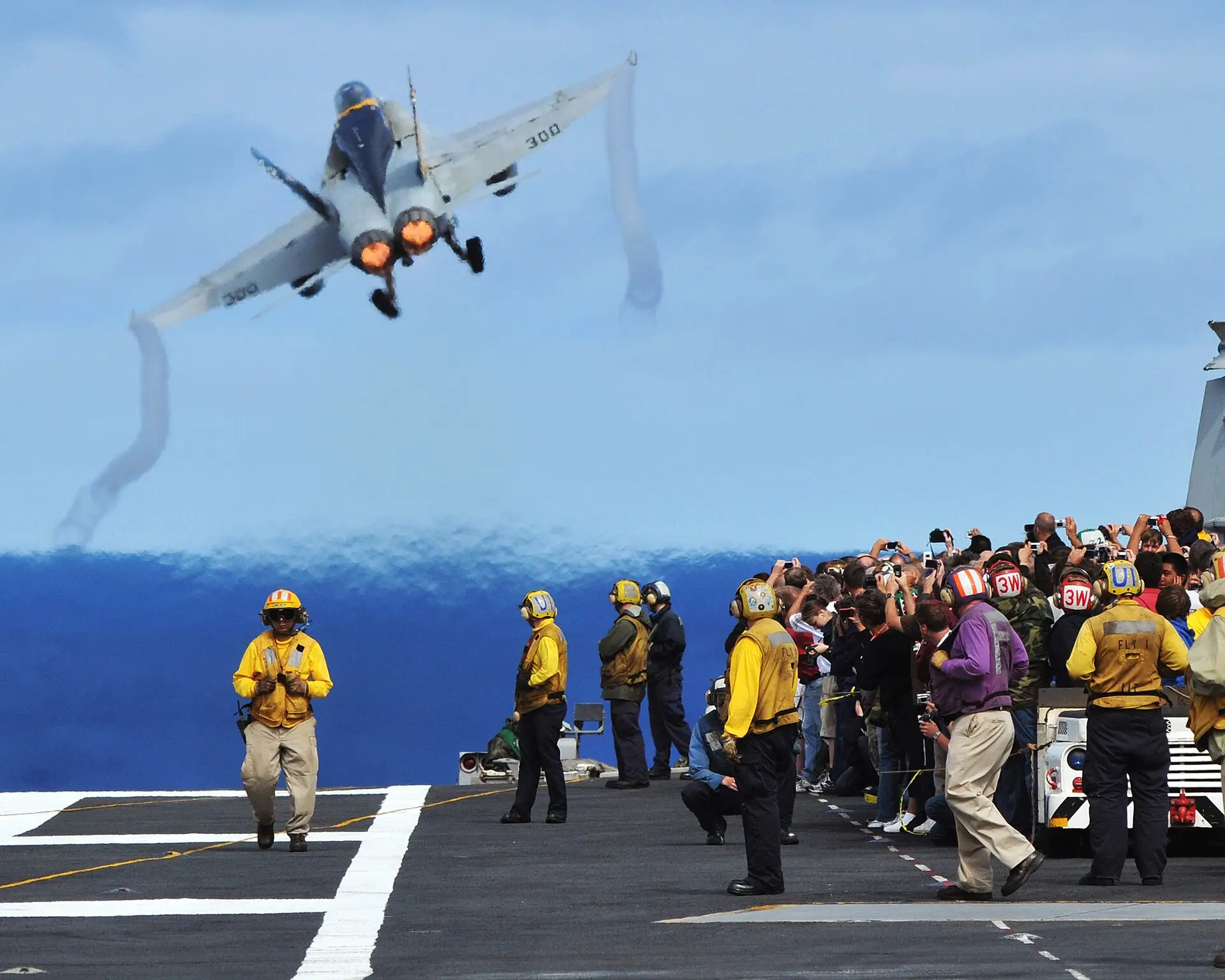
Clearance and Communication Protocol
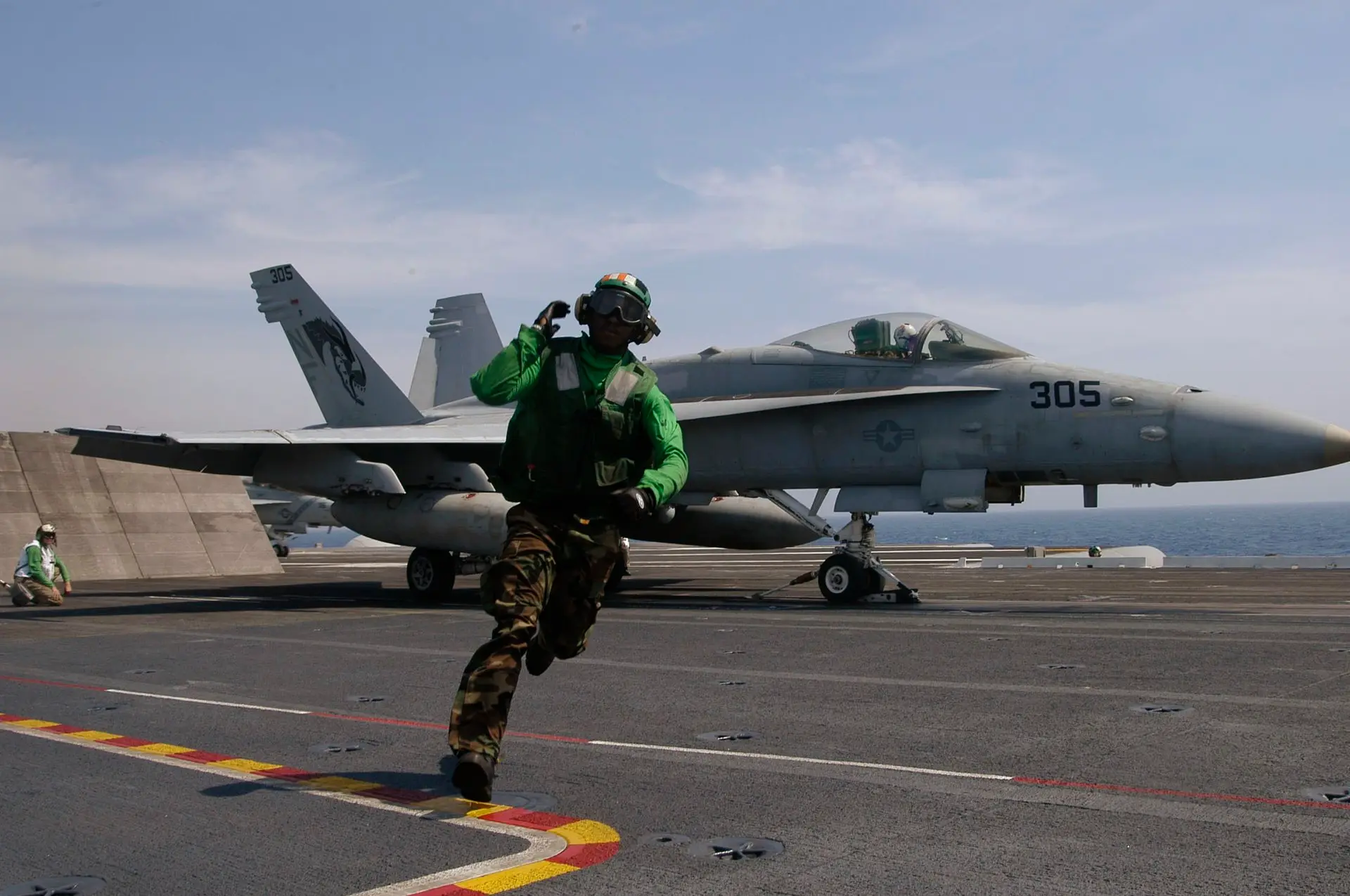
If crossing becomes unavoidable during operations, strict steps must be followed. Personnel must remain clear of the foul line, observe the aircraft pattern, and then signal their intent to cross. This is done by gaining the attention of the Arresting Gear Officer and indicating direction across the deck.
Role of the Arresting Gear Officer
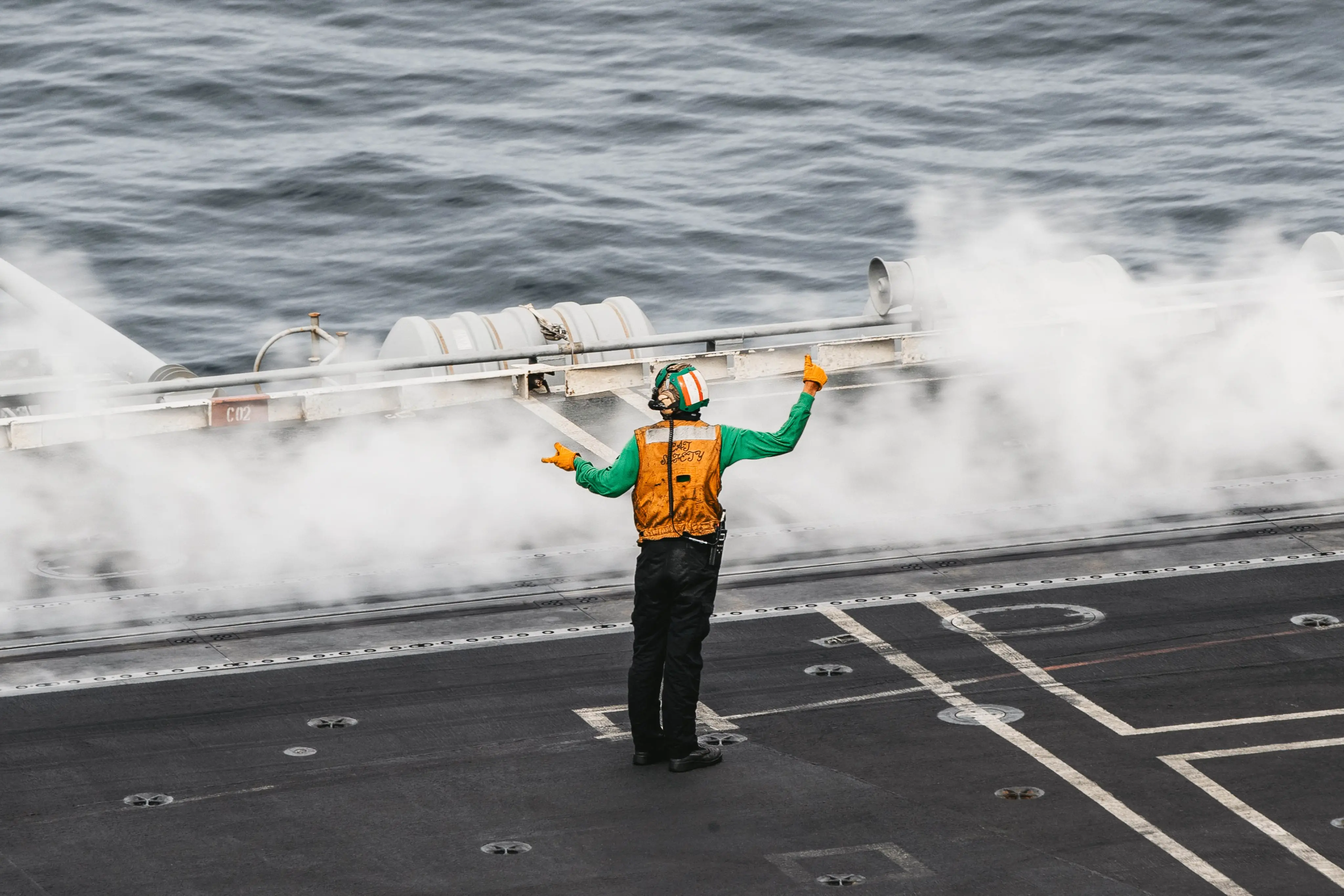
The Arresting Gear Officer controls access to the landing area. After receiving a request, the officer checks the aircraft pattern. If conditions are unsafe, no response is given. Silence itself is a denial, reinforcing that crossing is only permitted when all aircraft are clear.
Aircraft Approach and Wave-Off System
Safety is further reinforced by landing systems. If an aircraft is not properly aligned or if the deck is unsafe, the Landing Signal Officer initiates a “wave-off” using the Fresnel Lens Optical Landing System. This is mandatory, requiring the pilot to abort and reattempt the landing.
Why Crossing the Line Is Dangerous
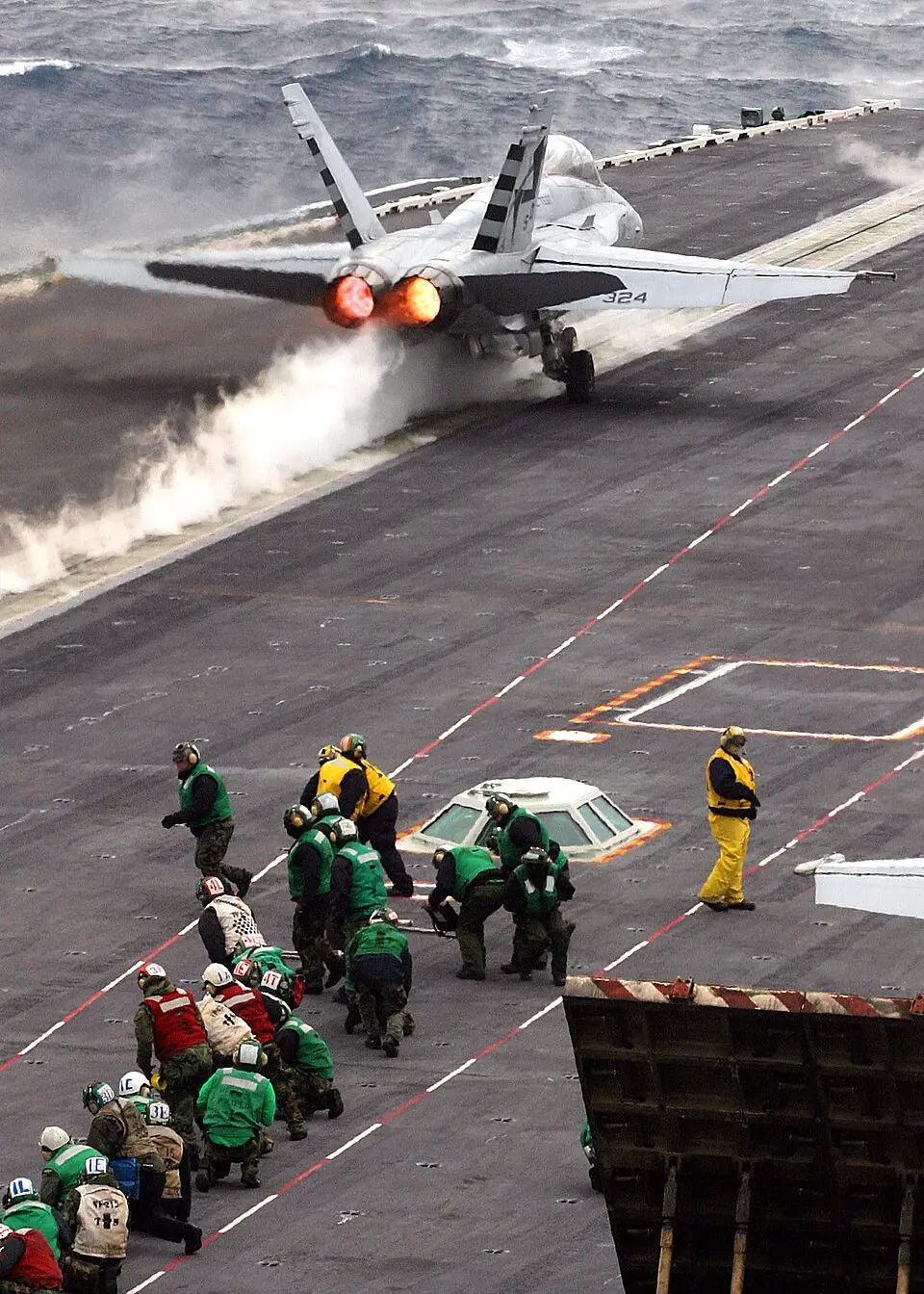
The foul line exists to prevent personnel from entering an active landing zone where aircraft arrive at high speed and limited visibility. Even a brief misjudgement can place an individual directly in the path of a landing aircraft. On USS Abraham Lincoln, respecting this boundary is not optional; it is essential to survival and the uninterrupted flow of flight operations.
Safe Parking
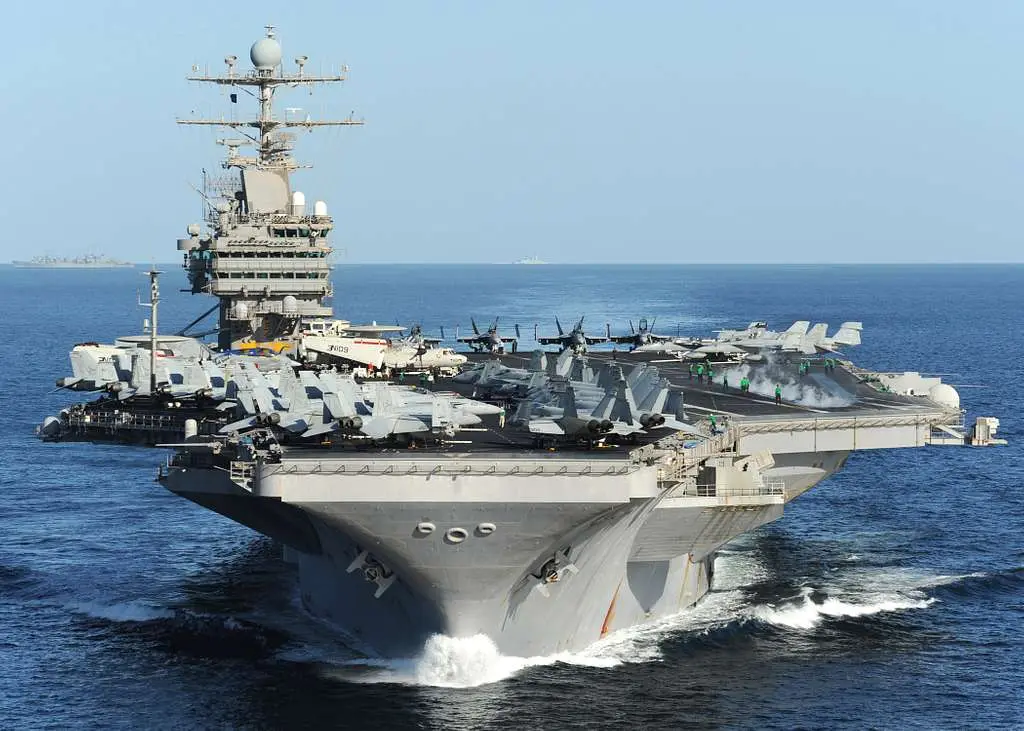
The area outboard of the foul line (towards the island or the edge) is where aircraft are "spotted" or parked. Flight Deck Directors (Yellow Shirts) must ensure that when they park a jet, no part of its structure—such as the tail or a missile rail—overhangs the foul line.
)
)
)
)
)